
Understanding the Growth Rate of Colorado Blue Spruce
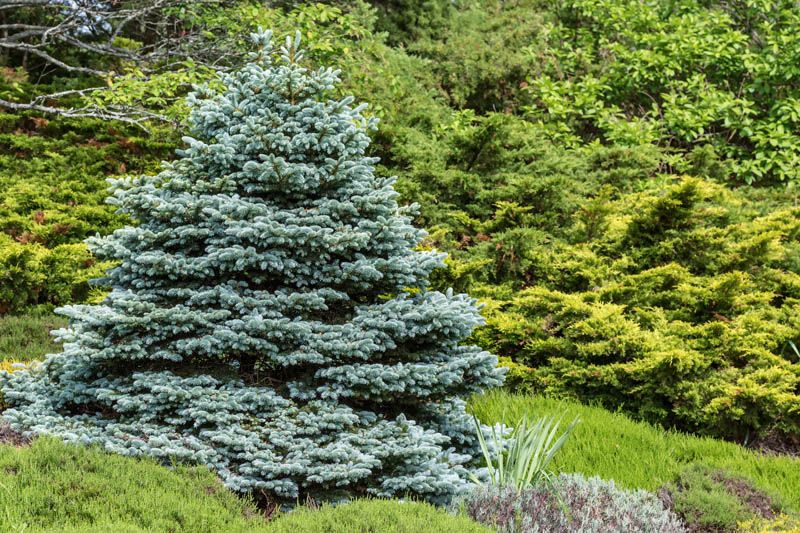
The Colorado Blue Spruce (Picea pungens) is a majestic evergreen tree, renowned for its striking silvery-blue to green foliage and symmetrical, conical shape. Often gracing landscapes across the United States and beyond, it’s a popular choice for ornamental planting, windbreaks, and even as a Christmas tree. A key consideration for anyone planting this species, whether in a backyard garden or as part of a larger landscaping project, is its growth rate. Understanding how fast a [Colorado Blue Spruce] grows will help manage expectations, plan for its mature size, and assess its suitability for specific locations and purposes.

While often categorized as a “slow-growing” tree, this designation can be relative. In reality, the growth rate of a [Colorado Blue Spruce] is influenced by a multitude of factors, including climate, soil conditions, sunlight exposure, water availability, and overall plant health. Generally, young trees tend to exhibit a more vigorous growth spurt as they establish their root systems and become acclimatized to their environment. As they mature, their growth rate typically slows down, focusing more on thickening their trunk and branches rather than significant height increases. For those seeking rapid shade or screening, the [Colorado Blue Spruce] might not be the most immediate solution, but its enduring beauty and structural integrity make it a worthwhile long-term investment.
Factors Influencing Growth
Several environmental and horticultural elements play a crucial role in determining the annual growth increment of a [Colorado Blue Spruce]. These factors are not unique to this species but are particularly impactful on the rate at which it expands upwards and outwards.
Environmental Conditions
- Climate: [Colorado Blue Spruce]s are native to the mountainous regions of the Rocky Mountains, thriving in temperate climates with distinct seasons. They prefer areas with cold winters, which are essential for their dormancy cycle and subsequent spring growth. Extremely hot or arid conditions can stress the tree and significantly slow its growth. Conversely, overly wet or poorly drained soils can lead to root rot, hindering nutrient uptake and overall vitality. Their ideal hardiness zones typically range from 2 to 7.
- Sunlight: Adequate sunlight is paramount for healthy photosynthesis, the process that fuels growth. [Colorado Blue Spruce]s generally prefer full sun conditions, which can support a faster growth rate. While they can tolerate partial shade, prolonged periods of shade will result in slower development and potentially a more open, less dense canopy.
- Soil Type and Drainage: The best soil for a [Colorado Blue Spruce] is well-drained, slightly acidic to neutral loam. They do not tolerate waterlogged conditions, as this can lead to root diseases. If planted in heavy clay or sandy soils, amendments to improve drainage and fertility may be necessary. Healthy soil rich in organic matter provides essential nutrients that support robust growth.
- Water Availability: Consistent moisture, especially during the establishment phase, is critical. Young trees require regular watering to develop a strong root system. Once established, [Colorado Blue Spruce]s are relatively drought-tolerant, but prolonged periods of severe drought can still impact their growth rate. Conversely, overwatering can be detrimental.
Horticultural Practices
- Fertilization: While [Colorado Blue Spruce]s are not heavy feeders, judicious fertilization can support optimal growth. Using a balanced, slow-release fertilizer formulated for evergreens in the spring can provide essential nutrients. However, over-fertilizing can harm the tree and lead to unnaturally rapid, weak growth that is susceptible to disease and damage.
- Pruning: Proper pruning techniques can influence growth. While pruning is generally minimal for [Colorado Blue Spruce]s, removing dead, damaged, or crossing branches can improve air circulation and light penetration, indirectly supporting healthier growth. Heading back branches can encourage bushier growth, but it should be done sparingly to avoid stressing the tree.
- Pest and Disease Management: Healthy trees grow faster. Infestations of pests such as spider mites or diseases like rhizosphaera needle cast can weaken a [Colorado Blue Spruce], significantly slowing its growth and potentially leading to decline. Regular monitoring and prompt treatment of any issues are essential for maintaining vigor.
Typical Growth Rates and Mature Size
When discussing the growth rate of a [Colorado Blue Spruce], it’s helpful to consider it in terms of annual height and width increase. This provides a more tangible understanding of how the tree will develop over time.
Annual Growth Increment
In ideal conditions, a healthy, established [Colorado Blue Spruce] can be expected to grow approximately 12 to 24 inches (30 to 60 cm) per year in height. This rate is most pronounced during the tree’s younger years, typically the first 10 to 20 years after planting. As the tree matures, this rate will likely decrease, often settling to around 6 to 12 inches (15 to 30 cm) per year. This slowing is a natural part of the tree’s life cycle, shifting its energy towards strengthening its structure and preparing for reproduction.
The width, or spread, of the tree also increases annually, though often at a slightly slower pace than its height. A mature [Colorado Blue Spruce] can have a spread of up to 20 to 30 feet (6 to 9 meters). The rate of spread is also influenced by pruning, planting density (if multiple trees are planted together), and environmental factors.
Reaching Maturity
The definition of “maturity” for a tree can vary, but for ornamental purposes, it often refers to when the tree has reached a significant portion of its potential size and begins to exhibit a more stately presence. A [Colorado Blue Spruce] is considered mature when it reaches its mature height, which can range from 50 to 75 feet (15 to 23 meters), with some specimens reaching up to 100 feet (30 meters) in exceptional cases. This mature height is typically achieved over several decades, often 30 to 50 years or more.
It is important to note that “fast-growing” is a relative term in arboriculture. Compared to some deciduous trees or faster-growing conifers like certain pines or poplars, the [Colorado Blue Spruce] is undoubtedly on the slower side. However, its slow and steady growth contributes to its dense wood, strong structure, and longevity, often living for 100 years or more. This makes it a lasting addition to any landscape.
Planning for Long-Term Growth and Placement
Understanding the growth habits of the [Colorado Blue Spruce] is crucial for effective landscape planning and ensuring the tree thrives for its entire lifespan. Proper placement and consideration of its mature dimensions are key to avoiding future complications.
Site Selection Considerations
When choosing a location for your [Colorado Blue Spruce], several factors related to its future size and growth rate must be taken into account.
- Mature Height and Spread: As mentioned, these trees can reach impressive heights and widths. It is essential to select a planting site that can accommodate its mature dimensions. This means ensuring there is ample space away from overhead power lines, buildings, and other landscape features that could be compromised as the tree grows. A general rule of thumb is to plant the tree at least 20-30 feet away from structures, and consider the mature spread of adjacent trees or shrubs.
- Sunlight Requirements: To achieve its best growth rate and maintain its characteristic dense form, the [Colorado Blue Spruce] needs at least six hours of direct sunlight per day. Avoid planting it in heavily shaded areas where its growth will be stunted and its foliage may become less dense and vibrant.
- Soil and Drainage: Prioritize a location with well-drained soil. If your chosen site has heavy clay or is prone to waterlogging, consider amending the soil with organic matter and improving drainage. Planting on a slight slope can also help with drainage. Testing your soil’s pH can also be beneficial, as [Colorado Blue Spruce]s prefer slightly acidic to neutral conditions (pH 5.5-7.0).
- Wind Exposure: While [Colorado Blue Spruce]s are hardy and can withstand moderate winds, extremely exposed sites, especially those with prevailing strong winds, might lead to slower growth and potential damage to branches. Planting it in a location with some natural windbreak from other trees or structures can be beneficial, particularly for young trees.
Long-Term Landscape Integration
The slow, steady growth of the [Colorado Blue Spruce] offers distinct advantages for landscape design. Its predictable growth allows for careful integration into a landscape plan, where it can gradually mature and fulfill its intended role.
- Windbreaks and Screening: Although not an instant solution, a [Colorado Blue Spruce] planted as part of a windbreak or screen will eventually provide excellent protection and privacy. Planning for its mature size is key; spacing trees appropriately will ensure they don’t overcrowd each other as they grow. Typically, a spacing of 15-20 feet apart is recommended for windbreak purposes, allowing each tree sufficient room.
- Specimen Planting: Due to its striking appearance, the [Colorado Blue Spruce] is often used as a specimen tree. Its conical shape and distinctive color make it a focal point. When used this way, ensure it has sufficient space to develop its full, natural form without being overshadowed by other plants or structures. Its slower growth means it won’t quickly outgrow its intended display area.
- Christmas Tree Cultivation: For those interested in growing [Colorado Blue Spruce]s for Christmas trees, understanding their growth rate is paramount for commercial viability. The time it takes to reach a marketable size (typically 6-8 feet tall) can range from 8 to 12 years, depending on planting density, fertilization, and pruning techniques. This long lead time underscores the importance of careful planning and management in this specific application.

Managing Expectations and Enhancing Growth
It’s important to reiterate that the [Colorado Blue Spruce] is not a fast-growing tree. Setting realistic expectations is key to appreciating its beauty and value. However, by providing optimal conditions, you can encourage the healthiest and most vigorous growth possible for this species.
- Patience is Key: Embrace the slow, deliberate growth of the [Colorado Blue Spruce]. Its endurance and stately presence develop over time, rewarding patient gardeners with a tree that becomes a cherished part of the landscape for generations.
- Proper Establishment: The first few years are critical. Ensure newly planted trees are watered consistently, especially during dry periods. Mulching around the base of the tree (keeping it a few inches away from the trunk) helps retain soil moisture, suppress weeds, and regulate soil temperature.
- Avoid Over-Intervention: Resist the urge to constantly prune or fertilize excessively. These actions can do more harm than good. Trust the natural growth habit of the tree and focus on providing a healthy environment. Regular monitoring for pests and diseases is more beneficial than aggressive horticultural interventions.
By considering these aspects, gardeners and landscapers can successfully integrate the [Colorado Blue Spruce] into their projects, appreciating its characteristic growth rate and enjoying its enduring ornamental qualities for many years to come.
LifeOutOfTheBox is a participant in the Amazon Services LLC Associates Program, an affiliate advertising program designed to provide a means for sites to earn advertising fees by advertising and linking to Amazon.com. Amazon, the Amazon logo, AmazonSupply, and the AmazonSupply logo are trademarks of Amazon.com, Inc. or its affiliates. As an Amazon Associate we earn affiliate commissions from qualifying purchases.