
The question of “how many bears are in Colorado?” is more than just a simple census; it’s a gateway to understanding the complex ecology and conservation efforts surrounding these magnificent, yet often misunderstood, creatures. As a premier destination for nature enthusiasts and adventure seekers, Colorado offers a chance to encounter wildlife in its natural habitat. For travelers planning a visit, knowing about the local bear population is crucial for both personal safety and responsible tourism. This article delves into the estimated numbers, the species present, their distribution, and what travelers need to know about sharing the landscape with bears.
Understanding Colorado’s Bear Population
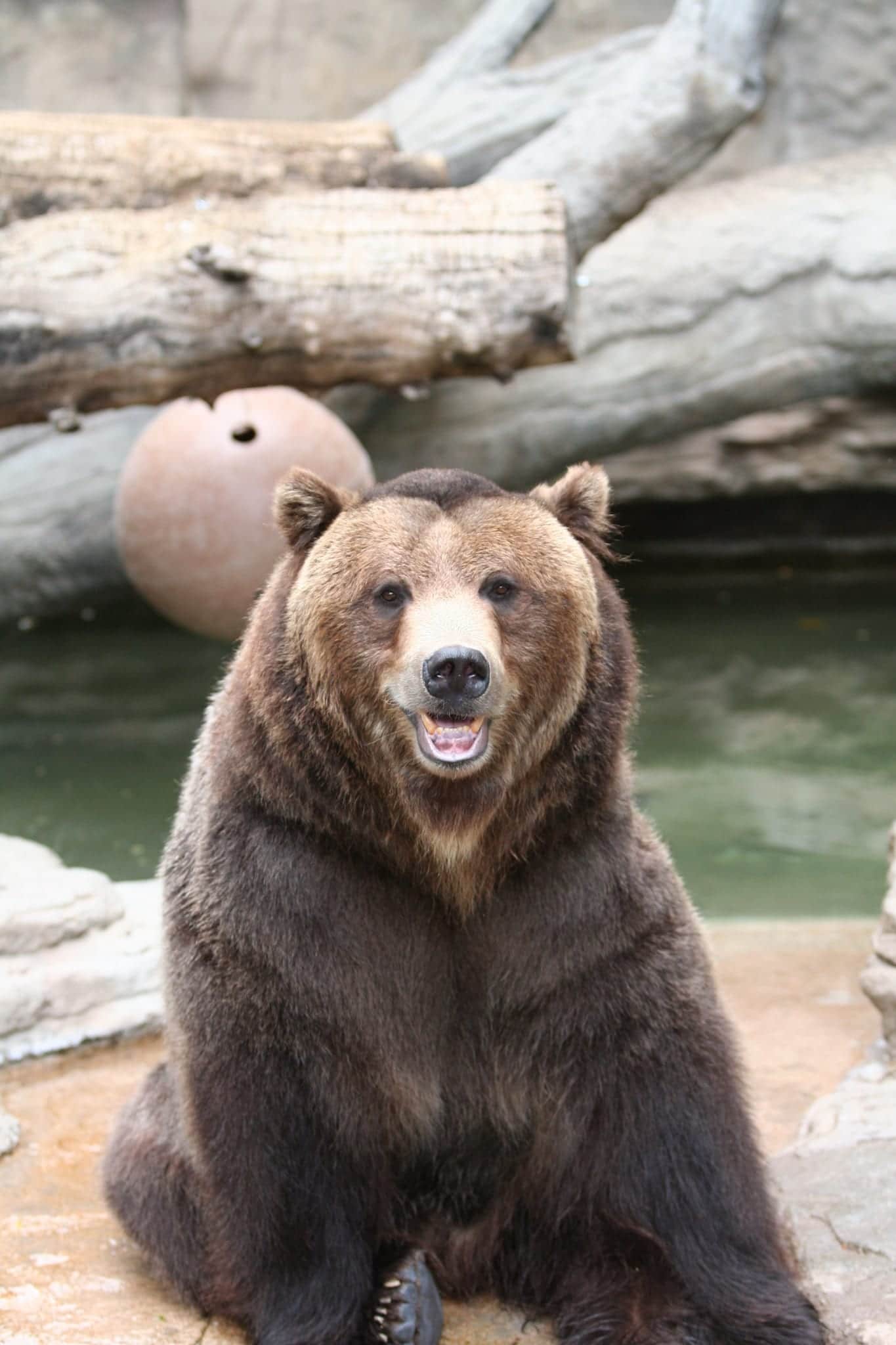
Colorado is primarily home to one species of bear: the American black bear (Ursus americanus). While commonly referred to as “black bear,” their fur can range in color from black to cinnamon, brown, and even blonde. Contrary to popular belief, grizzlies or brown bears are not native to Colorado today, although historical records indicate their presence in the distant past.
The American Black Bear in Colorado
The American black bear is the most widespread bear species in North America and thrives in Colorado’s diverse habitats. These animals are highly adaptable and can be found in a variety of ecosystems, from dense forests and mountainous regions to riparian areas and even the fringes of human development.
Population Estimates:
Pinpointing an exact number of bears is challenging due to their elusive nature and vast home ranges. However, wildlife biologists and the Colorado Parks and Wildlife agency conduct ongoing research and use various methods to estimate population size. These methods include:
- Aerial Surveys: Flying over specific areas and counting bears observed.
- Mark-Recapture Studies: Capturing, marking, and then recapturing bears to estimate population density.
- DNA Analysis: Using hair samples collected from the wild to identify individuals and estimate population size.
- Monitoring Reproductive Success: Tracking cub survival rates and litter sizes can provide insights into population health.
Based on these scientific assessments, the estimated population of black bears in Colorado generally ranges between 17,000 and 20,000 individuals. This figure represents a healthy and stable population, reflecting successful conservation efforts and suitable habitat conditions within the state. It is important to note that these numbers are dynamic and can fluctuate due to environmental factors, food availability, and human activity.
Distribution Across the State
Black bears are found throughout much of Colorado, with higher concentrations in areas offering abundant food sources and suitable denning sites. Key regions where bears are commonly encountered include:
- Mountainous Regions: The Rocky Mountains, particularly the western and central parts of the state, are prime bear habitat. Areas like the San Juan Mountains, Gunnison National Forest, and the ranges surrounding Aspen and Vail support significant bear populations.
- National Forests and Wilderness Areas: Vast tracts of public land, such as the Arapaho National Forest, Pike National Forest, and numerous wilderness areas, provide critical habitat and corridors for bear movement.
- Areas with Abundant Food Sources: Bears are drawn to areas with plentiful berries, nuts, insects, and other natural food sources. This includes riparian zones, aspen groves, and areas with diverse undergrowth.
- Proximity to Human Settlements: Unfortunately, the availability of anthropogenic food sources (garbage, bird feeders, pet food) can also draw bears closer to towns and campgrounds, leading to human-bear conflicts. Areas around Denver, Boulder, and other Front Range communities can experience bear activity, especially during certain times of the year.
Traveling Responsibly in Bear Country
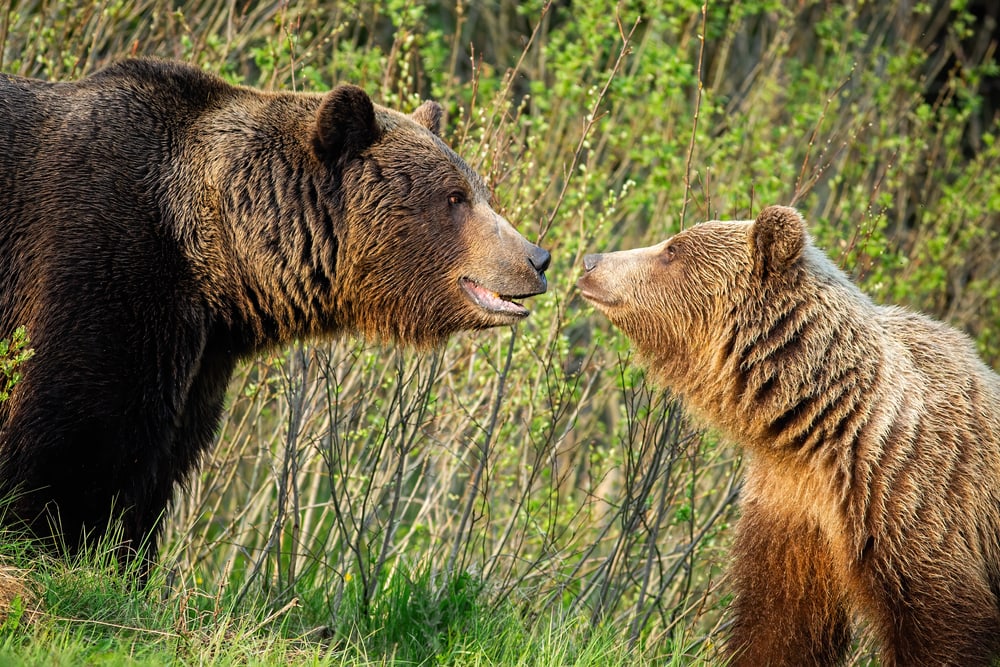
For visitors to Colorado, understanding the presence of bears is an essential part of planning a safe and enjoyable trip. Whether you’re hiking in the wilderness, camping at a campground, or visiting a mountain town, taking precautions can prevent negative encounters.
Safety Guidelines for Hikers and Campers
The primary goal when traveling in bear country is to avoid surprising bears and to prevent them from becoming accustomed to human food.
- Make Noise: Bears have excellent hearing and a keen sense of smell, but they often avoid humans if they are aware of their presence. Talk, sing, or clap your hands periodically, especially in areas with dense vegetation or near streams where visibility is limited. Bear bells are often suggested, but vocalization is generally more effective.
- Hike in Groups: Traveling with others and maintaining a group conversation makes it harder for bears to approach unnoticed.
- Be Aware of Your Surroundings: Look for signs of bear activity, such as tracks, scat (droppings), or overturned rocks. Avoid hiking at dawn or dusk when bears are most active.
- Carry Bear Spray: Bear spray (pepper spray specifically designed for bears) is a highly effective deterrent. Know how to use it and keep it readily accessible. It should be your last resort for defense.
- Store Food Properly: This is perhaps the most critical aspect of preventing conflicts.
- In Campgrounds: Use provided bear-resistant food lockers or canisters. If these are unavailable, hang your food at least 10 feet off the ground and 4 feet away from the tree trunk, using a sturdy rope.
- While Hiking: Pack out all food scraps and wrappers. Never leave food unattended.
- In Your Vehicle: Store food in a sealed container inside your vehicle. Do not leave food or scented items visible through windows.
- Never Feed Bears: Intentionally or unintentionally feeding bears teaches them to associate humans with food, leading to dangerous habituation. This often results in the bear being euthanized for public safety.
- Keep a Clean Campsite: Wash dishes immediately after eating, and store all scented items (toiletries, toothpaste, sunscreen) with your food. Dispose of garbage in bear-resistant receptacles or pack it out with you.
Bear Sightings and Encounters
While most bear encounters are brief and uneventful, it’s important to know how to react if you do see a bear.
- Remain Calm: Do not run. Running can trigger a chase response in bears.
- Identify Yourself: Speak in a calm, firm voice to let the bear know you are human.
- Do Not Approach: Maintain a safe distance, at least 100 yards (91 meters) away from the bear.
- Back Away Slowly: If the bear doesn’t move, slowly back away, keeping an eye on the animal.
- If Charged: If a bear charges you, stand your ground and prepare to use bear spray. If contact is imminent, fight back aggressively. Black bears typically charge defensively or out of curiosity.
Bear Ecology and Conservation in Colorado
Understanding the ecological role of bears and the conservation efforts underway in Colorado provides a deeper appreciation for these animals and the importance of their presence in the ecosystem.
The Role of Bears in the Ecosystem
Black bears are omnivores and play a significant role in their environment:
- Seed Dispersal: As they forage on fruits and berries, bears ingest seeds, which are then dispersed through their droppings, aiding in plant propagation.
- Predators and Scavengers: They prey on smaller animals, insects, and carrion, helping to regulate prey populations and clean up the ecosystem.
- Nutrient Cycling: Their digging and foraging activities can aerate soil and redistribute nutrients.
Conservation Efforts and Challenges
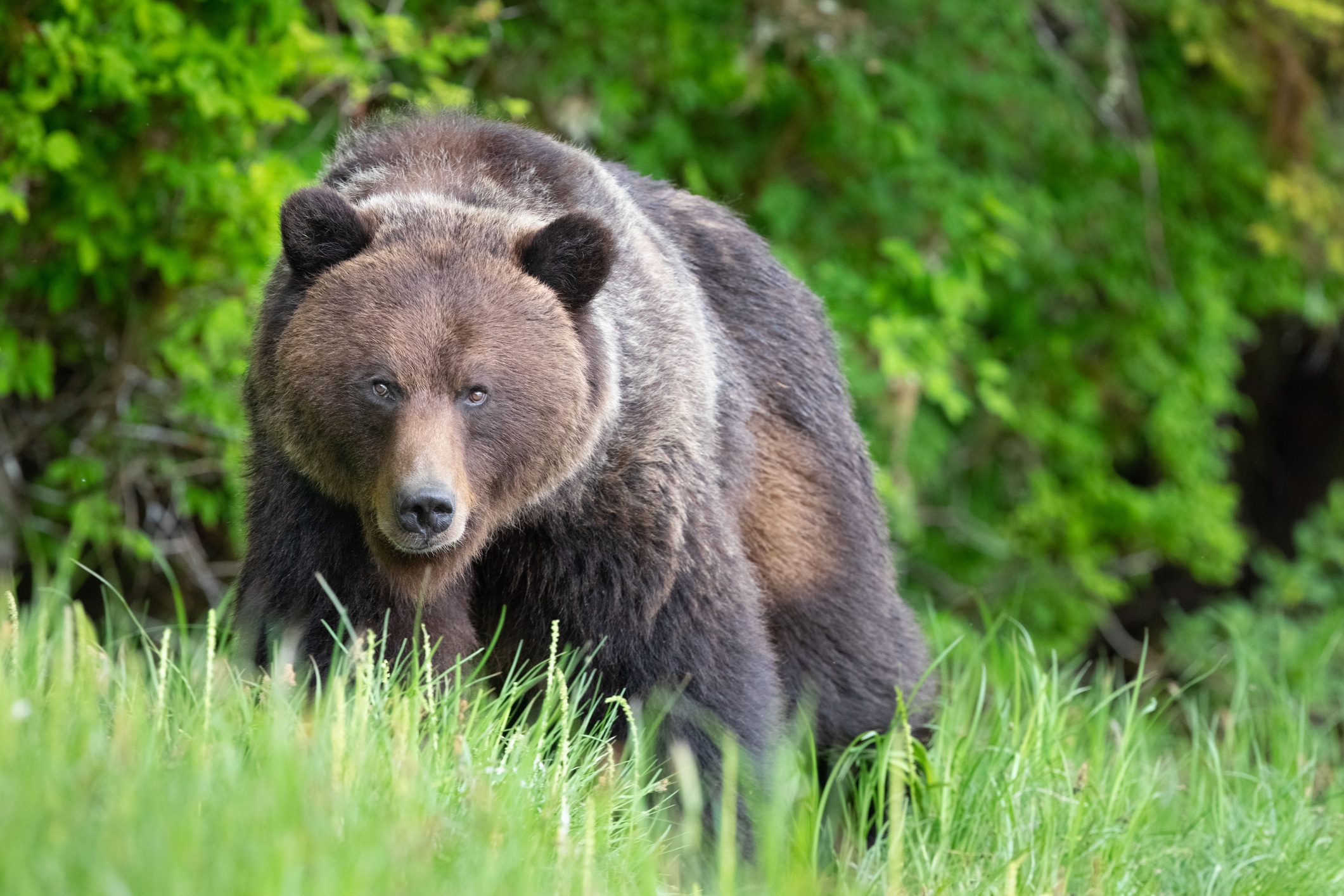
Colorado Parks and Wildlife is committed to managing and conserving bear populations. Their work involves:
- Habitat Protection: Identifying and protecting critical bear habitats, including denning areas and foraging grounds.
- Human-Bear Conflict Mitigation: Developing strategies to reduce conflicts, such as educating the public, implementing stricter garbage management policies in communities, and responding to problematic bear behavior.
- Research and Monitoring: Continuously studying bear populations to understand their health, reproduction rates, and movement patterns.
One of the primary challenges facing bear conservation is the increasing human population and its expansion into bear habitat. This leads to greater potential for conflicts, habitat fragmentation, and the need for robust public education campaigns. Responsible tourism and adherence to safety guidelines are crucial for ensuring the long-term coexistence of humans and bears in Colorado.
By respecting wildlife, maintaining a safe distance, and practicing proper food storage, visitors to Colorado can contribute to the well-being of its bear population while enjoying the incredible natural beauty the state has to offer. The presence of thousands of bears is a testament to a healthy ecosystem, and with careful management and public cooperation, these iconic animals will continue to roam the Colorado wilderness for generations to come.
LifeOutOfTheBox is a participant in the Amazon Services LLC Associates Program, an affiliate advertising program designed to provide a means for sites to earn advertising fees by advertising and linking to Amazon.com. Amazon, the Amazon logo, AmazonSupply, and the AmazonSupply logo are trademarks of Amazon.com, Inc. or its affiliates. As an Amazon Associate we earn affiliate commissions from qualifying purchases.