
The question “How Many Fires Are Burning In Colorado?” might seem like a direct query for a statistic, but when viewed through the lens of Landmarks, it opens a broader conversation about the state’s natural heritage, the impact of wildfires on these iconic landscapes, and how we, as visitors and stewards, engage with them. Colorado’s identity is intrinsically linked to its vast, often dramatic, natural beauty. From the towering peaks of the Rocky Mountains to the sprawling forests and arid canyons, these are the landmarks that draw millions to the Centennial State each year. Understanding the presence and impact of fires is crucial for appreciating and protecting these irreplaceable natural wonders.
The Dynamic Landscape: Colorado’s Fire-Prone Ecosystems
Colorado’s geographical diversity creates a mosaic of ecosystems, each with a unique relationship to fire. While the term “fire burning” might evoke images of immediate danger, it’s also important to recognize fire as a natural ecological process in many of these environments.
Forested Mountain Regions
The vast pine, spruce, and fir forests that blanket much of Colorado’s mountainous terrain are particularly susceptible to wildfires. These forests are home to iconic landmarks such as Rocky Mountain National Park, the San Juan Mountains, and the White River National Forest. These areas are critical habitats for diverse wildlife and are central to Colorado’s tourism industry. Wildfires in these regions can rapidly alter the landscape, impacting accessibility to trails, campgrounds, and scenic drives, and posing risks to both natural resources and human infrastructure. The visual impact of a wildfire, even from a distance, can be profound, reminding visitors of the raw power of nature.
High Plains and Semi-Arid Zones
While often overlooked in favor of the mountains, the eastern plains and western mesas of Colorado also experience fires. These landscapes, which include areas like the Picket Wire Canyonlands and the Great Sand Dunes National Park and Preserve, are characterized by grasslands, sagebrush, and unique geological formations. Fires in these areas can be crucial for managing invasive species and promoting the growth of native grasses, thus influencing the overall health and appearance of these landmarks. However, dry conditions and wind can also lead to large, fast-moving fires that threaten ranches, communities, and sensitive natural areas.
The Role of Fire in Ecosystem Health
It is vital to understand that fire is not always a destructive force in Colorado’s natural landmarks. Many of the state’s ecosystems have evolved with fire as a recurring event.
Natural Fire Regimes
Certain forest types, like the lodgepole pine, depend on fire for seed dispersal. The intense heat of a wildfire opens the cones, releasing seeds that can then germinate in the nutrient-rich ash beds. This natural process is essential for the regeneration of these forests, ensuring their long-term survival and the continued existence of the landmarks they comprise. Similarly, in grassland ecosystems, periodic fires can clear out old growth and underbrush, making way for new, vigorous plant life that sustains wildlife.
The Impact of Fire Suppression
Paradoxically, decades of aggressive fire suppression policies have led to an unnatural buildup of fuel in many Colorado forests. This can result in more intense and destructive fires when they do occur, overwhelming natural regeneration processes and causing significant damage to landmarks. Understanding this dynamic is crucial for appreciating the complex interplay between human intervention and natural processes.
Monitoring and Understanding Wildfires in Colorado
The question of “how many fires” is best answered through the continuous efforts of various agencies dedicated to monitoring and managing these events. These efforts are paramount for protecting Colorado’s natural landmarks and ensuring the safety of those who visit them.
Government Agencies and Their Roles
Several federal and state agencies are on the front lines of wildfire management in Colorado. The U.S. Forest Service manages national forests and grasslands, while the National Park Service oversees national parks and monuments. The Bureau of Land Management manages vast tracts of public land, and the Colorado Parks and Wildlife agency plays a role in managing state lands and wildlife within these areas. These agencies deploy resources for detection, prevention, and suppression, providing critical data on fire activity.
Real-Time Data and Public Information
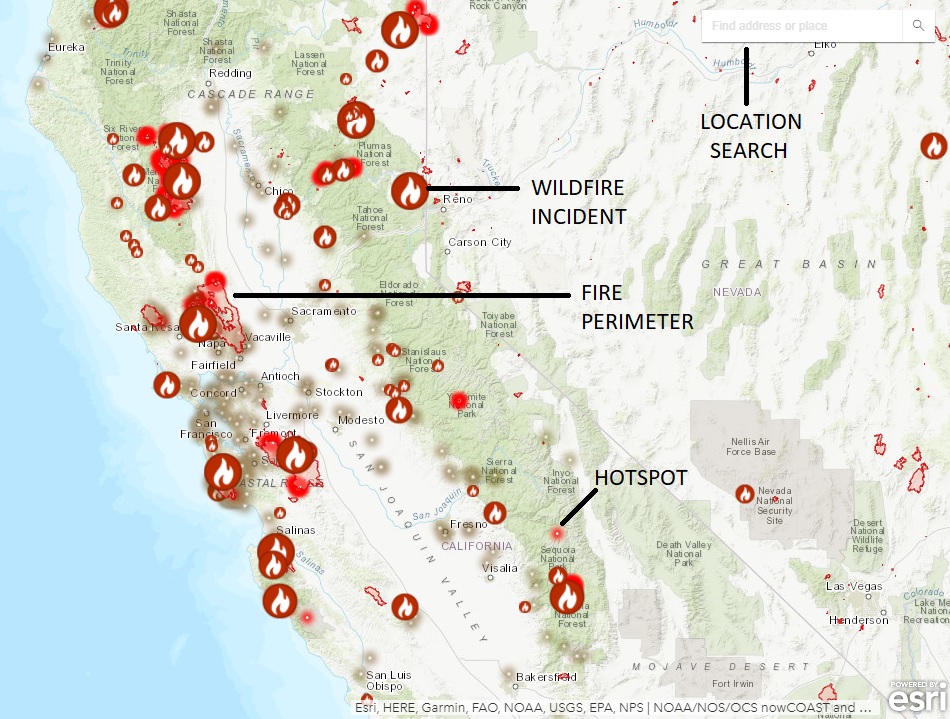
For those planning a visit to a Colorado landmark, staying informed about current fire conditions is essential. Many agencies provide real-time mapping and reporting of active wildfires. Websites and apps offering such information allow individuals to assess potential risks and make informed decisions about their travel plans. This data is not just for immediate safety; it also contributes to the long-term understanding of fire patterns and their impact on the landscape.
Weather and Fuel Conditions
The number and intensity of fires in Colorado are heavily influenced by weather patterns and fuel conditions. Drought, high temperatures, and strong winds create ideal conditions for ignition and rapid spread. The availability of dry vegetation – the “fuel” – is also a critical factor. Understanding these elements helps contextualize the fire situation at any given time and highlights the vulnerability of certain landmarks. For example, areas prone to beetle kill, where millions of trees have died, represent significant fuel loads that increase fire risk.
The Impact of Wildfires on Colorado’s Landmarks

Wildfires have a profound and multifaceted impact on the natural landmarks that define Colorado. While the immediate devastation can be stark, the long-term effects are equally significant and often shape how these places are experienced.
Altering the Landscape
The most visible impact of a wildfire is the physical alteration of the landscape. Charred trees, blackened earth, and smoke-filled skies are immediate reminders of the fire’s power. This can drastically change the aesthetic appeal of a landmark, transforming lush forests into stark, skeletal remains. However, this transformation is often temporary, with nature gradually reclaiming the land.
Ecological Consequences
Beyond the visual impact, wildfires trigger a cascade of ecological consequences.
Wildlife Displacement and Habitat Loss
Animals are forced to flee the flames, leading to displacement and, in some cases, habitat loss. While some species are adapted to fire, others, particularly those with limited mobility, can be directly affected. The long-term health of wildlife populations within and around impacted landmarks depends on the ability of the ecosystem to recover and regenerate.
Soil Erosion and Water Quality
In steep mountainous terrain, the removal of vegetation by fire can lead to increased soil erosion, especially during heavy rainfall events. This can impact the water quality of rivers and streams that flow from these areas, affecting downstream ecosystems and human water supplies. The delicate balance of watershed health, crucial for many of Colorado’s natural attractions, can be disrupted.
Accessibility and Visitor Experience
Wildfires directly impact the accessibility of Colorado’s landmarks. Road closures, trail closures, and the evacuation of popular areas like Aspen or areas near Denver are common. The presence of smoke can also diminish the visitor experience, obscuring scenic views and posing health risks. Planning a trip to a landmark requires checking current conditions to understand potential disruptions.
Preserving and Experiencing Colorado’s Natural Wonders in a Fire-Prone Environment
While the question of “how many fires” is a statistical one, the implications for experiencing Colorado’s landmarks are deeply personal and require thoughtful engagement. Understanding the role of fire and the efforts to manage it allows visitors to appreciate these places more fully.
Responsible Visitation and Preparedness
When visiting Colorado’s natural landmarks, especially during fire season, responsible behavior is paramount.
Fire Restrictions and Safety Guidelines
Adhering to fire restrictions is non-negotiable. This includes obeying all posted signs regarding campfires, smoking, and the use of off-road vehicles. Being aware of current weather conditions and fire danger levels is crucial. Visitors should always have a plan for evacuation in case of an emergency.
“Leave No Trace” Principles
Practicing “Leave No Trace” principles minimizes human impact on the environment, which can indirectly help reduce fire risk. This includes properly disposing of all waste, including cigarette butts, and being mindful of where and how campfires are built, if permitted.
The Resilience of Nature
Despite the destructive potential of wildfires, Colorado’s natural landmarks are remarkably resilient. The recovery process, though sometimes slow, is a testament to the enduring power of nature. Witnessing this recovery can be a profound experience in itself, offering a different perspective on the dynamic forces shaping these iconic places. Areas that have burned can become vibrant with new growth, showcasing the cyclical nature of these ecosystems.

Contributing to Conservation Efforts
Supporting organizations dedicated to wildfire prevention, forest health, and land conservation in Colorado is a tangible way to help protect these landmarks for future generations. Many parks and national forests rely on volunteer efforts and donations to maintain trails, conduct restoration projects, and educate the public about fire safety. Understanding the challenges posed by wildfires deepens our appreciation for the ongoing work required to preserve these natural treasures. The question of “how many fires” ultimately leads to a greater understanding of the delicate balance and constant stewardship required to maintain the breathtaking beauty of Colorado’s landmarks.
LifeOutOfTheBox is a participant in the Amazon Services LLC Associates Program, an affiliate advertising program designed to provide a means for sites to earn advertising fees by advertising and linking to Amazon.com. Amazon, the Amazon logo, AmazonSupply, and the AmazonSupply logo are trademarks of Amazon.com, Inc. or its affiliates. As an Amazon Associate we earn affiliate commissions from qualifying purchases.