
Understanding the Majestic Moose Population of Colorado
The allure of the American West is often painted with broad strokes of sweeping plains, rugged mountains, and iconic wildlife. Among the most magnificent creatures to roam the Centennial State, the moose stands out. These gentle giants, with their impressive racks and stoic presence, are a significant draw for nature enthusiasts and wildlife photographers alike. However, a question that frequently arises among visitors and residents is, “How many moose are actually in Colorado?” The answer is not a simple number, but rather a dynamic estimate shaped by ongoing research, habitat conditions, and conservation efforts.
Historical Presence and Reintroduction
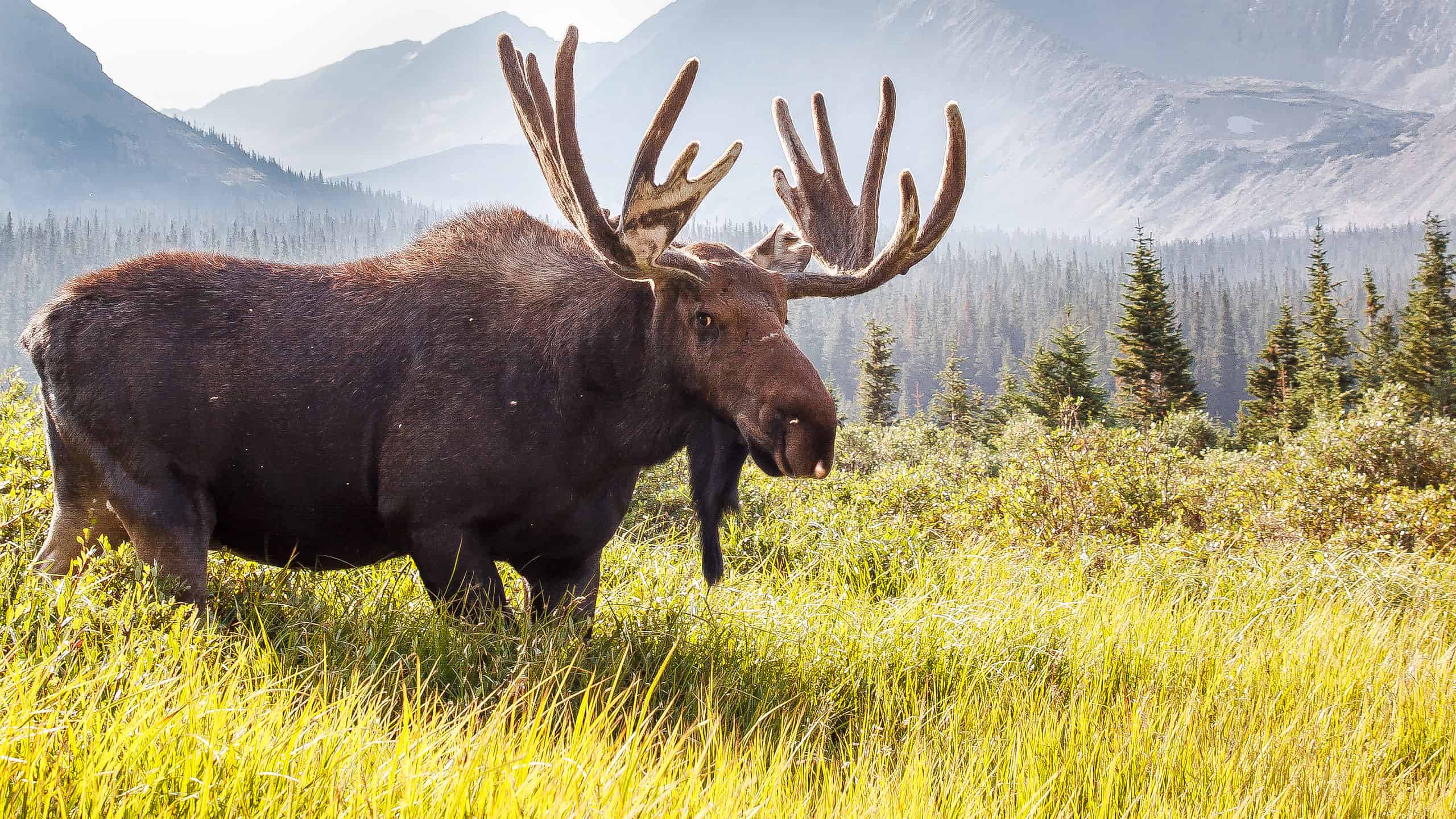
The presence of moose in Colorado is a testament to successful wildlife management and natural expansion. Historically, moose were not native to the Southern Rocky Mountains region. Their traditional range was further north. However, a pivotal moment occurred in 1978 when the Colorado Division of Wildlife (now Colorado Parks and Wildlife) initiated a reintroduction program. This ambitious project involved capturing and relocating 12 moose from Alaska to the North Park area, specifically near Walden. These initial transplants were chosen for their adaptability and the perceived suitability of the North Park ecosystem, characterized by its abundant willow and aspen stands, crucial food sources for moose.
The success of this initial reintroduction was remarkable. The relocated moose found the habitat favorable, and over the ensuing decades, their population began to grow. This growth was a result of successful breeding seasons and a relative lack of natural predators that could significantly impact adult moose numbers. Furthermore, natural migration from Wyoming, where moose populations were more established, also contributed to the increasing presence of moose in northern Colorado. The reintroduction program laid the groundwork for what has become a thriving, albeit still carefully monitored, moose population.
Estimating Colorado’s Moose Numbers: Challenges and Methods
Determining the precise number of moose in any wild population is inherently challenging. Moose are solitary animals, often found in vast and rugged terrain that makes direct counting impractical. Furthermore, their camouflage and tendency to inhabit dense forests and wetlands mean they can easily elude observation. Despite these difficulties, Colorado Parks and Wildlife employs several sophisticated methods to estimate their numbers and monitor their health.
Population Survey Techniques
Wildlife biologists utilize a combination of techniques to gauge moose populations. Aerial surveys are a cornerstone of these efforts. Conducted during winter months when snow cover makes moose more visible against the landscape, these surveys involve aircraft flying predetermined transects across known moose habitats. Observers on board meticulously count every moose sighted, noting their sex, age class, and location. While effective for identifying larger numbers of animals, aerial surveys can miss individuals hidden in dense cover or those that have moved out of the survey areas.
Ground surveys also play a crucial role. These involve teams of researchers venturing into prime moose territories, often on foot or snowmobile, to locate and count animals. This method allows for more detailed observations, including the condition of individual animals, signs of disease, and evidence of successful reproduction, such as calves. Researchers also analyze habitat use patterns, looking for browse signs (areas where moose have eaten vegetation) and scat to infer population density in specific areas.
Genetic and Remote Sensing Data
In recent years, advancements in technology have augmented traditional survey methods. Genetic analysis, using samples collected from hair snares or scat, can help identify individual moose and track their movements and genetic diversity across different regions of Colorado. This data provides valuable insights into population connectivity and potential bottlenecks.
Remote sensing technologies, such as satellite imagery and drone surveillance, are also being explored. These tools can help map suitable moose habitat, monitor vegetation health, and potentially even detect large animals from above, complementing aerial surveys and offering new perspectives on population distribution. The combination of these varied approaches allows wildlife managers to develop a more comprehensive understanding of the moose population trends in Colorado.
Where to Spot Moose in Colorado: Prime Locations and Tips
For many visitors to Colorado, the ultimate wildlife encounter is spotting a moose. While their population is spread across the state, certain regions offer a higher probability of sightings, particularly during specific times of the year. Understanding these prime locations and employing respectful viewing practices can greatly enhance the experience.
Key Moose Habitat Zones
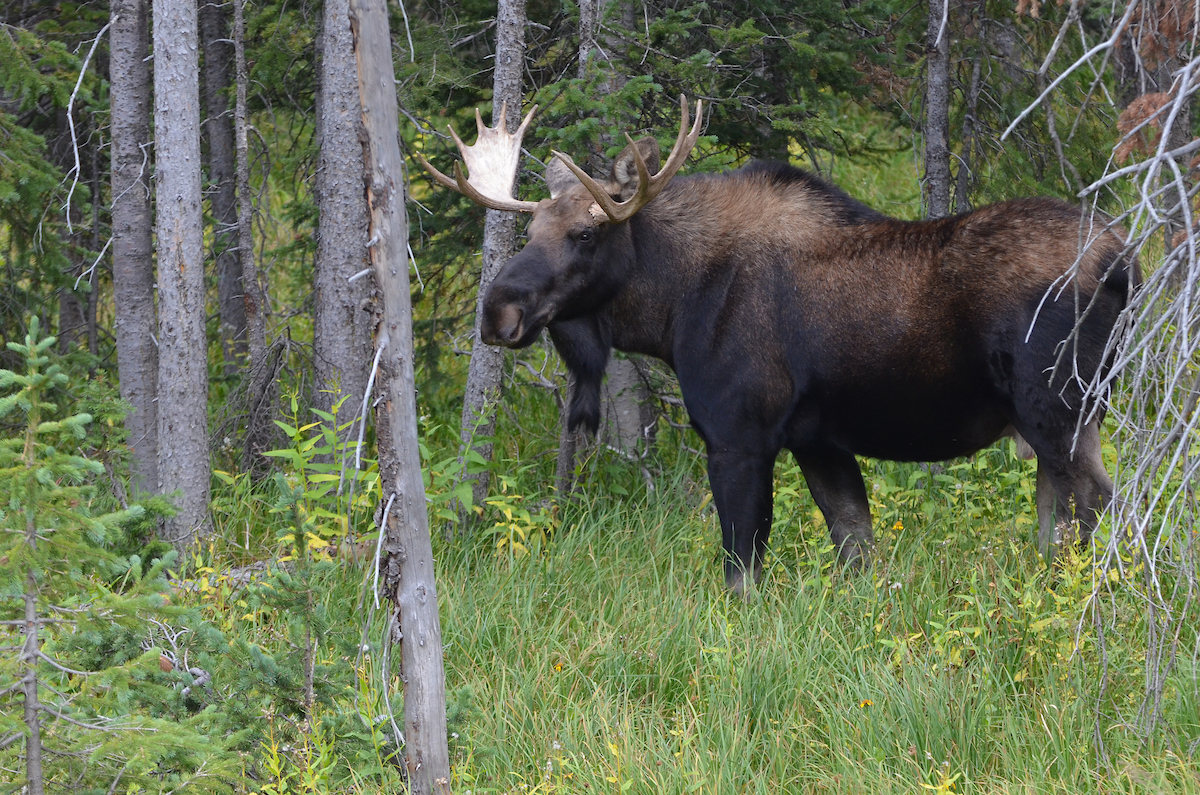
The areas most renowned for moose sightings in Colorado are typically characterized by vast, undeveloped landscapes with abundant riparian vegetation and wetlands. These are the favored feeding grounds for moose, providing the willow, aspen, and aquatic plants they thrive on.
- North Park: As the historical site of the reintroduction program, North Park remains a stronghold for moose. The extensive meadows, river systems (like the North Platte River), and surrounding forests provide an ideal environment. Towns like Walden serve as gateways to this region, and driving along county roads or venturing into designated wildlife viewing areas can yield sightings.
- Gunnison National Forest: The Gunnison National Forest, particularly the areas around Crested Butte and Gunnison, is another significant moose habitat. The high-altitude meadows and willow flats are particularly attractive to these animals. Exploring trails that traverse these riparian zones, especially in the early morning or late evening, can be fruitful.
- Routt National Forest: Areas surrounding Steamboat Springs, within the Routt National Forest, also support a healthy moose population. The diverse terrain, from montane forests to alpine meadows, offers varied foraging opportunities.
- San Juan Mountains: While perhaps less widely known for moose compared to the northern regions, pockets of moose can be found in the San Juan Mountains, especially in areas with suitable riparian corridors and wetlands.
- Rocky Mountain National Park: While direct sightings within the most heavily trafficked areas of Rocky Mountain National Park might be less common, moose do inhabit some of the park’s more remote valleys and wetlands. Areas like the Kawuneeche Valley on the park’s west side can offer opportunities.
Best Times and Viewing Etiquette
Moose are most active during the dawn and dusk hours, making these the optimal times for viewing. During the heat of the day, they often retreat into the shade of dense forests or the cool waters of wetlands to escape the sun and avoid insects.
When venturing out to find moose, it is paramount to practice responsible wildlife viewing.
- Maintain a Safe Distance: Moose are large and powerful animals, and while generally not aggressive, they can become agitated if they feel threatened, especially cows with calves or bulls during the rutting season (fall). Always maintain a considerable distance and never attempt to approach or feed them. Binoculars or a telephoto lens are essential for getting a closer look without disturbing the animals.
- Stay on Trails: When hiking, stick to designated trails to minimize your impact on their habitat and avoid surprising them.
- Keep Pets Controlled: If you have a dog, ensure it is leashed at all times. Off-leash dogs can provoke wildlife and put both your pet and the animals at risk.
- Observe Quietly: Avoid loud noises or sudden movements that could startle moose.
- Do Not Feed: Feeding wildlife can have severe negative consequences for their health and behavior, leading to dependency and increased human-wildlife conflict.
By understanding where to look and how to observe respectfully, visitors can significantly increase their chances of a memorable moose encounter in Colorado.
Conservation and the Future of Colorado’s Moose
The story of moose in Colorado is a compelling example of how targeted conservation efforts can bring a species back from the brink and establish a thriving population. However, ensuring the long-term health and sustainability of this population requires ongoing vigilance and adaptive management strategies.
Challenges and Threats
Despite their successful reintroduction, Colorado’s moose face several challenges. Habitat fragmentation due to human development, including roads and infrastructure, can disrupt migration corridors and fragment essential feeding grounds. Climate change poses a significant threat, altering vegetation patterns and potentially impacting the availability of food sources, especially during drier periods.
Parasites and diseases, such as brainworm, can also pose a risk, particularly if moose populations become too concentrated or come into closer contact with other ungulates that carry these pathogens. Predation, while generally not a primary driver of population decline for adult moose, can affect calf survival rates, especially in areas with high densities of cougars or bears.

Colorado Parks and Wildlife’s Role
Colorado Parks and Wildlife (CPW) plays a critical role in managing and protecting the state’s moose population. Their efforts are multi-faceted:
- Continued Monitoring: Regular population surveys and health assessments are crucial for understanding trends, identifying potential issues, and informing management decisions.
- Habitat Protection and Restoration: CPW works to identify and protect critical moose habitats, advocating for land use practices that minimize impact and supporting projects that restore degraded riparian areas.
- Research: Ongoing research into moose behavior, diet, disease prevalence, and genetic diversity helps CPW develop more effective conservation strategies.
- Public Education: Educating the public about moose biology, behavior, and the importance of responsible viewing practices is vital for fostering a coexistence that benefits both humans and wildlife.
- Collaboration: CPW collaborates with federal agencies, private landowners, and other stakeholders to ensure a coordinated approach to moose conservation across the state.
The future of moose in Colorado depends on a continued commitment to scientific research, habitat preservation, and responsible human stewardship. As the population continues to grow and expand its range, the presence of these magnificent animals will undoubtedly remain a cherished aspect of the state’s wild heritage, a testament to successful conservation and the enduring power of nature.
LifeOutOfTheBox is a participant in the Amazon Services LLC Associates Program, an affiliate advertising program designed to provide a means for sites to earn advertising fees by advertising and linking to Amazon.com. Amazon, the Amazon logo, AmazonSupply, and the AmazonSupply logo are trademarks of Amazon.com, Inc. or its affiliates. As an Amazon Associate we earn affiliate commissions from qualifying purchases.