
The question of how many prisons exist within the state of Colorado might seem unusual for a travel or tourism-focused publication. However, understanding the landscape of a region can encompass a broader perspective, even touching upon institutions that are not typical tourist destinations. While prisons are not on the itinerary for most travelers, their presence and distribution are part of the state’s geographical and societal fabric. For those interested in the comprehensive overview of Colorado, examining its correctional facilities offers a unique, albeit somber, facet of its infrastructure. This exploration delves into the types of correctional facilities, their general locations, and what this signifies about the state’s approach to incarceration, without venturing into the realm of tourist attractions or accommodations.

Colorado’s Correctional System: An Overview
The Colorado Department of Corrections (CDOC) oversees the state’s correctional institutions. This department is responsible for the management and operation of all state-level prisons, community corrections facilities, and parole supervision. Understanding the scale of this operation provides context for the number of facilities. The CDOC’s mission, as stated, is to protect the public by operating secure and safe facilities, providing effective offender reentry programs, and supporting victims.
State-Operated Facilities
The majority of correctional institutions within Colorado are operated directly by the state. These facilities house individuals who have been convicted of felony offenses and sentenced to terms of incarceration exceeding one year. The CDOC manages a diverse range of security levels, from maximum security to minimum security, catering to the different needs and risks associated with the inmate population. The number of these state-operated prisons is a key component when answering the primary question.
Federal and Local Facilities
It is important to distinguish between state-operated prisons and those run by the federal government or local county sheriffs. While this article focuses on state prisons, the broader correctional landscape in Colorado also includes federal penitentiaries that house individuals convicted of federal crimes, and county jails which hold individuals awaiting trial or serving shorter sentences. For the purpose of this discussion, the focus remains on the facilities under the direct jurisdiction of the Colorado Department of Corrections.
Counting the Facilities: A Numerical Perspective
Pinpointing an exact, static number of prisons in Colorado can be nuanced due to various factors, including operational changes, facility closures, or the opening of new institutions. However, based on the operational framework of the Colorado Department of Corrections, there are a significant number of state-run correctional facilities across the state.
State Correctional Institutions
As of recent public records and operational data, the Colorado Department of Corrections manages a portfolio of correctional facilities. These institutions vary in size, capacity, and the security classifications they house. The total count of these state-run prisons represents the core answer to the article’s title. While specific numbers can fluctuate, generally, the CDOC operates around a dozen major correctional facilities. These facilities are strategically located throughout the state, often in more rural areas, to manage resources and security effectively.
Security Levels and Facility Types

The CDOC categorizes its facilities based on the security level required to manage the inmate population. This classification system includes:
- Maximum Security: These facilities are designed to house individuals with the highest security needs, featuring extensive perimeter security, armed patrols, and strict control over inmate movement. Examples often include facilities designed for long-term segregation or housing individuals with a history of violence.
- Close Security: Similar to maximum security but may have slightly less stringent controls, still designed for dangerous individuals requiring close supervision.
- Medium Security: These facilities balance security with more opportunities for inmate programming and rehabilitation. They typically have secure perimeters but may allow more inmate movement within the facility.
- Minimum Security: These facilities house individuals who pose a lower risk and have demonstrated good behavior. They often have less restrictive security measures and may be involved in work programs outside the facility.
The distribution of these security levels across the state’s prison count contributes to the overall correctional infrastructure.
Community Corrections
Beyond the traditional prison walls, the CDOC also manages a network of community corrections facilities. These centers are crucial for offender reentry and rehabilitation, providing a structured environment for individuals transitioning back into society. While not prisons in the same sense as maximum-security institutions, they are part of the state’s correctional system and house individuals under CDOC supervision. Their inclusion, or exclusion from a simple count, depends on the precise definition of “prison” being used. For the purposes of this discussion, we are primarily referring to the traditional incarceration facilities.
Geographical Distribution and Operational Significance
The location of correctional facilities in Colorado is often dictated by factors such as land availability, proximity to transportation networks, and sometimes, historical development. Many of these institutions are situated in counties that may not be primary tourist hubs, reflecting their operational rather than public-facing nature.
Regions and Facility Placement
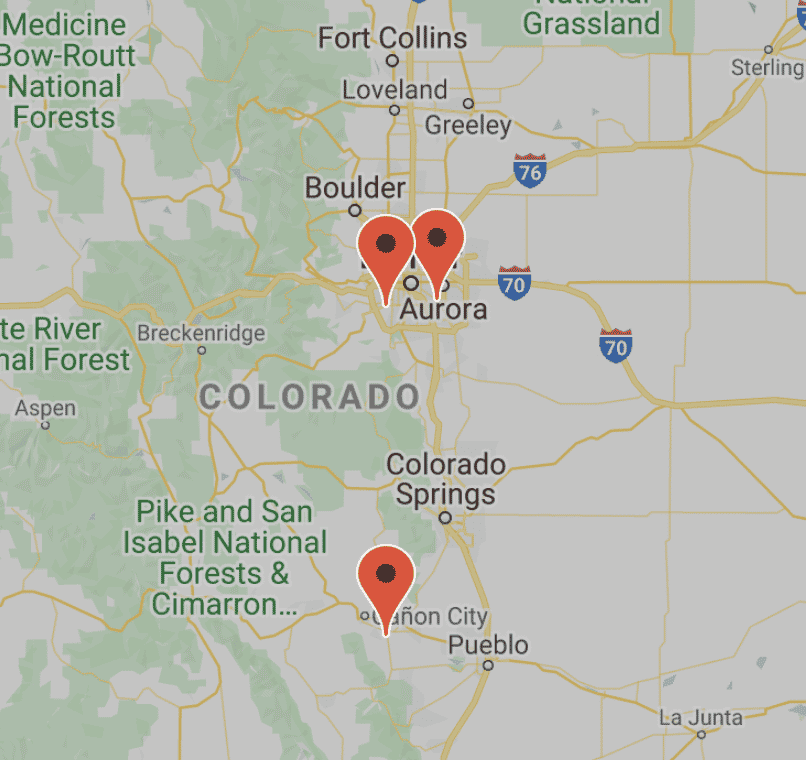
The state’s correctional institutions are spread across different geographical regions. For instance, some are located in the southeastern plains, while others can be found in the western parts of the state. This distribution ensures a statewide presence for the correctional system, allowing for the management of offenders from various parts of Colorado. Understanding this geographical spread helps paint a fuller picture of the state’s infrastructure.
Impact on Local Communities
While not a destination for leisure, the presence of large correctional facilities can have a significant economic impact on the local communities where they are situated. They provide employment opportunities and can be a substantial part of the local economy. This aspect, though not directly related to tourism, is an important consideration when discussing the state’s institutional landscape.
Conclusion: A Statistical Snapshot
In summary, the exact number of state-run prisons in Colorado is best understood through the operational framework of the Colorado Department of Corrections. Generally, the state manages a set of correctional institutions that cater to various security levels. This count typically hovers around a dozen primary state correctional facilities, supplemented by a network of community corrections centers. This statistical overview, while not a typical feature of travel guides, offers a factual insight into the operational components of the state, providing a complete, albeit non-touristic, understanding of its infrastructure. The focus remains on the sheer number and distribution of these facilities as part of the state’s overall framework, distinct from any elements of tourism or accommodation.
LifeOutOfTheBox is a participant in the Amazon Services LLC Associates Program, an affiliate advertising program designed to provide a means for sites to earn advertising fees by advertising and linking to Amazon.com. Amazon, the Amazon logo, AmazonSupply, and the AmazonSupply logo are trademarks of Amazon.com, Inc. or its affiliates. As an Amazon Associate we earn affiliate commissions from qualifying purchases.