
The Chevrolet Colorado, a stalwart in the mid-size pickup truck segment, has carved out a reputation for offering a compelling blend of capability, comfort, and value. For many prospective buyers, especially those with adventurous spirits or practical hauling needs, the question of “How much can a Chevrolet Colorado tow?” is paramount. This capability is not a singular figure but rather a spectrum influenced by crucial factors like engine choice, drivetrain configuration, and specific equipment packages. Understanding these variables is key to unlocking the full potential of this versatile truck and ensuring it aligns with your towing aspirations, whether for weekend excursions or more demanding vocational tasks.
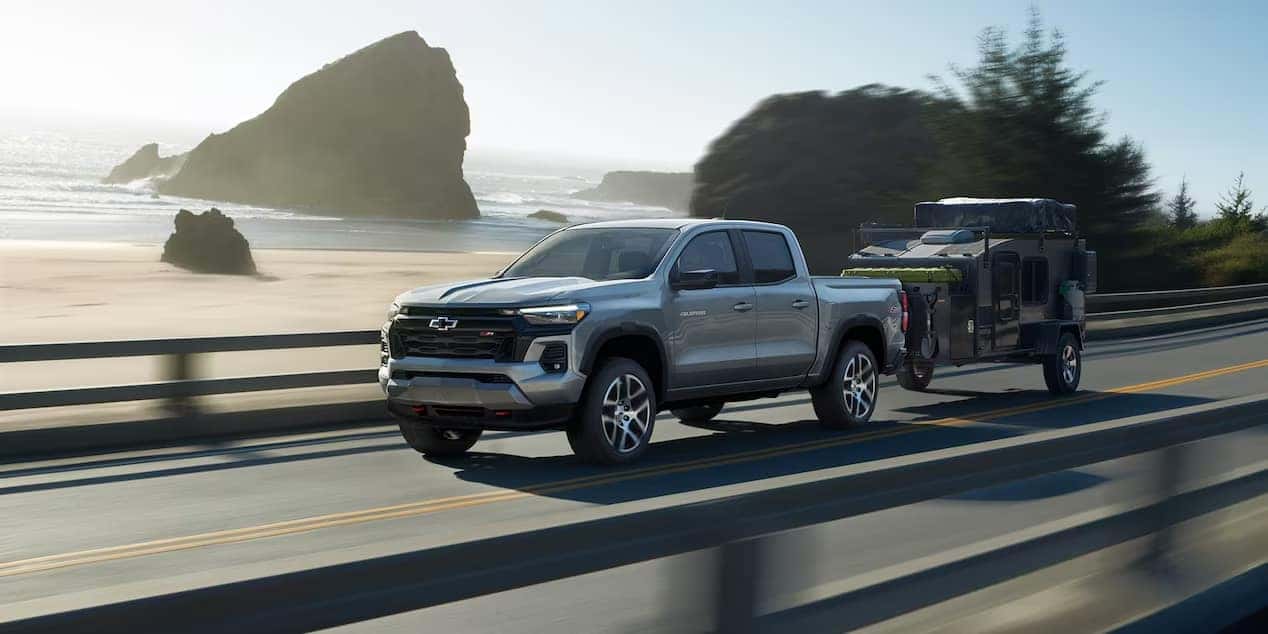
Unpacking the Towing Capacity Factors
The towing capacity of a Chevrolet Colorado is not a monolithic specification. Instead, it’s a carefully calculated figure derived from the synergy of several key components and configurations. To accurately determine how much you can tow, you must consider the following:
Engine Options: The Heart of the Towing Power
The engine is arguably the most significant determinant of a Chevrolet Colorado’s towing prowess. Chevrolet has historically offered a range of powertrains designed to meet diverse needs, each with its own distinct towing capabilities.
-
2.5L Four-Cylinder Engine: Typically found in the base models, this engine provides adequate power for daily driving and lighter towing tasks. While it offers good fuel efficiency, its towing capacity is generally the most modest of the available options. Expect this powertrain to be suitable for towing smaller utility trailers, jet skis, or lightweight recreational gear.
-
2.8L Duramax Turbo-Diesel Engine: This diesel powerhouse is a game-changer for the Chevrolet Colorado when it comes to towing. With its substantial torque output, the Duramax diesel significantly boosts the truck’s towing capacity. It excels at pulling heavier loads, making it a strong contender for those needing to tow small campers, enclosed trailers, or multiple ATVs. The diesel’s inherent efficiency also makes it an attractive option for long-haul towing.
-
3.6L V6 Engine: Offering a balance between the efficiency of the four-cylinder and the torque of the diesel, the V6 engine provides a robust towing experience. It’s a popular choice for those who want more power than the base engine but may not require the extreme towing capabilities of the diesel. This engine is well-suited for towing medium-sized boats, pop-up campers, and general-purpose trailers for home improvement projects.
Drivetrain: Rear-Wheel Drive vs. Four-Wheel Drive
The choice between rear-wheel drive (RWD) and four-wheel drive (4WD) on your Chevrolet Colorado also plays a role in its towing capacity. While the difference might not be drastic for all configurations, 4WD systems often add a slight advantage for certain types of towing, particularly when dealing with varied terrain or launching/retrieving watercraft. However, for pure straight-line towing on paved surfaces, the drivetrain’s impact on maximum capacity is usually less pronounced than engine choice.
Towing Packages and Trailering Equipment
Beyond the core components, specific towing packages and optional equipment can unlock the maximum towing potential of the Chevrolet Colorado. These often include:
- Hitch Receiver: A properly rated hitch receiver is essential for securely attaching your trailer.
- Trailer Brake Controller: This integrated system allows for smoother, more controlled braking of the trailer by synchronizing the trailer’s brakes with the truck’s brakes.
- Upgraded Cooling Systems: For heavier towing, enhanced engine and transmission cooling systems are vital to prevent overheating and maintain optimal performance.
- Specific Axle Ratios: Different axle ratios can be specified to optimize for either towing power or fuel efficiency. A higher numerical axle ratio generally provides more pulling power at lower speeds.
It is crucial to consult the specific vehicle’s window sticker or Chevrolet documentation to confirm the presence and specifications of these packages.
Understanding the Towing Spectrum: Capacities by Configuration
To provide a clearer picture, let’s examine the general towing capacities associated with different Chevrolet Colorado configurations. Please note that these are approximate figures and can vary slightly based on the model year and specific trim level. Always refer to the owner’s manual and the vehicle’s safety compliance certification label for the exact towing capacity of your specific truck.
Base Engine Configurations (2.5L Four-Cylinder)
When equipped with the 2.5L four-cylinder engine, the Chevrolet Colorado is best suited for lighter towing duties.
- Estimated Maximum Towing Capacity: Typically ranges from 3,500 to 4,000 pounds.
This capacity is sufficient for towing small trailers carrying personal items, lightweight equipment, a couple of jet skis, or a small utility trailer for errands around town. It’s important to remember that this figure represents the maximum allowable weight of the trailer and its contents, including the tongue weight.
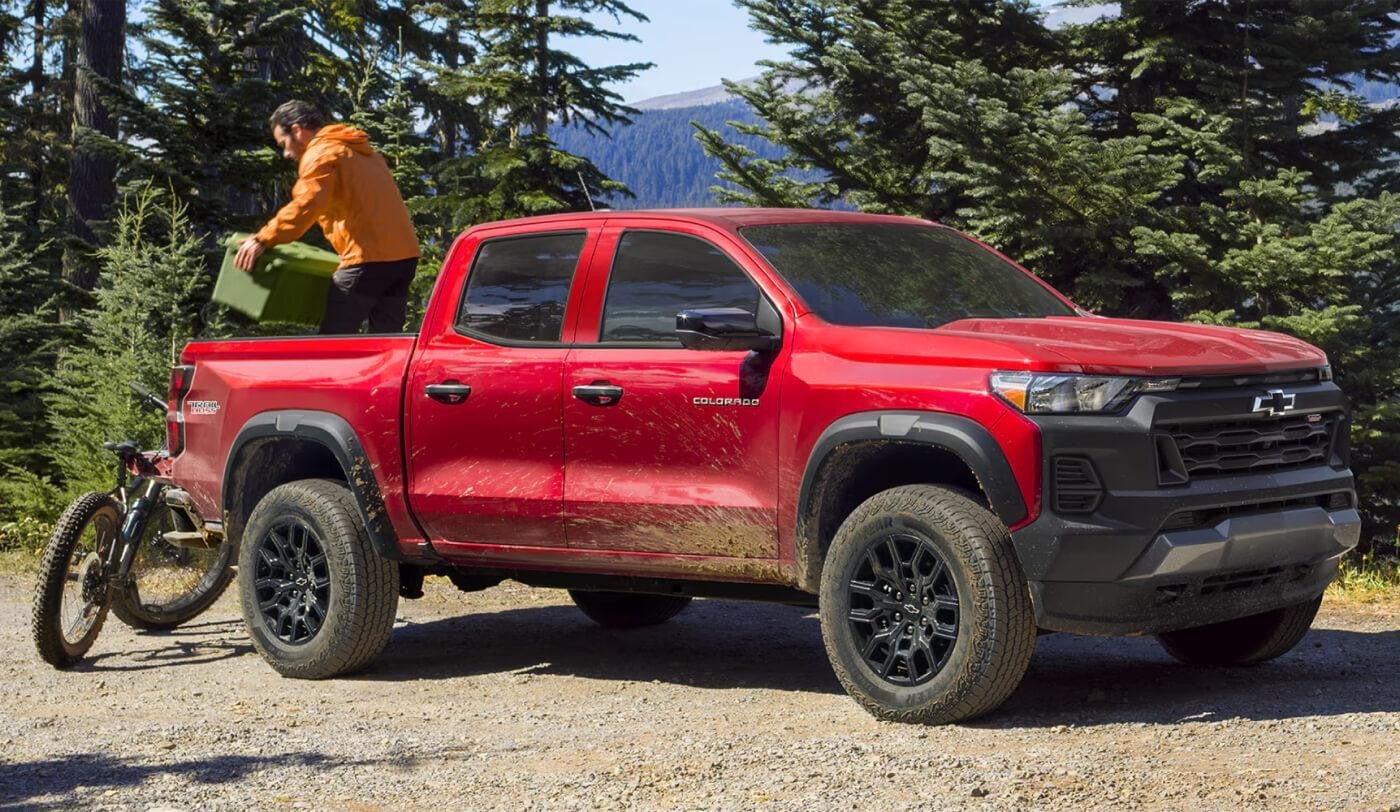
V6 Engine Configurations (3.6L V6)
The introduction of the 3.6L V6 engine significantly increases the towing capabilities of the Chevrolet Colorado, making it a more versatile option for recreational towing and light-duty hauling.
- Estimated Maximum Towing Capacity: Generally falls within the range of 7,000 to 7,700 pounds.
This increased capacity allows owners to tow a wider variety of items, including medium-sized boats (like a bass boat or a small runabout), travel trailers, enclosed cargo trailers for hobbies or small businesses, and larger utility trailers loaded with landscaping materials or construction supplies. This engine provides a good balance of power for towing without sacrificing too much in terms of everyday drivability.
Duramax Diesel Engine Configurations (2.8L Duramax Turbo-Diesel)
The 2.8L Duramax turbo-diesel engine is the king of towing in the Chevrolet Colorado lineup. Its abundant torque and robust construction are specifically engineered to handle substantial towing demands.
- Estimated Maximum Towing Capacity: Commonly rated at 7,700 pounds.
With this impressive capacity, the Duramax diesel Chevrolet Colorado can confidently tow larger boats, heavier campers (including many travel trailers and some smaller fifth-wheel trailers, though fifth-wheel towing is less common in this class), enclosed car haulers, and substantial equipment trailers. The diesel’s efficiency also means that these heavier loads can be towed with greater fuel economy compared to a gasoline engine of similar capability.
Crucial Considerations Beyond Maximum Capacity
While the maximum towing capacity is a vital number, responsible towing involves understanding several other critical metrics and practices to ensure safety and longevity for both your truck and your trailer.
Tongue Weight
Tongue weight is the downward force exerted by the trailer’s coupler on the hitch ball. It’s a critical safety factor because it directly impacts the steering and braking stability of the tow vehicle. A general rule of thumb is that tongue weight should be between 10% and 15% of the total trailer weight. A Chevrolet Colorado with a 7,700-pound towing capacity will also have a corresponding maximum tongue weight, typically around 770 pounds (10% of 7,700 lbs). Exceeding this can lead to trailer sway, loss of control, and dangerous driving conditions.
Gross Vehicle Weight Rating (GVWR)
The GVWR of your Chevrolet Colorado is the maximum allowable total weight of the truck itself, including its own weight, passengers, cargo, and the tongue weight of any trailer. You must ensure that the combined weight of your fully loaded truck and trailer does not exceed the truck’s GVWR. Overloading can strain the suspension, brakes, and drivetrain, leading to premature wear and potential component failure.
Gross Combined Weight Rating (GCWR)
The GCWR is the maximum allowable total weight of the fully loaded Chevrolet Colorado and its fully loaded trailer combined. This figure accounts for the total mass the powertrain must move. For example, if a Colorado has a GCWR of 12,000 pounds and the truck itself weighs 5,000 pounds when loaded, its maximum towing capacity would be 7,000 pounds (12,000 lbs – 5,000 lbs). It is imperative to stay within this limit to avoid overwhelming the engine and transmission.
Payload Capacity
Payload capacity refers to the maximum weight of passengers and cargo that can be carried inside the Chevrolet Colorado. This includes people, pets, tools, luggage, and any other items you place in the truck bed or cab. When towing, the tongue weight of the trailer counts towards your truck’s payload capacity. It’s essential to factor this in to avoid overloading the vehicle’s suspension and tires.
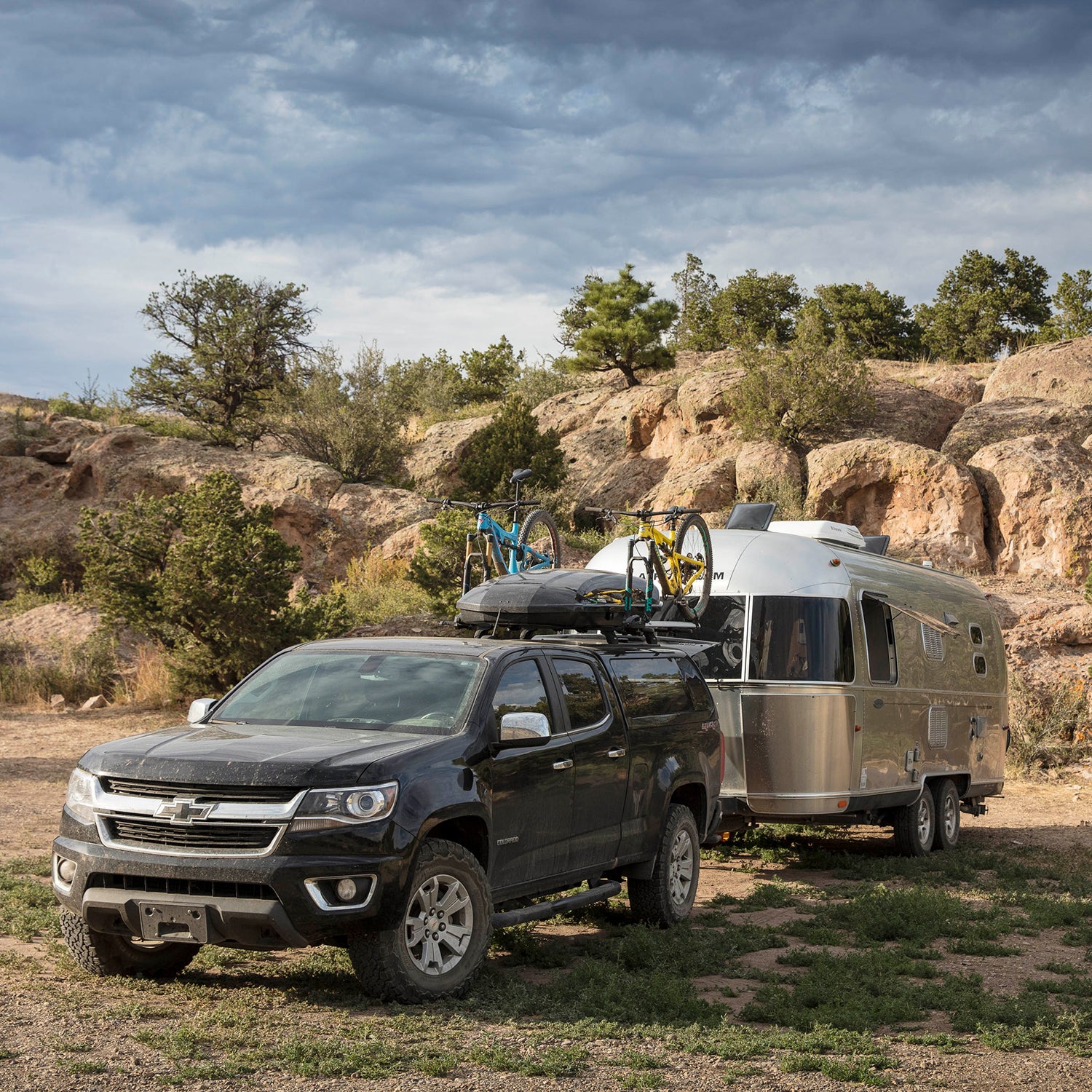
Towing with Confidence: Tips for Responsible Hauling
To maximize your towing experience with a Chevrolet Colorado and ensure the safety of yourself and others on the road, consider these essential tips:
- Know Your Trailer’s Weight: Always know the actual, loaded weight of your trailer. Weighing your trailer at a certified scale is the most accurate method.
- Proper Hitching: Ensure your trailer is hitched securely and correctly. Use a weight-distributing hitch for heavier loads to help balance the weight between the truck and trailer axles.
- Tire Pressure: Maintain the correct tire pressure for both your truck and trailer. Underinflated tires can affect handling and increase the risk of blowouts.
- Brake System Check: Regularly inspect and maintain your trailer’s braking system, especially if it’s equipped with electric or hydraulic brakes. Ensure your trailer brake controller is properly adjusted.
- Awareness of Surroundings: When towing, your vehicle’s length, width, and turning radius are significantly increased. Be extra mindful of your surroundings, especially when making turns, changing lanes, or parking. Allow ample space for braking.
- Pre-Trip Inspections: Before embarking on any trip, perform a thorough pre-trip inspection of your trailer and towing setup, including lights, tires, hitch, and safety chains.
- Drive Conservatively: Towing requires a more cautious driving style. Accelerate and brake gently, anticipate traffic flow, and avoid sudden maneuvers.
By thoroughly understanding the capabilities of the Chevrolet Colorado and adhering to best practices for safe towing, you can confidently embark on your next adventure, whether it’s a weekend escape to a scenic campground or a practical hauling task for your business or personal projects.
LifeOutOfTheBox is a participant in the Amazon Services LLC Associates Program, an affiliate advertising program designed to provide a means for sites to earn advertising fees by advertising and linking to Amazon.com. Amazon, the Amazon logo, AmazonSupply, and the AmazonSupply logo are trademarks of Amazon.com, Inc. or its affiliates. As an Amazon Associate we earn affiliate commissions from qualifying purchases.