
Understanding the various costs associated with vehicle ownership is a crucial aspect of budgeting for any traveler or resident in Colorado. While the price of gasoline, insurance, and maintenance are often top of mind, the often-overlooked cost of license plates can add up, especially for those new to the state or purchasing a new vehicle. This guide delves into the intricacies of Colorado license plate fees, exploring the factors that influence their price and what new and existing vehicle owners can expect to pay.
Understanding Colorado License Plate Fees
The cost of license plates in Colorado isn’t a single, fixed amount. Instead, it’s a dynamic figure influenced by several key variables. The primary components that determine the final price include the vehicle’s type, its weight, its age, and the specific county in which it is registered. Furthermore, certain optional plates and special services can incur additional charges.

Vehicle Type and Weight
The foundational cost of a license plate in Colorado is often tied to the gross vehicle weight rating (GVWR) and the vehicle’s classification. Passenger vehicles, such as sedans and SUVs, generally fall into lower weight categories and thus incur lower base registration fees compared to larger vehicles like trucks, RVs, or commercial vehicles. This is a common practice across many states, reflecting the potential for heavier vehicles to cause more wear and tear on public roadways.
For instance, a standard passenger car might have a significantly lower registration fee than a heavy-duty pickup truck or a motorhome. The Colorado Department of Revenue (CDOR) outlines specific weight classes and their corresponding fee structures, which are updated periodically. Understanding your vehicle’s GVWR, typically found on a sticker in the driver’s side doorjamb or in the owner’s manual, is essential for estimating these costs accurately.
Vehicle Age and Depreciation
Another significant factor influencing license plate costs is the age of the vehicle. Colorado employs a depreciation schedule for registration fees. This means that as a vehicle ages, its registration cost generally decreases. Newer vehicles, with their higher market value, will typically have higher initial registration fees than older, depreciated models.
The rationale behind this system is that a vehicle’s market value is often considered a proxy for its economic impact and, by extension, its contribution to tax revenue. As a vehicle depreciates, its perceived economic value diminishes, leading to lower registration fees. However, it’s important to note that there is usually a minimum registration fee that applies even to very old vehicles, ensuring a baseline contribution to road maintenance and infrastructure.
County-Specific Fees
Beyond the state-level calculations, local jurisdictions within Colorado can also impose additional fees or surcharges. These county-specific fees are often used to fund local road improvements, public transportation initiatives, or other transportation-related projects within that particular county.
When you register your vehicle, the fees collected will include these local surcharges, which can vary considerably from one county to another. For example, residents of more populous or rapidly developing counties might encounter slightly higher registration costs than those in less populated rural areas. It is therefore advisable to check with your local county motor vehicle office for the most precise fee information applicable to your specific location.
Optional Plates and Special Services
Colorado offers a wide array of specialized license plates beyond the standard issue. These include plates supporting various state parks, environmental causes, universities, professional organizations, and specialty interest groups. While these plates often serve a charitable or promotional purpose, they typically come with an additional fee on top of the standard registration cost.
These “specialty plates” or “personalized plates” allow vehicle owners to express their affiliations or support for causes they deem important. The extra cost can range from a few dollars to significantly more, depending on the complexity of the design and the organization it supports. For instance, a plate benefiting a particular national park or a specific animal conservation effort might carry a higher premium than a basic vanity plate.
Personalized plates, which allow owners to choose their own letter and number combinations, also incur an additional annual fee. This fee is for the privilege of having a unique plate that reflects the owner’s identity or preferences.
The Registration Process and Associated Costs
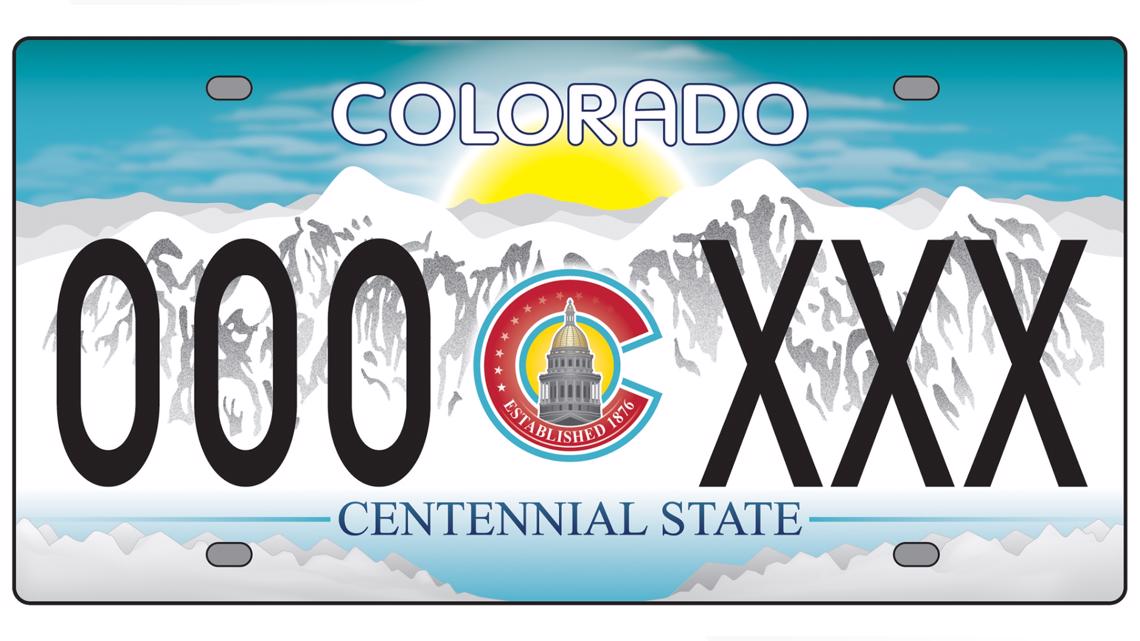
Registering a vehicle in Colorado involves more than just acquiring license plates; it’s a comprehensive process that includes titling, registration, and often emissions testing, all of which have associated costs.
Initial Registration for New Vehicles
When you purchase a new vehicle from a dealership, the initial registration process is typically handled by the dealer, who will charge you for the title, registration fees, and any applicable taxes and dealer fees. The costs will be based on the vehicle’s MSRP, its weight, and the applicable tax rate in your county. It is prudent to review these charges carefully to ensure accuracy.
Annual Registration Renewal
Once your vehicle is registered, you will receive a renewal notice annually (or biennially, depending on the vehicle type and county). This renewal notice will detail the exact cost for continuing your registration, which includes the state registration fee, county surcharges, and any applicable taxes. The renewal process can usually be completed online, by mail, or in person at a county motor vehicle office.
Emissions Testing Requirements
For most vehicles registered in the Front Range urban corridor, an emissions test is required every two years to ensure compliance with air quality standards. This test is conducted by private testing facilities and typically costs around $25 to $30. Vehicles that fail the emissions test must undergo repairs and retesting. Some newer vehicles and those registered outside the urban areas may be exempt from this requirement. The cost of the emissions test is an ancillary expense directly related to maintaining valid vehicle registration.
Title Fees
When you purchase a vehicle, you will need to obtain a title, which serves as proof of ownership. There is a fee associated with titling a vehicle in Colorado, which is generally a flat rate set by the state. This fee is separate from the registration fees and is paid at the time of initial registration or transfer of ownership.
Estimating Your Colorado License Plate Costs
While precise figures can only be obtained at the time of registration, it is possible to estimate the cost of Colorado license plates based on several factors.
Sample Scenarios
Let’s consider a few hypothetical scenarios to illustrate the potential costs:
- Scenario 1: New Passenger Car (e.g., Toyota Camry) in Denver County. A new passenger car will likely incur a higher initial registration fee due to its higher market value and depreciation schedule. Adding a specialty plate, such as one supporting the Colorado Rockies or a specific environmental cause, will add an extra annual charge. The emissions test would also be a recurring cost.
- Scenario 2: Used SUV (e.g., 5-year-old Honda CR-V) in Boulder County. An older SUV will benefit from depreciation, resulting in a lower base registration fee. If this vehicle is within the urban emissions corridor, it will still require periodic emissions testing.
- Scenario 3: New Pickup Truck (e.g., Ford F-150) in El Paso County. Pickup trucks often fall into higher weight classes than passenger cars, leading to potentially higher registration fees. The specific GVWR will be a critical factor. If registered outside the urban emissions corridor, it may be exempt from emissions testing.
Resources for Accurate Information
For the most accurate and up-to-date information regarding license plate costs in Colorado, it is recommended to consult the official website of the Colorado Department of Revenue, Motor Vehicle Division. Their website provides comprehensive fee schedules, explanations of the depreciation system, and information on specialty plate options. Additionally, contacting your local county motor vehicle office directly will provide specific details on local surcharges and the registration process in your area. Many counties also offer online tools or calculators to help estimate registration costs.

The Value Proposition of Colorado Plates
While license plate fees are a mandatory expense, it’s worth considering their contribution to the broader transportation infrastructure of Colorado. The funds generated from vehicle registration are vital for maintaining and improving the state’s extensive network of roads, highways, and bridges, as well as supporting public transit initiatives. For travelers exploring the scenic beauty of Rocky Mountain National Park or navigating the bustling streets of Denver, well-maintained infrastructure is a key component of a smooth and enjoyable journey. Understanding these costs empowers vehicle owners to budget effectively and appreciate the services these fees help to fund.
LifeOutOfTheBox is a participant in the Amazon Services LLC Associates Program, an affiliate advertising program designed to provide a means for sites to earn advertising fees by advertising and linking to Amazon.com. Amazon, the Amazon logo, AmazonSupply, and the AmazonSupply logo are trademarks of Amazon.com, Inc. or its affiliates. As an Amazon Associate we earn affiliate commissions from qualifying purchases.