
Navigating the landscape of unemployment benefits can seem daunting, especially in a state as diverse and dynamic as Colorado. Whether you’ve experienced a layoff, a reduction in hours, or are a gig worker facing unexpected income disruption, understanding how to access these vital financial resources is crucial. This guide is designed to demystify the process of claiming unemployment benefits in Colorado, offering a clear, step-by-step approach to ensure you receive the support you’re entitled to. From eligibility requirements to the application process and ongoing responsibilities, we’ll cover the essential information to empower you during this challenging period.
Understanding Eligibility for Unemployment Benefits in Colorado
Before embarking on the application journey, it’s essential to understand if you meet the fundamental eligibility criteria set forth by the Colorado Department of Labor and Employment (CDLE). These requirements are in place to ensure that benefits are distributed to those who have lost their jobs through no fault of their own and are actively seeking re-employment.
Qualifying Employment and Earnings
The cornerstone of unemployment benefit eligibility in Colorado revolves around your past employment and earnings. To qualify, you must have earned a minimum amount of wages during a specific period known as the “base period.”
The Base Period Explained
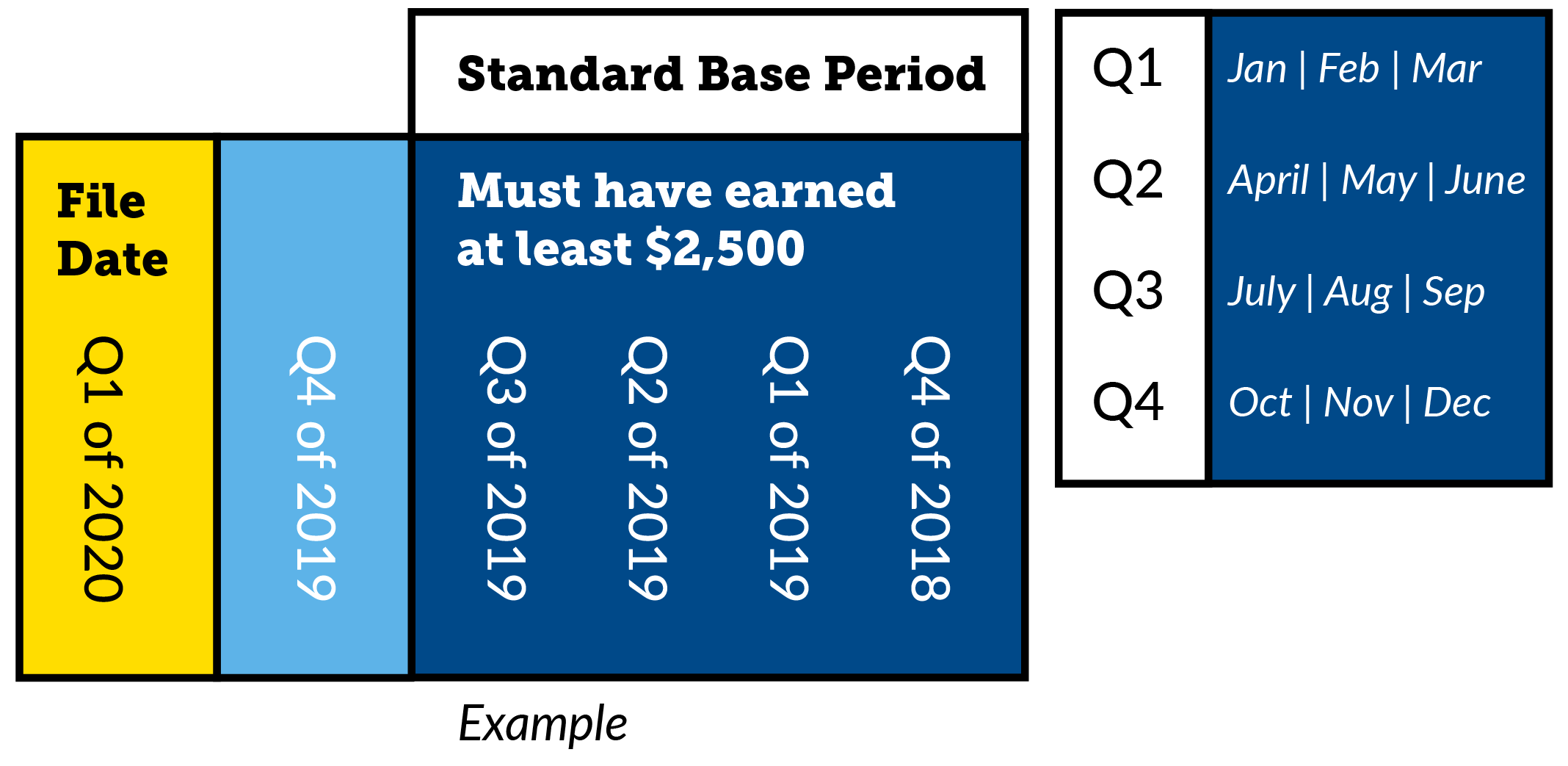
The base period is a 12-month span that the CDLE uses to calculate your potential benefit amount. It typically consists of the first four of the last five completed calendar quarters before you file your claim. For example, if you file a claim in January 2024, your base period would likely be from October 1, 2022, to September 30, 2023.
Minimum Wage Requirements
Within this base period, you must have earned a sufficient amount of wages. The exact figures can change, so it’s always advisable to check the latest guidelines on the CDLE website. Generally, you need to have earned wages in at least two calendar quarters of your base period, and your total earnings must meet a certain threshold. Additionally, you must have earned at least 1.5 times the average weekly wage in the highest-paid quarter of your base period.
Reasons for Separation from Employment
The circumstances under which you left your previous job are a significant factor in determining your eligibility.
No-Fault Separations
You are generally eligible if you lost your job through no fault of your own. This includes:
- Layoffs: Reductions in workforce due to economic conditions, company restructuring, or the elimination of your position.
- Employer Termination: If your employer terminated your employment without cause, such as for reasons unrelated to your job performance or misconduct.
Disqualifying Separations
Conversely, certain reasons for leaving employment can disqualify you from receiving benefits. These typically include:
- Voluntary Quit: Resigning from your job without good cause directly attributable to your employer. Good cause might include intolerable working conditions that you reported to your employer and they failed to rectify, or if you are relocating due to a spouse’s military transfer.
- Misconduct: Being terminated for actions that constitute willful or deliberate disregard of your employer’s interests, a violation of company policy, or failure to perform your duties, provided these actions were intentional and without good cause.
Availability and Actively Seeking Work
A critical ongoing requirement for receiving unemployment benefits is that you must be available for and actively seeking suitable work. This means you must:
- Be physically able to work: Unless you have a temporary disability that is documented and approved.
- Be available for work: You cannot refuse suitable work offers without good cause.
- Be actively searching for employment: This typically involves a minimum number of work search contacts per week, which can include applying for jobs, attending interviews, networking, or participating in job training programs. The CDLE may require you to document your work search activities.
The Application Process: A Step-by-Step Guide
Once you’ve confirmed your potential eligibility, the next step is to navigate the application process. The Colorado Department of Labor and Employment is the administering body, and most applications are handled online.
Gathering Necessary Information
Before you begin your application, ensure you have the following information readily available to streamline the process:
- Personal Information: Your full legal name, Social Security number, date of birth, and mailing address.
- Employment History:
- Names, addresses, and phone numbers of all employers for the past 18 months.
- Dates of employment with each employer.
- Reason for separation from each employer.
- Wages earned from each employer.
- Banking Information: Your bank account and routing numbers if you wish to receive benefits via direct deposit.
- Work Authorization: If you are not a U.S. citizen, you will need your Alien Registration Number and work authorization expiration date.
- Military Service: If you were in the military, you will need your DD Form 214.
- Federal Employment: If you were a federal employee, you will need SF-8 or SF-50.
Filing Your Initial Claim
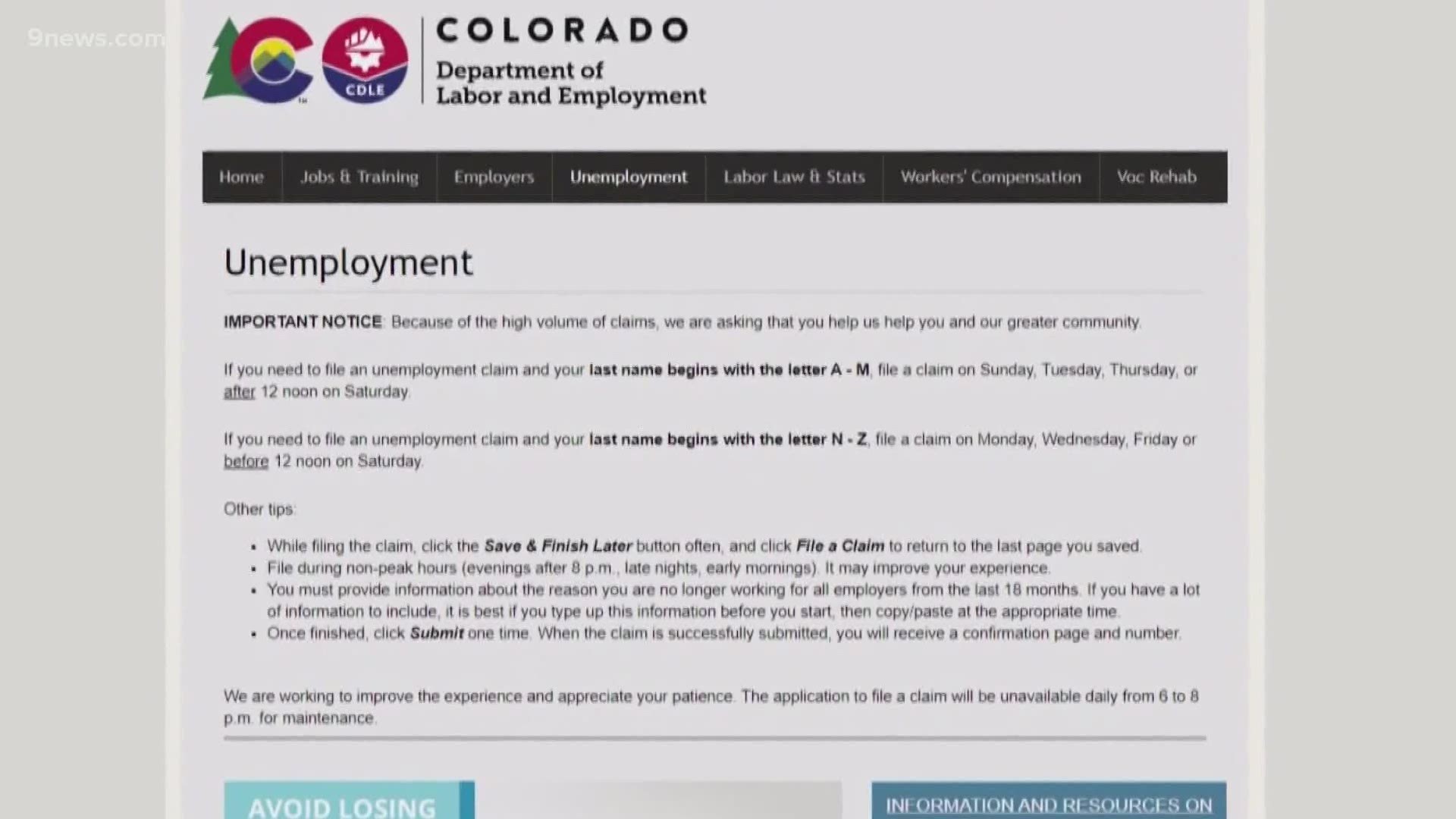
The most efficient way to file an initial claim is through the CDLE’s official website. Look for the section dedicated to Unemployment Insurance.
- Create an Account: You will likely need to create a secure online account on the CDLE portal. This account will be your primary point of contact for managing your claim.
- Complete the Application: Fill out the online application form completely and accurately. Any inaccuracies or omissions can delay the processing of your claim.
- Submit Your Claim: Once all information is entered, submit your application. You should receive a confirmation that your claim has been received.
What Happens After You File?
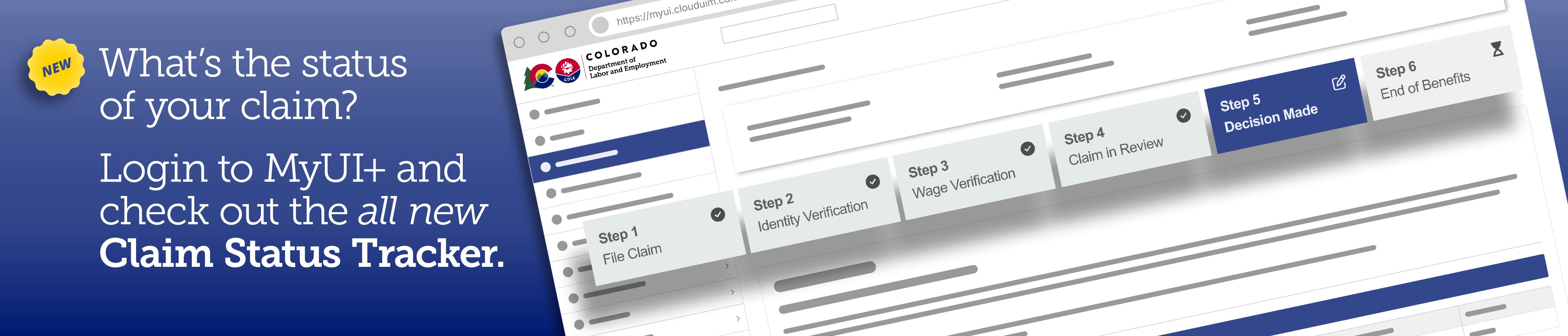
After submitting your claim, the CDLE will review your information to determine your eligibility. This process can take several weeks.
- Monetary Determination: You will receive a “Monetary Determination” letter. This document outlines your potential weekly benefit amount (WBA) and the maximum benefit amount (MBA) you may receive, based on your past earnings. It will also detail your base period wages. Review this carefully for accuracy.
- Non-Monetary Determination: The CDLE will also investigate the reason for your separation from your last employer to confirm you meet the non-monetary eligibility requirements. Your former employer will be contacted to provide information about your separation.
- Potential Interviews: In some cases, particularly if there are discrepancies or questions about your separation from employment, a CDLE representative may schedule a phone interview with you and potentially your former employer to gather more information.
Maintaining Your Claim: Weekly Certifications and Work Search
Claiming unemployment benefits is not a one-time event; it requires ongoing participation and adherence to specific rules to continue receiving payments.
Weekly Certifications
To receive benefits for any given week, you must “certify” that you were unemployed, available for work, and actively seeking work during that week. This is typically done online through your CDLE account on a weekly basis.
- Reporting Earnings: If you earned any wages during a week for which you are claiming benefits, you must report these earnings accurately. This includes any work you did, even if you haven’t been paid yet. Failing to report earnings can result in penalties and repayment obligations.
- Reporting Work Refusals: If you refused any job offers or referrals during the week, you must report this and provide a good cause for the refusal.
- Reporting Availability: You will be asked questions to confirm your availability for work and your efforts to find employment.
Work Search Requirements
As mentioned earlier, actively searching for work is a fundamental requirement. The CDLE mandates a specific number of work search contacts per week.
- Documenting Your Search: It is imperative to keep a detailed record of your work search activities. This log should include the names of employers contacted, dates of contact, methods of contact (phone, email, in-person), the job titles you applied for, and the outcome of your search. The CDLE may request this documentation at any time to verify your compliance.
- Suitable Work: You are expected to search for “suitable work.” This generally means work that aligns with your skills, experience, and previous wages. However, as time goes on, you may be expected to broaden your search to include work that pays slightly less or is in a related field.
Other Important Considerations
- Appeals: If your claim is denied, or if you disagree with a determination made by the CDLE, you have the right to appeal the decision. The notification you receive will include information on how to file an appeal and the deadlines for doing so.
- Taxes: Unemployment benefits are considered taxable income. You can choose to have federal income tax withheld from your benefit payments. If you do not opt for withholding, you may be responsible for paying estimated taxes to avoid penalties.
- Fraud: Intentionally providing false information or failing to report required information to receive unemployment benefits constitutes fraud, which carries severe penalties, including fines, repayment of benefits, and potential criminal prosecution.
Resources and Support for Job Seekers in Colorado
While navigating the unemployment system, remember that you are not alone. Colorado offers a wealth of resources designed to assist you in your job search and career development.
Workforce Centers
Colorado Workforce Centers are your local hubs for employment assistance. These centers offer a range of free services, including:
- Job Search Assistance: Access to job listings, resume writing workshops, and interview coaching.
- Career Counseling: Guidance on career exploration, skill assessment, and training opportunities.
- Training Programs: Information on vocational training, apprenticeships, and educational programs that can enhance your employability.
- Computer and Internet Access: Resources to help you conduct your online job search and complete your weekly certifications.
Online Resources
Beyond the CDLE website, several other online platforms can aid your job search:
- Connecting Colorado: This is the state’s official online job board, where employers post openings and job seekers can search for opportunities.
- Occupational Information Network (O*NET): A valuable resource for exploring different occupations, required skills, and salary expectations.
- LinkedIn and other professional networking sites: Essential tools for building your professional network and discovering job openings.
Financial and Other Support
While unemployment benefits provide a financial safety net, other programs may offer additional support during your transition. Depending on your circumstances, you might qualify for assistance with housing, food, or healthcare. The CDLE website and local workforce centers can often provide referrals to these programs.
Securing unemployment benefits in Colorado is a process that requires attention to detail, diligence, and a commitment to actively seeking re-employment. By understanding the eligibility criteria, meticulously following the application and certification procedures, and leveraging the available resources, you can effectively navigate this system and secure the financial support needed to transition back into the workforce. Remember to stay informed, keep accurate records, and reach out for assistance when needed.
LifeOutOfTheBox is a participant in the Amazon Services LLC Associates Program, an affiliate advertising program designed to provide a means for sites to earn advertising fees by advertising and linking to Amazon.com. Amazon, the Amazon logo, AmazonSupply, and the AmazonSupply logo are trademarks of Amazon.com, Inc. or its affiliates. As an Amazon Associate we earn affiliate commissions from qualifying purchases.