
Navigating the process of obtaining official identification can sometimes feel like a bureaucratic labyrinth, but for residents and visitors alike who find themselves in the Centennial State, understanding how to get a Colorado State ID is a crucial step for various activities, from accessing local services to engaging with the vibrant tourism scene. While a driver’s license often serves as the primary form of identification, a state-issued identification card offers a convenient and essential alternative for those who do not drive or prefer a separate, dedicated ID. This guide will walk you through the requirements, procedures, and key considerations for acquiring your official Colorado State ID, ensuring a smooth and successful application process.

Understanding the Colorado State ID
A Colorado State ID, officially known as an Identification Card, is issued by the Colorado Department of Revenue (DOR) through its Division of Motor Vehicles (DMV). It serves as a reliable proof of identity and age for residents of Colorado, regardless of their driving status. Unlike a driver’s license, it does not grant driving privileges but is equally valid for many essential functions within the state and beyond.
Who Needs a Colorado State ID?
Several groups of people commonly benefit from or require a Colorado State ID:
- Non-Drivers: Individuals who do not possess a driver’s license and need official identification for age verification (e.g., purchasing alcohol, entering age-restricted venues), opening bank accounts, or accessing certain government services.
- Seniors: Many seniors find a state ID card to be a more convenient and less cumbersome form of identification than a driver’s license.
- Students: Out-of-state students or those who prefer not to carry their driver’s license might opt for a state ID for daily use.
- Visitors: While not its primary purpose for tourists, a state ID can be useful for specific situations where official identification is requested, although a passport is generally the preferred international travel document.
- Anyone needing a secondary form of ID: It can serve as a valuable backup identification document.
Types of Identification Cards
The Colorado DOR offers different types of identification cards to cater to specific needs:
- Standard Identification Card: This is the most common type of state ID, suitable for general identification purposes.
- Electronic Identification Card (Real ID Compliant): With the implementation of the federal REAL ID Act, Colorado now offers compliant identification cards. These cards meet stricter federal security standards and will be required for boarding domestic commercial flights and entering certain federal facilities starting May 7, 2025. If you plan to travel by air within the United States in the future, obtaining a REAL ID compliant card is highly recommended.
- Provisional Identification Card: For individuals who meet certain criteria, a provisional ID may be issued. Specific eligibility requirements apply and should be verified with the DMV.
Requirements for Obtaining Your Colorado State ID
To successfully apply for a Colorado State ID, you will need to provide proof of identity, lawful presence, and residency in Colorado. The Colorado DOR has specific documentation requirements to ensure the integrity and validity of the issued identification.
Proof of Identity
You must present at least one document that establishes your identity. Acceptable documents typically include:
- Certified Birth Certificate: Issued by a U.S. state or territory, it must bear the full legal name, date of birth, and issuing agency seal.
- Valid U.S. Passport: A current and unexpired passport book or card is a widely accepted form of identification.
- Consular Report of Birth Abroad: For those born abroad to U.S. citizens.
- Certificate of Citizenship: Issued by the U.S. Citizenship and Immigration Services (USCIS).
- Certificate of Naturalization: Also issued by USCIS.
Proof of Lawful Presence
In addition to proving your identity, you must demonstrate that you are legally present in the United States. This can be achieved through various documents, depending on your immigration status:
- U.S. Birth Certificate: As mentioned above, this serves as proof of identity and lawful presence for U.S. citizens.
- Valid U.S. Passport: Again, a primary document for U.S. citizens.
- Permanent Resident Card (Green Card): For lawful permanent residents.
- Employment Authorization Document (EAD): Issued by USCIS.
- Foreign Passport with a valid U.S. Visa and I-94 form: For non-immigrant visa holders.
- Other USCIS documents: Such as an I-797 approval notice or other immigration forms.
It is crucial to check the official Colorado DMV website for the most current and comprehensive list of acceptable documents, as requirements can be updated.
Proof of Social Security Number (SSN)
If you have been issued a Social Security number, you will need to provide proof of it. Acceptable documents include:
- Social Security Card: The original card is preferred.
- W-2 form: Must include your full name and SSN.
- 1099 form: Similar to a W-2, it must display your full name and SSN.
- Paystub: With your full name and SSN clearly visible.
If you do not have an SSN, you may need to provide alternative documentation, such as a letter from the Social Security Administration stating you are ineligible for an SSN.
Proof of Colorado Residency
You must also prove that you are a resident of Colorado. Two separate documents are typically required to establish your residential address. These documents must be current and show your full name and Colorado address. Examples include:
- Utility Bills: Electric, gas, water, or internet bills from the past 60 days.
- Lease Agreement or Mortgage Statement: A current rental lease or mortgage statement.
- Bank Statements: Recent bank statements from a Colorado branch.
- Government Mail: Official correspondence from federal, state, or local government agencies.
- School Transcripts or Enrollment Records: For students attending a Colorado institution.
- Insurance Policies: Homeowner’s or renter’s insurance policies.
Important Note: Documents like a P.O. Box are generally not accepted as proof of residency. Ensure the address on your supporting documents matches the address you will provide on your application.
The Application Process: Step-by-Step
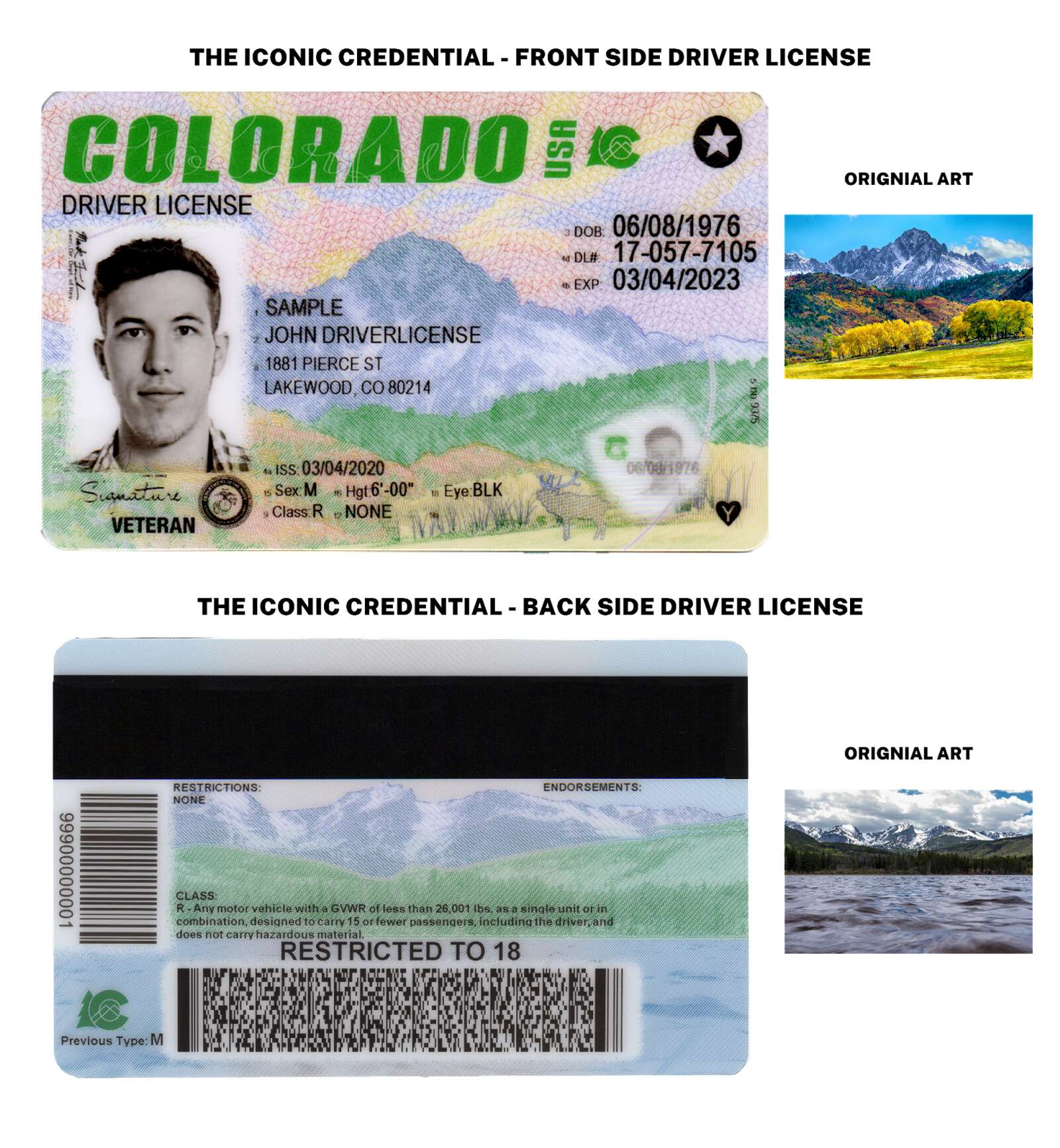
Once you have gathered all the necessary documentation, the next step is to visit a Colorado Division of Motor Vehicles (DMV) office. It’s advisable to check the Colorado DOR website to find the nearest office and to determine if appointments are recommended or required, as wait times can vary.
Step 1: Gather Your Documents
As detailed in the previous section, meticulously collect all the required documents: proof of identity, lawful presence, SSN, and residency. Having everything in order before your visit will significantly expedite the process.
Step 2: Visit a Colorado DMV Office
Head to your chosen Colorado DMV location. Be prepared for potential wait times, especially during peak hours. Many offices offer online tools to estimate wait times or to schedule appointments.
Step 3: Complete the Application Form
At the DMV, you will be provided with an application form for an Identification Card. Fill this out accurately and completely. Ensure all information matches the documents you are presenting.
Step 4: Present Your Documentation
A DMV representative will review your submitted documents to verify their authenticity and to ensure they meet all the requirements. This is a critical step, and any discrepancies or missing items could delay your application.
Step 5: Photo Capture and Signature
You will have your photograph taken for the identification card. Your signature will also be captured electronically. It’s a good idea to be well-rested and have a neutral expression for your photo.
Step 6: Pay the Fee
There is a fee associated with obtaining a Colorado State ID. The exact amount can be found on the Colorado DMV website, and payment is typically accepted via cash, check, or credit/debit card.
Step 7: Receive Your Temporary and Permanent ID
After your application is approved and processed, you will typically receive a temporary identification document on the spot, which is valid for a limited time. Your permanent Colorado State ID card will be mailed to your provided address within a few weeks.
Frequently Asked Questions and Tips
Navigating the process of obtaining official identification can bring up various questions. Here are some common queries and helpful tips to ensure a smoother experience.
How long is a Colorado State ID valid?
A standard Colorado State ID is typically valid for a period of eight years. For those aged 60 and older, the ID is generally valid for up to four years. REAL ID compliant cards also have specific expiration timelines. Always check the expiration date printed on your card.
Can I get a Colorado State ID if I’m not a U.S. citizen?
Yes, non-U.S. citizens who are legally present in the United States and can provide proof of lawful presence and residency in Colorado can obtain a Colorado State ID. The specific documentation requirements will vary based on your immigration status.
What if my name has changed?
If your name has changed due to marriage, divorce, or any other legal reason, you must present legal documentation of the name change. This could include a marriage certificate, divorce decree, or a court order for a name change. Your supporting documents for identity and residency should also reflect your current legal name.
Can I use a digital ID instead?
As of now, Colorado does not offer a widely accepted digital version of its state ID for all official purposes. While some apps might allow for digital sharing of certain information, the physical card remains the primary form of official identification.

Tips for a Smooth Application:
- Visit the Colorado DOR Website: This is your primary resource for the most up-to-date information on required documents, fees, and office locations.
- Organize Your Documents: Place all your original documents in a folder and ensure they are readily accessible. Make copies as a backup, although originals are usually required.
- Check for Appointments: Save time by checking if you can schedule an appointment online before your visit.
- Be Patient: The process can take time. Arrive with enough time to complete all steps without feeling rushed.
- Ask Questions: If you are unsure about any part of the process or documentation, don’t hesitate to ask a DMV representative for clarification.
Obtaining a Colorado State ID is a straightforward process when you are well-prepared. By understanding the requirements and following these steps, you can efficiently secure this essential form of identification, opening doors to a wide range of activities and services across the beautiful state of Colorado.
LifeOutOfTheBox is a participant in the Amazon Services LLC Associates Program, an affiliate advertising program designed to provide a means for sites to earn advertising fees by advertising and linking to Amazon.com. Amazon, the Amazon logo, AmazonSupply, and the AmazonSupply logo are trademarks of Amazon.com, Inc. or its affiliates. As an Amazon Associate we earn affiliate commissions from qualifying purchases.