
Navigating the process of obtaining Colorado license plates is a fundamental step for any new resident or vehicle owner in the Centennial State. Whether you’ve just moved, purchased a new or used vehicle, or are looking to personalize your ride with a specialty plate, understanding the requirements and procedures ensures a smooth transition. This guide will walk you through the essential steps, from gathering necessary documents to choosing the right plate for your vehicle, all within the framework of Colorado’s Department of Revenue (DOR) regulations.
Understanding Colorado’s Vehicle Registration Requirements
In Colorado, registering your vehicle and obtaining license plates is a legal obligation for all residents. This process ensures that your vehicle is properly identified, insured, and compliant with state laws. Failure to register your vehicle can result in fines and penalties. The primary entity responsible for vehicle registration is the Colorado Department of Revenue, Division of Motor Vehicles (DMV).

Eligibility and Residency
To register a vehicle in Colorado, you must establish residency. This typically involves demonstrating that you live in the state and intend to make it your permanent home. Evidence of residency can include a Colorado driver’s license, utility bills, lease agreements, or property tax statements. If you are a new resident, you generally have 30 days from the date you establish residency to register your vehicle.
When Registration is Required
- New Residents: As mentioned, if you move to Colorado with a vehicle, you must register it within 30 days of establishing residency.
- Purchasing a New Vehicle: When you buy a new car from a dealership, they will usually handle the initial registration and titling process for you, providing you with temporary plates.
- Purchasing a Used Vehicle: If you buy a used vehicle, whether from a private seller or a dealership, you will need to register it yourself.
- Leasing a Vehicle: Similar to purchasing, leasing companies often manage the registration process, but it’s essential to confirm this.
- Transferring Ownership: If you inherit a vehicle or receive it as a gift, you will need to transfer the title and register it in your name.
The Registration Process: Step-by-Step
The process for obtaining Colorado license plates generally involves several key steps: obtaining a VIN inspection, securing proof of insurance, gathering title and ownership documents, and completing the necessary application forms.
1. Vehicle Identification Number (VIN) Inspection
For vehicles that were previously registered in another state, a VIN inspection is often required. This inspection verifies that the vehicle’s Vehicle Identification Number matches the documentation. It helps prevent the registration of stolen vehicles.
- Where to Get a VIN Inspection: VIN inspections can be performed by licensed law enforcement agencies or certified private inspection stations. The specific requirements may vary by county. You can find a list of authorized VIN inspection stations on the Colorado State Patrol website or by contacting your local county sheriff’s office.
- What to Bring: You will need to bring the vehicle itself and your proof of ownership (e.g., title, bill of sale). The inspector will provide a completed VIN inspection form.
2. Proof of Insurance
Colorado law requires all registered vehicles to have minimum liability insurance coverage. You must present proof of this insurance when you register your vehicle.
- Minimum Coverage: The current minimum liability coverage requirements in Colorado are $25,000 for death or bodily injury to any one person, $50,000 for death or bodily injury to all persons injured in any one accident, and $15,000 for property damage in any one accident.
- Acceptable Proof: This typically includes an insurance card or a policy declaration page from a Colorado-licensed insurance provider.
3. Title and Proof of Ownership
You will need to provide documentation proving your ownership of the vehicle.
- For New Vehicles: If you purchased a new vehicle from a dealership, they will provide you with the Manufacturer’s Certificate of Origin (MCO) and the bill of sale.
- For Used Vehicles Purchased in Colorado: You will need the vehicle’s title, properly signed over to you by the previous owner. A bill of sale is also usually required, detailing the purchase price and date.
- For Used Vehicles Purchased Out-of-State: You will need the out-of-state title and potentially a bill of sale. If the vehicle was financed, the lienholder may hold the title, in which case you’ll need a lien release or authorization from the lienholder.
- Lost Title: If you lost the title, you will need to apply for a duplicate title from the state where the vehicle was last titled before you can register it in Colorado.
4. Completing the Application Forms
You will need to complete an Application for Colorado Title and Registration (Form DR 2301). This form collects essential information about you, the vehicle, and the transaction. You can often download this form from the Colorado DOR website, or obtain one at a county motor vehicle office.
5. Visiting Your Local County Motor Vehicle Office
Once you have all your documentation in order, you will need to visit your local county motor vehicle office to complete the registration and obtain your license plates.
- What to Bring to the Office:
- Completed Application for Colorado Title and Registration (DR 2301)
- Proof of Identity (e.g., driver’s license, passport)
- Proof of Residency (if required)
- Proof of Insurance
- Vehicle Title and/or Bill of Sale
- Completed VIN Inspection Certificate (if applicable)
- Smog Inspection Certificate (if applicable – see below)
- Payment for registration fees, title fees, and sales tax (if applicable). Fees vary based on vehicle type, age, and weight.
6. Emissions (Smog) Testing
Certain counties in Colorado require vehicles to pass an emissions test before they can be registered. This is to ensure compliance with air quality standards.
- Affected Counties: Emissions testing is typically required in the counties that make up the Denver metropolitan area and the northern front range, including: Adams, Arapahoe, Boulder, Broomfield, Denver, Douglas, El Paso (only specific zip codes), Jefferson, Larimer, and Weld.
- Vehicle Eligibility: Most gasoline-powered vehicles between 4 and 25 model years old require testing. Newer vehicles and certain types of vehicles (e.g., electric, some hybrids, diesel vehicles) may be exempt.
- Where to Get Tested: Emissions tests can be performed at licensed inspection stations throughout the required counties.
Specialty and Personalized Plates
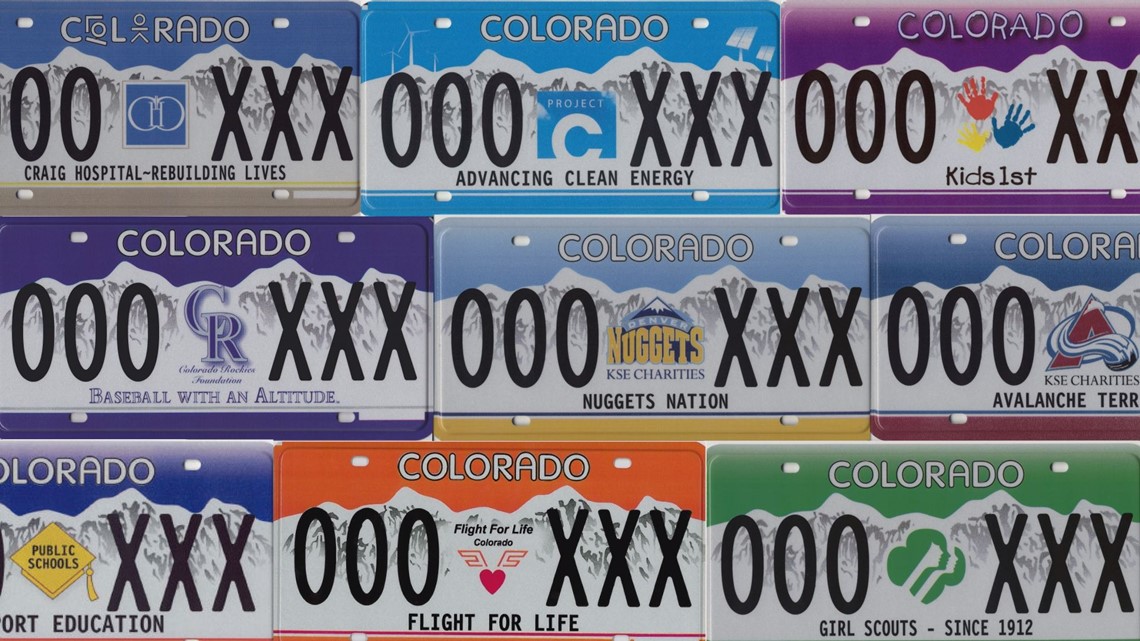
Colorado offers a wide array of specialty license plates that allow vehicle owners to express their interests, support causes, or simply personalize their vehicles. These plates often come with additional fees.
Types of Specialty Plates
- Environmental Plates: Support environmental conservation efforts in Colorado.
- Education Plates: Fund scholarships and educational programs.
- Military and Veteran Plates: Honor service members and veterans.
- Organizational Plates: Represent various organizations, such as sports teams, universities, or charities.
- Humorous Plates: Often feature playful designs or slogans.
How to Obtain Specialty Plates
- Choose Your Plate: Browse the available specialty plate designs on the Colorado DOR website or at your local motor vehicle office.
- Meet Eligibility Requirements: Some specialty plates may have specific eligibility criteria (e.g., proof of military service).
- Complete Application: Fill out the appropriate sections of the Application for Colorado Title and Registration, indicating your choice of specialty plate.
- Pay Additional Fees: Specialty plates typically have an initial issuance fee and often an annual renewal fee in addition to standard registration costs.
Personalized Plates (Vanity Plates)
If you want to create your own unique message on your license plate, you can apply for personalized plates.
- Character Limits: Plates have a limited number of characters (usually 7), and there are restrictions on offensive language or specific character combinations.
- Availability: You will need to check the availability of your desired combination.
- Application Process: This is typically done through the county motor vehicle office or the Colorado DOR website.
Renewal of Registration and Plates
Your vehicle registration is not a one-time process. You will need to renew it periodically, typically annually.
Renewal Notices
The Colorado DOR will usually mail you a renewal notice before your registration expires. This notice will detail the required fees and any specific requirements, such as emissions testing. It’s crucial to keep your address updated with the DMV to ensure you receive these notices.
Renewal Options
- Online: Many Colorado counties offer online renewal services through their motor vehicle department websites or the Colorado DOR portal. This is often the most convenient option.
- Mail: You can mail your renewal application and payment to your local motor vehicle office.
- In Person: You can visit your local county motor vehicle office to renew your registration.
What Happens During Renewal
During the renewal process, you will need to:
- Provide Proof of Insurance: Ensure your insurance is current.
- Complete Emissions Testing: If your vehicle is due for testing in a required county, ensure you have a valid emissions certificate.
- Pay Fees: Pay the annual registration renewal fees.
- Receive New Plates/Stickers: Depending on the county and renewal method, you will receive new registration stickers to affix to your existing plates or, in some cases, new license plates.

Important Considerations and Tips
- Appointments: Many county motor vehicle offices highly recommend or require appointments, especially for title and registration services. Check your local office’s website to schedule one.
- Fees: Be prepared for various fees, including title fees, registration fees, sales tax (on the purchase price of the vehicle), and any applicable specialty plate fees or smog check fees.
- Timeliness: Don’t wait until the last minute to register your vehicle, especially if you are a new resident or have just purchased a vehicle. Allow ample time to gather documents and complete the process.
- Online Resources: The Colorado Department of Revenue’s Division of Motor Vehicles website is an invaluable resource for forms, fee information, and answers to frequently asked questions.
By understanding these steps and requirements, obtaining your Colorado license plates will be a straightforward and manageable task, allowing you to enjoy driving in the beautiful state of Colorado legally and without hassle.
LifeOutOfTheBox is a participant in the Amazon Services LLC Associates Program, an affiliate advertising program designed to provide a means for sites to earn advertising fees by advertising and linking to Amazon.com. Amazon, the Amazon logo, AmazonSupply, and the AmazonSupply logo are trademarks of Amazon.com, Inc. or its affiliates. As an Amazon Associate we earn affiliate commissions from qualifying purchases.