
Navigating the process of registering a vehicle in Colorado can seem like a complex undertaking, especially for newcomers to the Centennial State. Whether you’ve just moved to Denver, purchased a new car in Boulder, or are a long-time resident looking to update your registration, understanding the steps involved is crucial. This guide aims to demystify the requirements, outline the necessary documentation, and provide a clear roadmap to ensure a smooth and efficient vehicle registration experience in Colorado.
Understanding Vehicle Registration Requirements in Colorado
Vehicle registration in Colorado is a mandatory legal requirement for all motor vehicles operated on public roads. This process ensures that vehicles are properly identified, insured, and comply with state safety and emissions standards. The primary entity responsible for vehicle registration is the Colorado Department of Revenue (CDOR) through its county-based Motor Vehicle offices. Failure to register your vehicle can result in penalties, fines, and potential impoundment.
New Residents and Vehicle Registration
If you are new to Colorado and have brought a vehicle with you, you have a limited timeframe to register it. Generally, new residents must register their vehicles within 30 days of establishing residency. This also applies to individuals who have purchased a vehicle while residing in the state. The registration process for new residents involves verifying ownership, confirming insurance, and meeting any applicable state taxes or fees.
Out-of-State Vehicles
Registering a vehicle that was previously registered in another state involves surrendering your old license plates and title (if applicable) to the prior jurisdiction. You will need to obtain a new title from Colorado unless you are only renewing an existing registration for a vehicle already titled in your name within the state. Inspections, including VIN verification and potentially emissions testing, may be required to ensure the vehicle meets Colorado standards.
Transfer of Ownership
When you purchase a vehicle from a private seller or a dealership, the registration process will involve transferring the title into your name. This requires the seller to sign over the existing title, and you will need to present this document, along with proof of insurance and identification, to the county Motor Vehicle office. Dealerships often handle much of this paperwork for you, but it’s always wise to confirm what is included in their service.
Essential Documentation for Registration
To successfully register your vehicle in Colorado, you will need to gather several key documents. Having these readily available will expedite the process and prevent unnecessary trips to the Motor Vehicle office.
Proof of Ownership
This is arguably the most critical document. For a new vehicle purchase, this will be the Manufacturer’s Statement of Origin (MSO) or the out-of-state title. For a used vehicle purchase, you will need the signed-over title from the previous owner. If you are transferring a vehicle you already own, your current Colorado title will suffice. If your title was lost, you may need to apply for a duplicate title from the state where the vehicle was last registered.
Proof of Identity and Residency
You will need to provide valid identification to prove you are who you say you are. This typically includes a driver’s license or state-issued ID. To prove your residency in Colorado, acceptable documents include utility bills, lease agreements, or bank statements, all of which should display your current Colorado address.
Proof of Insurance
Colorado law mandates that all registered vehicles must have continuous liability insurance. You will need to present an insurance card or policy declaration page that is current and meets the state’s minimum coverage requirements. The insurance policy must be in the name of the registered owner.
Emissions Inspection Certificate
Many counties in Colorado require vehicles to pass an emissions inspection to ensure they meet air quality standards. This requirement typically applies to vehicles in counties within the Denver metropolitan area and some surrounding counties, such as Adams, Arapahoe, Broomfield, Douglas, and Jefferson. Vehicles that are less than a certain age (usually 7 years) or are electric or hybrid are often exempt. Check with your local Motor Vehicle office to determine if your vehicle requires an emissions test.
Vehicle Identification Number (VIN) Inspection
For vehicles coming from out of state, a VIN inspection is often required. This is a safety measure to ensure the vehicle’s identification number matches the documentation and that the vehicle hasn’t been stolen or tampered with. This inspection is typically performed by law enforcement or authorized VIN inspectors.
The Registration Process Step-by-Step
Once you have gathered all the necessary documentation, you are ready to proceed with the actual registration process.
Step 1: Visit Your Local Motor Vehicle Office
Locate the Motor Vehicle office closest to your residence. You can typically find a list of these offices on the Colorado Department of Revenue website. It is advisable to check their operating hours and whether appointments are required, as many offices are adopting appointment-based systems to manage customer flow.
Step 2: Submit Your Documentation
Upon arrival at the office, you will be directed to a counter where you will present all your gathered documents. A Motor Vehicle specialist will review your paperwork to ensure everything is in order. They will verify your identity, proof of ownership, insurance, and emissions certificate (if applicable).
Step 3: Pay Fees and Taxes
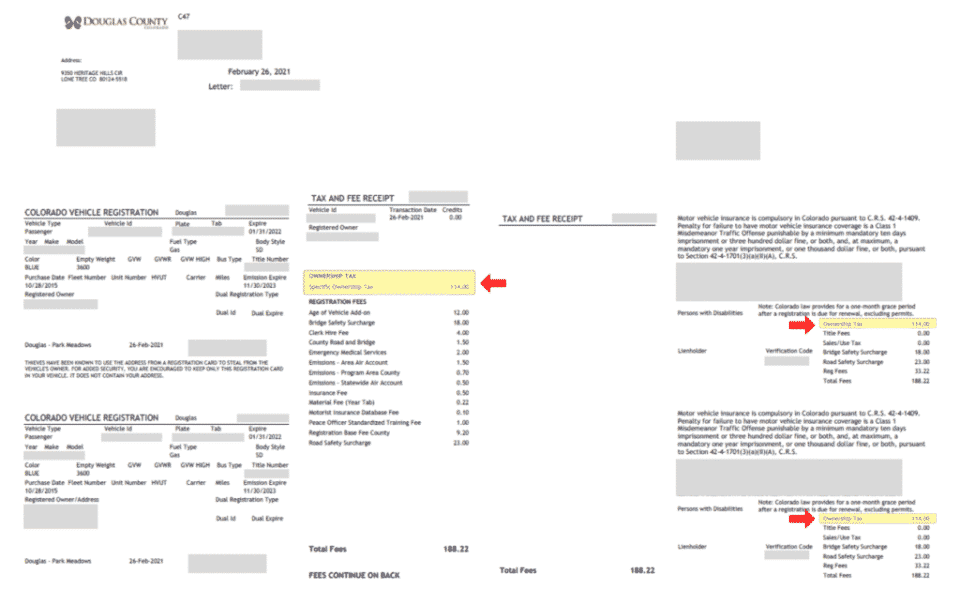
There are several fees associated with vehicle registration in Colorado. These include a state registration fee, a title fee (if obtaining a new title), license plate fees, and potentially local taxes and fees. The exact amount will vary depending on the type of vehicle, its age, and your county of residence. Colorado also has a specific tax structure for vehicles, often referred to as the “New Vehicle Fee” or “Used Vehicle Fee,” which is based on the vehicle’s MSRP and age.
Step 4: Receive Your License Plates and Registration Card
Once all paperwork is verified and payments are processed, you will be issued your new Colorado license plates and a registration card. The registration card is a vital document that you must carry with you whenever you operate the vehicle. It serves as proof of your current registration and insurance.
Renewing Your Vehicle Registration
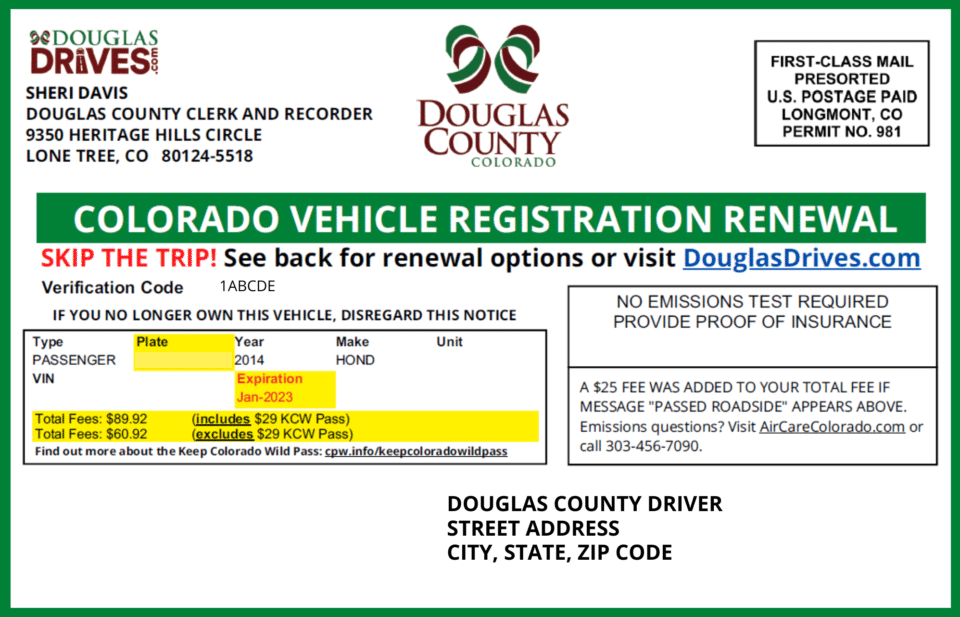
Vehicle registrations in Colorado are typically valid for one year and must be renewed annually. The CDOR sends out renewal notices in the mail, but it is ultimately the owner’s responsibility to ensure timely renewal.
Renewal Options
Colorado offers several convenient options for renewing your vehicle registration:
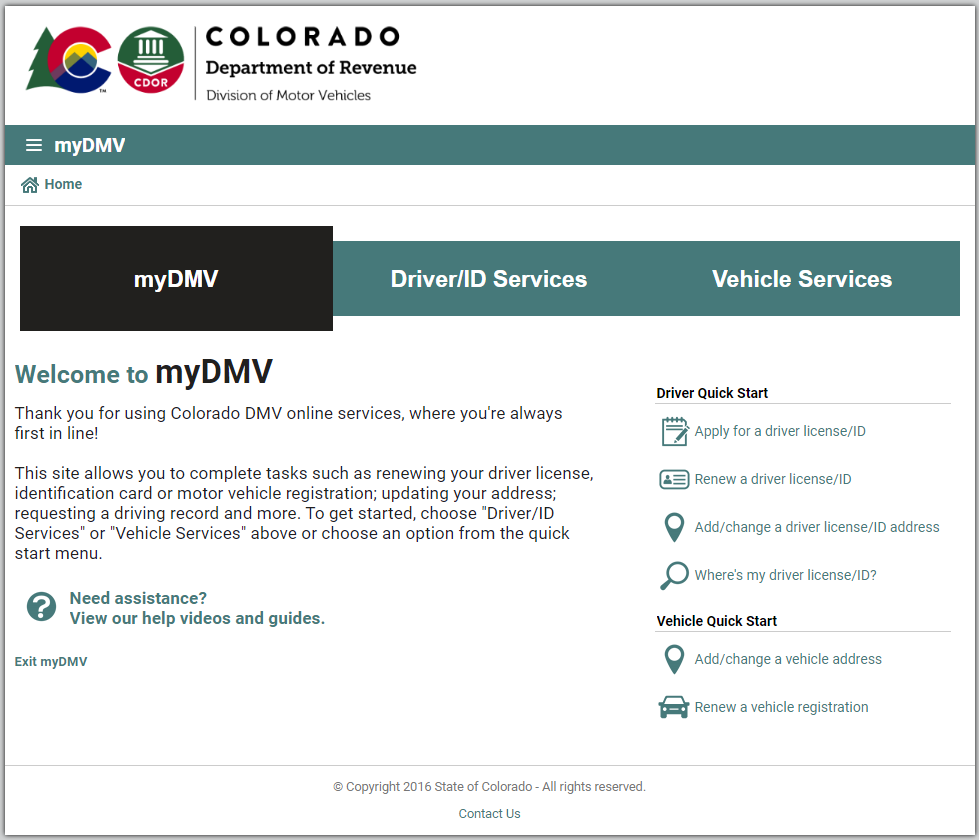
- Online Renewal: Many Colorado residents can renew their registration online through the Colorado DRIVES (Department of Revenue’s Integrated Vehicle Enterprise System) portal. This is often the quickest and most convenient method. Eligibility for online renewal may depend on whether your vehicle requires an emissions inspection.
- Mail Renewal: If you receive a renewal notice by mail, you can typically mail your payment and completed renewal form back to the designated address.
- In-Person Renewal: You can also renew your registration in person at any county Motor Vehicle office. This is a good option if you have specific questions or if online/mail renewal is not available for your situation.
What to Expect During Renewal
When renewing your registration, you will need to provide your license plate number and vehicle identification number (VIN). You will also need to confirm that you have continuous liability insurance and that your vehicle has met any applicable emissions inspection requirements. Renewal fees will apply, similar to the initial registration process. Upon successful renewal, you will receive new registration stickers to affix to your license plates, indicating the expiration month and year.
Special Considerations and Tips
Navigating the Colorado vehicle registration system can be made easier with a few proactive steps and an understanding of specific scenarios.
Temporary Registration
If you have purchased a vehicle and are awaiting permanent registration, you may need to obtain temporary plates or registration. This is particularly relevant for vehicles being driven out of state immediately after purchase or while waiting for emissions testing. Your dealership can usually assist with this, or you can inquire at the Motor Vehicle office.
Specialty Plates
Colorado offers a variety of specialty license plates, including those supporting specific organizations, universities, or causes. If you are interested in obtaining a specialty plate, there may be additional fees and specific application processes beyond the standard registration. These can often be applied for during the initial registration or renewal process.
Personalized Plates
For those seeking a unique identifier for their vehicle, Colorado allows for personalized license plates. There are specific rules and restrictions regarding the content of personalized plates, and an additional fee is required. You can typically apply for these through the same channels as standard registration.
Importance of Up-to-Date Information
It is crucial to keep your contact information updated with the Department of Revenue. This ensures you receive important notices, such as renewal reminders and any changes to registration laws or requirements. If you move within Colorado, you generally have 30 days to update your address with the Motor Vehicle division.
By understanding these requirements and following the outlined steps, registering your vehicle in Colorado can be a straightforward and manageable process, allowing you to enjoy your driving experience across the state’s scenic highways and byways.
LifeOutOfTheBox is a participant in the Amazon Services LLC Associates Program, an affiliate advertising program designed to provide a means for sites to earn advertising fees by advertising and linking to Amazon.com. Amazon, the Amazon logo, AmazonSupply, and the AmazonSupply logo are trademarks of Amazon.com, Inc. or its affiliates. As an Amazon Associate we earn affiliate commissions from qualifying purchases.