
Planning for the future is a critical aspect of responsible adult life, and for residents of Colorado, understanding the process of writing a will is paramount. A will is a legal document that outlines your wishes for the distribution of your assets after your death and designates guardians for any minor children. It offers peace of mind, ensures your loved ones are cared for according to your desires, and can significantly simplify the probate process. While the idea might seem daunting, with clear guidance, creating a legally sound will in Colorado is an achievable and essential step.
Understanding the Basics of Wills in Colorado
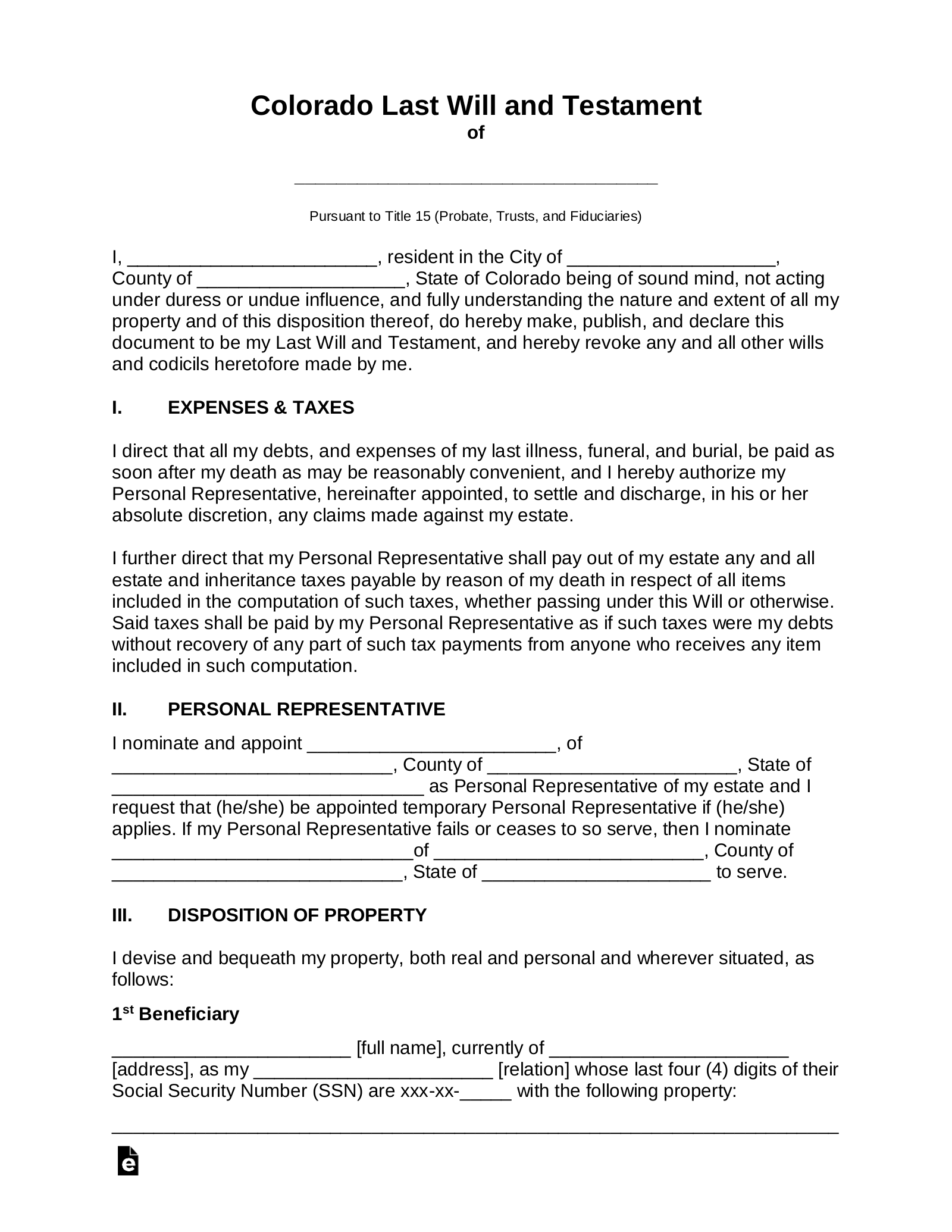
In Colorado, a will is a formal declaration of how an individual wants their property distributed after death. It serves as a crucial tool for avoiding intestacy, which is the legal term for dying without a valid will. When a person dies intestate, their assets are distributed according to state law, which may not align with their personal wishes. This can lead to unintended beneficiaries, disputes among family members, and a prolonged, potentially costly, legal process.
Key Components of a Colorado Will
A comprehensive will typically includes several vital elements to ensure it is effective and addresses all your concerns.
Testamentary Capacity
To create a valid will in Colorado, the testator (the person making the will) must possess testamentary capacity. This means they must be of sound mind and at least 18 years of age at the time the will is executed. “Sound mind” generally implies that the testator understands:
- The nature and extent of their property.
- The natural objects of their bounty (their family and loved ones).
- The disposition they are making of their property.
Personal Representative (Executor)
Your will should nominate a personal representative, often called an executor, who will be responsible for administering your estate. This individual will oversee the probate process, pay off debts and taxes, and distribute your assets according to the terms of your will. It is advisable to name a primary executor and at least one alternate in case the primary representative is unable or unwilling to serve.
Beneficiaries and Distributions
Clearly identify the individuals or organizations who will inherit your assets. Specify what each beneficiary will receive, whether it be a specific item, a percentage of your estate, or the residue of your estate (everything remaining after specific bequests and debts are paid).
Guardianship for Minor Children
If you have minor children, naming a guardian in your will is one of the most critical provisions. This person will be responsible for the care and upbringing of your children should both parents pass away. It’s essential to discuss this role with the chosen guardian beforehand to ensure they are willing and able to take on this responsibility.
Specific Gifts and Bequests
You can include specific gifts of property, such as a piece of jewelry, a car, or a particular sum of money, to named individuals or charities.
Residuary Estate
This clause dictates who inherits any remaining assets not specifically bequeathed in the will.
Testamentary Trust (Optional)
For larger estates or specific family situations, you might consider establishing a testamentary trust, which is created through your will and comes into effect upon your death.
Formalities of Execution in Colorado
For a will to be legally valid in Colorado, it must meet specific formal requirements. These are designed to prevent fraud and ensure the document truly reflects the testator’s intentions.
Writing Requirement
The will must be in writing. Oral wills, also known as nuncupative wills, are generally not recognized in Colorado except in very limited circumstances for military personnel.
Signatures
The will must be signed by the testator, or by another person in the testator’s presence and by the testator’s direction.
Witnesses
The will must be signed by at least two credible witnesses in the testator’s presence. These witnesses must also sign the will in the testator’s presence. Crucially, the witnesses should not be beneficiaries of the will, as this can create a conflict of interest and potentially invalidate their inheritance. They should be adults who understand what they are witnessing.
Self-Proving Affidavit (Optional but Recommended)
Colorado law allows for a “self-proving affidavit” to be attached to the will. This is a separate statement signed by the testator and witnesses before a notary public, attesting that the will was properly executed. A self-proving affidavit simplifies the probate process by allowing the court to accept the will without requiring the witnesses to testify in person.
Options for Creating Your Colorado Will
When it comes to creating your will, you have several options, each with its own advantages and considerations. The best choice depends on the complexity of your estate, your budget, and your comfort level with legal processes.
Option 1: Hiring an Attorney
This is often considered the safest and most comprehensive approach, especially for individuals with complex financial situations, significant assets, or unique family circumstances.
Benefits of Legal Counsel
An experienced estate planning attorney will:
- Ensure Legal Validity: They are knowledgeable about Colorado intestacy laws and will drafting requirements, minimizing the risk of an invalid or contestable will.
- Address Complex Situations: They can handle nuanced issues like blended families, second marriages, special needs beneficiaries, business succession, and tax implications.
- Provide Personalized Advice: An attorney can offer tailored advice based on your specific assets, debts, and family dynamics.
- Draft Other Estate Planning Documents: They can also assist with other essential documents like powers of attorney and advance medical directives, creating a holistic estate plan.
- Offer Professional Guidance: They can explain complex legal terms and processes in a clear and understandable manner.
When to Consider an Attorney
- You own significant assets (real estate, investments, businesses).
- You have minor children and want to establish guardianship.
- You are divorced or remarried and have children from previous relationships.
- You wish to disinherit a family member.
- You have beneficiaries with special needs.
- You want to create trusts for tax planning or asset protection.
Option 2: Online Will Services and Software
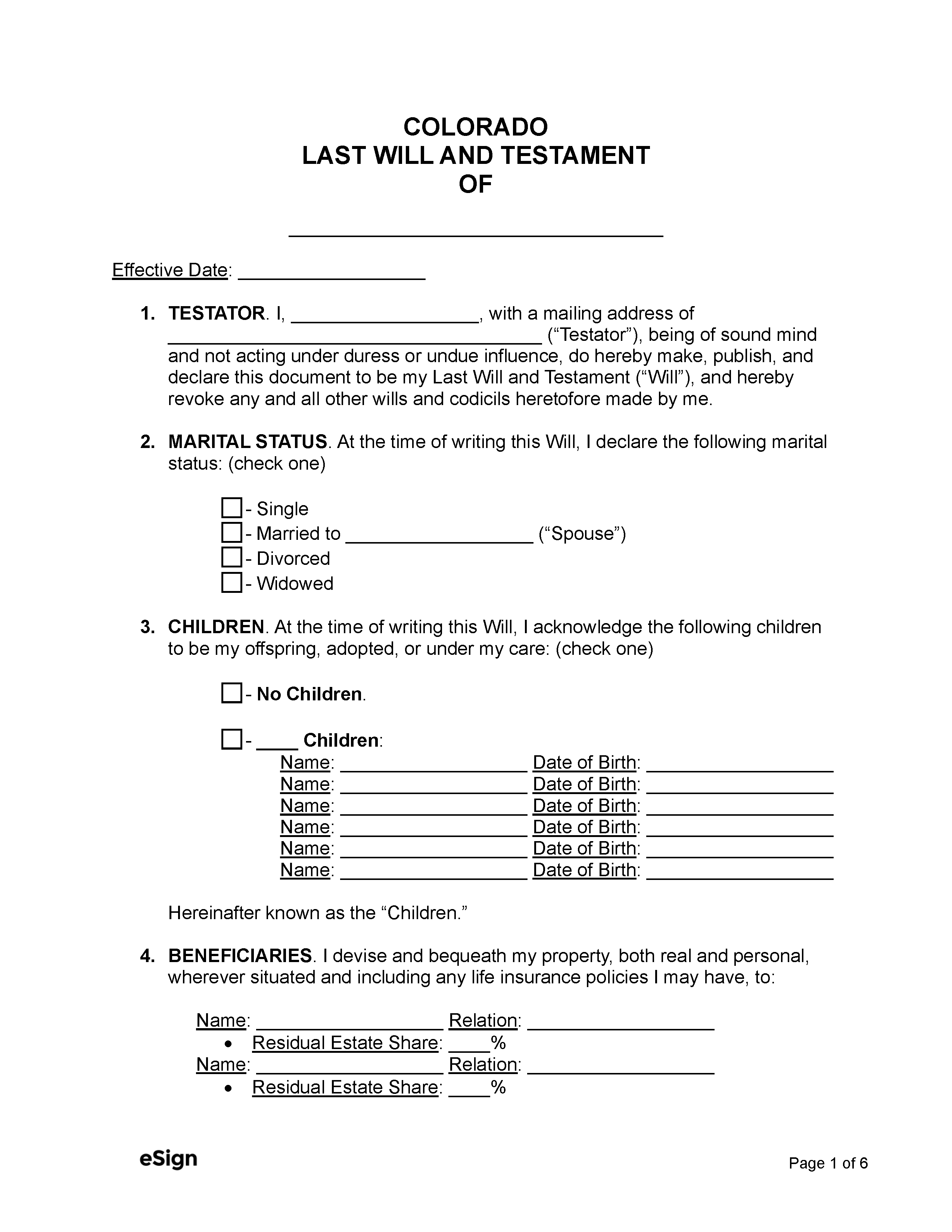
Numerous online platforms and software programs offer templates and guided processes for creating wills. These can be a more affordable alternative to hiring an attorney.
Pros and Cons of Online Wills
Pros:
- Cost-Effective: Generally less expensive than traditional legal services.
- Convenience: Can be completed from the comfort of your home at your own pace.
- User-Friendly: Many platforms are designed for ease of use.
Cons:
- Lack of Personalization: Templates may not adequately address unique circumstances or complex legal issues.
- Potential for Errors: If not used carefully, users might make mistakes in filling out the forms, leading to an invalid will.
- No Legal Advice: These services typically do not provide legal counsel or explanations of Colorado law specific to your situation.
- Validity Concerns: If the template does not perfectly align with Colorado’s specific execution requirements, the will could be challenged.
When Online Services Might Be Suitable
Online services may be appropriate for individuals with very simple estates and straightforward family structures, such as single individuals with no dependents and minimal assets. However, even in these cases, the risk of error remains.
Option 3: DIY Will Kits
These are pre-printed forms or basic templates that individuals can fill out themselves.
The Risks of DIY Will Kits
DIY will kits carry the highest risk of invalidity. They often lack the necessary safeguards to ensure compliance with Colorado’s stringent execution requirements. Many people who use these kits fail to properly sign, date, or have the required witnesses present, rendering their will useless. It is strongly advised to avoid this method unless you have a thorough understanding of Colorado estate law.
Key Steps in Creating Your Colorado Will
Regardless of the method you choose, there are fundamental steps involved in creating a legally sound will in Colorado.
Step 1: Assess Your Assets and Liabilities
Take stock of everything you own – real estate, bank accounts, investments, vehicles, personal property – and any debts you may have, such as mortgages, loans, or credit card balances. This inventory will help you determine the scope of your estate and how you want your assets distributed.
Step 2: Identify Your Beneficiaries
Make a list of the people and/or organizations you wish to benefit from your estate. For each beneficiary, note their full legal name and relationship to you.
Step 3: Choose Your Personal Representative (Executor)
Select a trusted individual (or institution) to manage your estate. Inform them of your decision and ensure they are willing and capable of handling the responsibilities.
Step 4: Nominate Guardians for Minor Children
If you have children under the age of 18, designate a primary guardian and at least one alternate.
Step 5: Draft the Will
This is where you will either work with an attorney or use an online service/template to document your wishes for asset distribution, guardianship, and other estate matters. Be specific and clear in your language to avoid ambiguity.
Step 6: Execute the Will Properly
This is a critical legal step that must be performed precisely according to Colorado law.
- The testator must sign the will.
- Two witnesses, who are not beneficiaries, must be present and sign the will in the testator’s presence.
- Consider adding a self-proving affidavit, signed by the testator, witnesses, and a notary.
Step 7: Store Your Will Safely
Keep your original will in a secure place where your executor can easily find it after your death. Options include a fireproof safe at home, with your attorney, or a safe deposit box (though access to safe deposit boxes can sometimes be delayed after death). Inform your executor of the location of the original will.
Common Pitfalls to Avoid in Your Colorado Will
Even with the best intentions, errors can creep into will drafting. Awareness of common mistakes can help you avoid them.
Ambiguous Language
Vague or unclear wording in your will can lead to confusion and disputes. Use precise terms when referring to assets, beneficiaries, and instructions. For example, instead of “my car,” specify “my 2023 Honda Civic, VIN # XXXXXXX.”
Forgetting to Update Your Will
Life circumstances change. Major events like marriage, divorce, the birth or adoption of children, or significant changes in your financial situation warrant a review and potential update of your will. A will should generally be reviewed every 3-5 years or after significant life events.
Improper Witnessing
Failure to adhere to Colorado’s witnessing requirements is a leading cause of invalid wills. Ensure your witnesses meet the criteria and understand their role.
Inadequate Estate Planning
A will is just one piece of the estate planning puzzle. Consider other essential documents like a power of attorney (for financial matters) and an advance health care directive (for medical decisions). These documents ensure your affairs are managed if you become incapacitated.
Not Considering Trusts
For complex estates or specific goals, an attorney can advise whether a trust would be more beneficial than a simple will. Trusts can offer advantages in asset management, probate avoidance, and tax planning.
Conclusion
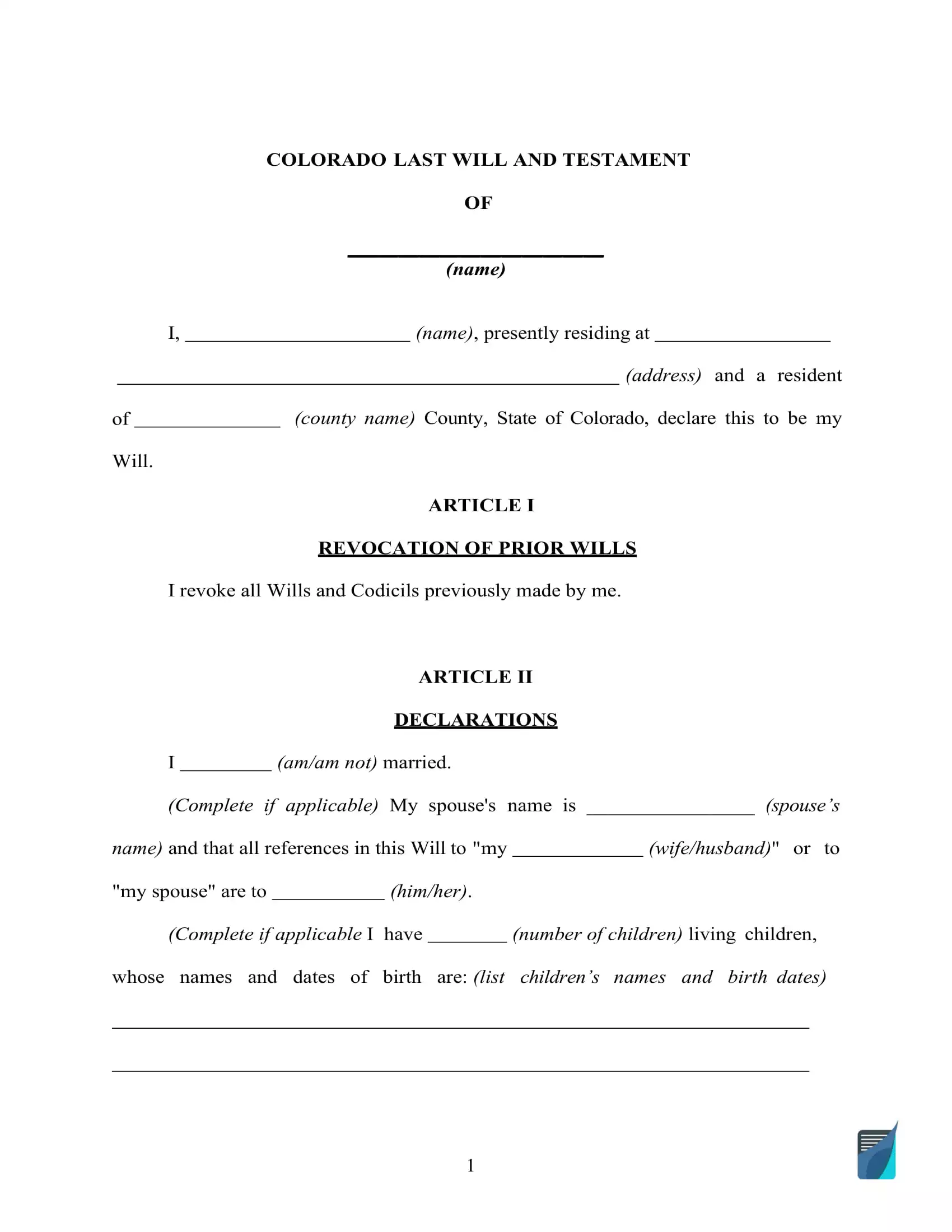
Writing a will in Colorado is a fundamental act of responsibility and care for your loved ones. While the legal requirements are precise, the process is manageable. By understanding the key components, considering your options for creation, and carefully following the execution formalities, you can create a document that reflects your wishes and provides a clear roadmap for your estate’s distribution. Whether you choose to engage an attorney for expert guidance or utilize online resources for simpler estates, the act of preparing a will offers invaluable peace of mind for yourself and security for those you leave behind.
LifeOutOfTheBox is a participant in the Amazon Services LLC Associates Program, an affiliate advertising program designed to provide a means for sites to earn advertising fees by advertising and linking to Amazon.com. Amazon, the Amazon logo, AmazonSupply, and the AmazonSupply logo are trademarks of Amazon.com, Inc. or its affiliates. As an Amazon Associate we earn affiliate commissions from qualifying purchases.