
Navigating the legal landscape of firearm ownership and display while traveling can add a layer of complexity to an otherwise enjoyable trip. For those planning a visit to the Centennial State, understanding its open carry laws is paramount to ensuring a safe and compliant experience. This exploration delves into what it means for Colorado to be an open carry state, outlining the regulations, nuances, and practical considerations for travelers and residents alike. The primary focus here is on the implications for travelers, ensuring their journeys through Colorado are both memorable and lawful concerning firearm regulations.
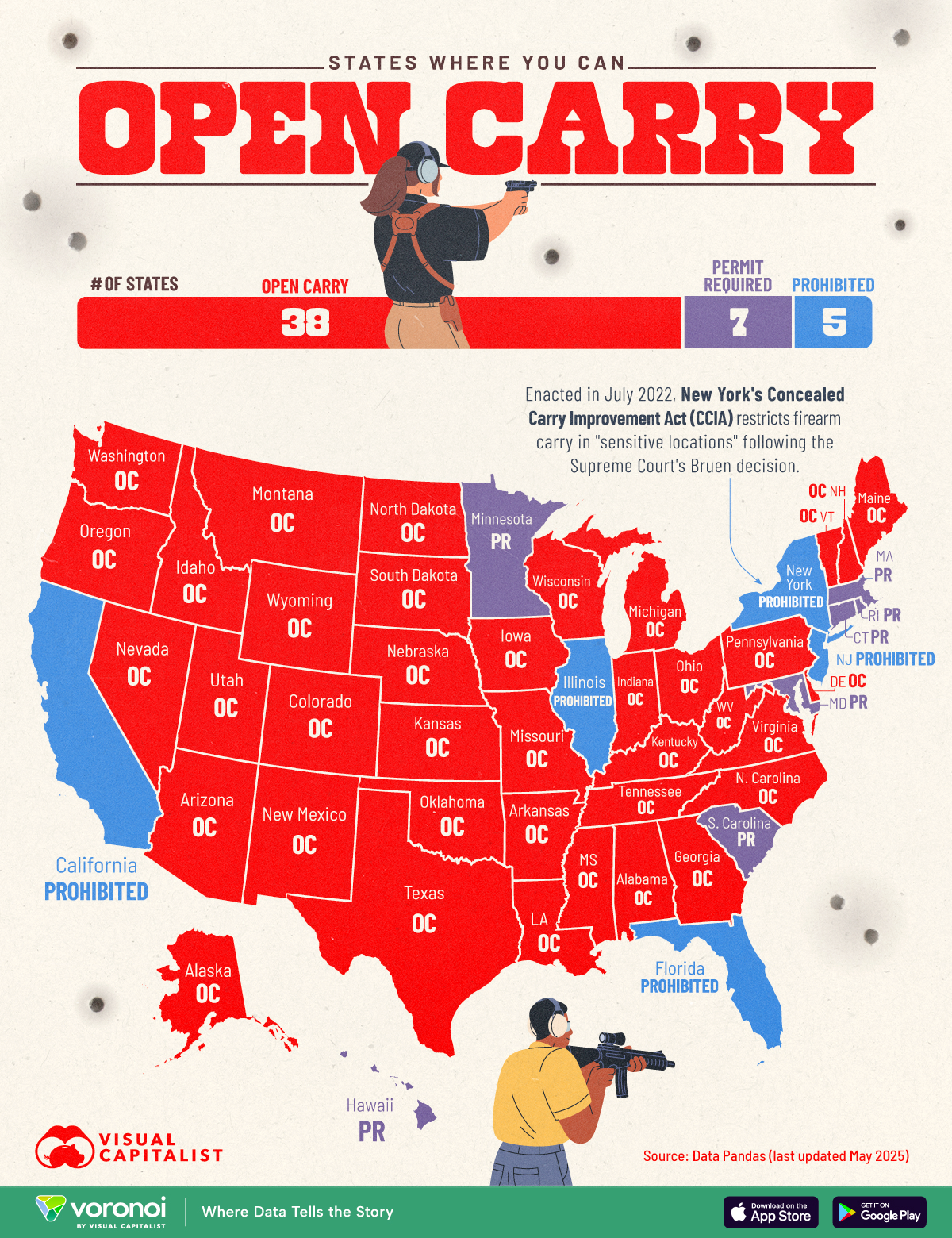
Understanding Open Carry in Colorado
Open carry, the practice of openly displaying a firearm in public, is a subject governed by specific legislation in each U.S. state. Colorado’s stance on open carry is often a point of discussion, and understanding its nuances is crucial for anyone considering carrying a firearm within its borders. Unlike states with more restrictive concealed carry laws, Colorado generally permits open carry, but this permission comes with a framework of rules and exceptions designed to maintain public safety.
Legal Basis for Open Carry
Colorado law, primarily through statutes such as C.R.S. § 18-12-106, allows individuals to openly carry a handgun without a permit. This means that if you are legally allowed to possess a firearm, you can generally carry it openly in public spaces. However, this right is not absolute and is subject to several important limitations and considerations. It is vital to understand that “open carry” specifically refers to the visible carrying of a firearm.
Key Distinctions: Open Carry vs. Concealed Carry
It is important to distinguish between open carry and concealed carry. While Colorado permits open carry without a permit for handguns, carrying a concealed handgun typically requires a permit, often referred to as a Concealed Handgun Permit (CHP). The regulations surrounding concealed carry are more stringent, involving background checks and training requirements. For travelers, the distinction is critical: if you are legally permitted to carry a firearm and choose to do so openly, you generally do not need a permit. However, if you intend to carry it concealed, obtaining the appropriate permit is necessary. This article focuses on the implications of open carry for travelers exploring the diverse landscapes and vibrant cities of Colorado.
Permitted Locations and Restrictions
While Colorado law permits open carry, there are numerous places where carrying firearms, whether openly or concealed, is prohibited. These restricted areas are designed to ensure safety and order in sensitive environments. Understanding these prohibited locations is as important as knowing the general rule of open carry.
Prohibited Areas for Firearm Carry
Common locations where firearms are generally prohibited include:
- Federal Buildings: This encompasses courthouses, post offices, and other federal facilities.
- State and Local Government Buildings: Many state capitols, courthouses, and municipal buildings have restrictions.
- Schools and Universities: The presence of firearms is typically banned on school grounds, from preschools through higher education institutions.
- Polling Places: During elections, firearms are prohibited at polling locations.
- Childcare Facilities: Areas where children are being cared for are often designated gun-free zones.
- Private Property with Notice: Private property owners have the right to prohibit firearms on their premises. This is usually indicated by signage.
- Within 1,000 Feet of a School: In certain circumstances, carrying a firearm within a specified radius of a school can be illegal.
For travelers, this means that even if open carry is legal in the general public space of a city like Denver or a mountain town like Aspen, entering specific buildings within these locations may require you to leave your firearm secured elsewhere.
Travel Considerations for Open Carry
When planning a trip to Colorado, understanding how open carry laws intersect with travel is essential. This includes considerations for transportation, accommodation, and popular tourist destinations.
Transportation and Firearms
If you are traveling to Colorado by car, you must ensure your firearm is transported legally. Colorado has reciprocity agreements with many states regarding concealed carry permits, but this does not always extend to open carry laws in the same manner. Generally, if you are legally permitted to open carry in your home state, you can open carry in Colorado, provided you adhere to Colorado’s specific restrictions on prohibited locations. However, it is always prudent to research the laws of any states you will be transiting through, as regulations can vary significantly. The focus for travelers should be on lawful possession and display, ensuring compliance with all state and federal laws during transit and upon arrival.
Firearms in Accommodation
When booking accommodation in Colorado, whether it be a hotel, resort, or vacation rental, it is important to be aware of the establishment’s policies regarding firearms. While Colorado law permits open carry in public, private establishments, including hotels, can set their own rules. Many hotels do not have specific policies against open carry, but it is always advisable to check with your accommodation provider in advance to avoid any misunderstandings. For instance, a luxury resort in Beaver Creek might have different internal policies than a budget-friendly motel in Colorado Springs.
Firearms at Tourist Attractions and National Parks
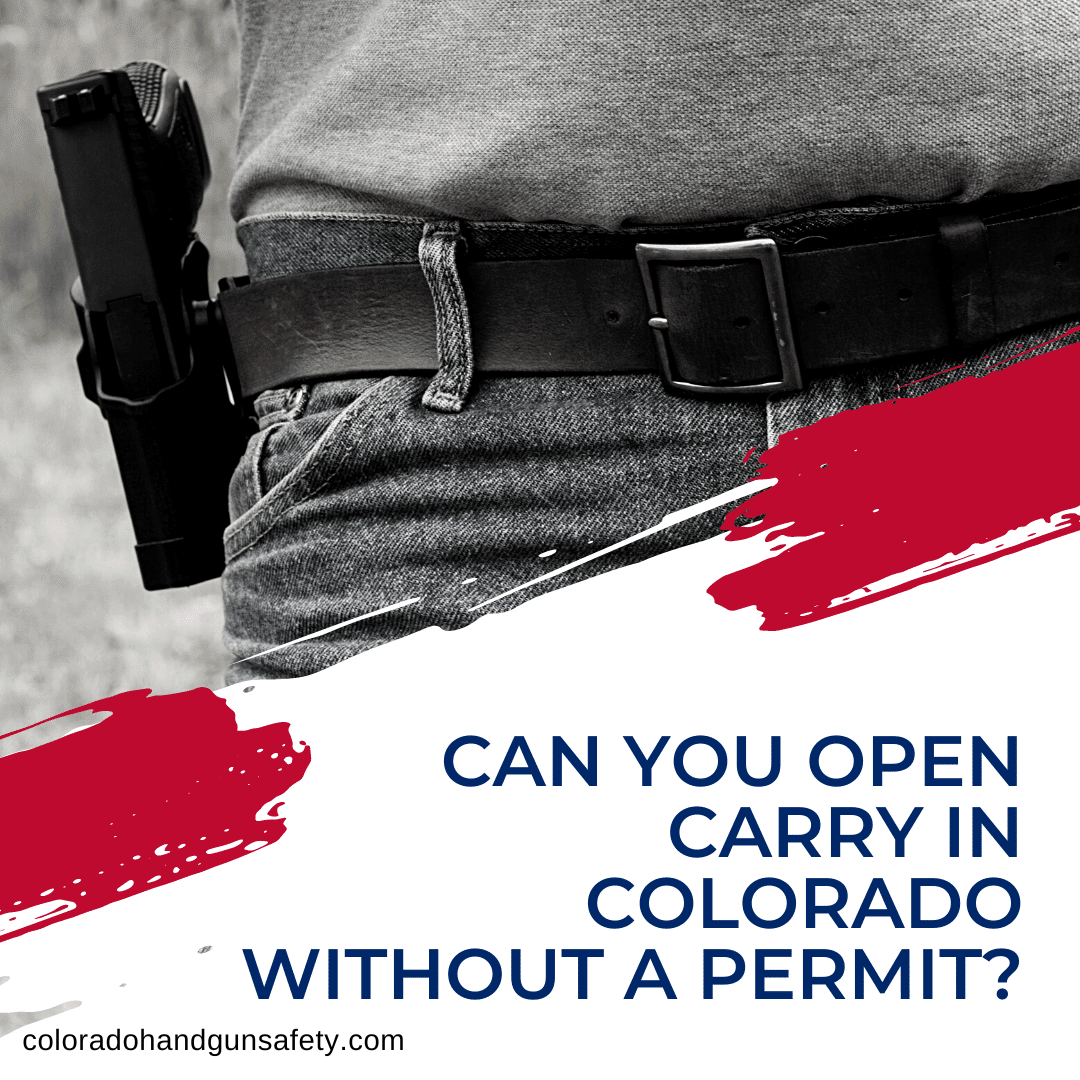
Visiting Colorado’s numerous natural wonders, such as Rocky Mountain National Park, or enjoying urban attractions like the Denver Art Museum, requires awareness of firearm regulations at these specific sites. National Parks, being federal lands, have their own set of rules, which generally permit firearm possession in accordance with state and federal laws, but with specific restrictions on where and how firearms can be carried. It is crucial to research the specific regulations for each park or attraction you plan to visit. For example, while open carry might be permitted on trails within Great Sand Dunes National Park and Preserve, it may be prohibited within visitor centers or other federal buildings. Similarly, large public events or festivals may have their own security measures and policies regarding firearms.
Specific Nuances and Legal Considerations
Beyond the general understanding of open carry, Colorado law contains specific provisions and interpretations that travelers should be aware of to ensure full compliance. These nuances can significantly impact how and where one can legally carry a firearm.
Brandishing a Firearm
One critical aspect of firearm laws, in Colorado and elsewhere, is the distinction between openly carrying a firearm and brandishing it. Brandishing, which involves displaying a firearm in a threatening manner, is illegal and can lead to serious criminal charges, regardless of whether the firearm is carried openly or concealed. The intent behind the display is a key factor in determining if an act constitutes brandishing. For travelers, this means that even if you are legally open carrying, any action that could be perceived as threatening with your firearm can have severe legal repercussions. This is particularly relevant in scenarios involving disputes or high-stress situations.
Carrying in Vehicles
Colorado law permits open carry in vehicles. This means that if you are legally permitted to open carry, you can do so in your vehicle without additional permits or restrictions beyond those applicable to public spaces. However, it is important to ensure that the firearm is visible to any law enforcement officer who may approach your vehicle. Discretion and awareness are key. If you are traveling through Colorado and are coming from a state with different vehicle firearm laws, it is imperative to familiarize yourself with Colorado’s specific regulations.
Duty to Inform Law Enforcement
Colorado law has specific requirements regarding informing law enforcement officers if you are carrying a concealed handgun. However, for open carry, the requirement to proactively inform an officer might not be as explicit as for concealed carry, but it is always advisable to be truthful and cooperative if questioned by law enforcement. Best practices suggest that if an officer lawfully stops you and you are openly carrying, you should be prepared to answer questions honestly. The goal is to avoid any situation that could be misinterpreted.
Local Ordinances and Preemption
While state law sets the framework for open carry in Colorado, it is important to note that local municipalities can enact certain ordinances. However, state law often preempts many local regulations concerning firearms. This means that in most cases, state law governs. Nevertheless, for travelers, it is prudent to be aware that some specific local rules might exist, especially in larger cities like Boulder or Fort Collins, though these are usually related to public events or specific zones rather than a blanket prohibition of open carry.
Responsible Firearm Ownership for Travelers
Responsible firearm ownership and practice are paramount, especially when traveling in an unfamiliar legal environment. Understanding the laws is only the first step; adhering to them with diligence and respect is crucial for a safe and enjoyable trip to Colorado.
Self-Education and Staying Informed
The laws surrounding firearms are subject to change. Before embarking on your journey to Colorado, it is highly recommended to consult official state resources and reliable legal guides for the most up-to-date information. Websites for the Colorado Bureau of Investigation or the Colorado General Assembly can provide official statutes. Reliable firearm law organizations also offer valuable insights and summaries of state laws. For travelers, staying informed is an ongoing responsibility.
Respecting Private Property Rights
As mentioned, private property owners have the right to prohibit firearms on their premises. This right is a fundamental aspect of property ownership. Travelers should always be observant of signage and, if unsure, inquire with the property owner or management about their policies regarding firearms. Respecting these boundaries is a cornerstone of responsible behavior.
Situational Awareness and De-escalation
Even when legally carrying a firearm, the most effective tool for personal safety is situational awareness. Being aware of your surroundings, identifying potential threats, and practicing de-escalation techniques can prevent dangerous situations from arising. A firearm should be considered a last resort, and prioritizing avoidance and de-escalation is always the wisest course of action. This mindset is critical for anyone traveling and carrying, whether in Colorado Springs or any other destination.

Understanding the Spirit of the Law
While legal compliance is non-negotiable, understanding the spirit behind firearm laws is also important. Laws are designed to balance the rights of individuals with the safety and well-being of the community. Responsible firearm owners act in a manner that upholds this balance, ensuring their actions contribute to a safe environment for everyone, whether they are visiting the majestic peaks of the San Juan Mountains or exploring the urban offerings of Aurora.
LifeOutOfTheBox is a participant in the Amazon Services LLC Associates Program, an affiliate advertising program designed to provide a means for sites to earn advertising fees by advertising and linking to Amazon.com. Amazon, the Amazon logo, AmazonSupply, and the AmazonSupply logo are trademarks of Amazon.com, Inc. or its affiliates. As an Amazon Associate we earn affiliate commissions from qualifying purchases.