
Colorado, a state renowned for its breathtaking Rocky Mountains, vibrant cities, and abundant outdoor recreation, has long been a magnet for residents and tourists alike. From the bustling urban energy of Denver to the charming ski towns scattered throughout the Rockies, the appeal of the Centennial State is undeniable. However, as its popularity has soared, so too have the costs associated with living here. Understanding the financial landscape of Colorado is crucial for anyone contemplating a move or a significant visit, especially for those planning extended stays or considering it as a potential lifestyle destination. This exploration delves into the multifaceted costs of residing in Colorado, examining key sectors that contribute to its reputation as an increasingly expensive place to call home.
Housing Market Dynamics
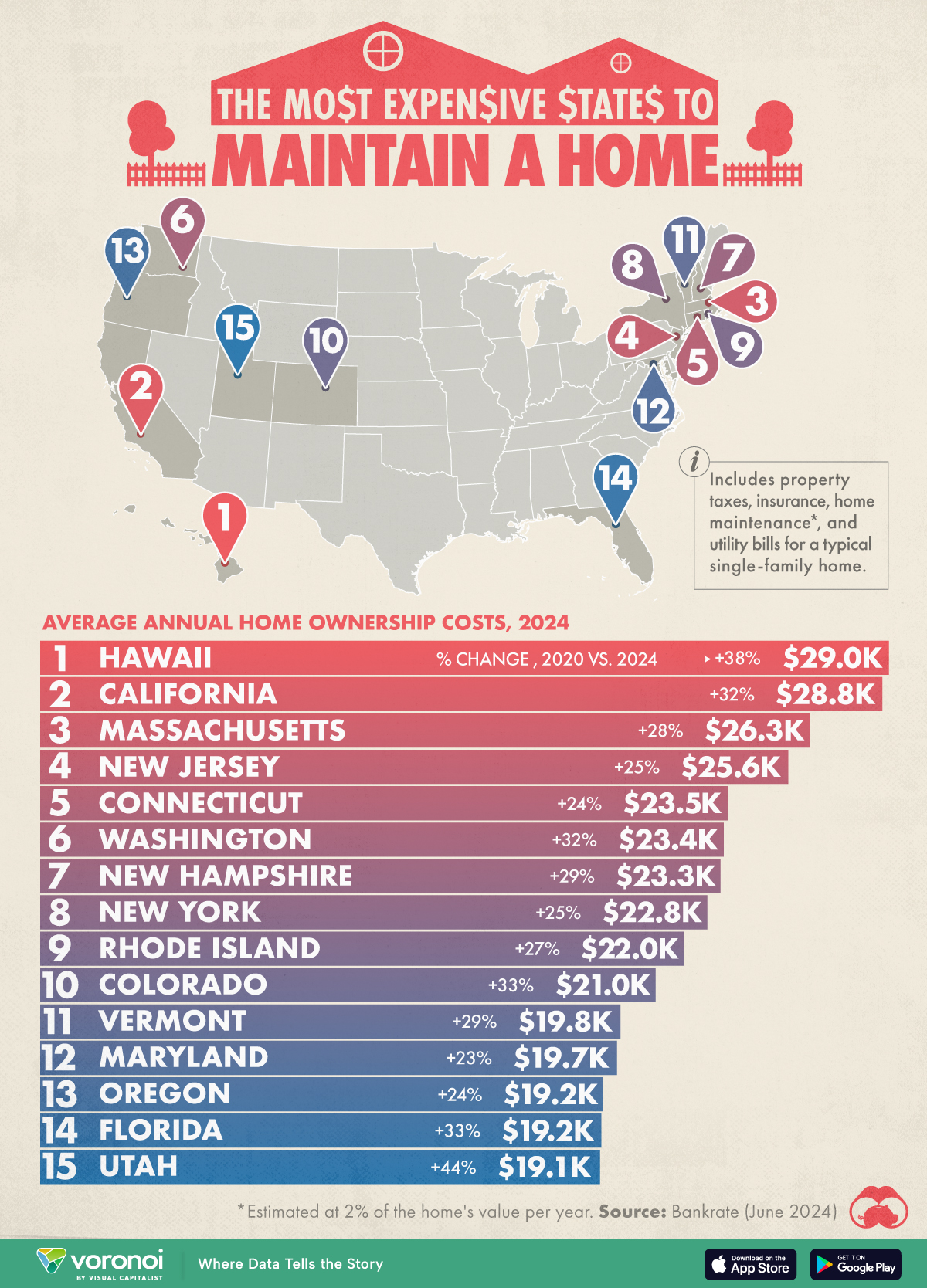
The most significant driver behind the perceived expense of living in Colorado is undoubtedly its housing market. Rapid population growth, fueled by a strong job market and the allure of the state’s natural beauty, has placed immense pressure on housing supply. This imbalance between demand and availability has led to substantial increases in both rental rates and home prices across the state.
Homeownership Costs
For those looking to purchase a home, Colorado presents a considerable financial undertaking. Major metropolitan areas like Denver, Boulder, and Fort Collins consistently rank among the most expensive real estate markets in the nation. The median home price in many of these areas can easily exceed national averages by a significant margin. This trend is not confined to the cities; desirable mountain towns, such as Aspen and Vail, are among the most exclusive and costly real estate markets globally, driven by a combination of second-home ownership, investment properties, and a strong luxury market.
Factors contributing to these high home prices include:
- Limited Inventory: Construction has struggled to keep pace with demand, particularly in desirable locations.
- Desirability: The state’s lifestyle, outdoor amenities, and job opportunities attract a constant influx of new residents.
- Economic Growth: A robust economy, particularly in sectors like technology and aerospace, has boosted incomes and purchasing power, further driving up prices.
- Geographic Constraints: Mountainous terrain can limit the available land for development in certain areas.
Rental Market Pressures
The rental market in Colorado reflects the same pressures as the for-sale market. Renters in most Colorado cities and towns will find themselves paying considerably more than the national average for apartments and houses. The cost of a one-bedroom apartment in Denver, for instance, can be a substantial portion of an individual’s or household’s income. This is particularly challenging for young professionals, students, and those in lower-paying industries, making it difficult to establish a foothold in popular areas. Many residents are forced to seek housing further from urban centers, leading to longer commute times and increased transportation costs. The competition for rental properties can also be fierce, with multiple applications often vying for the same unit.
Cost of Goods and Services
Beyond housing, the overall cost of goods and services in Colorado also tends to be higher than in many other parts of the country. This is influenced by a variety of factors, including transportation costs for goods, the cost of labor, and the general economic prosperity of the state.
Groceries and Everyday Expenses
While not as drastically different as housing costs, grocery bills and everyday expenses in Colorado are generally above the national average. This can be attributed partly to transportation costs associated with getting goods to the state, especially to more remote mountain communities. Consumers in cities like Colorado Springs or Boulder might notice slightly higher prices at the supermarket compared to states in the Midwest or South.
Transportation
Transportation costs can also be a significant factor, particularly outside of the densest urban areas. While public transportation is available and improving in places like Denver, many Colorado residents rely heavily on personal vehicles. This means factoring in the costs of fuel, vehicle maintenance, and insurance, which can be higher in some Colorado regions. For those living in mountain towns or rural areas, access to reliable and affordable public transit is often limited, further necessitating car ownership. The price of gasoline can fluctuate but often reflects national trends, with specific regional factors potentially impacting local prices.
Utilities
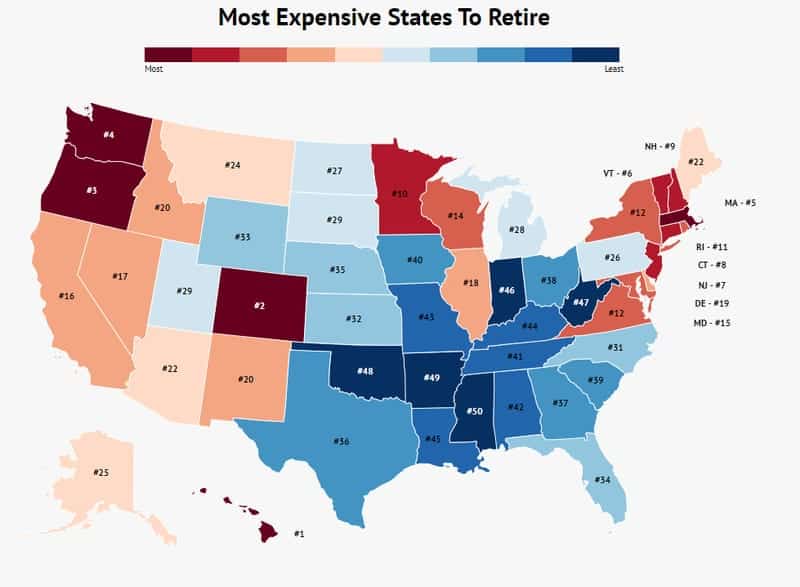
Utility costs, including electricity, gas, and water, can vary widely depending on location and season. Colorado’s climate, with its cold winters and warm summers, necessitates consistent energy consumption for heating and cooling. While not exceptionally high compared to some other states, utility bills can add a notable amount to the monthly budget, especially for larger homes or those with less efficient insulation. Internet and cable services are generally comparable to national averages, though availability can be a concern in very remote areas.
Recreation and Lifestyle Costs
Colorado’s identity is deeply intertwined with its outdoor recreation opportunities. While these activities are a major draw, they also come with their own set of costs that can contribute to the overall expense of living in the state.
Outdoor Gear and Activities
The pursuit of skiing, snowboarding, hiking, camping, and climbing often requires significant investment in specialized gear. High-quality ski equipment, hiking boots, camping tents, and cycling gear can represent substantial upfront costs. Furthermore, lift tickets for ski resorts like Winter Park or Breckenridge can be very expensive, especially if purchased daily. Season passes, while offering savings, are still a considerable annual expense. National and state park entrance fees, camping permits, and guided tour costs also add up for avid outdoor enthusiasts.
Dining and Entertainment
The vibrant culinary and entertainment scenes in Colorado’s cities and towns also contribute to the cost of living. Popular restaurants, craft breweries, and live music venues can command prices comparable to those in other major metropolitan areas. While budget-friendly options certainly exist, indulging in the diverse dining and entertainment offerings can quickly inflate monthly expenses. Tickets for sporting events, concerts, and other cultural attractions also represent an additional cost for those who wish to partake.
Taxes and Fees
Taxation is another crucial element to consider when evaluating the cost of living in Colorado. The state has a flat income tax, which can be beneficial for higher earners but may not be as advantageous for those with lower incomes compared to states with progressive tax systems.
State Income Tax
Colorado levies a flat income tax rate, currently at 4.40% (as of the latest available information). This means that all income earners pay the same percentage of their taxable income to the state, regardless of their income bracket. While this can be simpler to calculate, it can mean a higher tax burden for lower-income individuals compared to states with graduated tax brackets.
Sales Tax
Sales tax rates vary by county and municipality across Colorado. While the state sales tax is 2.9%, local jurisdictions can add their own rates, leading to combined sales tax rates that can range from around 4% to over 8% in some areas. This impacts the cost of most goods purchased within the state. Lodging taxes, which affect hotel stays and short-term rentals, are also common and vary by locality.
Property Taxes
Property taxes in Colorado are generally considered moderate compared to some other states, largely due to the state’s residential assessment rate. However, with the rapid appreciation of property values, the actual dollar amount of property taxes paid can still be substantial, particularly in high-cost real estate markets. Homeowners should factor this into their annual budget, especially if they are considering purchasing property.
Conclusion: A Calculated Investment
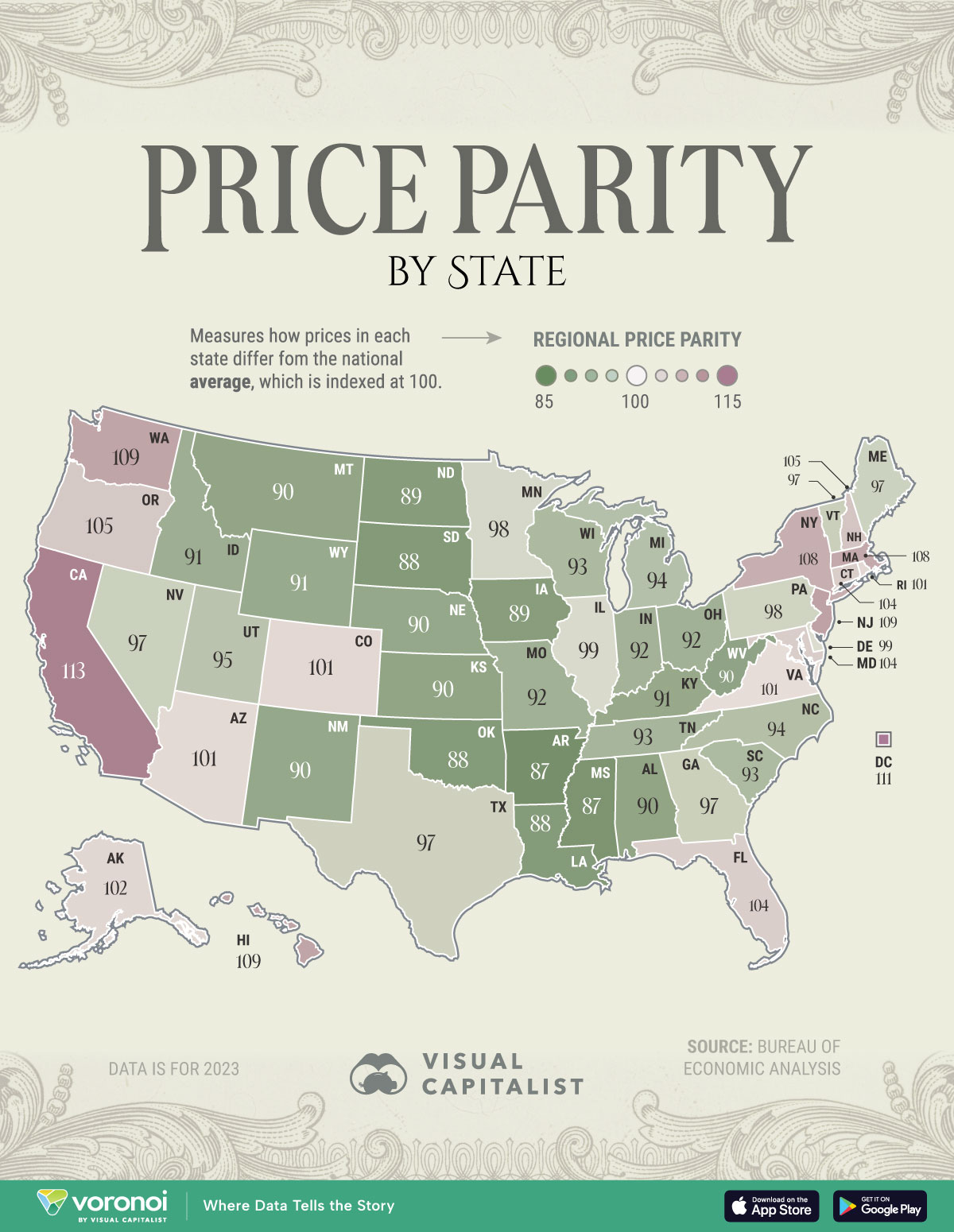
In conclusion, the question of whether Colorado is an expensive state to live in yields a clear affirmative for many of its residents. The high cost of housing is a primary driver, followed by elevated expenses for goods, services, and the lifestyle activities that define the state. Taxes, while not the highest nationally, also contribute to the overall financial picture.
However, for many, the allure of Colorado — its unparalleled natural beauty, outdoor recreation opportunities, robust economy, and vibrant culture — represents a worthwhile trade-off. Living in Colorado is often viewed as an investment in a particular quality of life. Potential residents and visitors considering extended stays must conduct thorough financial planning, factoring in housing, daily living expenses, transportation, recreational pursuits, and taxes. By understanding these costs upfront, individuals can make informed decisions and better manage their budgets to enjoy all that the Centennial State has to offer, from the peaks of the Rocky Mountains to the urban landscapes of its thriving cities.
LifeOutOfTheBox is a participant in the Amazon Services LLC Associates Program, an affiliate advertising program designed to provide a means for sites to earn advertising fees by advertising and linking to Amazon.com. Amazon, the Amazon logo, AmazonSupply, and the AmazonSupply logo are trademarks of Amazon.com, Inc. or its affiliates. As an Amazon Associate we earn affiliate commissions from qualifying purchases.