
Colorado, a state synonymous with the majestic Rocky Mountains, sprawling plains, and dramatic canyons, often conjures images of breathtaking vistas and unparalleled natural beauty. The question of whether a drive through Colorado is scenic is, for many, a rhetorical one. The Centennial State is a veritable tapestry of landscapes, offering a visual feast for anyone who ventures within its borders. From the moment one crosses the state line, whether heading east from Kansas or west from Nebraska, or descending from the high plains of Wyoming, or ascending from the arid lands of New Mexico and Utah, the scenery begins to unfold, revealing its diverse and captivating character. This exploration delves into the myriad ways a drive through Colorado can be an intensely scenic experience, highlighting key routes and regions that define the state’s visual appeal.
Peaks, Valleys, and Alpine Majesty
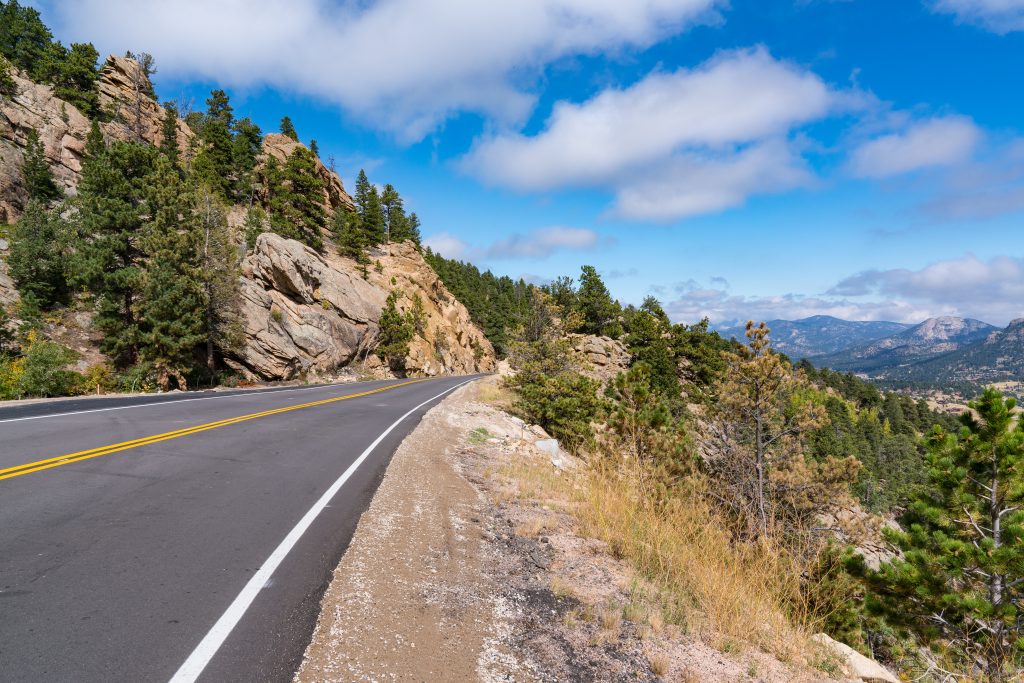
The heart of Colorado’s scenic allure lies in its towering mountain ranges. The Rocky Mountains are not just a geographical feature; they are the dominant narrative of the state’s landscape. Driving through Colorado means traversing passes that offer panoramic views stretching for miles, valleys carved by ancient glaciers, and meadows bursting with wildflowers in the warmer months.
Iconic Mountain Passes
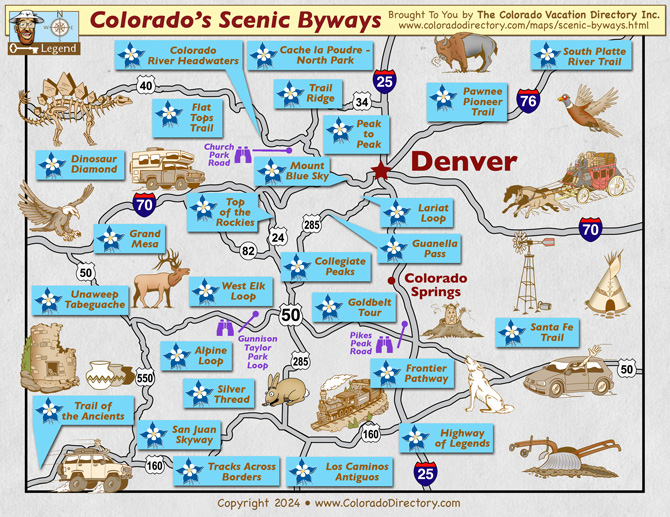
Several highways in Colorado are celebrated for their scenic beauty, often winding their way through the most dramatic mountain terrain.
- Trail Ridge Road (U.S. Highway 34) in Rocky Mountain National Park is arguably one of the most spectacular drives in North America. Open seasonally, typically from late May to mid-October, it reaches an elevation of over 12,000 feet, offering unparalleled access to the alpine tundra. The drive presents views of snow-capped peaks, vast valleys, and an ever-changing panorama as you ascend and descend. Wildlife sightings, including elk and bighorn sheep, are common, adding another layer to the visual experience.
- Independence Pass (State Highway 133) near Aspen is another gem, known for its challenging twists and turns, but rewarding drivers with stunning views of the Maroon Bells-Snowmass Wilderness. The pass is a gateway to pristine alpine environments and offers a sense of immense scale and raw wilderness.
- Guanella Pass (County Road 62) provides a more accessible yet equally beautiful mountain experience, connecting Georgetown with Grant. It traverses through aspen groves that explode in color during autumn and offers access to hiking trails leading to alpine lakes and summits.
- Million Dollar Highway (U.S. Highway 550) in southwestern Colorado is legendary for its dramatic cliffside construction and breathtaking, often vertiginous, views. This stretch, part of the San Juan Skyway, winds through the San Juan Mountains, offering glimpses of historic mining towns like Ouray and Silverton, and plunging into deep canyons. The sheer drop-offs and the scale of the surrounding peaks make this a truly unforgettable drive.
High-Altitude Lakes and Rivers
As you drive through the mountainous regions, the presence of crystal-clear alpine lakes and vibrant rivers adds to the scenic splendor. Many of these bodies of water are fed by snowmelt, creating turquoise and emerald hues that contrast beautifully with the surrounding evergreen forests and rocky slopes. Lakes like Grand Lake, the largest natural lake in Colorado, or the numerous reservoirs nestled in mountain valleys, offer opportunities for reflection and photography, enhancing the scenic drive. The rivers, such as the Colorado River in its upper reaches or the roaring canyons of the Arkansas River, provide a dynamic element to the landscape, their banks often lined with vibrant cottonwood trees.
From High Plains to Arid Canyons
While the mountains often steal the spotlight, Colorado’s scenic beauty extends far beyond the alpine. The state’s diverse geography includes vast high plains in the east and dramatic canyonlands in the west and south, each offering a unique and compelling visual narrative.
The Eastern Plains and Prairies
The eastern plains of Colorado, often overlooked by those rushing towards the mountains, possess a subtle yet profound beauty. Driving through this region reveals an expansive sky, the horizon stretching endlessly in every direction. The landscape is characterized by rolling grasslands, agricultural fields that paint the land in varying shades of green and gold depending on the season, and dramatic sunrises and sunsets that ignite the sky with an explosion of color.

- Big Sky Country: The sheer scale of the plains creates a sense of openness and freedom. This is a landscape that invites contemplation, where the vastness of the sky and the subtle contours of the land encourage a slower pace of observation.
- Agricultural Tapestry: The patchwork of farms and ranches forms a visually interesting mosaic. Fields of wheat, corn, and sunflowers create distinct patterns, and the isolated farmsteads with their characteristic silos add a touch of rustic charm to the panorama.
- Unique Formations: While predominantly flat, the plains are punctuated by interesting geological formations, such as the dramatic rock outcrops of the Pawnee National Grassland or the hoodoos and buttes that dot the landscape, remnants of ancient geological processes.
Southern and Western Colorado’s Geological Wonders
The southern and western parts of Colorado are a testament to the erosive power of water and wind over millennia, resulting in a dramatic array of canyons, mesas, and desert landscapes.
- The San Juan Skyway: Beyond the Million Dollar Highway, this extensive scenic byway encircles the San Juan Mountains and delves into landscapes reminiscent of the American Southwest. Towns like Durango and Cortez serve as gateways to this region.
- Mesa Verde National Park: A UNESCO World Heritage Site, Mesa Verde National Park offers a unique blend of natural beauty and human history. The cliff dwellings, perched precariously on canyon walls, are an awe-inspiring sight, set against a backdrop of rugged canyons and high desert flora. Driving through the park provides access to numerous viewpoints overlooking these ancient architectural marvels.
- Dinosaur National Monument: Straddling the border with Utah, this monument is famed for its fossil-rich cliffs. The drive into the monument reveals a rugged, arid landscape shaped by the Green and Yampa Rivers, leading to viewpoints that showcase the dramatic canyons and the vast desert expanse.
- Great Sand Dunes National Park and Preserve: In south-central Colorado, the sight of massive sand dunes rising against the backdrop of the Sangre de Cristo Mountains is an unexpected and striking contrast. The drive to the park offers views of the expansive San Luis Valley before the imposing dunes come into view, creating a surreal and visually stunning landscape.
Scenic Drives Beyond the Beaten Path
While the designated scenic byways and national parks are undeniable highlights, many of Colorado’s regular highways also offer moments of exceptional scenic beauty. The key is often to slow down and appreciate the subtle shifts in landscape.
Transition Zones and River Valleys
The transition between different geographical zones within Colorado is often where some of the most interesting visual juxtapositions occur. Driving from the plains into the foothills, or from the mountains down into a river valley, can present a dynamic progression of scenery.
- Foothills: The transition from the high plains to the Rocky Mountains is marked by the foothills, a region of rolling hills, canyons, and increasingly rugged terrain. Highways like Colorado State Highway 93 between Golden and Boulder offer glimpses of this transitional landscape, with dramatic rock formations and views back towards the plains.
- River Valleys: Many of Colorado’s major rivers carve through the state, and the drives along these valleys are often incredibly scenic. The Poudre River Canyon (State Highway 14) north of Fort Collins, for instance, offers a winding, picturesque drive through granite rock formations and alongside the rushing river. Similarly, the Arkansas River Valley provides access to scenic byways and numerous opportunities to appreciate the river’s power and beauty.
Seasonal Transformations
Colorado’s scenery is not static; it undergoes dramatic transformations with the changing seasons, each offering a unique palette and mood.
- Spring: While still holding onto snow in the higher elevations, spring brings a sense of awakening. Lower elevations see the emergence of vibrant green grasses and the first wildflowers, while the mountain snowpack creates dramatic contrasts with the emerging life.
- Summer: This is the season of lush greenery, vibrant wildflower displays in the alpine meadows, and the deep blues of mountain lakes. The mountains are at their most accessible, and the clear, crisp air enhances the visual clarity of the landscapes.
- Autumn: Perhaps the most visually spectacular season, autumn transforms the Colorado landscape into a riot of color. The aspen groves turn from green to brilliant shades of gold, orange, and red, creating breathtaking panoramas, particularly in the mountain regions. Drives through areas like Crested Butte or Kebler Pass become legendary for their autumnal beauty.
- Winter: Covered in a blanket of snow, Colorado takes on a serene, majestic quality. The stark beauty of snow-covered peaks, frozen lakes, and evergreen forests creates a landscape of quiet grandeur. While many mountain passes are closed, drives through lower elevations and well-maintained highways still offer stunning winter vistas.
Conclusion: A Definitive Yes
The question of whether a drive through Colorado is scenic is unequivocally answered with a resounding yes. The state is a masterclass in geographical diversity and natural splendor. Whether you are navigating the dramatic heights of mountain passes, tracing the paths of ancient rivers through canyons, or simply traversing the expansive beauty of the high plains, Colorado offers a continuous stream of breathtaking views. The state’s commitment to preserving its natural heritage through national parks, forests, and scenic byways ensures that these vistas remain accessible for generations to come. A drive through Colorado is not merely transportation; it is an immersive journey through some of the most awe-inspiring landscapes the American West has to offer, a true feast for the eyes and the soul.
LifeOutOfTheBox is a participant in the Amazon Services LLC Associates Program, an affiliate advertising program designed to provide a means for sites to earn advertising fees by advertising and linking to Amazon.com. Amazon, the Amazon logo, AmazonSupply, and the AmazonSupply logo are trademarks of Amazon.com, Inc. or its affiliates. As an Amazon Associate we earn affiliate commissions from qualifying purchases.