
As the seasons shift across the diverse landscapes of Colorado, so too does the airborne pollen count, significantly impacting the experience for many visitors and residents. Understanding which allergens are currently peaking is crucial for planning outdoor activities, choosing accommodations, and ensuring a comfortable stay. This guide delves into the prevalent allergens in Colorado and offers insights into navigating seasonal sensitivities, allowing you to fully embrace the beauty of the Centennial State without discomfort.
Understanding Colorado’s Allergen Landscape
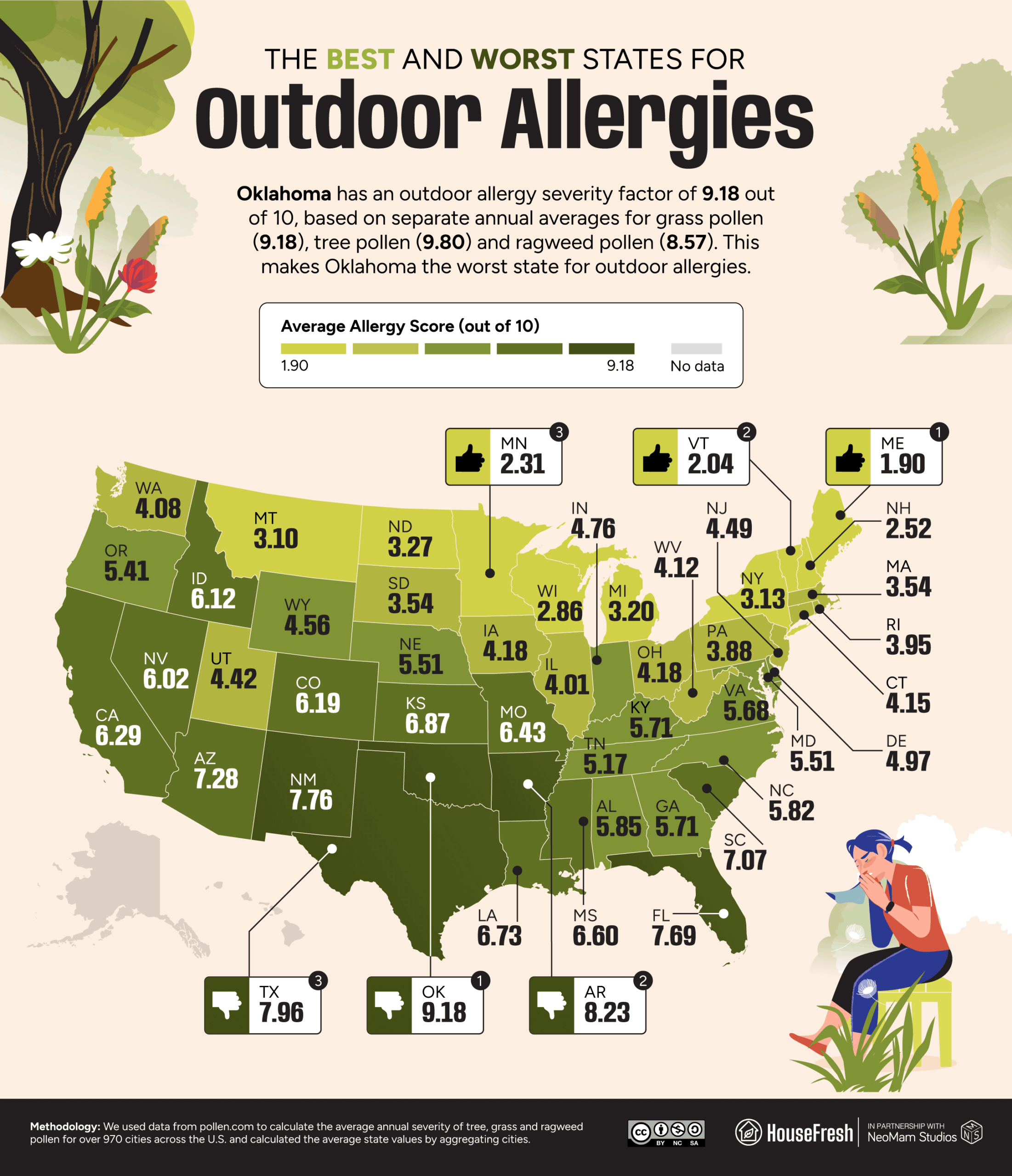
Colorado’s unique geography, from the arid eastern plains to the high mountain ranges, creates distinct microclimates that influence allergen production and dispersal. Elevation, humidity levels, and prevailing winds all play a role in the types and concentrations of pollen present. Generally, spring and summer tend to be the most challenging seasons for allergy sufferers due to the prevalence of tree, grass, and weed pollens. However, specific regional factors can lead to variations even within the state.
Springtime Pollen Peaks
As winter snow melts and the dormant vegetation awakens, Colorado experiences a surge in tree pollens.
Early Spring: Trees Awaken
- Cottonwood: This species is notorious for its fluffy, cotton-like seeds and high pollen counts, particularly in lower elevations and along riparian areas. The pollen is generally released from early to late spring.
- Elm: Elm trees begin releasing their pollen early in the spring, often coinciding with the thaw.
- Oak: While not as widespread as in some other regions, oak pollen can be a significant allergen in specific Colorado locales, typically appearing in late spring.
- Pine and Juniper: These hardy evergreens contribute to the pollen load, especially in mountainous regions and along the foothills. Pine pollen, while often perceived as more of a nuisance than a severe allergen for most, can be present in very high quantities. Juniper pollen can be an early spring irritant for sensitive individuals.
Summer’s Abundance: Grasses and Weeds Take Over
As the spring tree pollens begin to subside, summer ushers in a new wave of airborne irritants, primarily from grasses and weeds.
Mid to Late Summer: Grasses and Beyond
- Grasses: A vast array of grass species are native to or cultivated in Colorado, and their pollens are a major contributor to summer allergies. This can include species like Bermuda grass, Timothy grass, and Kentucky bluegrass. Peak season typically runs from late spring through mid-summer.
- Ragweed: This pervasive weed is a significant allergen, especially in late summer and early fall. Its presence is more common in disturbed areas and agricultural lands.
- Sagebrush: Particularly prevalent in drier regions and at higher elevations, sagebrush releases allergenic pollen throughout the summer months.
- Mugwort: Another common weed allergen, mugwort pollen can be a problem from mid-summer into the fall.
Fall’s Lingering Threats
While many anticipate relief in the fall, certain weed pollens continue to pose a challenge, and mold spores can also become more prevalent, especially with changing moisture patterns.
Late Season Allergens
- Ragweed: As mentioned, ragweed remains a primary concern well into the fall.
- Mugwort: This weed continues to release pollen as the temperatures begin to cool.
- Mold Spores: With the increased moisture from autumn rains and decaying organic matter, mold spores can become a significant allergen, particularly in damp environments, basements, and areas with leaf litter.
Navigating Allergy Season in Colorado
Being aware of the current allergen levels is the first step in managing your health while enjoying Colorado. Several resources and strategies can help minimize exposure and alleviate symptoms.
Leveraging Real-Time Allergen Information
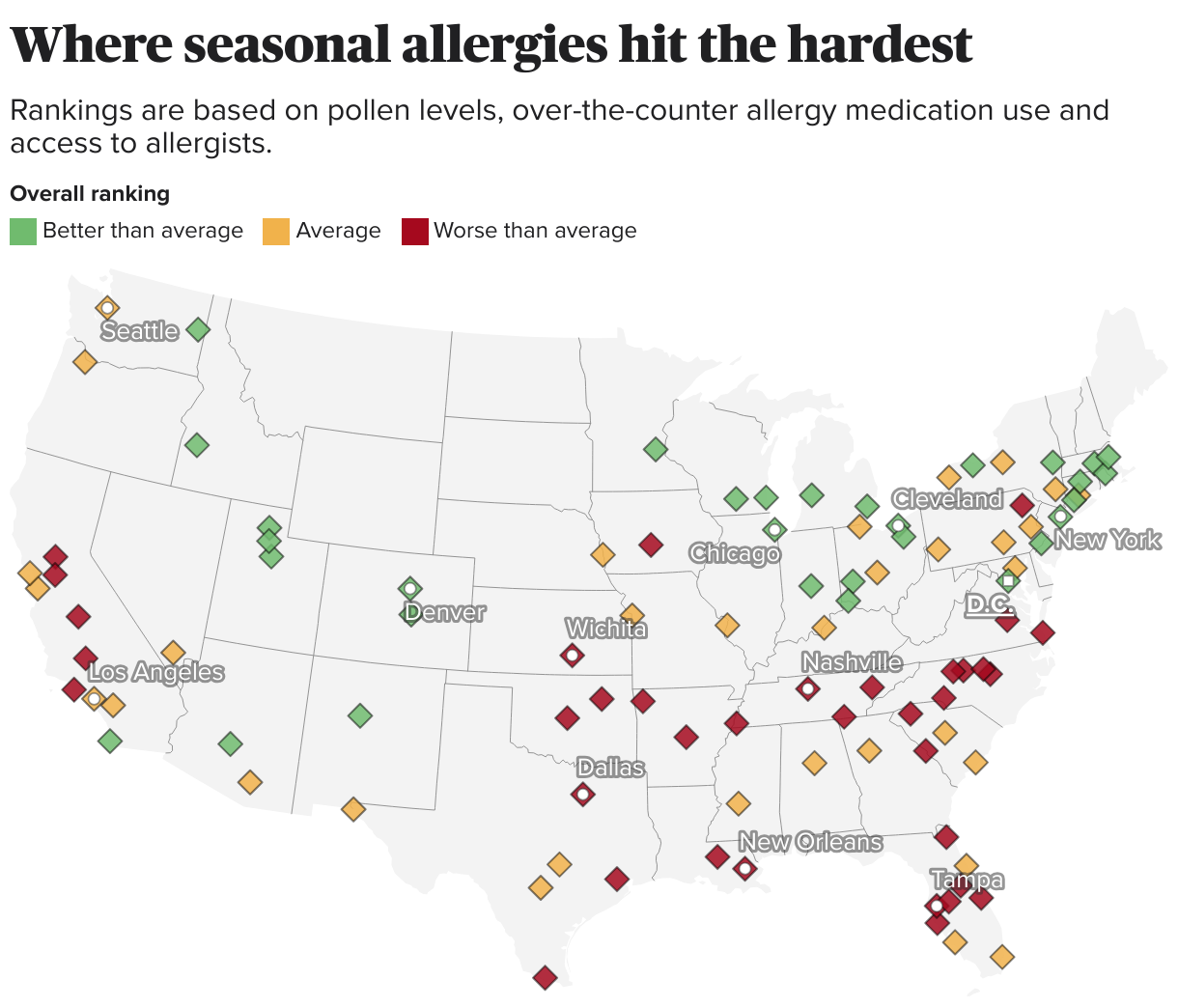
Staying informed about daily pollen and mold counts is essential for proactive allergy management. Numerous websites and mobile applications provide this crucial data, often specific to Colorado cities and regions.
Key Resources for Pollen Counts
- Local Weather Stations: Many local news and weather channels offer daily pollen reports alongside their weather forecasts.
- Allergy-Specific Websites: Reputable allergy information websites often maintain detailed databases for allergen levels across the country, including Colorado. Examples include the National Allergy Bureau and sites like Pollen.com.
- Mobile Applications: Dedicated allergy apps can provide real-time alerts and personalized forecasts based on your location within Colorado.
When consulting these resources, pay attention to the specific allergens listed and their corresponding counts (e.g., low, moderate, high, very high). This information can help you decide whether to proceed with outdoor plans, take preventive medication, or opt for indoor activities.
Strategies for Minimizing Exposure
Once you are aware of high allergen levels, implementing strategies to reduce your exposure becomes paramount.
Practical Tips for Allergy Sufferers
- Monitor Pollen Counts: Check daily reports before planning outdoor excursions. On days with very high pollen counts, consider limiting your time outdoors, especially during peak pollen hours (typically mid-morning to late afternoon).
- Keep Windows and Doors Closed: Especially during peak pollen seasons, keep your home and hotel room windows and doors shut to prevent pollen from entering. Use air conditioning with clean filters.
- Limit Outdoor Activity During Peak Hours: If you must be outdoors, try to do so during early morning or late evening when pollen counts are generally lower.
- Shower and Change Clothes After Outdoor Activities: Pollen can cling to your hair, skin, and clothing. Showering and washing your clothes promptly after being outside can significantly reduce allergen exposure in your living space.
- Wear a Mask: For individuals with severe allergies, wearing a mask, especially an N95 respirator, when engaging in outdoor activities like hiking in Colorado’s beautiful Rocky Mountains or gardening, can offer substantial protection.
- Consider Air Purifiers: For accommodations, especially hotels, inquire about rooms equipped with air purifiers or consider bringing a portable one.
- Plan Indoor Attractions: Colorado offers a wealth of indoor attractions that are perfect for allergy sufferers. This includes world-class museums in Denver like the Denver Museum of Nature & Science, exploring the culinary scene, or enjoying indoor entertainment.
Accommodation Considerations for Allergy Sufferers
When booking accommodation in Colorado, especially during high allergen seasons, certain considerations can make a significant difference in your comfort and overall travel experience.
Choosing the Right Lodging
The type of accommodation and its amenities can play a role in managing allergies.
Allergy-Conscious Choices
- Hotels with Advanced HVAC Systems: Look for hotels that emphasize their air filtration systems. Many higher-end hotels, such as those in the Gaylord Rockies Resort & Convention Center or the Broadmoor Seven Falls area in Colorado Springs, invest in robust air purification and climate control. Inquire about the type of filters used.
- Properties with Minimal Greenery Immediately Outside: While the natural beauty of Colorado is a draw, properties directly adjacent to dense forests or large grassy areas might have higher ambient pollen counts. Consider locations that are a bit more removed from such environments, perhaps in urban centers or areas with more paved surroundings.
- Look for “Hypoallergenic” Room Options: Some hotels may offer rooms specifically designated as hypoallergenic, featuring special bedding, flooring, and air filtration.
- Vacation Rentals: Vacation rental properties, such as those found through platforms like Airbnb or Vrbo in areas like Aspen or Vail, can sometimes offer more control. You can inquire about the property’s air conditioning and fan systems, and potentially request specific cleaning protocols. However, be aware that many rentals are in natural settings, so research is key.
Amenities to Prioritize
Beyond the general type of lodging, specific amenities can enhance an allergy-friendly stay.

Essential Amenities
- Effective Air Conditioning and Filtration: This is paramount. Ensure the AC system is modern, well-maintained, and capable of filtering out fine particles.
- Non-Carpeted Flooring: Hardwood, tile, or laminate flooring is generally preferable to carpeting, which can trap pollen and dust mites.
- Regular Cleaning Protocols: Ask about the hotel’s housekeeping schedule and their use of hypoallergenic cleaning products.
- Blackout Curtains: While primarily for sleep, they also help keep windows sealed and prevent pollen from entering when closed.
By understanding the allergen calendar for Colorado and implementing these practical strategies, you can significantly improve your comfort and enjoyment of this spectacular state, regardless of the season. Whether you’re exploring the vibrant city of Denver, hiking through the majestic Rocky Mountains, or enjoying the charm of smaller towns, a well-prepared traveler is a comfortable traveler.
LifeOutOfTheBox is a participant in the Amazon Services LLC Associates Program, an affiliate advertising program designed to provide a means for sites to earn advertising fees by advertising and linking to Amazon.com. Amazon, the Amazon logo, AmazonSupply, and the AmazonSupply logo are trademarks of Amazon.com, Inc. or its affiliates. As an Amazon Associate we earn affiliate commissions from qualifying purchases.