
Colorado, a state celebrated for its majestic mountains, vibrant cities, and diverse landscapes, offers a wealth of experiences for every traveler. For those navigating with a wheelchair, careful planning can unlock the full splendor of the Centennial State. This guide focuses on areas and attractions within Colorado that prioritize accessibility, ensuring a memorable and enjoyable journey. We’ll delve into destinations that have made significant strides in providing inclusive environments, from urban centers with robust infrastructure to natural wonders with thoughtful design.
Denver: Urban Accessibility and Cultural Hub
As Colorado’s capital and most populous city, Denver boasts the most developed infrastructure for wheelchair users. Its commitment to accessibility is evident in its public transportation, attractions, and downtown core.

Getting Around Denver
Denver’s Regional Transportation District (RTD) offers extensive bus and light rail services with many vehicles equipped with ramps or lifts. The Free MallRide and MAX Bus Rapid Transit lines along the 16th Street Mall provide convenient and accessible transportation within the heart of the city. Many sidewalks are well-maintained and feature curb cuts.
Accessible Attractions in Denver
- Denver Museum of Nature & Science: This renowned institution is largely accessible, with elevators connecting all floors and exhibits designed to be viewed from various heights. Accessible restrooms and ample space between displays facilitate easy navigation.
- Denver Art Museum: Featuring a vast collection, the museum offers elevators, ramps, and wide pathways. Its modern architecture, including the Hamilton Building, was designed with accessibility in mind.
- Denver Botanic Gardens: While some garden paths may be gravel, many main routes are paved and accessible. The management has made efforts to ensure key areas, including the Conservatory, are navigable for wheelchair users.
- Colorado State Capitol Building: Tours of the capitol are available and can accommodate wheelchair users. Elevators provide access to different levels, and staff are generally helpful in guiding visitors.
- Elitch Gardens Theme & Water Park: Elitch Gardens is committed to providing an enjoyable experience for guests with disabilities. Many rides and attractions have specific accessibility guidelines, and the park offers a Disability Guide to help plan your visit.
- Larimer Square: This historic block offers charming shops and restaurants, with many establishments featuring accessible entrances. The cobblestone streets can present a challenge, but many businesses have taken steps to mitigate this.
Dining and Entertainment
Denver’s culinary scene is vibrant and diverse, with a growing number of restaurants offering accessible dining spaces. Many venues in areas like RiNo (River North Art District) and LoDo (Lower Downtown) are equipped with ramps and accessible restrooms. The Performing Arts Complex also has accessible seating and facilities.
Boulder: Natural Beauty with Accessible Trails
Nestled at the foothills of the Rocky Mountains, Boulder offers a unique blend of outdoor recreation and a progressive, health-conscious atmosphere, with increasing attention to accessibility.
Exploring Boulder’s Outdoors
- Boulder Creek Path: This scenic paved path stretches for miles, offering stunning views of the Flatirons. It is largely flat and well-maintained, making it ideal for wheelchair users to enjoy the natural beauty of Boulder. You can access it from various points downtown.
- Chautauqua Park: While some of the trails within Chautauqua Park are rugged, the main paved road offers accessible viewpoints and picnic areas. The historic Chautauqua Dining Hall is also accessible.
- Eldorado Canyon State Park: While not entirely accessible, the Visitor Center area and some overlooks provide opportunities to appreciate the dramatic canyon scenery. Efforts are ongoing to improve accessibility within the park.
Downtown Boulder and Pearl Street Mall
The world-famous Pearl Street Mall is a pedestrian mall lined with unique shops, restaurants, and galleries. The mall is paved and relatively flat, with accessible entrances to most businesses. Street performers and public art add to the lively atmosphere, making it an enjoyable place to explore.
Colorado Springs: Pikes Peak Region and Adaptive Adventures
Colorado Springs, situated south of Denver, is home to iconic natural landmarks and offers a growing number of accessible activities.
Iconic Attractions

- Garden of the Gods Park: This stunning geological wonder features striking red rock formations. The park offers several paved, accessible trails, including the main loop around the Siamese Twins and Kissing Camels. The Visitor and Nature Center is also fully accessible and provides excellent views.
- Pikes Peak: While summiting Pikes Peak via the highway or the Cog Railway (currently undergoing extensive renovation and may not be fully accessible upon reopening) presents challenges, the new Summit Visitor Center at the top is designed with accessibility in mind, offering panoramic views.
- United States Air Force Academy: The grounds of the Air Force Academy are generally accessible, and visitors can explore the iconic Cadet Chapel and Visitor Center.
Accessible Experiences
- Cheyenne Mountain Zoo: This unique zoo, located on the side of Cheyenne Mountain, has made significant improvements to its accessibility. Many pathways are paved, and there are accessible viewing areas for animals. The mountaineering tram offers stunning views but has limited accessible capacity.
- Manitou Springs: This charming Victorian town near Colorado Springs offers accessible shops and restaurants, particularly along its main streets. The mineral springs themselves can be accessed via ramps at various points.
Breckenridge: Mountain Charm with Accessible Options
While many mountain towns are characterized by steep terrain, Breckenridge has invested in making its historic downtown and some recreational areas more accessible.
Accessible Mountain Activities
- Breckenridge Ski Resort: During the winter season, Breckenridge Ski Resort offers adaptive ski programs through its Breckenridge Outdoor Education Center (BOEC), which provides adaptive equipment and instruction. While skiing itself is an activity that requires specific adaptive approaches, the base areas and lodges are generally accessible.
- Breckenridge Recreation Center: This facility offers accessible swimming pools, fitness areas, and other amenities.
- Historic Main Street: Breckenridge’s Main Street has a mix of accessible and less accessible storefronts due to its historic nature. However, many newer establishments and recent renovations have improved access. The town has made efforts to ensure sidewalks are navigable.
Grand Junction and the Western Slope: Unique Landscapes
The western part of Colorado, particularly around Grand Junction, offers a different kind of beauty with its desert landscapes and unique geological formations.
Gateway to Natural Wonders
- Colorado National Monument: This stunning park offers dramatic canyon views. The scenic Rim Rock Drive is paved and provides access to numerous overlooks, many of which are accessible with paved paths. The visitor centers are also accessible.
- Dinosaur National Monument: While much of the monument is rugged, the Quarry Exhibit Hall, which protects a significant dinosaur fossil quarry, is accessible. The scenic drives within the monument offer viewpoints, though access to trails may be limited.
- Downtown Grand Junction: The downtown area is developing its accessibility, with many shops and restaurants making accommodations. The tree-lined streets offer a pleasant environment for exploration.
Planning Your Accessible Colorado Adventure
When planning a trip to Colorado with wheelchair accessibility as a priority, several key considerations will enhance your experience:
Accommodation
- Accessible Hotel Rooms: When booking hotels, always confirm the availability of ADA-compliant rooms. Look for features like roll-in showers, grab bars, and sufficient turning radius. Websites like AccessibleGO or direct communication with hotels can be invaluable.
- Vacation Rentals: Consider vacation rentals, as some offer more customized accessibility features, though this requires careful vetting.
Transportation
- Accessible Vehicles: Renting an accessible vehicle in advance is highly recommended, especially if exploring areas outside major cities. Companies specializing in adaptive vehicle rentals are available.
- Public Transportation: Research the accessibility of public transport in each city you plan to visit. RTD in Denver is generally good, but services vary greatly in smaller towns.
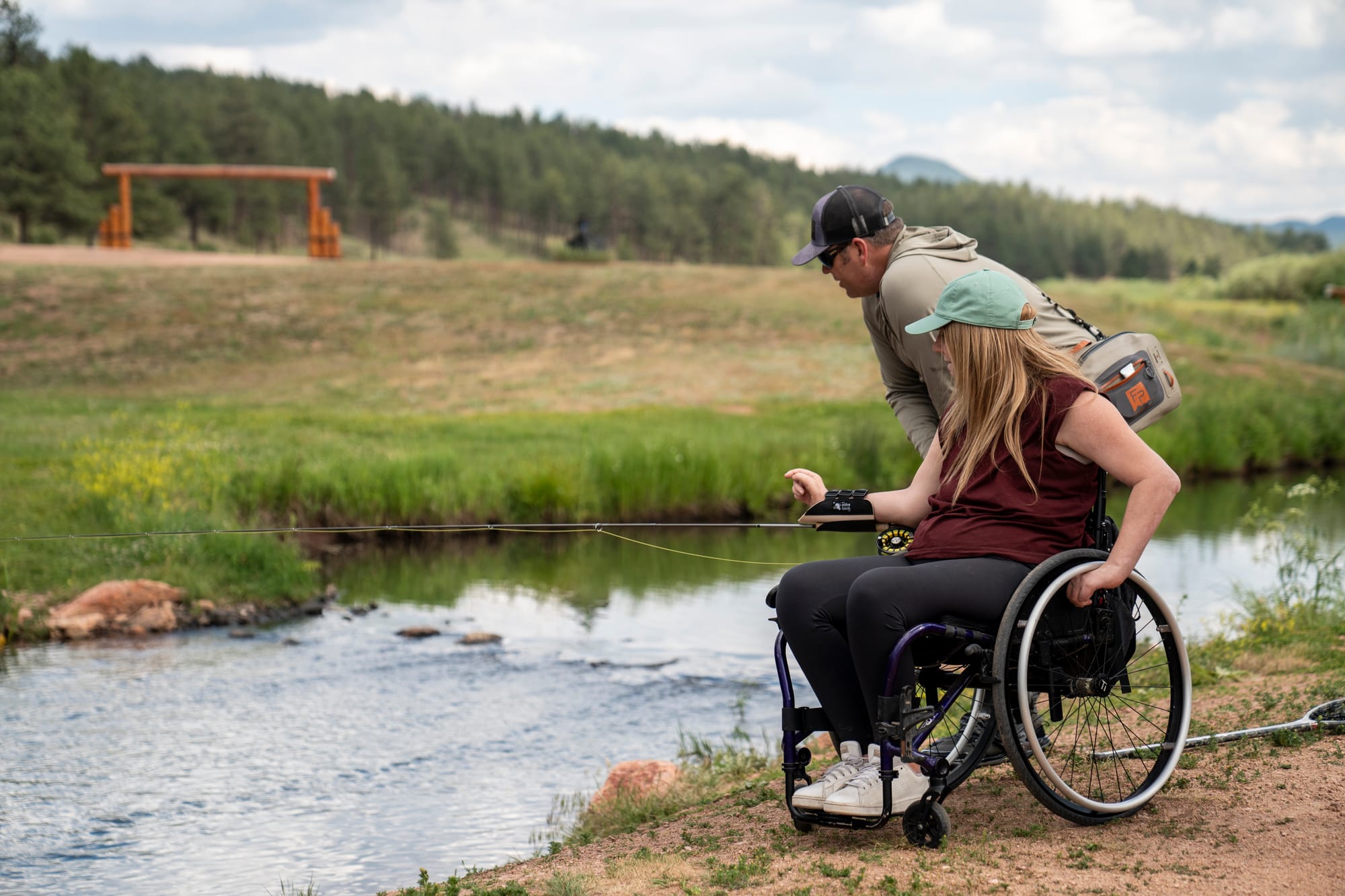
Activities and Attractions
- Pre-Visit Research: Always contact attractions directly or check their websites for specific accessibility information before your visit. This includes information on trail surfaces, ramp availability, elevator access, and any adaptive programs offered.
- Pacing Your Trip: Colorado’s elevation can affect some individuals. Plan for a slower pace, especially when first arriving, and stay hydrated.
- Terrain Awareness: Be mindful of the natural terrain in Colorado. Mountain towns and natural areas, while beautiful, can present challenges. Prioritize paved trails and well-maintained pathways.
By focusing on destinations and attractions that have embraced accessibility, travelers using wheelchairs can experience the breathtaking beauty and vibrant culture of Colorado with confidence and ease. The state is continuously working towards greater inclusivity, making it an increasingly welcoming destination for all.
LifeOutOfTheBox is a participant in the Amazon Services LLC Associates Program, an affiliate advertising program designed to provide a means for sites to earn advertising fees by advertising and linking to Amazon.com. Amazon, the Amazon logo, AmazonSupply, and the AmazonSupply logo are trademarks of Amazon.com, Inc. or its affiliates. As an Amazon Associate we earn affiliate commissions from qualifying purchases.