
Colorado, a state renowned for its majestic Rocky Mountains and vibrant outdoor culture, offers a diverse range of climates that are as varied as its stunning landscapes. Understanding these climatic nuances is crucial for anyone planning a visit, whether seeking adventure, relaxation, or a deeper appreciation for its natural beauty. This guide delves into the distinct climate zones of Colorado, highlighting what travelers can expect throughout the year and how these conditions shape the state’s unparalleled attractions.
Understanding Colorado’s Diverse Climates
Colorado’s climate is largely dictated by its elevation and topography. The state is bisected by the Continental Divide, a dramatic mountain range that significantly influences weather patterns. Generally, Colorado experiences a semi-arid to arid climate with significant variations between its eastern plains and its western mountain regions. The state is characterized by abundant sunshine, with Denver, the capital, receiving more sunny days than many other major U.S. cities. However, this sunny disposition is often accompanied by dramatic temperature swings, particularly at higher altitudes.
Eastern Plains: The High Plains Experience
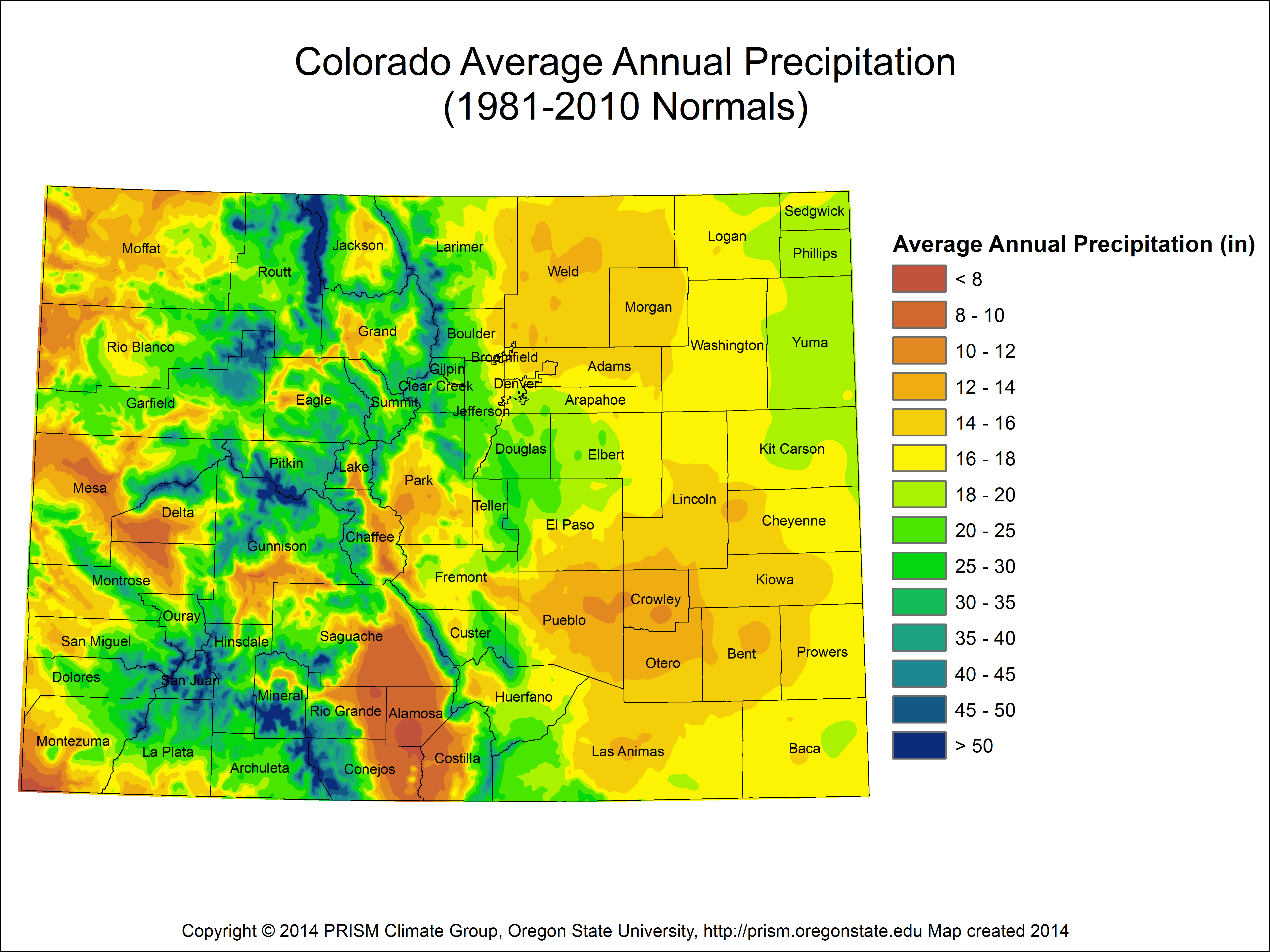
The eastern third of Colorado is dominated by high plains, an extension of the Great Plains. This region is characterized by lower elevations, rolling grasslands, and a more temperate, though still semi-arid, climate. Summers here can be hot, with temperatures frequently exceeding 90°F (32°C), and can be accompanied by thunderstorms. Winters are cold, with significant snowfall and temperatures often dipping below freezing. Wind is a constant factor on the plains, contributing to rapid temperature changes and creating dramatic weather phenomena like blizzards and dust storms. Towns like Limon and Sterling exemplify the climate of this region.
Mountainous Core: The Rockies’ Influence
The vast majority of Colorado’s landmass is comprised of the Rocky Mountains, a formidable mountain range that creates distinct climatic zones based on elevation. As elevation increases, temperatures decrease, and precipitation, particularly snowfall, increases dramatically.
Alpine Zones (Above 11,000 feet)
Above the tree line, the climate is distinctly alpine. Winters are long and severe, with heavy snowfall that can last well into the summer months. Temperatures rarely rise above freezing even in July and August, and strong winds are common. This is the realm of high-altitude parks like Rocky Mountain National Park, where winter conditions can persist year-round. Visitors to these altitudes must be prepared for extreme weather, including rapid snowstorms and intense sunlight due to the thinner atmosphere.
Montane Zones (6,000-11,000 feet)
This is the most visited elevation band in Colorado, home to most of the state’s famous ski resorts and mountain towns like Aspen, Vail, and Breckenridge. The montane zone experiences four distinct seasons. Summers are generally mild and pleasant, with warm days and cool nights, though afternoon thunderstorms are common. Winters are characterized by abundant snowfall, making it a paradise for skiers and snowboarders. Spring can be a transitional period, with melting snow and variable temperatures, sometimes referred to as “mud season.” Fall, however, is a spectacular time, with crisp air and the iconic golden aspens carpeting the mountainsides.
Subalpine Zones (Below 6,000 feet in mountain valleys)
Lower mountain valleys and canyons experience a climate that is moderated by the surrounding peaks. While still receiving snow in winter, the amounts are generally less than at higher elevations. Summers are warm to hot, similar to the plains but often with more moderate overnight temperatures due to the elevation. Towns such as Durango and Grand Junction fall within this zone, offering a balance of mountain beauty and milder weather.
Western Slope: Desert and Canyon Country
The western part of Colorado, often referred to as the “Western Slope,” features a different climate altogether, influenced by its lower elevations and rain shadow effect from the Rocky Mountains. This region is characterized by arid to semi-arid desert landscapes, canyons, and mesas. Summers are hot and dry, with temperatures frequently exceeding 100°F (38°C). Winters are milder than in the mountains, with less snow, though frost and freezing temperatures are still common. Iconic areas like Mesa Verde National Park and the Colorado National Monument are found here, offering a unique desert experience.
Seasonal Climate and Travel Considerations
Colorado’s climate dictates the best times to visit for specific activities and experiences.
Spring (March – May)
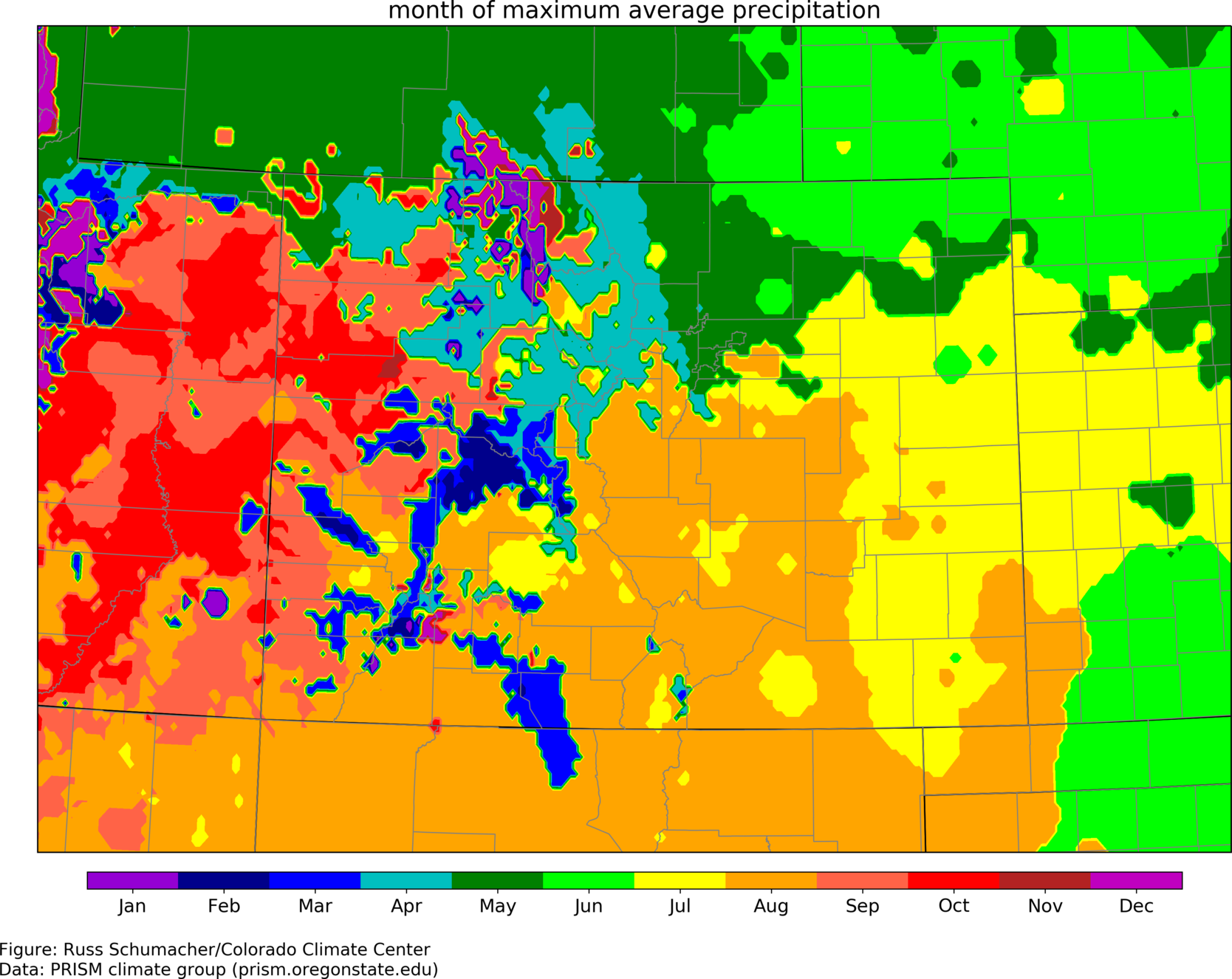
Spring in Colorado is a season of transition. In the mountains, this is prime ski season with deep snowpack at higher elevations, while lower elevations begin to thaw, leading to the “mud season” in some resort towns. The plains experience warming temperatures and increased wind. This is a good time for late-season skiing and enjoying the blossoming wildflowers in lower valleys. Be prepared for unpredictable weather, with snow still a possibility even in late May.
Summer (June – August)
Summers in Colorado are generally warm and sunny, making it ideal for hiking, camping, and exploring national parks. The mountains offer cooler temperatures than the plains, making them a popular escape. Afternoon thunderstorms are a common occurrence, especially in the mountains, so planning outdoor activities for mornings is advisable. The Western Slope can be very hot during these months, so early morning or late afternoon excursions are recommended.
Fall (September – November)
Fall is arguably one of the most beautiful times to visit Colorado. The crisp air and vibrant golden foliage of the aspen trees create breathtaking scenery. This season offers excellent hiking and biking conditions before the winter snows arrive. The mountain towns are charming, and the lower elevations are pleasant for exploring. This is a popular time for photographers and nature lovers.
Winter (December – February)
Colorado transforms into a winter wonderland during these months, making it a premier destination for winter sports. Ski resorts are in full swing, offering world-class skiing and snowboarding. The snow-covered landscapes are stunningly beautiful, and the crisp, cold air is invigorating. While the mountains receive heavy snowfall, the plains experience cold temperatures with occasional snow. Travelers should be prepared for winter driving conditions and cold weather gear is essential. Cities like Denver offer a city experience with access to nearby ski areas.
Microclimates and Elevation Impacts
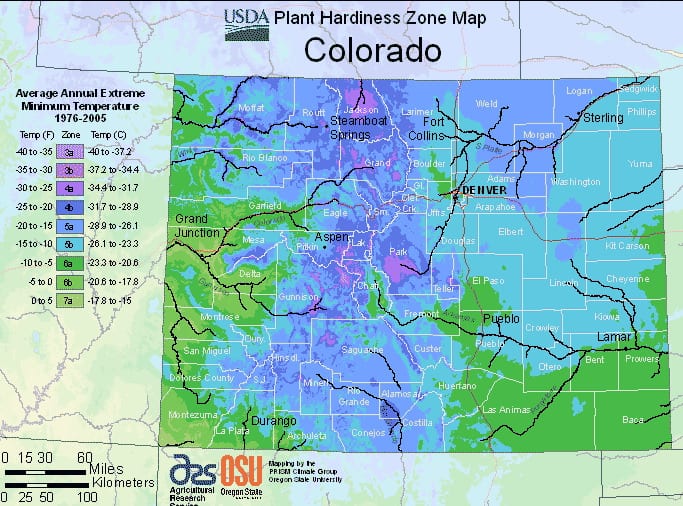
The dramatic elevation changes across Colorado create numerous microclimates. A few thousand feet can mean the difference between a sunny meadow and a snow-covered peak. This is particularly evident in the mountain ranges where valleys can be significantly warmer than the surrounding slopes, and north-facing slopes remain snow-covered much longer than south-facing ones.
The Rain Shadow Effect
The Rocky Mountains create a significant rain shadow effect. As moist air from the Pacific moves eastward, it is forced upward by the mountains, releasing its moisture as precipitation on the western slopes. By the time the air descends on the eastern side, it is much drier, leading to the semi-arid conditions of the plains. This effect is also pronounced on the Western Slope, contributing to its desert-like environment.
Urban vs. Mountain Climate
Cities like Denver and Boulder benefit from a milder climate due to their lower elevations compared to the high mountain towns. However, they still experience significant temperature fluctuations and can be affected by winter storms. Even within a single metropolitan area, variations can occur. For instance, areas closer to the foothills of the Front Range might experience more snowfall and cooler temperatures than areas further east on the plains.
Preparing for Colorado’s Climate
Regardless of the season, preparedness is key for a comfortable and safe experience in Colorado.
Altitude Sickness
Many of Colorado’s prime attractions are at high altitudes. Visitors coming from lower elevations should be aware of altitude sickness, also known as altitude
LifeOutOfTheBox is a participant in the Amazon Services LLC Associates Program, an affiliate advertising program designed to provide a means for sites to earn advertising fees by advertising and linking to Amazon.com. Amazon, the Amazon logo, AmazonSupply, and the AmazonSupply logo are trademarks of Amazon.com, Inc. or its affiliates. As an Amazon Associate we earn affiliate commissions from qualifying purchases.