
Boulder, Colorado, a city renowned for its stunning natural beauty, vibrant outdoor culture, and thriving tech scene, sits at a significant elevation. Understanding its altitude is not merely a matter of geographical curiosity; it’s a crucial piece of information for visitors, new residents, and anyone planning outdoor adventures in the area. The precise elevation of a city can influence everything from the intensity of physical activity to the proper functioning of certain electronic devices. For Boulder, this specific characteristic plays a role in its unique identity and the experiences it offers.
The Standard Elevation of Boulder
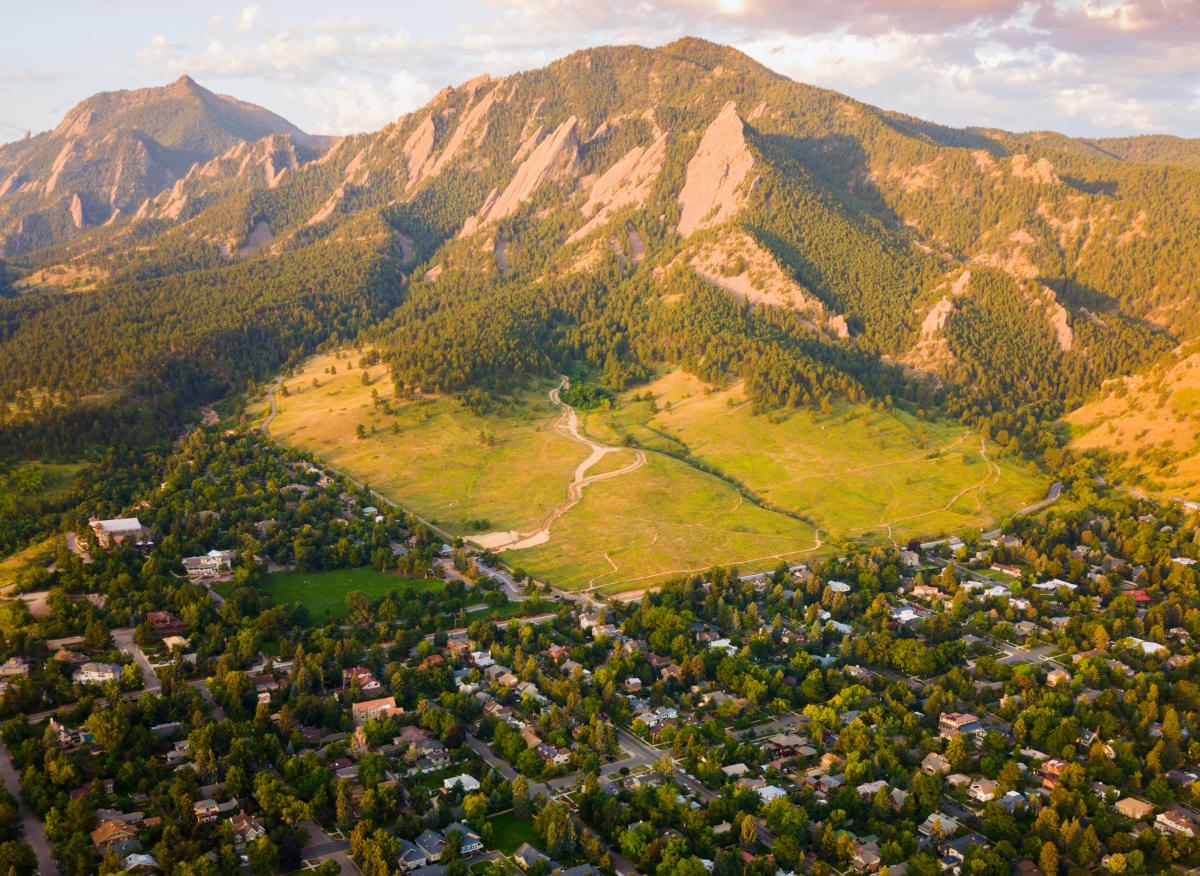
Boulder, Colorado, is famously situated at the foot of the Rocky Mountains, a geographical position that dictates its considerable altitude. The official mean elevation for the city of Boulder is 5,328 feet (1,624 meters) above sea level. This figure is not an arbitrary measurement but is officially recognized and used for various purposes, including geographical surveys and city planning.
Understanding “Mean Elevation”
When we refer to the “mean elevation,” it signifies the average height of the city’s landmass. Like any urban area, Boulder has varied terrain, with some neighborhoods lying at slightly higher or lower elevations than this average. However, 5,328 feet serves as the benchmark, providing a consistent reference point for understanding the city’s overall vertical position. This elevation places Boulder firmly within the category of high-altitude cities, which carries with it a distinct set of characteristics and considerations.
Implications of High Altitude
The altitude of 5,328 feet has tangible effects on those who visit or live in Boulder. For many, especially those coming from lower elevations, the thinner air at this height can lead to symptoms of altitude sickness. These can include headaches, nausea, dizziness, and shortness of breath. Acclimatization is key, and it’s often recommended to take it easy during the first day or two, stay hydrated, and limit alcohol consumption. For athletes and outdoor enthusiasts, this elevation means that physical exertion will feel more demanding than at sea level. However, it also presents an opportunity for acclimatization for those training for higher-altitude events, such as those in other parts of the Rocky Mountains or even at the Olympics.
Variations in Altitude within Boulder
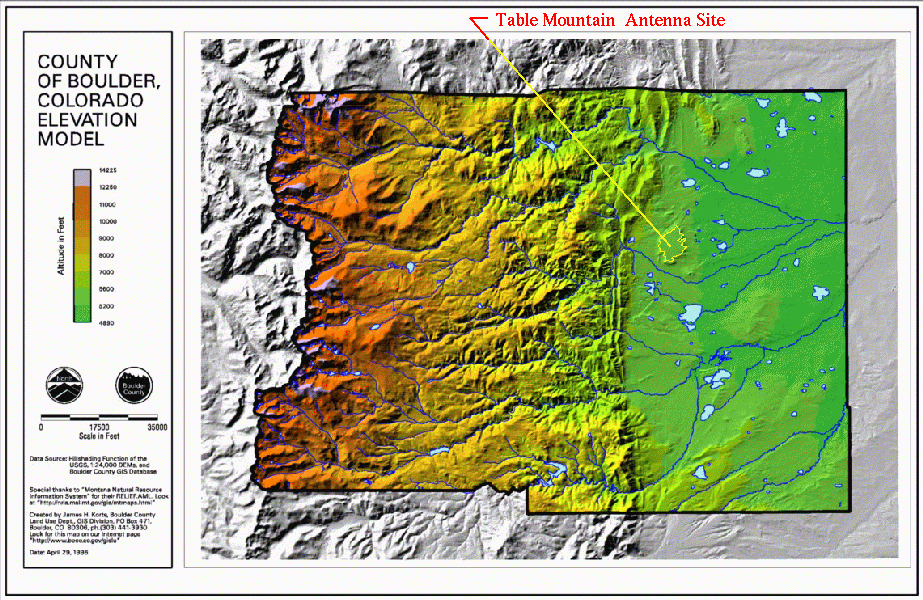
While the mean elevation provides a general understanding, the topography of Boulder, Colorado, means that specific locations within the city can differ in altitude. The city sprawls from the plains eastward towards the foothills of the Front Range, creating a natural gradient.
Eastern Plains vs. Foothills
The easternmost parts of Boulder, often referred to as the plains, are closer to the average mean elevation. As one moves westward towards the Flatirons and the foothills, the altitude gradually increases. Neighborhoods situated higher up in the foothills will have a measurably higher elevation than those in the city center or the eastern districts. This difference, while not drastic within the city limits, can be noticeable during outdoor activities like hiking or cycling.
Specific Landmarks and Their Altitudes
Certain well-known landmarks in and around Boulder are at distinct altitudes. For instance, the trailhead for many popular hikes into the Flatirons, such as those starting from Chautauqua Park, are already at a higher starting point than the city’s average. The peaks of the Flatirons themselves, which are the iconic geological formations overlooking the city, reach much higher altitudes, offering breathtaking views for those who ascend them. The Bear Peak trail, for example, leads to a summit over 8,000 feet, showcasing the significant elevation gain possible directly from the city.
Planning Your Visit with Altitude in Mind
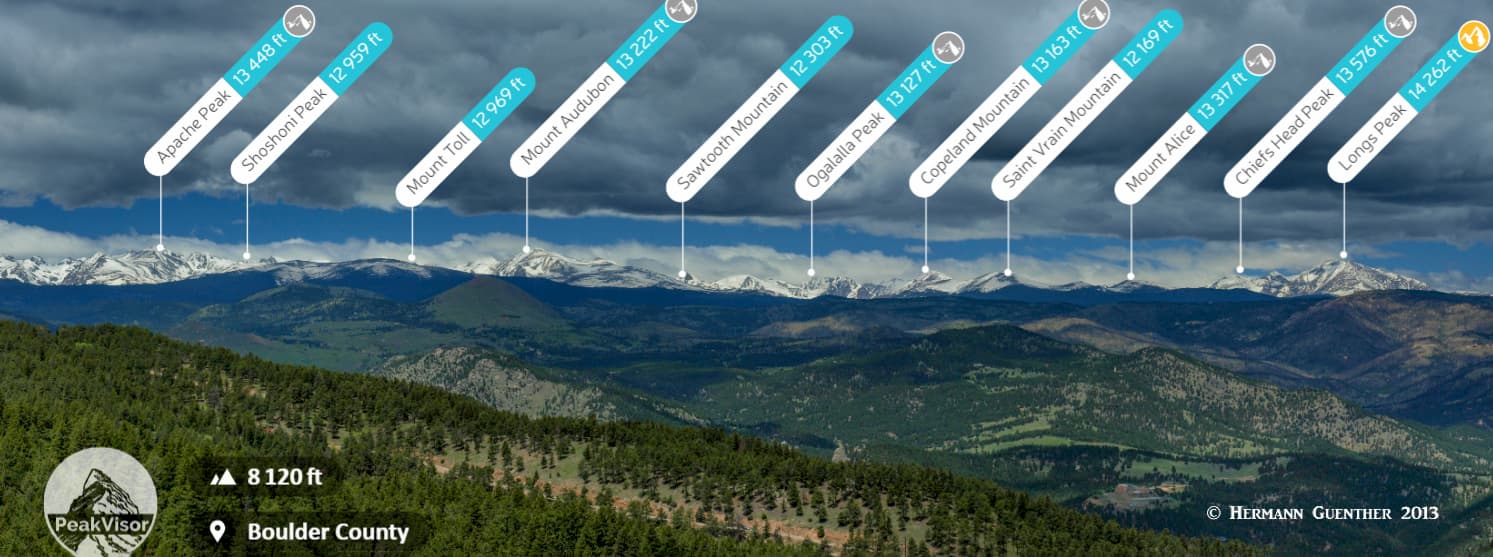
For travelers, understanding Boulder’s altitude is paramount to ensuring a comfortable and enjoyable experience. It impacts everything from packing suggestions to itinerary planning.
Health and Safety Precautions
The most critical consideration for visitors is health. To mitigate the effects of altitude sickness, it is advisable to:
- Hydrate generously: Drink more water than you normally would, avoiding dehydrating beverages like excessive alcohol and caffeine.
- Pace yourself: Avoid strenuous activities on your first day. Allow your body time to adjust.
- Eat lightly: Opt for easily digestible meals, especially in the initial stages of acclimatization.
- Recognize symptoms: Be aware of the signs of altitude sickness and descend or rest if symptoms become severe.
Outdoor Activities and Recreation
Boulder is an outdoor enthusiast’s paradise, offering unparalleled access to hiking, biking, climbing, and more. The altitude enhances the challenge and the reward of these activities.
- Hiking: Trails in the Boulder Open Space and Mountain Parks network range from relatively gentle walks at lower elevations to strenuous climbs reaching significant heights. Trails starting from Eldorado Canyon State Park or heading towards Mount Sanitas will provide a good workout.
- Cycling: Road cycling routes often involve climbing into the foothills, meaning riders will experience considerable elevation gain. Mountain biking trails offer a similar challenge, with the added technicality of the terrain.
- Running: While runners might find their pace slower initially, many enjoy the unique challenge and the stunning scenery. Races held in Boulder, such as the Bolder Boulder 10K, are known for their challenging yet rewarding courses that incorporate the city’s natural contours.
Adjusting Daily Routines
Even for those not engaging in strenuous activities, the altitude can affect everyday life. Simple actions like walking up a flight of stairs might feel more taxing. It’s wise to build in more rest periods and be mindful of your body’s signals. For those who wear glasses or contact lenses, the dry air at high altitude can also be a factor to consider.
The Unique Character of Boulder: Shaped by Altitude
Boulder’s altitude is not just a number; it’s a fundamental element that shapes the city’s identity, its environment, and the lifestyle of its inhabitants. The constant presence of the majestic Rocky Mountains towering over the city serves as a daily reminder of this elevation.
Environmental Factors
The high altitude influences Boulder’s climate and environment. The thinner atmosphere provides less protection from ultraviolet (UV) radiation, meaning that the sun’s rays are stronger here than at lower elevations. This necessitates the use of sunscreen, hats, and sunglasses, even on cloudy days. The air quality can also be affected by inversions, where a layer of warm air traps cooler air, and pollutants, closer to the ground, particularly in winter.
The “Boulder Lifestyle”
The “Boulder lifestyle” is intrinsically linked to its high-altitude setting. There’s a strong emphasis on outdoor recreation, healthy living, and a deep appreciation for the natural world. The challenges and rewards of living at this elevation foster a sense of community among those who embrace it. The clarity of the air, the vastness of the skies, and the sheer proximity to adventure contribute to a unique quality of life that draws people from all over. Whether it’s the invigorating crispness of the mountain air or the sheer visual spectacle of the Flatirons against a deep blue sky, Boulder’s altitude plays an indispensable role in its allure.
Technological and Scientific Pursuits
Interestingly, Boulder’s high altitude has also made it a hub for scientific research, particularly in fields related to atmospheric science and space. Institutions like the National Center for Atmospheric Research (NCAR) and the NOAA have facilities in Boulder, partly due to the favorable atmospheric conditions at this elevation for certain types of research. This scientific presence further adds to the intellectual and innovative spirit of the city.
In conclusion, the altitude of Boulder, Colorado, at an average of 5,328 feet, is a defining characteristic that influences health, recreation, environment, and the very essence of the city’s celebrated lifestyle. Understanding this geographical feature is key to fully appreciating and experiencing all that this remarkable high-altitude destination has to offer.
LifeOutOfTheBox is a participant in the Amazon Services LLC Associates Program, an affiliate advertising program designed to provide a means for sites to earn advertising fees by advertising and linking to Amazon.com. Amazon, the Amazon logo, AmazonSupply, and the AmazonSupply logo are trademarks of Amazon.com, Inc. or its affiliates. As an Amazon Associate we earn affiliate commissions from qualifying purchases.