
The question of “What is the altitude in Colorado Springs?” is a fundamental one for anyone planning a visit or considering a move to this picturesque city. Nestled at the eastern edge of the Rocky Mountains, Colorado Springs is renowned for its stunning natural beauty, outdoor recreational opportunities, and a certain invigorating quality that many attribute to its elevation. Understanding this aspect is key to preparing for your experience in the “City of Champions.”
The Elevation of Colorado Springs: A General Overview
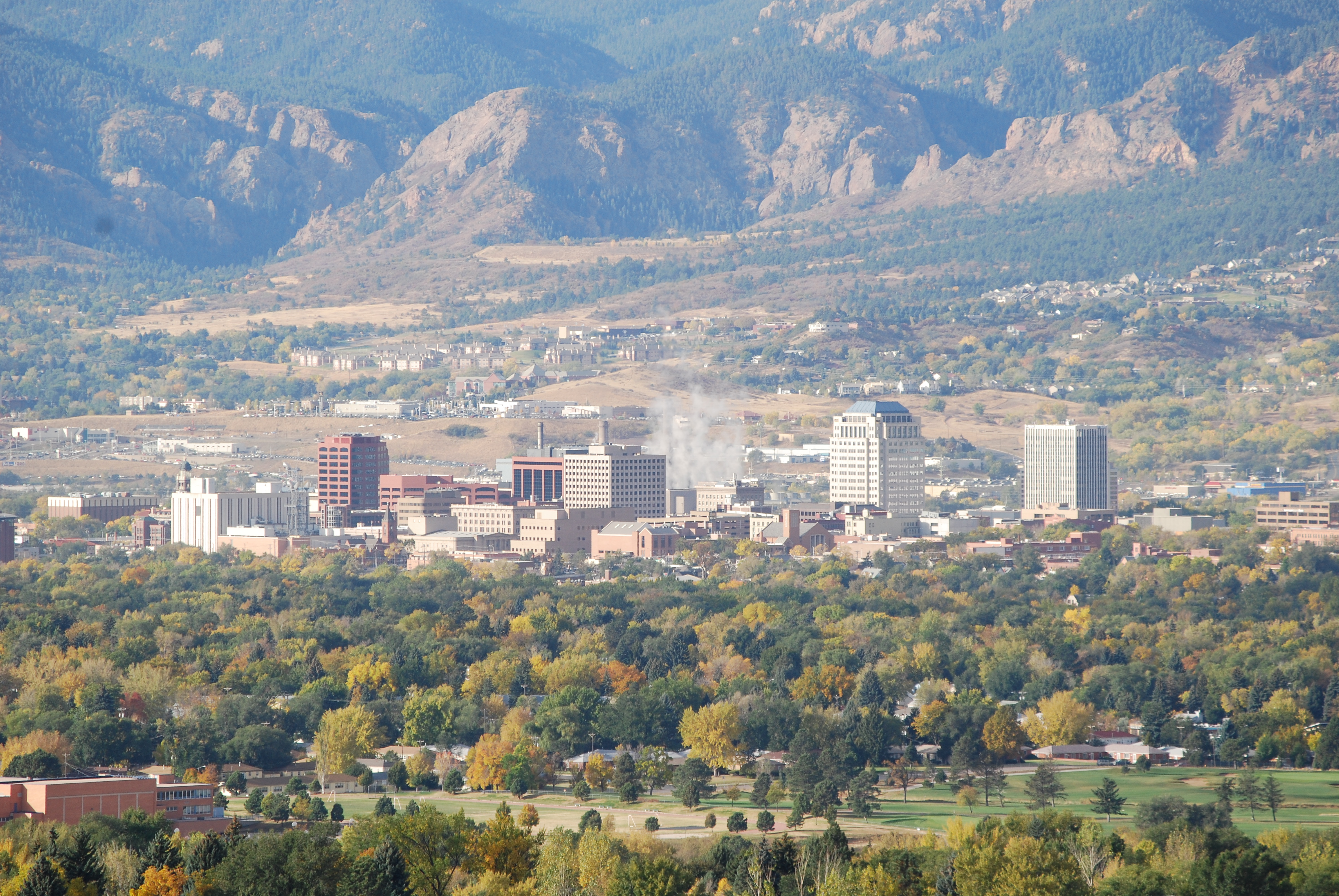
Colorado Springs sits at a significant elevation, making it one of the highest major cities in the United States. The average altitude across the city is approximately 6,035 feet (1,839 meters) above sea level. This consistent elevation contributes to its unique climate and atmosphere. However, it’s important to note that altitude can vary slightly within the city limits. For instance, areas situated closer to the foothills might be slightly higher than those on the eastern plains.
Factors Influencing Local Altitude Variations
While the average is a useful benchmark, local topography plays a role in precise altitude readings. Neighborhoods built on hillsides or near elevated natural features will naturally be higher than those in flatter, lower-lying areas. For travelers planning specific activities or staying in particular hotels, checking the micro-altitude of their destination can be beneficial. This slight variation, though often negligible for casual visitors, can be more significant for those undertaking strenuous physical activities or who are particularly sensitive to altitude.
The Impact of Altitude on Visitors and Residents
The elevated status of Colorado Springs has tangible effects on everyone who spends time there. The thinner air, characterized by lower atmospheric pressure and less oxygen, is the primary factor influencing these effects.
Acclimatization and Altitude Sickness
For many, especially those coming from sea level, the initial adjustment to Colorado Springs’ altitude can present challenges. This is commonly referred to as altitude sickness, or Acute Mountain Sickness (AMS). Symptoms can range from mild headaches, nausea, and dizziness to more severe fatigue and shortness of breath.
- Understanding the Symptoms: Recognizing the signs of AMS is crucial. These include headaches, dizziness, fatigue, loss of appetite, and nausea. In more severe cases, confusion, difficulty walking, and chest pain can occur.
- Strategies for Acclimatization: The best way to combat AMS is to allow your body time to adjust. This means:
- Hydration: Drink plenty of water. The dry mountain air can dehydrate you more quickly.
- Pacing: Avoid strenuous activities on your first day or two. Gentle walks and rest are recommended.
- Avoiding Alcohol and Caffeine: These can exacerbate dehydration and hinder acclimatization.
- Diet: Eat light, easily digestible meals.
- Altitude Medications: For some individuals, consulting a doctor about altitude sickness medications might be advisable, particularly if they have a history of AMS or are planning significant physical exertion.
- Long-Term Residents: While newcomers often experience the most immediate effects, even long-term residents can sometimes feel the altitude, especially after returning from lower elevations. The body does adapt, however, with many people living healthy and active lives in Colorado Springs for years.
Physical Performance and Outdoor Activities
The reduced oxygen availability at altitude directly impacts physical performance. Athletes and outdoor enthusiasts will notice a difference in their stamina and exertion levels.
- Cardiovascular Effects: Your heart rate will likely increase at rest and during activity as your body works harder to deliver oxygen. This is a normal physiological response.
- Training at Altitude: For athletes, training at Colorado Springs’ altitude can offer performance benefits when competing at lower elevations, as their bodies become more efficient at utilizing oxygen. This is why the city is a popular training ground for many sports teams and individual athletes.
- Enjoying the Outdoors: While strenuous activities may require more effort, the breathtaking scenery and numerous outdoor pursuits remain a significant draw. Hiking in places like Garden of the Gods or climbing at Pikes Peak are immensely rewarding experiences, though proper preparation for the altitude is key.
Colorado Springs: A Hub for High-Altitude Living and Recreation
The altitude is not merely a statistic; it’s an integral part of the identity and allure of Colorado Springs. It shapes the lifestyle, the environment, and the opportunities available in the city.
Iconic Landmarks and Their Elevations
Several of Colorado Springs’ most famous attractions are defined by their elevation, offering panoramic views and unique geological features.
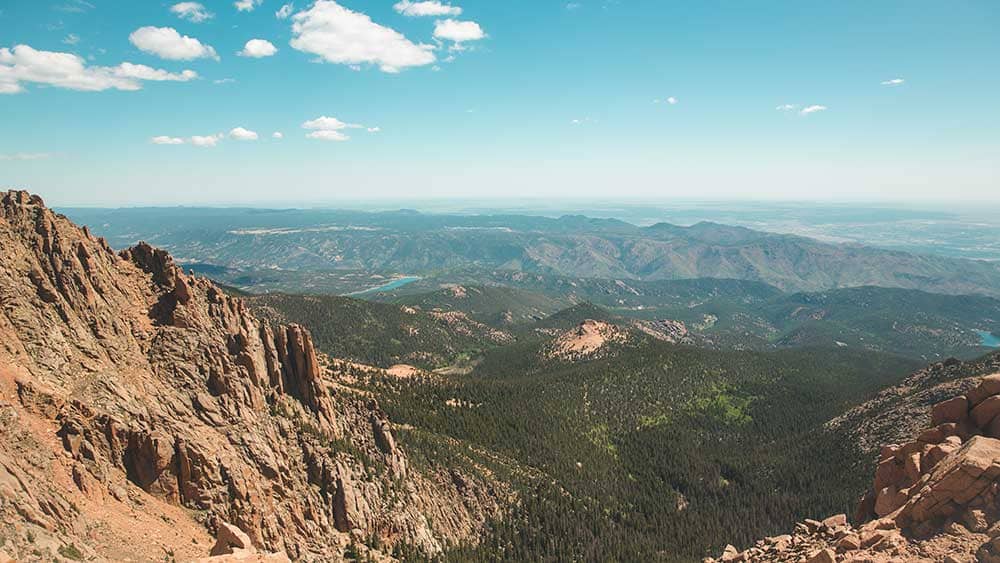
- Pikes Peak: The most iconic landmark, “America’s Mountain”, reaches an impressive summit of 14,115 feet (4,302 meters). The drive or hike to the top is a journey through changing ecological zones and a testament to the power of elevation. The newly renovated Summit Visitor Center at the top provides comfortable amenities for visitors to enjoy the views.
- Garden of the Gods Park: While the park itself doesn’t reach extreme altitudes, its elevation generally ranges from around 6,400 to 7,000 feet (1,950 to 2,135 meters). The towering red rock formations are dramatic at any altitude, but their presence against the backdrop of the higher mountains is particularly striking.
- Cheyenne Mountain Zoo: Perched on the slopes of Cheyenne Mountain, the zoo offers spectacular city views from its various enclosures. Its elevation contributes to the unique setting and the feeling of being immersed in nature.
The Benefits of High-Altitude Living
Beyond the challenges, living at altitude offers distinct advantages that contribute to the quality of life in Colorado Springs.
- Cleaner Air: Generally, higher elevations experience less air pollution compared to many densely populated lower-lying areas. The thinner air often feels crisper and cleaner.
- Unique Climate: The altitude influences the climate, contributing to sunny days and cooler temperatures than might be expected for its latitude. Winters are typically snowy but often interspersed with clear, bright days.
- Health Benefits (Potential): Some studies suggest that living at altitude can promote certain physiological adaptations, such as increased red blood cell production, which may have long-term health benefits for some individuals, though this is a complex area of research.
- Sense of Space and Grandeur: The vast, open skies and the imposing presence of the Rocky Mountains create a profound sense of space and natural grandeur that is deeply appealing to residents and visitors alike.
Preparing for Your Visit to Colorado Springs
Whether you’re coming for a weekend getaway or a longer stay, understanding the altitude of Colorado Springs is the first step to a safe and enjoyable experience.
Practical Tips for Travelers
- Research Your Accommodation: If you’re concerned about altitude, look for hotels or rental properties that are closer to the city’s average elevation, or conversely, if you’re an athlete, you might seek out accommodations at a higher point for training.
- Plan Your Itinerary Wisely: Don’t overschedule your first day. Allow for rest and gentle exploration. Prioritize activities that don’t require extreme physical exertion initially.
- Pack Appropriately: While the altitude is the primary concern, also pack layers of clothing, as mountain weather can change rapidly. Sunscreen is essential due to the thinner atmosphere and increased UV radiation at higher altitudes.
- Stay Informed: Check weather forecasts and trail conditions for any outdoor adventures. Websites dedicated to Colorado Springs tourism and local park services often provide valuable information.
Embracing the Altitude Lifestyle
The altitude of Colorado Springs is an inherent part of its charm and its identity. By understanding its effects and preparing accordingly, visitors and residents can fully embrace the unique opportunities for adventure, natural beauty, and a healthy, invigorating lifestyle that this high-altitude haven offers. It’s a city where the sky feels closer, the air is clearer, and the opportunities for exploration are as boundless as the mountain vistas.
LifeOutOfTheBox is a participant in the Amazon Services LLC Associates Program, an affiliate advertising program designed to provide a means for sites to earn advertising fees by advertising and linking to Amazon.com. Amazon, the Amazon logo, AmazonSupply, and the AmazonSupply logo are trademarks of Amazon.com, Inc. or its affiliates. As an Amazon Associate we earn affiliate commissions from qualifying purchases.