
Colorado, a state renowned for its majestic Rocky Mountains and breathtaking natural landscapes, holds a special place in the hearts of many for its iconic flora. Among its many natural treasures, a particular tree stands out, embodying the resilience, beauty, and spirit of the Centennial State. This article delves into the identity of the Colorado state tree, exploring its history, characteristics, and significance within the state’s rich natural heritage. Understanding this iconic tree offers a deeper appreciation for the unique ecosystems that define Colorado and provides a focal point for understanding its natural landmarks.

The Majestic Symbol: Colorado’s State Tree
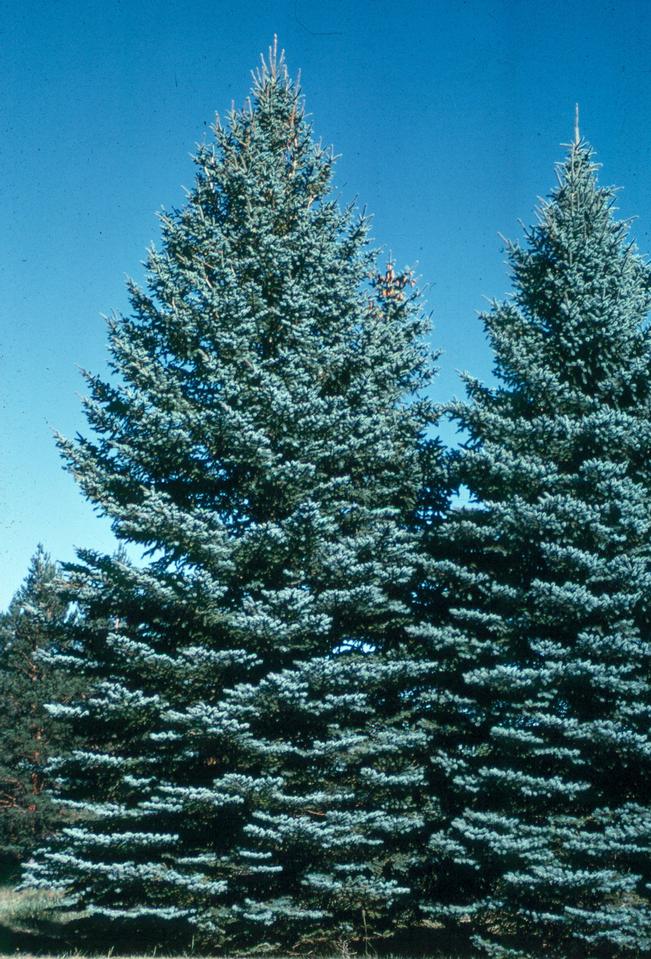
The official state tree of Colorado was designated in 1939. It is the Blue Spruce (Picea pungens), also commonly known as the Colorado Blue Spruce. This magnificent evergreen is instantly recognizable and has become synonymous with the state’s mountainous terrain. Its distinctive silvery-blue to green needles and conical shape make it a prominent feature in the Colorado landscape, from the lower foothills to the alpine regions. The choice of the Blue Spruce as the state tree was a natural one, reflecting its widespread presence and its aesthetic appeal that resonates with the visual identity of Colorado.
Historical Significance and Designation
The designation of the Blue Spruce as Colorado’s state tree was not merely an aesthetic choice; it was a recognition of the tree’s integral role in the state’s ecological and historical narrative. Prior to its official designation, the Blue Spruce was already a beloved and familiar sight for residents and visitors alike. Its hardy nature allowed it to thrive in the challenging high-altitude environment of the Rocky Mountains, a testament to the resilience that many associate with the spirit of Colorado.
The process of selecting a state tree often involves legislative action, and Colorado was no different. The act of designating the Blue Spruce in 1939 aimed to formally acknowledge and celebrate a tree that had long been a symbol of the state’s natural beauty. This recognition serves to promote conservation efforts and raise awareness about the importance of preserving Colorado’s diverse forests. For many, the Blue Spruce represents more than just a tree; it embodies the wild, untamed beauty that draws millions to Colorado each year for its unparalleled outdoor recreation and scenic vistas.
Botanical Characteristics of the Blue Spruce
The Blue Spruce (Picea pungens) is a medium to large evergreen conifer, typically growing to heights of 30 to 60 feet, though specimens can reach over 100 feet in ideal conditions. Its most striking feature is its foliage. The needles are stiff, sharp, and square in cross-section, arranged spirally around the branches. Their color varies significantly, ranging from a deep green to a stunning silvery-blue, a trait that gives the tree its name and makes it highly sought after for ornamental purposes. This characteristic coloration is due to a waxy coating on the needles, which helps the tree conserve moisture and withstand harsh conditions.
The cones of the Blue Spruce are typically slender and cylindrical, measuring about 2 to 4 inches in length. They hang downward from the branches and are a reddish-brown to tan color when mature. The bark is relatively smooth on young trees, becoming rough, furrowed, and grayish-brown with age. The Blue Spruce has a symmetrical, pyramidal shape when young, which often becomes more irregular with age. Its robust root system allows it to anchor itself firmly in the often-unstable mountain soils, further contributing to its resilience.
The Blue Spruce in Colorado’s Landscape
The presence of the Blue Spruce is deeply woven into the fabric of the Colorado landscape. It thrives in a variety of environments, but is particularly prevalent in the montane and subalpine zones of the Rocky Mountains. You’ll find it growing in mixed conifer forests, often alongside other species like Ponderosa Pine, Douglas Fir, and Aspen. It prefers well-drained soils and can tolerate a range of light conditions, from full sun to partial shade.
Habitat and Ecological Role
The Blue Spruce plays a vital role in the ecosystems where it grows. Its dense foliage provides shelter and nesting sites for a variety of wildlife, including birds and small mammals. The seeds produced by its cones are a food source for squirrels and various bird species. In the natural landscape, stands of Blue Spruce contribute to watershed protection by stabilizing soil and regulating water runoff.
In the wild, Blue Spruce trees can be found in national forests and parks, such as Rocky Mountain National Park, and along mountain streams and slopes. Its ability to withstand cold temperatures and wind makes it a crucial component of the high-altitude forest community. The tree’s adaptation to the dry, windy conditions common in the Rocky Mountains is a remarkable example of nature’s ingenuity.
Ornamental and Cultural Significance
Beyond its ecological importance, the Blue Spruce holds significant cultural and ornamental value in Colorado. Its stunning blue-green foliage has made it a popular choice for landscaping, both within the state and across the nation. Many homes and public spaces in Colorado feature Blue Spruce trees, adding a touch of natural elegance to urban and suburban environments.
Furthermore, the Blue Spruce is a beloved symbol during the holiday season. Its classic conical shape and vibrant color make it an ideal Christmas tree. Many families in Colorado and beyond choose a Blue Spruce for their holiday centerpiece, further cementing its place in the cultural traditions of the region. The scent of a freshly cut Blue Spruce is often associated with warmth, family, and the festive spirit of winter.
Exploring the Blue Spruce in Colorado
For visitors to Colorado, encountering the Blue Spruce in its natural habitat is a quintessential experience. Numerous scenic drives, hiking trails, and natural areas offer opportunities to admire this magnificent tree. Understanding where to find them and what to look for can enhance any nature-focused travel itinerary.
Where to See Blue Spruce in Colorado
The Blue Spruce is found throughout the mountainous regions of Colorado. Key areas where you can commonly find impressive stands of Blue Spruce include:
- Rocky Mountain National Park: This iconic park offers numerous trails where Blue Spruce are abundant, particularly in the montane and subalpine zones. Areas like the Bear Lake Road corridor and trails leading to Emerald Lake or Alberta Falls provide excellent viewing opportunities.
- Pike National Forest: Spanning a large portion of central and southern Colorado, this forest is home to extensive Blue Spruce populations. The scenic drives and hiking trails here offer constant reminders of the state tree’s presence.
- San Juan Mountains: In southwestern Colorado, the rugged beauty of the San Juan Mountains is often punctuated by impressive Blue Spruce. Drives along the Million Dollar Highway or trails near towns like Telluride or Ouray will showcase these trees.
- Aspen: While known for its aspens, the areas surrounding Aspen also feature Blue Spruce, particularly at lower elevations and along riparian areas.
When exploring, remember to stay on marked trails to protect the fragile mountain environment and admire the trees from a respectful distance.
Hiking and Nature Exploration
For active travelers, hiking is one of the best ways to experience the Blue Spruce. Many trails in Colorado wind through Blue Spruce forests, offering immersive natural encounters. Look for trails that ascend into the montane or subalpine zones.
- Beginner Trails: Trails around Estes Park, near Rocky Mountain National Park, often have accessible paths where you can see Blue Spruce without strenuous effort.
- Intermediate Hikes: Trails that climb higher into the mountains, such as those in the Indian Peaks Wilderness, will immerse you in denser Blue Spruce stands.
- Advanced Treks: For the adventurous, multi-day backpacking trips can lead you deep into remote areas where ancient Blue Spruce trees can be found.
When hiking, it’s essential to be prepared for changing weather conditions, carry plenty of water, and be aware of wildlife. The Blue Spruce is a cornerstone of the Colorado wilderness, and experiencing it in its natural setting is a profound way to connect with the state’s natural heritage.
Conservation and Appreciation of the Blue Spruce
As the state tree, the Blue Spruce is not just an object of admiration but also a subject of conservation efforts. Protecting its natural habitat and promoting responsible use are crucial for ensuring its continued presence in the Colorado landscape for future generations.
Threats and Conservation Efforts
Like many forest species, Blue Spruce populations can face threats from various factors. These include:
- Climate Change: Shifting weather patterns, increased drought stress, and higher temperatures can make Blue Spruce more vulnerable to disease and insect infestations.
- Insects and Diseases: While generally hardy, Blue Spruce can be susceptible to pests like the spruce beetle and diseases such as needle cast.
- Habitat Loss and Development: Urban expansion and increased human activity can impact natural habitats where Blue Spruce grow.
Conservation efforts in Colorado focus on sustainable forest management practices, research into pest and disease resistance, and public education. The Colorado State Forest Service and various environmental organizations work to protect forest health and promote the responsible planting and care of Blue Spruce. For those interested in contributing, supporting local conservation groups or participating in volunteer tree-planting initiatives can make a significant difference.

Responsible Harvesting and Landscaping
For individuals considering planting a Blue Spruce or harvesting one for ornamental or seasonal purposes, responsible practices are paramount.
- Landscaping: When planting Blue Spruce in gardens or landscapes, it’s important to choose a location that offers adequate space for its mature size and provides the right soil and light conditions. Proper watering, especially during establishment, is key. Sourcing seedlings from reputable nurseries ensures healthy, well-adapted trees.
- Holiday Trees: If selecting a Blue Spruce as a Christmas tree, purchasing from local, sustainable Christmas tree farms is encouraged. These farms often manage their land for continued growth and replanting. For those seeking to minimize environmental impact, opt for a potted Blue Spruce that can be replanted after the holidays, or consider an artificial tree.
By understanding the importance of the Blue Spruce and engaging in responsible practices, we can all contribute to preserving this iconic symbol of Colorado and its breathtaking natural beauty.
LifeOutOfTheBox is a participant in the Amazon Services LLC Associates Program, an affiliate advertising program designed to provide a means for sites to earn advertising fees by advertising and linking to Amazon.com. Amazon, the Amazon logo, AmazonSupply, and the AmazonSupply logo are trademarks of Amazon.com, Inc. or its affiliates. As an Amazon Associate we earn affiliate commissions from qualifying purchases.