
The question “What is the Colorado Zip Code?” is a fascinating gateway to understanding the intricate geography and logistical framework that underpins the vast and diverse state of Colorado. While there isn’t a single, monolithic “Colorado Zip Code” in the way one might associate a single code with a small town, understanding how zip codes function within the Centennial State reveals a rich tapestry of communities, economies, and the very way people navigate and interact with this mountainous wonderland. Zip codes, or zones of postal indicia, are more than just alphanumeric identifiers for mail delivery; they are demographic markers, economic indicators, and often, unintentional delineators of distinct cultural and geographical regions. For travelers, residents, and businesses alike, comprehending the zip code system in Colorado offers a deeper appreciation for its complexity.
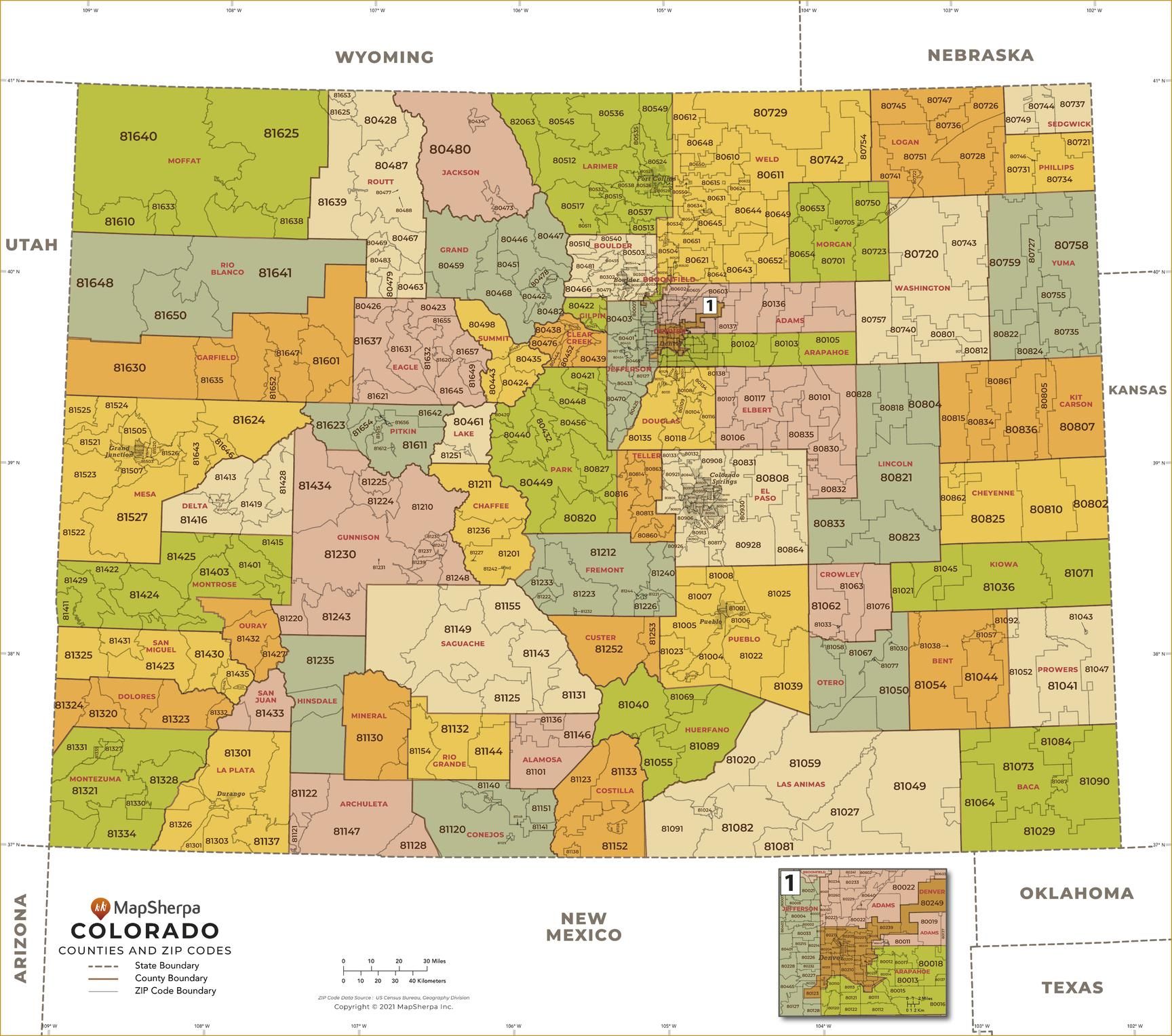
Decoding Colorado’s Postal Landscape
The United States Postal Service (USPS) divides the nation into geographical areas for efficient mail delivery using five-digit zip codes. These codes are not static; they evolve with population shifts, new developments, and changing delivery needs. Colorado, being the eighth largest state by area, is consequently divided into thousands of unique zip codes, each representing a specific service area. These areas can range from densely populated urban centers like Denver and Colorado Springs to remote rural communities nestled deep within the Rocky Mountains.
The Urban Core and Its Codes
In the bustling urban corridors of Colorado, zip codes often reflect the density and diversity of the population. The Denver metropolitan area, for instance, is a mosaic of zip codes, each serving a distinct neighborhood with its own character and amenities. For a visitor, understanding the zip code of their accommodation in a specific Denver neighborhood can provide an immediate sense of place. For example, zip codes in downtown Denver will likely cover high-rise hotels, business districts, and entertainment venues, while those in surrounding suburbs might encompass residential areas, shopping centers, and local parks. The 80202 zip code, for instance, is a central hub in downtown Denver, encompassing the financial district, the 16th Street Mall, and numerous cultural attractions like the Denver Art Museum. Further out, zip codes like 80231 might represent more suburban communities with a focus on family life and green spaces.
Mountain Towns and Remote Regions
As one ventures away from the Front Range and into the majestic Rocky Mountains, the zip code landscape changes dramatically. Mountain towns like Aspen, Vail, and Telluride, renowned for their ski resorts and outdoor recreation, each have their own unique zip codes. These codes often serve smaller populations but are crucial for the logistical operation of these tourist destinations, ensuring that everything from critical supplies for resorts to personal mail reaches its intended recipient. The zip code for Aspen, for example, is 81611, a code that resonates with luxury travel and world-class skiing. Similarly, 81657 is the zip code for Vail, synonymous with its extensive ski slopes and alpine charm. In more remote areas, a single zip code might cover vast expanses of wilderness, serving a handful of scattered ranches, national forests like the White River National Forest, or very small, isolated communities. The logistical challenges of mail delivery in these areas are significant, often relying on specific delivery routes and specialized postal workers who are intimately familiar with the terrain.
Zip Codes as Navigational Tools for Travelers
For travelers planning a trip to Colorado, understanding zip codes can be an invaluable navigational tool. Beyond simply locating a hotel or destination, zip codes can offer clues about the local environment and potential activities.
Locating Destinations and Accommodations

When booking a hotel in Denver, knowing the zip code of your chosen hotel is essential for planning your travel within the city. It helps in estimating travel times to attractions like Red Rocks Amphitheatre or the Denver Zoo. Similarly, when planning a ski vacation, identifying the zip code of your resort in Breckenridge (80424) or Steamboat Springs (80487) allows for precise mapping and understanding of proximity to ski lifts, town centers, and other amenities. For those seeking a more secluded experience, researching zip codes in national parks like Rocky Mountain National Park can help pinpoint the nearest gateway towns or lodging options.
Understanding Local Character
A zip code can sometimes be a proxy for the general character of an area. For instance, zip codes in historically significant areas might correspond with well-preserved architecture and a strong sense of local heritage. Zip codes in agricultural regions, such as those in the eastern plains of Colorado, will likely reflect a landscape dominated by farms and ranches, offering a different kind of travel experience than the mountainous West. A traveler looking for a quiet retreat might search for zip codes in more rural or mountainous areas, while those seeking vibrant city life would focus on urban zip codes. This nuanced understanding can help tailor a Colorado itinerary to individual preferences, ensuring a more satisfying and immersive journey.
Beyond Mail: Zip Codes in Data and Demographics
The utility of zip codes extends far beyond their primary purpose of mail sorting. They are frequently used in demographic analysis, market research, and even in understanding the economic pulse of various regions within Colorado.
Economic and Demographic Insights
For businesses, zip codes are critical for understanding customer bases, planning marketing campaigns, and determining optimal locations for retail stores or services. Data analysts often use zip codes to map income levels, education statistics, and consumer behavior patterns. This can provide valuable insights into the economic health and demographic makeup of different areas. For example, comparing the average income within the zip codes of wealthy ski towns versus those in more remote agricultural areas can reveal significant economic disparities. This information can also be valuable for travelers who wish to understand the economic context of the places they visit, perhaps influencing their choices regarding dining or shopping.
Community Identity and Local Services
While not official boundaries, zip codes often become de facto markers of community identity. Residents may refer to their neighborhood by its zip code, particularly in larger cities or expansive rural areas. Local governments and service providers also utilize zip code data to allocate resources, plan public services, and respond to community needs. For instance, emergency services dispatchers rely heavily on precise zip code information to direct responders efficiently. Understanding the zip code of a specific area can also help travelers identify local resources such as libraries, community centers, or farmers’ markets, offering a more authentic glimpse into the local way of life.

Navigating Colorado with Precision
In conclusion, the question “What is the Colorado Zip Code?” opens a door to a sophisticated understanding of how this vast state is organized for practical purposes. While no single zip code represents the entirety of Colorado, the aggregate of its thousands of zip codes forms a detailed map of its communities, landscapes, and economic realities. For anyone visiting, living in, or doing business in Colorado, grasping the significance of these postal identifiers can enhance navigation, deepen cultural appreciation, and unlock a more informed and engaging experience of the Centennial State. From the bustling streets of Denver to the serene peaks of the San Juan Mountains, each zip code tells a part of Colorado’s unique story.
LifeOutOfTheBox is a participant in the Amazon Services LLC Associates Program, an affiliate advertising program designed to provide a means for sites to earn advertising fees by advertising and linking to Amazon.com. Amazon, the Amazon logo, AmazonSupply, and the AmazonSupply logo are trademarks of Amazon.com, Inc. or its affiliates. As an Amazon Associate we earn affiliate commissions from qualifying purchases.