
Colorado, often hailed as the “Centennial State,” is synonymous with soaring peaks and breathtaking mountain vistas. Its identity is intrinsically linked to its high altitude, a defining characteristic that shapes its landscapes, climate, and the very experiences available to visitors. Understanding the elevation in Colorado is not merely a geographical curiosity; it’s fundamental to appreciating the state’s unique allure, from its vibrant cities to its rugged wilderness.
The Mile High City and Beyond: Colorado’s Altitude Profile
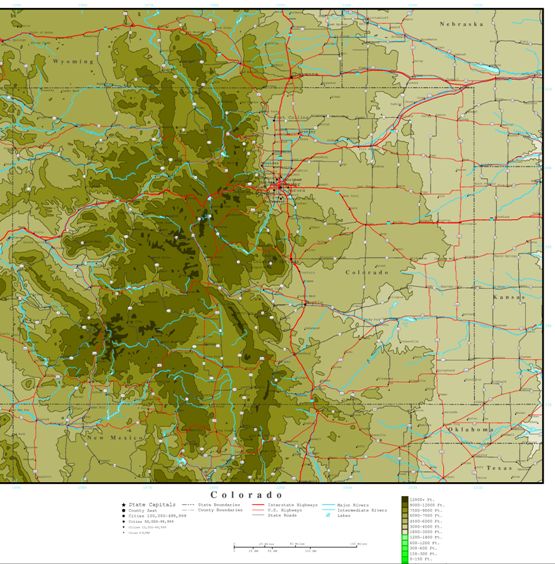
The most commonly cited elevation for Colorado is its status as the highest state in the United States, with an average elevation of 6,800 feet above sea level. This statistic, however, only scratches the surface of the state’s dramatic topographical variations.

Denver: The Gateway to the Rockies
Denver, the state capital, proudly holds the moniker “The Mile High City” due to its official elevation of 5,280 feet above sea level. This exact elevation is marked by a precise brass marker on the 13th step of the west front of the Colorado State Capitol Building. While many perceive Denver as being directly at the foothills, it’s important to note that the city itself lies on the Great Plains, with the Rocky Mountains rising majestically to the west. This proximity means that even within the urban sprawl, visitors often feel the effects of higher altitudes.
The Summit of Mount Elbert: Colorado’s Pinnacle
At the opposite end of the elevation spectrum lies Mount Elbert, the highest point in Colorado and the second-highest peak in the contiguous United States. Standing at a formidable 14,440 feet above sea level, Mount Elbert is one of Colorado’s many “Fourteeners” – mountains exceeding 14,000 feet. The sheer number of these majestic peaks, over 50 in total, underscores Colorado’s mountainous nature. These summits are not just geological features; they are iconic landmarks that draw adventurers, climbers, and nature enthusiasts from around the globe.
The Range of Altitudes Across the State
Colorado’s elevation is not uniform. The eastern plains, for instance, gradually descend from around 6,000 feet near Denver to as low as 3,350 feet in the northeastern corner. Conversely, the western part of the state, dominated by the Rocky Mountains, features vast expanses of high-elevation terrain, with numerous towns and wilderness areas situated well above 7,000 feet. This diverse range creates distinct ecological zones, from prairie grasslands to alpine tundra, each offering unique travel opportunities.
Experiencing Colorado at High Altitudes: Practical Considerations
For many visitors, particularly those arriving from lower elevations, Colorado’s altitude can present a significant adjustment. Understanding and preparing for this can greatly enhance a travel experience, ensuring comfort and safety.
Altitude Sickness: Recognizing the Symptoms
Altitude sickness, or acute mountain sickness (AMS), is a common ailment that can affect individuals at higher elevations. Symptoms can range from mild headaches and nausea to more severe fatigue and dizziness. It typically occurs when ascending too rapidly without allowing the body sufficient time to acclimatize.
Acclimatization Strategies
The key to avoiding altitude sickness is gradual acclimatization.
- Hydration: Drink plenty of water. The dry air at high altitudes can be dehydrating.
- Pacing: Avoid strenuous activity on your first day or two. Allow your body to adjust to the lower oxygen levels.
- Diet: Eat light, easily digestible meals. Avoid heavy foods and excessive alcohol, which can exacerbate symptoms.
- Altitude Medication: In some cases, a doctor may prescribe medication to help prevent or treat altitude sickness.
Adapting Your Travel Itinerary
When planning activities, consider the elevation of your chosen destinations.
High-Altitude Destinations and Activities
- Ski Resorts: Many of Colorado’s renowned ski resorts, such as Aspen Snowmass and Vail Ski Resort, are situated at elevations exceeding 8,000 feet, with some villages reaching over 9,000 feet. Skiing and snowboarding at these altitudes can be exhilarating but also require acclimatization.
- Mountain Towns: Charming towns like Telluride, Breckenridge, and Crested Butte are nestled high in the Rockies, offering stunning scenery and a distinct mountain lifestyle. Exploring these towns involves navigating their inherent high-altitude environments.
- National Parks and Forests: Colorado boasts spectacular natural landscapes managed by organizations like the National Park Service and the U.S. Forest Service. Visiting sites like Rocky Mountain National Park often involves driving or hiking at elevations well above 8,000 feet, offering unparalleled views of alpine lakes, meadows, and peaks. Hiking trails can ascend thousands of feet from the trailhead, demanding respect for the altitude.
Lower-Altitude Attractions
While Colorado is famous for its mountains, there are also attractions at lower elevations that can serve as excellent starting points for acclimatization.
- The San Luis Valley: This vast, high-altitude desert valley in southern Colorado is still at around 7,500 feet, but its flatter terrain and unique ecosystem, including the Great Sand Dunes National Park and Preserve, offer a different perspective.
- Eastern Plains Towns: Towns on the eastern plains, like Limon, offer a glimpse into a different Colorado, with elevations closer to 4,000-5,000 feet.
The Impact of Elevation on Colorado’s Natural Environment
Colorado’s varied elevations create a rich tapestry of ecosystems, influencing everything from its flora and fauna to its weather patterns.
Biodiversity and Ecosystems Shaped by Altitude
- Alpine Tundra: Above the tree line, typically around 11,500 feet, lies the alpine tundra. This harsh environment is characterized by low-growing, hardy plants adapted to extreme cold, high winds, and short growing seasons. It’s home to unique wildlife such as pikas and marmots.
- Montane Forests: Below the alpine tundra, montane forests dominate, featuring coniferous trees like ponderosa pine, Douglas fir, and lodgepole pine. These forests support a diverse range of animals, including elk, deer, and black bears.
- Foothills and Plains: As elevation decreases, the vegetation transitions to montane shrublands and then to the grasslands and riparian areas of the foothills and eastern plains.
Weather Patterns and Climate Variations
The elevation in Colorado has a profound impact on its weather.
- Snowfall: Higher elevations receive significantly more snowfall, making Colorado a premier destination for winter sports. The snowpack in the mountains is crucial for the state’s water supply.
- Temperature: Temperatures decrease with increasing elevation. Mountain areas experience much colder winters and cooler summers compared to the plains. Even in summer, nights at high altitudes can be surprisingly chilly.
- Precipitation: Mountain ranges often act as barriers, influencing rainfall patterns. The western slopes tend to receive more moisture than the eastern plains. Severe thunderstorms can occur at all elevations, but they are particularly dramatic in the mountainous regions.

Conclusion: Embracing the High Life in Colorado
Colorado’s elevation is not just a number; it’s an integral part of its identity and a defining element of its appeal. From the bustling energy of Denver to the serene majesty of its highest peaks, the altitude shapes the landscape, influences the climate, and provides the backdrop for unforgettable adventures. Whether you’re a seasoned mountaineer or a first-time visitor, understanding and respecting Colorado’s elevation will undoubtedly lead to a more enriching and enjoyable experience in this remarkable state.
LifeOutOfTheBox is a participant in the Amazon Services LLC Associates Program, an affiliate advertising program designed to provide a means for sites to earn advertising fees by advertising and linking to Amazon.com. Amazon, the Amazon logo, AmazonSupply, and the AmazonSupply logo are trademarks of Amazon.com, Inc. or its affiliates. As an Amazon Associate we earn affiliate commissions from qualifying purchases.