
Colorado, a state renowned for its majestic Rocky Mountains and its vibrant natural beauty, holds a special place in the hearts of many. Beyond the towering peaks and verdant valleys, the state also boasts a rich tapestry of flora, with one particular bloom standing out as its official emblem. Understanding the state flower of Colorado is more than just a matter of botanical trivia; it offers a deeper connection to the state’s identity, its history, and its cherished natural landscapes. This insight is particularly valuable for travelers seeking to immerse themselves in the authentic spirit of a destination, appreciating the subtle nuances that define its character.

The Columbine: A Symbol of the Centennial State
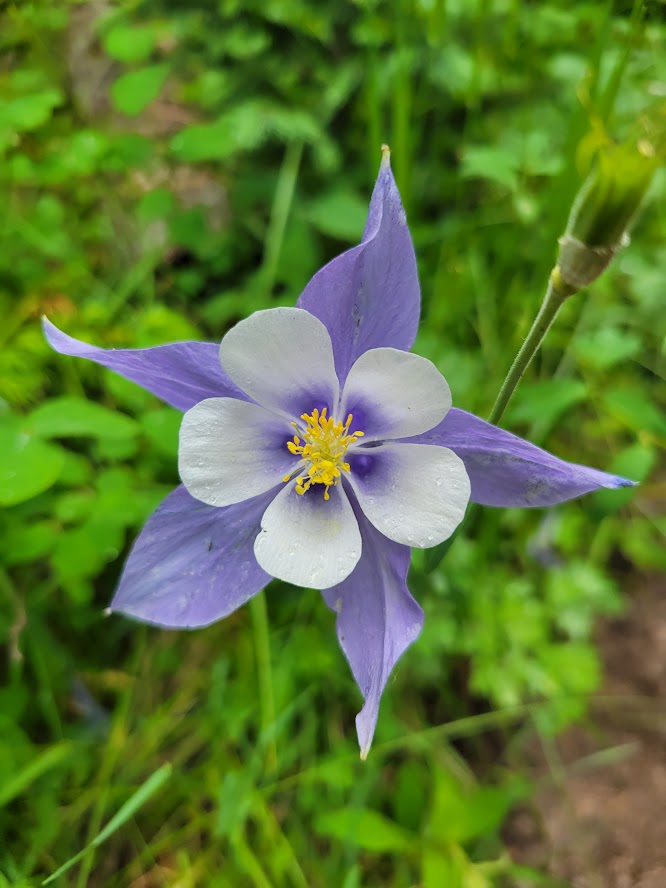
The official state flower of Colorado is the Rocky Mountain Columbine, scientifically known as Aquilegia caerulea. This exquisite wildflower, with its delicate petals and distinctive spur, was officially designated as the state flower on April 4, 1899. Its selection was not arbitrary; it was a testament to the flower’s widespread presence throughout the mountainous regions of the state and its striking, almost ethereal beauty. The Rocky Mountain Columbine typically blooms from late spring through early summer, adorning alpine meadows, open forests, and rocky slopes with its vibrant hues.
Aesthetical Appeal and Botanical Significance
The Rocky Mountain Columbine is a perennial plant belonging to the buttercup family (Ranunculaceae). It is characterized by its unique flower structure, featuring five petals that spread outward, each accompanied by a long, slender spur that contains nectar. The most common coloration is a striking combination of white and sky blue, though variations in shades of purple, pink, and even yellow can be found. This captivating appearance has long inspired artists, poets, and nature enthusiasts alike, making it a beloved symbol of the American West.
The plant’s ability to thrive in challenging alpine environments speaks to its resilience and adaptability. It typically grows to a height of one to two feet and is often found in well-drained soils, preferring partial shade. Its delicate yet hardy nature mirrors the spirit of the people who have settled and thrived in Colorado’s rugged terrain. For visitors, spotting a wild columbine in its natural habitat is often a highlight of a hiking or camping excursion, offering a tangible connection to the state’s wild heart.
Historical Context and Public Endorsement
The journey to becoming the state flower was not instantaneous. In 1891, a bill was introduced to make the columbine the state flower, but it failed to pass. However, the sentiment remained strong, and in 1899, a new bill was introduced, this time with the backing of numerous petitions from schoolchildren across Colorado. The widespread enthusiasm from these young citizens underscored the deep affection and pride Coloradans felt for this native bloom. The bill’s eventual passage solidified the columbine’s status as an enduring symbol of the state.
This historical context is crucial for understanding the cultural significance of the Rocky Mountain Columbine. It represents not just a beautiful plant, but a shared heritage and a collective appreciation for the natural world. When exploring Colorado, recognizing and appreciating the state flower can enrich the travel experience, providing a deeper context to the landscapes you encounter.
Experiencing the Columbine in Colorado
For travelers planning a visit to Colorado, the opportunity to see the Rocky Mountain Columbine in its natural habitat is a delightful prospect. While the flower is protected by state law and should not be picked, observing it in bloom can be a memorable part of any trip, particularly during the late spring and summer months.
Prime Locations for Columbine Sightings
The Rocky Mountain Columbine can be found throughout the mountainous regions of Colorado, often at elevations ranging from 6,000 to 12,000 feet. Several national parks and forests offer excellent opportunities for spotting these beautiful flowers, often alongside other captivating alpine flora.
-
Rocky Mountain National Park: This iconic park is a premier destination for experiencing the grandeur of the Rockies and is a reliable spot for columbine sightings. Hiking trails such as the Emerald Lake Trail, Sky Pond Trail, and the Bear Lake Loop often showcase these blooms, especially in meadows and along the edges of forests. The park’s diverse ecosystems provide ample habitat for Aquilegia caerulea.
-
White River National Forest: Spanning a vast area of western Colorado, this national forest includes popular destinations like Aspen and Vail. Trails in areas such as the Maroon Bells-Snowmass Wilderness and the Indian Peaks Wilderness are known to be rich with wildflowers, including the state flower, during the blooming season.

-
San Juan National Forest: Located in southwestern Colorado, this forest is renowned for its dramatic mountain scenery and extensive wildflower displays. Areas near Telluride and Ouray, known for their stunning alpine landscapes, are excellent places to search for columbines.
-
Guanella Pass Scenic Byway: This picturesque byway, connecting Georgetown and Grant, offers easy access to high-altitude meadows that are often carpeted with wildflowers. Pull-offs along the road allow for short walks and ample opportunities to admire the natural beauty, including the state flower.
Tips for Respectful Observation
When embarking on a quest to find the Rocky Mountain Columbine, it is essential to practice responsible tourism and respect the delicate mountain environment.
-
Stay on Trails: Always remain on marked trails to prevent damaging fragile vegetation and to avoid disturbing wildlife habitats. This is particularly important in areas where wildflowers are abundant.
-
Observe, Do Not Pick: Picking the state flower is illegal and harmful to the ecosystem. The beauty of the columbine is best preserved for others to enjoy and for the plant to continue its life cycle. Bring a camera and capture its essence through photography.
-
Leave No Trace: Pack out everything you pack in, including all trash and food scraps. Minimize your impact on the natural environment to ensure its preservation for future generations.
-
Timing is Key: The blooming season for the Rocky Mountain Columbine typically runs from late May through early August, depending on elevation and snowmelt. Higher elevations tend to bloom later in the season. Planning your visit accordingly will maximize your chances of seeing them in full splendor.
-
Consult Local Resources: Before your trip, check with local visitor centers or ranger stations for the most up-to-date information on wildflower blooming conditions and specific trail recommendations. They can provide valuable insights into current conditions and areas known for columbine sightings.
Beyond the Bloom: The Columbine’s Enduring Legacy
The Rocky Mountain Columbine’s significance extends beyond its visual appeal and botanical classification. It has become deeply ingrained in the cultural fabric of Colorado, appearing in art, literature, and even on official state symbols.
Artistic and Cultural Representations
The distinctive form and color of the columbine have made it a perennial favorite among artists. You’ll find its likeness adorning paintings, sculptures, and various crafts that celebrate the natural beauty of the state. Its elegant silhouette is easily recognizable and evokes a sense of wildness and delicate beauty.
Furthermore, the flower’s presence is woven into the state’s historical narratives. It serves as a reminder of the pioneering spirit and the deep connection early settlers felt with the untamed landscapes of the West. For those who call Colorado home, the columbine is a constant source of pride and a tangible link to their natural heritage.
Conservation Efforts and Future Preservation
The protection of native wildflowers, including the Rocky Mountain Columbine, is an ongoing effort in Colorado. While not currently listed as endangered, the habitat of many native plants is vulnerable to development, climate change, and increased human activity. Organizations and government agencies work to preserve natural areas and educate the public on the importance of conservation.
As a traveler, understanding the value of the state flower encourages a more mindful approach to exploring Colorado’s natural wonders. It prompts a deeper appreciation for the intricate ecosystems that support these beautiful blooms and a commitment to their preservation. By being a responsible visitor, you contribute to ensuring that the Rocky Mountain Columbine continues to grace the mountainsides for generations to come, a timeless emblem of the Centennial State.
LifeOutOfTheBox is a participant in the Amazon Services LLC Associates Program, an affiliate advertising program designed to provide a means for sites to earn advertising fees by advertising and linking to Amazon.com. Amazon, the Amazon logo, AmazonSupply, and the AmazonSupply logo are trademarks of Amazon.com, Inc. or its affiliates. As an Amazon Associate we earn affiliate commissions from qualifying purchases.