
Colorado, a state renowned for its majestic Rocky Mountains and vast, breathtaking landscapes, holds a special connection to its natural heritage. While many visitors are drawn to the dramatic peaks and pristine wilderness, a deeper appreciation for the state’s identity often lies in its symbols. Among these, the state tree stands as a quiet yet potent emblem, representing the resilience, beauty, and enduring spirit of the Centennial State. Understanding what this tree is and its significance offers a unique window into the soul of Colorado.
The Majestic Blue Spruce: Colorado’s Official State Tree
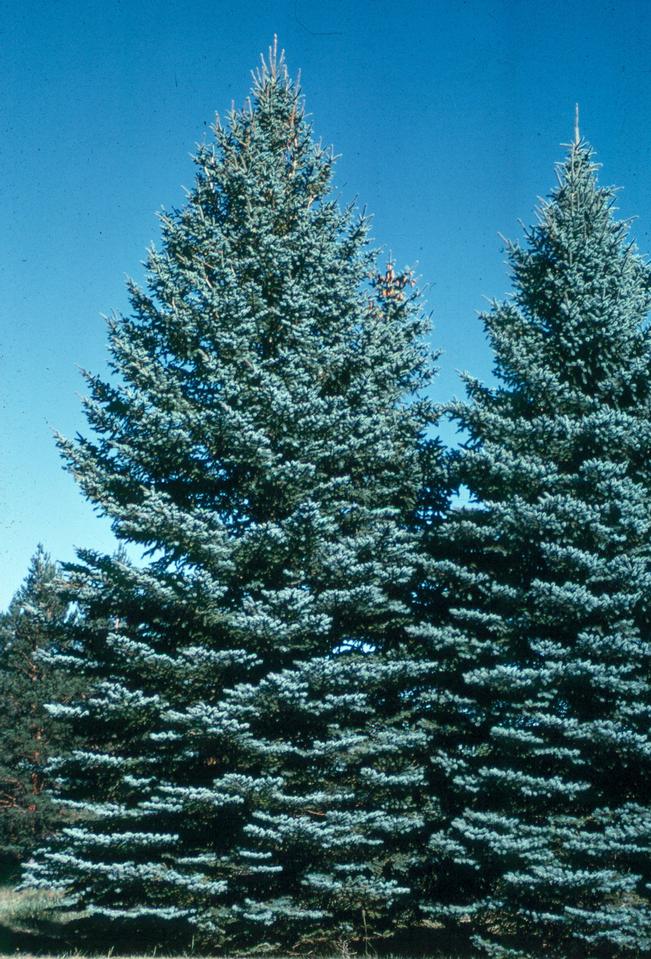
The official state tree of Colorado is the Blue Spruce (Picea pungens). This magnificent coniferous evergreen was officially designated as the state tree on March 6, 1932. Its selection was no accident; the Blue Spruce is a native species that thrives throughout the mountainous regions of the state, from the lower foothills to elevations above the tree line. Its presence is deeply woven into the visual tapestry of Colorado, its distinctive silvery-blue needles and stately form gracing the landscape, making it an iconic and beloved sight for residents and visitors alike.

A Symbol of Resilience and Steadfastness
The Blue Spruce is a symbol of resilience and steadfastness, qualities that resonate deeply with the spirit of Colorado. It endures harsh winters, heavy snowfalls, and the challenging high-altitude environment with remarkable fortitude. Its strong, upright posture and dense foliage offer shelter and sustenance to wildlife, mirroring the protective embrace of the mountains themselves. This tree is a testament to nature’s ability to adapt and flourish even in the most demanding conditions, a characteristic that many Coloradans find inspiring.
Distinguishing Features of the Blue Spruce
The Blue Spruce is easily identifiable by its striking appearance.
Needle Characteristics
The needles are rigid, sharp, and square in cross-section, typically measuring one to two inches in length. Their most distinctive feature is their color, which ranges from a deep green to a shimmering silvery-blue, hence the common name. This coloration is due to a waxy coating that helps the tree conserve moisture and protect itself from the intense solar radiation at high altitudes. The needles are arranged spirally around the twigs, giving the branches a full and robust look.
Cone Structure
The cones of the Blue Spruce are typically slender and cylindrical, measuring two to four inches long. They are a pale brown color and hang downward from the branches. The cone scales are thin and papery, and they usually have irregular, wavy edges. These cones contain the seeds that allow the Blue Spruce to reproduce, scattering them to sprout new life across the mountain slopes.
Bark and Growth Habit
The bark of mature Blue Spruces is typically gray to reddish-brown and becomes furrowed with age. Young trees have smoother, lighter-colored bark. The growth habit of the Blue Spruce is pyramidal, often becoming more irregular with age. In ideal conditions, it can grow to impressive heights, often exceeding 60 feet, with some specimens reaching over 100 feet.
The Blue Spruce’s Role in Colorado’s Ecosystem and Landscape
The Blue Spruce is not merely an aesthetic addition to the Colorado landscape; it plays a vital ecological role and has significant implications for the state’s natural heritage. Its presence supports a diverse range of wildlife and contributes to the overall health of the mountain ecosystems.
Habitat and Food Source for Wildlife
The dense foliage of the Blue Spruce provides essential shelter for numerous species of birds and small mammals, particularly during the harsh winter months. Its sturdy branches offer nesting sites for various avian species, from common songbirds to larger birds of prey. The seeds produced in its cones serve as a food source for squirrels, chipmunks, and certain bird species, contributing to the food web of the alpine and montane environments. Deer and elk may also browse on the young shoots and needles, especially when other food sources are scarce.
Soil Stabilization and Erosion Control
In the mountainous terrain of Colorado, where steep slopes and heavy precipitation can lead to significant erosion, the Blue Spruce plays a crucial role in stabilizing the soil. Its extensive root system anchors the earth, preventing landslides and soil loss, especially on slopes disturbed by natural events or human activity. This ecological service is vital for maintaining the integrity of the landscape and protecting waterways from sediment pollution.
Contribution to the Iconic Colorado Scenery
The visual dominance of the Blue Spruce is undeniable. It is a key component of the breathtaking scenery that draws so many to Colorado. Driving along scenic byways, hiking through mountain trails, or simply gazing at the horizon, one is invariably met with the majestic sight of these trees dotting the hillsides. Their characteristic blue-green hue, especially when contrasted against a crisp blue sky or a blanket of fresh snow, creates postcard-perfect vistas. This visual appeal is a significant aspect of Colorado’s tourism industry, attracting visitors who come to experience the natural beauty of the state.
Historical Significance and Cultural Impact
The Blue Spruce has held a place of importance in the lives of people in Colorado for centuries, long before it was officially designated the state tree. Its presence is linked to the history of the region and continues to hold cultural significance.

Indigenous Peoples and Early Settlers
For the indigenous peoples of the Rocky Mountains, trees like the Blue Spruce were more than just landscape features; they were integral to survival and spiritual practices. The wood could be used for tools and shelter, and the cones and needles may have held medicinal or ceremonial value. Early European settlers and prospectors also relied on the abundant forests for building materials and fuel. The Blue Spruce, with its hardy nature and readily available presence, was a constant companion in their efforts to establish a life in this rugged territory.
The Path to State Symbolization
The movement to officially recognize the Blue Spruce as the state tree gained momentum in the early 20th century. Recognizing the tree’s ubiquity and its deep connection to the Colorado identity, various organizations and individuals advocated for its official adoption. The designation in 1932 was a moment of pride, formally acknowledging the Blue Spruce’s enduring presence and its symbolic value for the state. This act solidified its status as a cherished emblem, celebrated in art, literature, and public consciousness.
The Blue Spruce in Modern Colorado Culture
Today, the Blue Spruce continues to be a powerful symbol of Colorado. It is frequently featured in state parks, national forests, and private landscapes across the state. Many Coloradans choose to plant Blue Spruces in their yards as a connection to their home state and its natural beauty. The tree is also a popular choice for holiday decorations, with Colorado residents often seeking out the perfect specimen for their Christmas trees, further embedding it in the seasonal traditions of the state. Its image graces postcards, souvenirs, and official state publications, a constant reminder of the wild, beautiful heart of Colorado.
Experiencing the Blue Spruce in Colorado
For those who wish to experience the grandeur of the Blue Spruce firsthand, Colorado offers numerous opportunities to encounter this iconic tree in its natural habitat and in cultivated settings. Understanding where and how to best appreciate it can enhance any visit to the Centennial State.
Exploring Natural Habitats
The Blue Spruce is found throughout the montane and subalpine zones of the Rocky Mountains in Colorado.
Rocky Mountain National Park
One of the most accessible and spectacular places to see mature Blue Spruces is within Rocky Mountain National Park. The park’s diverse elevations and ecosystems provide ample habitat for this tree. Driving Trail Ridge Road or exploring popular hiking trails like those around Bear Lake or Sprague Lake will offer numerous sightings. The combination of the towering peaks and the striking blue-green of the spruces creates an unforgettable natural spectacle.
National Forests and Wilderness Areas
Beyond the national parks, Colorado’s extensive system of national forests, such as the Arapaho, Roosevelt, White River, and Gunnison National Forests, are prime locations for observing Blue Spruces. Many trails wind through dense stands of these trees, offering a more immersive experience. Areas with significant historical logging or ranching might also feature mature specimens in more open meadows, remnants of past human interaction with the landscape.
Scenic Drives
Many of Colorado’s scenic byways offer panoramic views where Blue Spruces are a dominant feature. Highways like the Peak to Peak Scenic Byway or portions of the San Juan Skyway provide opportunities to appreciate the trees from the comfort of your vehicle, showcasing their widespread distribution across the mountainous terrain.
Cultivated Settings and Public Spaces
While its natural habitat is the mountains, the Blue Spruce is also widely cultivated and appreciated in more urban and suburban environments.
Botanical Gardens and Arboretums
Botanical gardens and arboretums throughout Colorado, such as the Denver Botanic Gardens, often feature collections of native trees, including specimen Blue Spruces. These managed environments provide an excellent opportunity to examine the tree up close and learn more about its characteristics and cultivation.
State Parks and Municipal Green Spaces
Many Colorado state parks and city parks incorporate Blue Spruces into their landscaping. They are often planted as ornamental trees, adding a touch of native beauty to public spaces. Visiting these areas can provide convenient and accessible encounters with the state tree, particularly if traveling outside of the high mountain regions.
The Symbol of Colorado Day
On Colorado Day (August 1st), celebrations often highlight the state’s natural heritage. Information about the state tree is frequently shared during these events, reinforcing its cultural importance and encouraging residents and visitors to appreciate this symbol of Colorado.
Tips for Viewing and Respecting the Blue Spruce
When seeking out the Blue Spruce, it’s important to do so responsibly and with respect for the natural environment.
- Stay on Trails: To protect fragile mountain ecosystems and prevent erosion, always stick to marked trails.
- Leave No Trace: Pack out everything you pack in, and avoid disturbing vegetation or wildlife.
- Observe from a Distance: While tempting to touch, remember the needles are sharp. Enjoy their beauty from a respectful distance.
- Photography: The Blue Spruce is incredibly photogenic, especially during different seasons. Capture its beauty but be mindful of your surroundings and other visitors.
- Learn More: Visit local visitor centers or park ranger stations to gain deeper insights into the ecology and significance of the Blue Spruce in Colorado.
The Blue Spruce is more than just a tree; it is a living symbol of Colorado’s enduring natural beauty, its resilient spirit, and its deep connection to the land. Its presence on the mountain slopes is a constant reminder of the wild heart of the Centennial State.
LifeOutOfTheBox is a participant in the Amazon Services LLC Associates Program, an affiliate advertising program designed to provide a means for sites to earn advertising fees by advertising and linking to Amazon.com. Amazon, the Amazon logo, AmazonSupply, and the AmazonSupply logo are trademarks of Amazon.com, Inc. or its affiliates. As an Amazon Associate we earn affiliate commissions from qualifying purchases.