
Colorado Springs, nestled at the eastern foot of the majestic Pikes Peak, offers a dynamic and often surprising climate. Its high-altitude desert environment, combined with its proximity to the Rocky Mountains, creates a unique weather tapestry that can shift rapidly. For travelers, understanding this forecast is key to planning an unforgettable visit, ensuring you’re prepared for everything from sun-drenched adventures to invigorating mountain snow.
Understanding Colorado Springs’ Climate Profile
The weather in Colorado Springs is characterized by its semi-arid nature, with distinct seasons that each bring their own set of atmospheric conditions. The city sits at an elevation of approximately 6,035 feet (1,839 meters) above sea level, which significantly influences temperature, precipitation, and atmospheric pressure. This altitude means that even summer days can have cooler nights, and the sun’s rays are more intense.
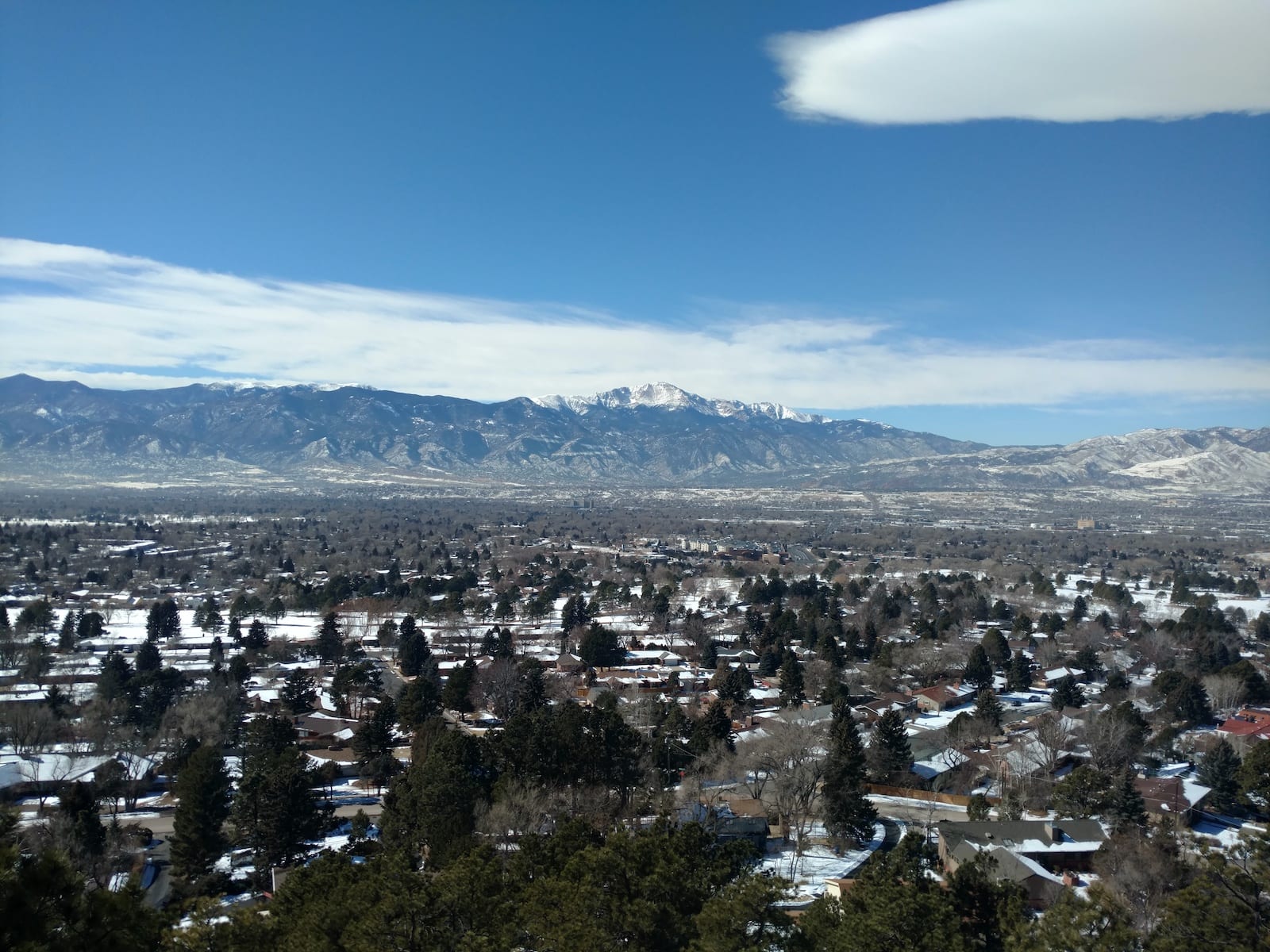
Altitude’s Impact on Weather
The high elevation is the primary driver of many of the region’s weather patterns. It leads to:
- Lower Temperatures: Generally, cities at higher altitudes experience cooler temperatures than those at lower elevations, even at the same latitude. This is because there is less atmosphere above to trap heat.
- Increased Solar Radiation: The thinner atmosphere allows more ultraviolet (UV) radiation to reach the surface, making sunscreen and protective clothing essential, regardless of the season.
- Rapid Temperature Swings: Diurnal temperature variations (the difference between daytime highs and nighttime lows) can be significant. It’s not uncommon to experience a 20-30 degree Fahrenheit difference between noon and midnight.
- Dry Air: The lower humidity levels contribute to the arid climate, which can be beneficial for those with respiratory issues but also means a greater need for hydration and lip balm.
Precipitation Patterns
While Colorado Springs is considered semi-arid, it does receive a moderate amount of precipitation throughout the year, often concentrated in specific seasons.
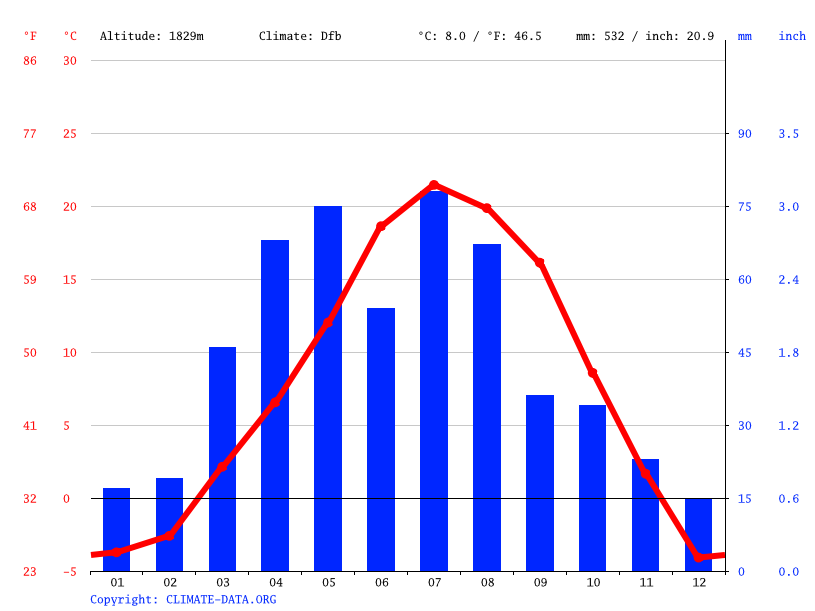
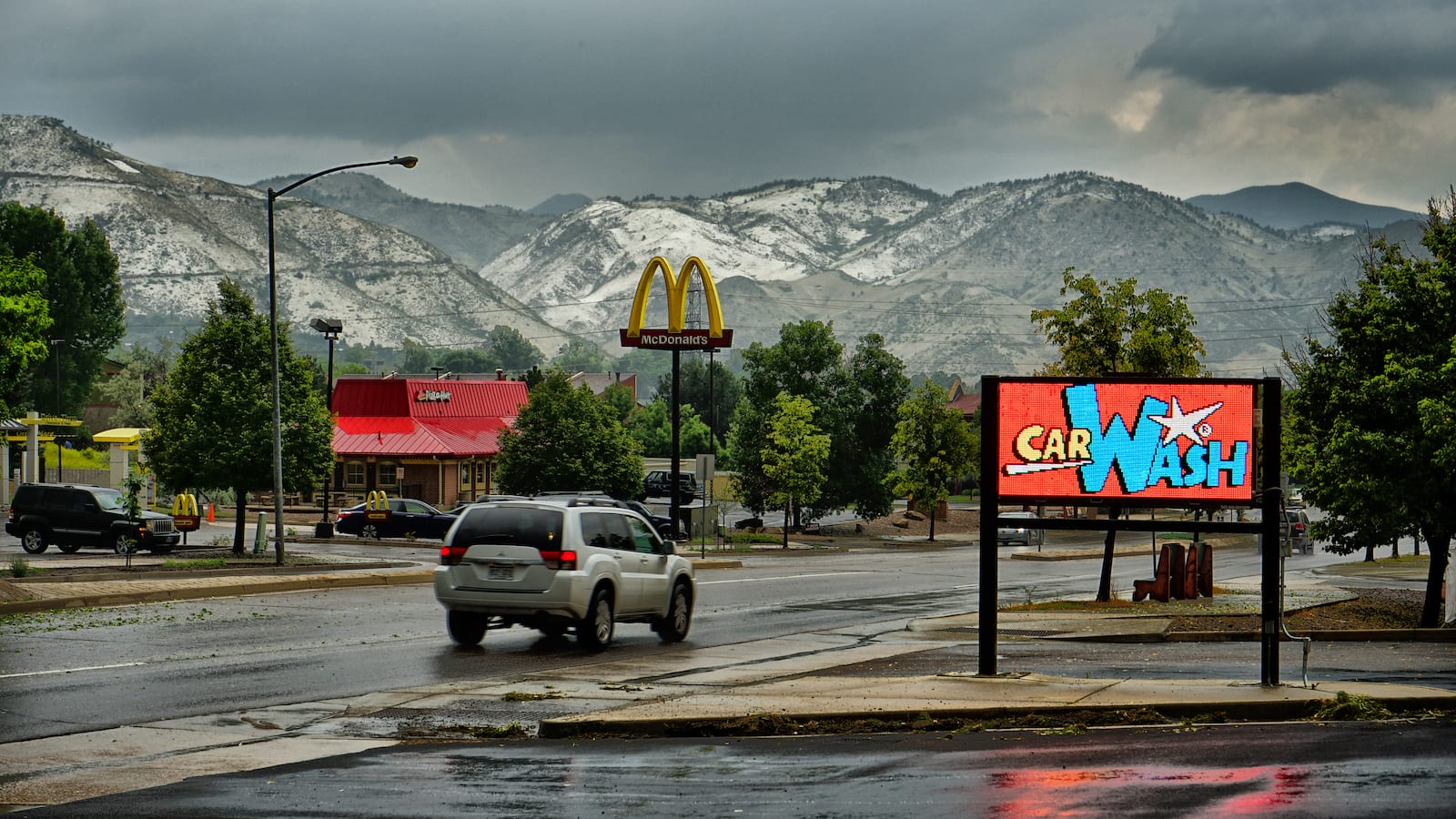
- Summer Thunderstorms: The most significant rainfall typically occurs during the summer months, from July through September. These are often characterized by dramatic afternoon thunderstorms, fueled by monsoon moisture from the southwest. These storms can bring heavy downpours, hail, and lightning, but they also provide much-needed relief from the heat.
- Winter Snowfall: Winter, from roughly November through April, brings snowfall. While not as heavy as in the mountain towns, Colorado Springs can experience several inches of snow at a time, and accumulation can range from dusting to significant drifts. The snow often melts quickly due to sunny days, but it can occasionally linger.
- Spring and Fall Variability: Spring and fall are transitional periods, often marked by unpredictable weather. You might encounter sunshine one day and snow the next, with strong winds being a common feature during these months.
Seasonal Weather Breakdown for Travelers
To best prepare for your journey to Colorado Springs, let’s break down what you can expect season by season.
Spring (March – May)
Spring in Colorado Springs is a period of dramatic change. Winter’s grip loosens, but cold snaps are still common, and snow is a regular occurrence well into April, sometimes even May.
- Temperatures: Daytime highs can range from the 40s to the 60s Fahrenheit (4-20°C), while nighttime lows can dip below freezing.
- Precipitation: Expect a mix of rain and snow. Snowfall can still accumulate, especially in early spring. Winds can be strong, contributing to a “wind chill” effect.
- What to Pack: Layers are essential. Bring a waterproof and windproof jacket, warm sweaters, long pants, and sturdy, waterproof footwear. Don’t forget gloves and a hat. Lighter clothing for warmer days is also advisable.
Summer (June – August)
Summers in Colorado Springs are generally warm and sunny, but with a high likelihood of afternoon thunderstorms. This is a peak season for outdoor activities.
- Temperatures: Daytime highs typically range from the high 70s to the mid-80s Fahrenheit (25-30°C). Nights are pleasant, usually in the 50s Fahrenheit (10-15°C). Heatwaves can push temperatures into the 90s Fahrenheit (32-37°C) or even higher.
- Precipitation: The monsoon season, starting in July, brings frequent, often dramatic, thunderstorms. These can be accompanied by heavy rain, hail, and lightning. While they can be intense, they rarely last all day.
- What to Pack: Light, breathable clothing such as t-shirts, shorts, and sundresses are ideal. A light jacket or hoodie for cooler evenings and a rain jacket or poncho are highly recommended for the afternoon storms. Sunscreen, a wide-brimmed hat, and sunglasses are non-negotiable. Comfortable walking shoes are a must for exploring attractions like the Garden of the Gods.
Fall (September – November)
Autumn offers some of the most beautiful weather in Colorado Springs, with crisp air, clear skies, and vibrant fall foliage.
- Temperatures: September is often as warm as summer, with daytime highs in the 70s Fahrenheit (20-25°C). By November, temperatures begin to drop significantly, with daytime highs averaging in the 40s Fahrenheit (4-9°C) and nighttime lows below freezing.
- Precipitation: Rainfall decreases, and snow begins to appear more frequently as the season progresses. Winds can still be a factor.
- What to Pack: Similar to spring, layering is key. Pack sweaters, long pants, and a medium-weight jacket. Waterproof footwear is useful in case of early snow or rain. The vibrant colors of the changing leaves make this an excellent time to visit, perhaps for a scenic drive up to Crags Campground.
Winter (December – February)
Winters in Colorado Springs are cold and can be snowy, though typically less extreme than in the higher mountain ranges. The city offers a winter wonderland experience for those who enjoy snow-related activities.
- Temperatures: Daytime highs are often in the 30s and 40s Fahrenheit (0-10°C), but can plummet into the teens or single digits Fahrenheit (-10 to -15°C) during cold snaps. Nighttime temperatures regularly fall below freezing, often into the single digits or teens Fahrenheit (-15 to -5°C).
- Precipitation: Snowfall is common, with accumulations varying from a few inches to over a foot during larger storms. The snow can be picturesque and create opportunities for winter sports.
- What to Pack: Heavy, warm winter clothing is essential. This includes a thick, insulated, waterproof and windproof coat, thermal base layers, warm sweaters, insulated pants, waterproof boots with good traction, thick gloves or mittens, and a warm hat that covers your ears. Consider a scarf or neck gaiter for added protection against the cold. While you might be visiting The Broadmoor for a luxurious retreat, excursions into the snow-covered landscape will require appropriate attire.
Weather Extremes and Considerations
While Colorado Springs generally enjoys a pleasant climate, it’s important to be aware of potential weather extremes and unique conditions.
Hailstorms
Colorado Springs is located in an area prone to severe thunderstorms, which can produce large and damaging hailstones. These can occur from spring through summer. It’s advisable to check weather alerts if severe weather is forecast and to park vehicles in garages or covered areas if possible.
High Winds
Due to its location on the eastern plains and proximity to mountain passes, Colorado Springs can experience strong winds, especially during spring and fall. These winds can cause dust storms and make outdoor activities less comfortable.
Drought and Wildfires
Like much of the American West, Colorado Springs can experience periods of drought, which increases the risk of wildfires. Fire restrictions are common during dry periods, and it’s crucial to be aware of and adhere to any bans on open flames. The natural beauty surrounding the city, including areas near Cheyenne Mountain State Park, can be affected.
Altitude Sickness
For visitors not accustomed to high altitudes, altitude sickness can be a concern. Symptoms can include headaches, nausea, dizziness, and fatigue. It is recommended to stay hydrated, avoid alcohol and strenuous activity for the first day or two, and acclimatize gradually. If symptoms are severe, descend to a lower elevation or seek medical attention.
Planning Your Visit Around the Weather
When planning a trip to Colorado Springs, consider what type of experience you’re seeking.
- For Hiking and Outdoor Adventures: Late spring, summer (early morning or late afternoon to avoid thunderstorms), and early fall offer the best conditions. The trails around Manitou Springs are particularly stunning in the autumn.
- For Winter Sports Enthusiasts: Winter is the obvious choice, with opportunities for skiing and snowboarding at nearby resorts like Ski Cooper or Breckenridge Ski Resort (though these are further afield). The city itself offers a charming holiday atmosphere.
- For Those Seeking Pleasant Temperatures and Fewer Crowds: May and September often provide a sweet spot with fewer tourists and more predictable, pleasant weather.
By understanding the nuances of Colorado Springs weather, you can pack appropriately, schedule your activities wisely, and truly embrace the diverse beauty and adventurous spirit of this remarkable Colorado destination.
LifeOutOfTheBox is a participant in the Amazon Services LLC Associates Program, an affiliate advertising program designed to provide a means for sites to earn advertising fees by advertising and linking to Amazon.com. Amazon, the Amazon logo, AmazonSupply, and the AmazonSupply logo are trademarks of Amazon.com, Inc. or its affiliates. As an Amazon Associate we earn affiliate commissions from qualifying purchases.