
Denver, Colorado, often lauded as the “Mile High City,” boasts a climate shaped by its unique high-altitude location and proximity to the Rocky Mountains. Understanding Denver’s weather is crucial for any traveler planning a visit, as it can dramatically influence the kinds of activities you can enjoy and the apparel you should pack. This guide delves into the typical weather patterns, seasonal variations, and practical advice for navigating Denver’s dynamic climate.
Understanding Denver’s High-Altitude Climate
Denver’s elevation of approximately 5,280 feet above sea level significantly impacts its weather. This altitude means less atmospheric pressure, leading to more intense solar radiation and a generally drier climate compared to cities at lower elevations. The air is thinner, which can affect how quickly temperatures change and how precipitation behaves. Furthermore, Denver experiences a semi-arid climate, receiving less rainfall than many other major U.S. cities. However, this doesn’t mean it’s always dry; the city can experience significant snow events and thunderstorms, especially during certain times of the year. The surrounding Rocky Mountains also play a role, acting as a barrier that influences weather patterns, often directing storms or moderating temperatures. The transition between seasons can be abrupt, with Denver famously experiencing “all four seasons in one day” on occasion.
Sunshine and Solar Radiation
One of the most consistent aspects of Denver’s weather is its abundant sunshine. The city averages over 300 sunny days per year, making it an excellent destination for outdoor enthusiasts. However, this high level of sunshine comes with increased ultraviolet (UV) radiation. Visitors should always be prepared with sunscreen, hats, and sunglasses, even on cloudy days, as the intensity of the sun at this altitude can lead to sunburns more quickly than at sea level. This intense sun is a hallmark of the Denver experience and contributes to the city’s reputation as an outdoor paradise.
Air Quality Considerations
Due to its location in a basin and prevailing wind patterns, Denver can sometimes experience air quality issues, particularly inversions during winter months. These inversions trap pollutants closer to the ground, leading to hazy conditions and reduced visibility. While not a daily occurrence, it’s something to be aware of, especially for individuals with respiratory sensitivities.
Seasonal Weather Patterns in Denver
Denver’s weather exhibits distinct seasonal characteristics, each offering unique experiences and challenges for visitors.
Spring (March – May)
Spring in Denver is a period of transition and often unpredictability. While sunshine starts to become more prevalent, the lingering effects of winter can bring significant snowfall, sometimes in late March or even April. Temperatures can fluctuate wildly, with warm, sunny days followed by cold snaps. This is also the season for increased thunderstorm activity, particularly in the afternoons, as warmer air masses collide with cooler ones. These storms can be intense, sometimes accompanied by hail and strong winds.
- March: Still feels very much like winter, with potential for heavy snow. Average temperatures range from highs in the 40s to lows in the teens.
- April: A month of dramatic swings. Snow is still possible, but warmer days in the 50s and 60s become more common. Thunderstorms increase.
- May: Spring is more firmly established, with averages highs in the 70s. However, late-season snowstorms are not unheard of. Thunderstorm activity remains high.
Packing Tips for Spring: Layers are essential. Include a warm jacket, waterproof outer shell, sweaters, long-sleeved shirts, and pants. Be prepared for both sunshine and potential snow or rain.
Summer (June – August)
Summers in Denver are generally warm to hot and dry, characterized by abundant sunshine. Afternoon thunderstorms are a daily occurrence from July through September. These storms often bring brief, but heavy, rain and sometimes hail, quickly followed by clearing skies and a return to sunshine. The high altitude helps moderate the heat somewhat, preventing prolonged periods of extreme heat seen in other parts of the country.
- June: Temperatures begin to climb, with average highs in the 70s and 80s. Thunderstorms become more frequent.
- July: Typically the warmest month, with average highs in the high 80s. Humidity can increase slightly before afternoon storms.
- August: Continues the warm trend, with average highs in the high 80s. Afternoon thunderstorms are common and can be quite dramatic.
Packing Tips for Summer: Lightweight, breathable clothing is key. Sunscreen, hats, and sunglasses are non-negotiable. Bring a light jacket or sweater for cooler evenings and a waterproof jacket for unexpected rain showers. Comfortable walking shoes are essential for exploring Denver’s attractions.
Autumn (September – November)
Autumn is often considered one of the most beautiful times to visit Denver. The weather is typically crisp and sunny, with cooler temperatures and less humidity. Fall foliage can be stunning in the surrounding foothills and mountains. However, as the season progresses, the weather begins to shift towards winter. Snowfall becomes a possibility by late October and November, and temperatures start to drop significantly.
- September: A pleasant month with average highs in the 70s and low humidity. Fall colors begin to appear in the mountains.
- October: Temperatures cool down, with average highs in the 60s. Snow is possible, especially later in the month.
- November: Transitioning fully into winter. Average highs drop into the 40s and 50s, and snow becomes more likely.
Packing Tips for Autumn: Layers remain important. Pack sweaters, long-sleeved shirts, pants, and a medium-weight jacket. A waterproof or water-resistant jacket is advisable for potential rain or early snow.

Winter (December – February)
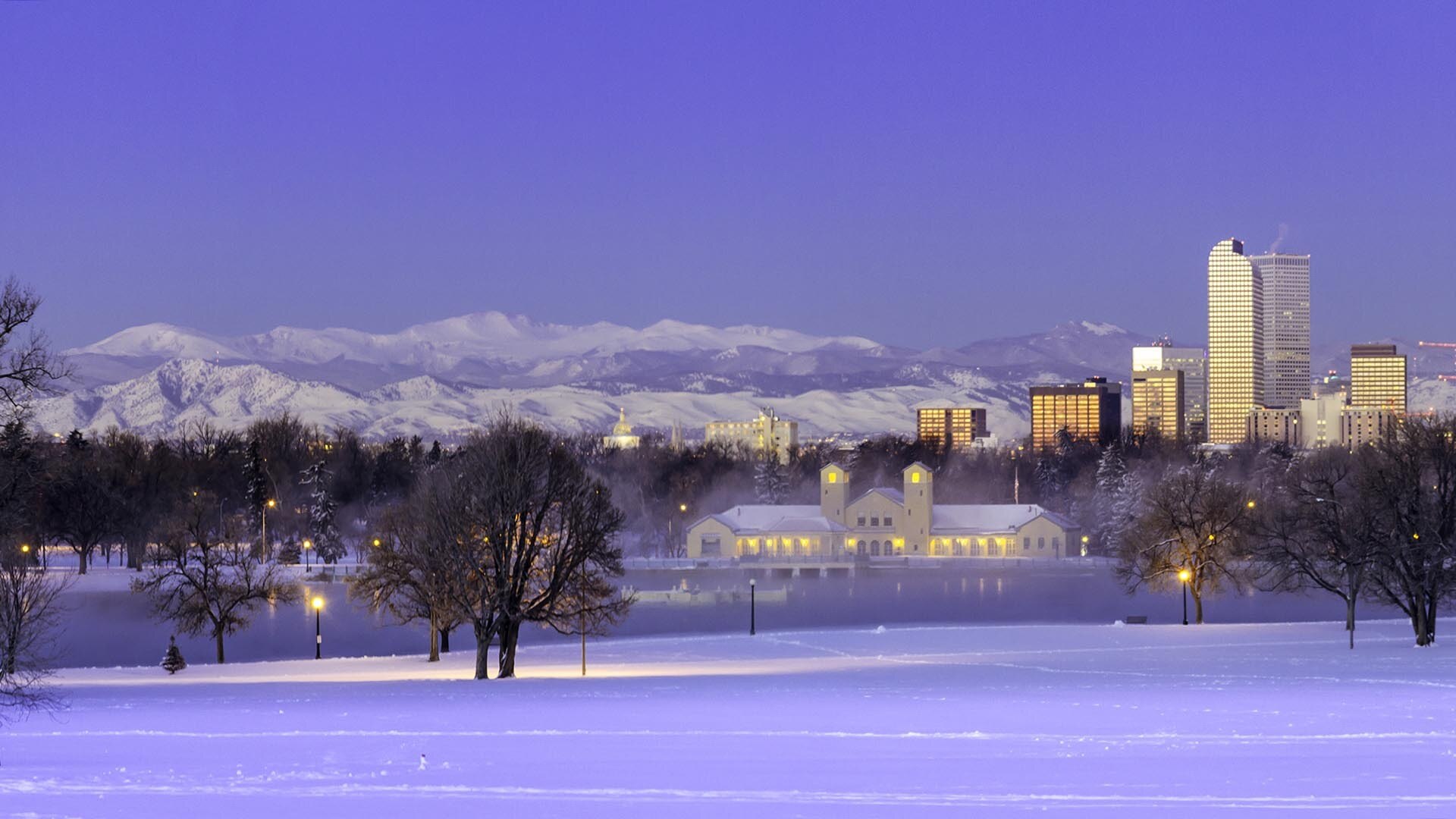
Denver winters are characterized by cold temperatures, frequent sunshine, and the potential for significant snowstorms. While it can be cold, the city often enjoys sunny days, making it possible to enjoy outdoor activities even in winter. The snow that falls can be light and powdery, or heavy and wet, depending on the storm system. The Rocky Mountains are a major draw for winter sports enthusiasts, and Denver serves as a gateway to these resorts.
- December: Cold with average highs in the 40s and lows below freezing. Snowfall becomes more common, and holiday events are popular.
- January: Typically the coldest month, with average highs in the 40s and lows in the teens. Snowstorms can bring several inches of snow at a time.
- February: Continues the cold trend, with average highs in the 40s and lows below freezing. Snowfall remains a possibility.
Packing Tips for Winter: Warm layers are paramount. This includes thermal base layers, sweaters, insulated pants, a heavy winter coat, gloves, a scarf, and a warm hat. Waterproof boots with good traction are essential for walking in snow and ice.
Key Weather Phenomena in Denver
Denver experiences several unique weather phenomena due to its geography and altitude.
Thunderstorms
Afternoon thunderstorms are a hallmark of Denver’s summer and late spring. Fueled by solar heating and the moisture carried in from the west, these storms can be quite dramatic. They often develop rapidly, bringing lightning, thunder, heavy rain, and sometimes hail. While they can be intense, they usually pass quickly, leaving behind clear skies and cooler temperatures. For visitors, this means planning outdoor activities for the morning or late afternoon and being prepared to seek shelter if a storm rolls in.
Hailstorms
Hailstorms are not uncommon in Denver, particularly during the spring and summer thunderstorm season. The size of hailstones can vary from small peas to golf balls or even larger. These can cause damage to vehicles and property, and pose a risk to anyone caught outdoors. It’s wise to monitor weather forecasts during these months and have a plan for securing vehicles if hail is predicted.
Chinook Winds
In the winter and spring, Denver can experience warm, dry winds known as Chinook winds. These winds blow down from the Rocky Mountains and can cause rapid temperature increases, sometimes by 30-40 degrees Fahrenheit in a matter of hours. While they can offer a welcome respite from the cold, they can also contribute to dry conditions and increased fire risk.
Snowfall
Denver receives a significant amount of snow annually, typically averaging around 57 inches. The snow can range from light, fluffy powder to heavy, wet accumulations. Snowfall is most common from October through April. While snow can disrupt travel, it also contributes to the winter wonderland appeal and provides excellent conditions for skiing and snowboarding in the nearby mountains. The city’s infrastructure is generally well-prepared for snow removal, but occasional major snowstorms can cause temporary delays.
Planning Your Visit Based on Denver’s Weather
When planning a trip to Denver, aligning your visit with the desired weather conditions can greatly enhance your experience.
For Outdoor Adventures
If your primary goal is hiking, biking, or exploring Denver’s parks and trails, late spring (May), summer (June-August), and early autumn (September-October) offer the most favorable conditions. These periods generally provide milder temperatures and more consistent sunshine, although summer demands preparation for afternoon thunderstorms. The shoulder seasons of late spring and early autumn often strike a balance with fewer crowds and beautiful scenery.
For Skiing and Snowboarding
For winter sports enthusiasts, the prime season runs from December through March, with the best snowpack typically found from January to February. Denver serves as an excellent basecamp for day trips or longer stays at world-class ski resorts such as Aspen, Vail, and Breckenridge. Remember that mountain weather can be more extreme than in the city itself.
For Cultural Exploration and City Life
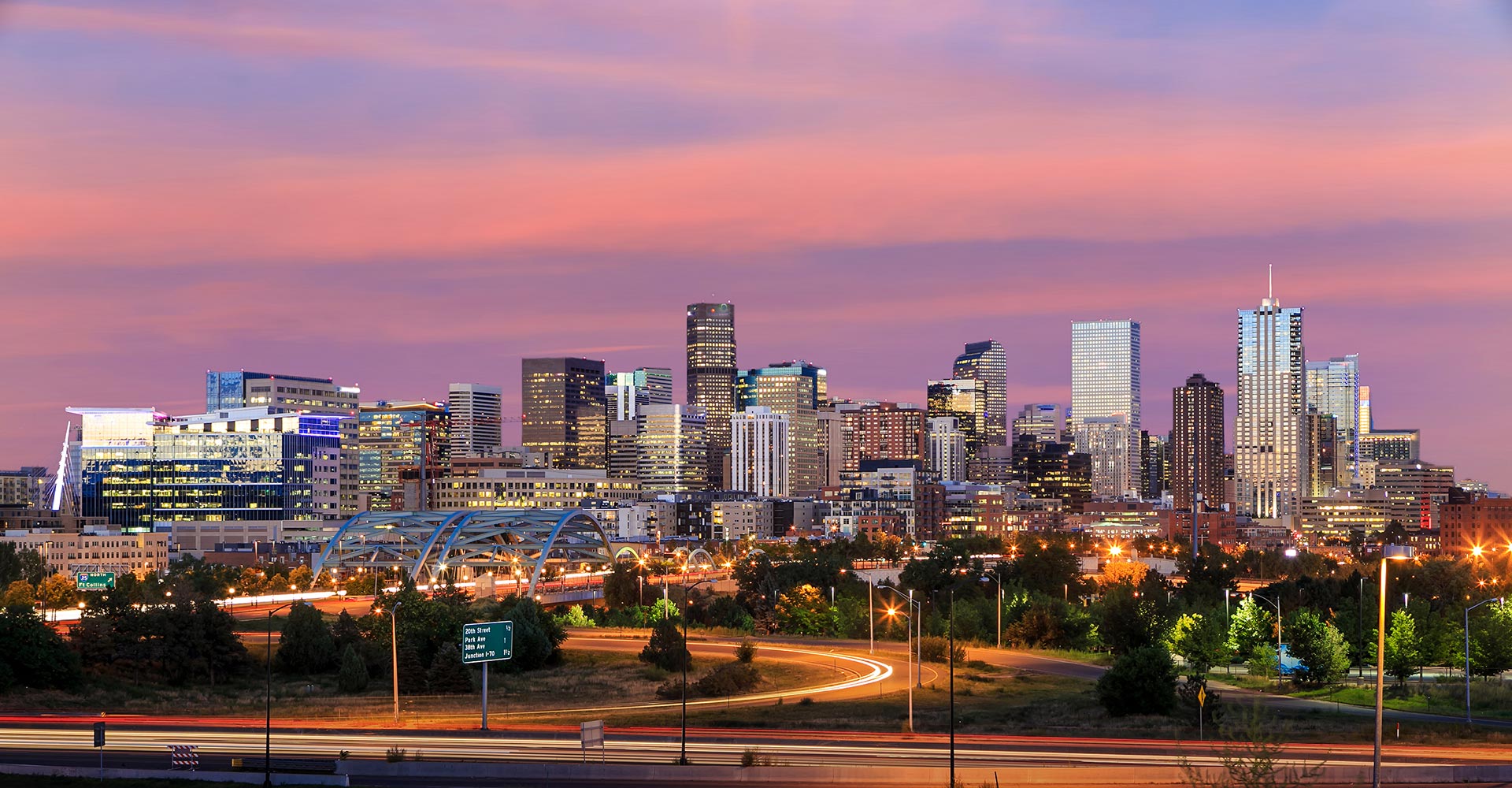
Denver’s cultural attractions, museums, and dining scene are accessible year-round. However, if you prefer comfortable temperatures for walking and exploring the city’s neighborhoods like LoDo or the Rino Art District, spring and autumn offer the most pleasant weather. Summer can be warm for extensive walking but is ideal for outdoor events and patio dining. Winter offers a cozy atmosphere and opportunities for festive holiday activities.
By understanding the nuances of Denver’s weather, visitors can pack appropriately, plan their itineraries effectively, and fully appreciate the diverse beauty and experiences this vibrant city has to offer, regardless of the season.
LifeOutOfTheBox is a participant in the Amazon Services LLC Associates Program, an affiliate advertising program designed to provide a means for sites to earn advertising fees by advertising and linking to Amazon.com. Amazon, the Amazon logo, AmazonSupply, and the AmazonSupply logo are trademarks of Amazon.com, Inc. or its affiliates. As an Amazon Associate we earn affiliate commissions from qualifying purchases.