
Understanding the local time is a fundamental aspect of planning any journey, and for travelers heading to the vibrant city of Denver Colorado, this seemingly simple question holds practical importance. Whether you’re coordinating airport pickups, booking tours, or simply trying to connect with loved ones back home, knowing Denver’s precise timezone is crucial for a seamless experience. This guide delves into the specifics of Denver’s timezone, its implications for travelers, and how to navigate potential time-related confusions.
Mountain Time: Denver’s Standard Setting
Denver Colorado observes Mountain Time. This timezone is characterized by its designation as UTC-7 during standard time and UTC-6 during daylight saving time.
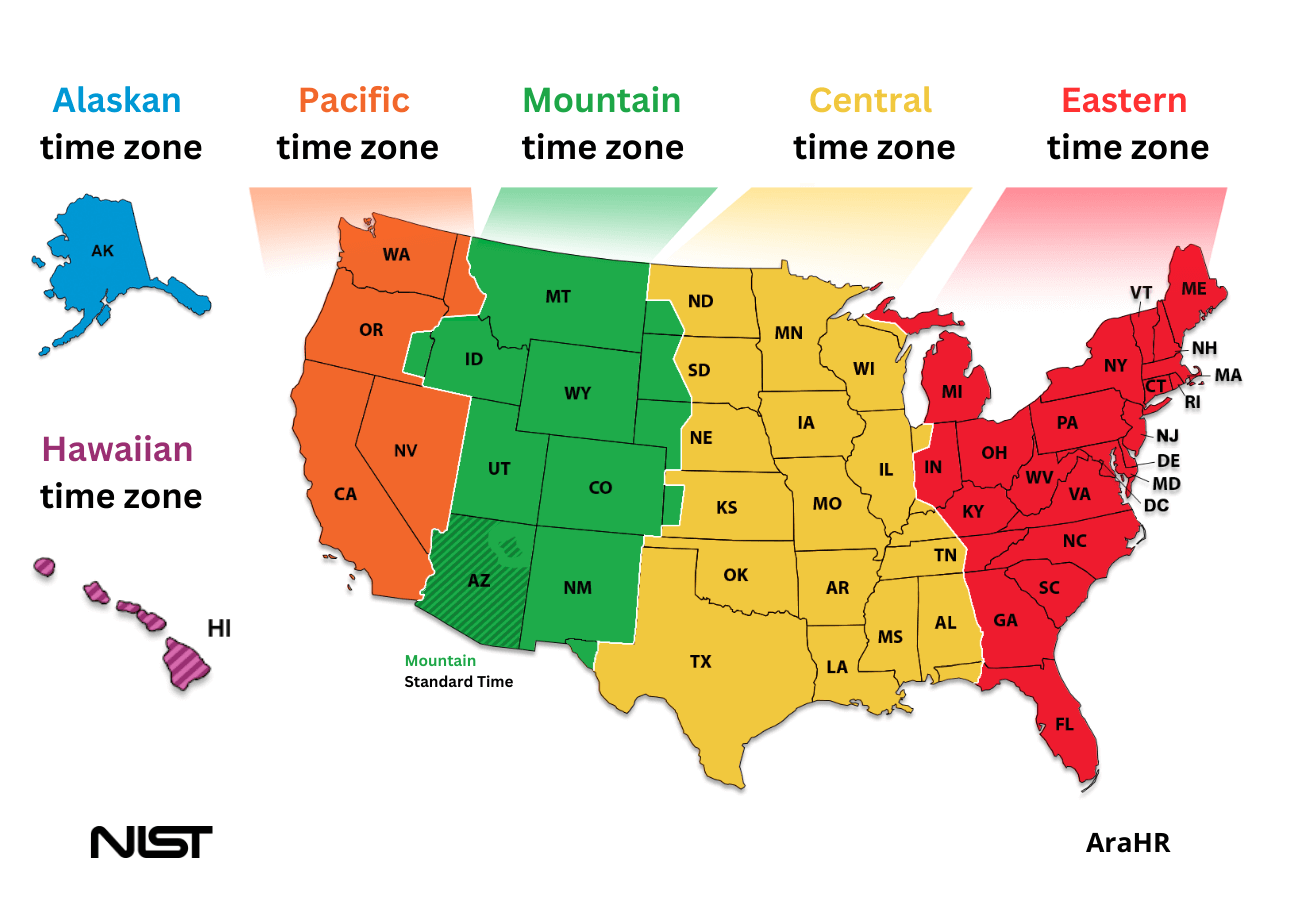
Understanding Mountain Standard Time (MST) and Mountain Daylight Time (MDT)
The United States utilizes daylight saving time (DST) in most regions, and Colorado is no exception. This means that Denver operates on two distinct time conventions throughout the year:
-
Mountain Standard Time (MST): This is the standard time observed by Denver from early November to mid-March. During MST, Denver is seven hours behind Coordinated Universal Time (UTC-7). When it’s noon UTC, it’s 5 AM in Denver.
-
Mountain Daylight Time (MDT): From mid-March to early November, Denver switches to Mountain Daylight Time (MDT). This adjustment moves the clocks forward by one hour, making Denver six hours behind UTC (UTC-6). When it’s noon UTC, it’s 6 AM in Denver.
The switch between MST and MDT typically occurs on the second Sunday in March and the first Sunday in November, aligning with the broader DST schedule across the United States. It’s important to note that while most of the United States observes DST, there are a few exceptions, such as Arizona (with the exception of the Navajo Nation) and Hawaii, which remain on standard time year-round. However, for travelers to Denver Colorado, these DST adjustments are a key factor in understanding the local time.
The Practical Implications for Travelers
For visitors to Denver Colorado, understanding the timezone has several practical applications that can significantly enhance your travel experience:
-
Flight Schedules and Airport Arrivals: Accurately interpreting flight arrival and departure times is paramount. Booking flights to or from Denver International Airport requires paying close attention to the listed local times. A flight departing from a city on Eastern Daylight Time (EDT, UTC-4) to Denver (MDT, UTC-6) will have a different effective arrival time relative to UTC than a flight between two cities in the same timezone. For instance, a flight leaving New York City at 9 AM EDT would arrive in Denver at what would be 7 AM MDT, assuming a direct flight with no layovers and considering the 2-hour difference.
-
Booking Accommodations and Activities: When booking hotels, such as the The Crawford Hotel at Union Station, or reserving tours and activities, confirm the operating hours and booking times in local Denver time. Many online booking systems automatically adjust to your device’s local time, but it’s always wise to double-check, especially if you are booking from a different timezone.
-
Coordinating with Local Contacts: If you are meeting local contacts, friends, or business associates in Denver Colorado, clearly specifying the timezone can prevent miscommunication. Phrases like “7 PM MST” or “2 PM MDT” can avoid confusion, especially during the transition periods when DST might be a factor.
-
Keeping in Touch with Home: For travelers wishing to stay connected with family and friends in their home countries, understanding the time difference is essential. A call at what seems like a convenient time in your origin timezone might be the middle of the night for your contacts in Denver, or vice-versa. Being mindful of the MST/MDT offset will help you schedule calls and video chats appropriately.
-
Planning Day Trips and Excursions: Denver Colorado serves as a gateway to numerous day trips and excursions, from exploring the majestic Rocky Mountains to visiting nearby towns like Boulder. Knowing the local time helps in planning the duration of these trips, factoring in travel time and the opening hours of attractions. For example, if you plan to visit Rocky Mountain National Park, starting your journey early in the morning Denver time will maximize your daylight hours for exploration.
Navigating Time Differences with Other Major US Cities
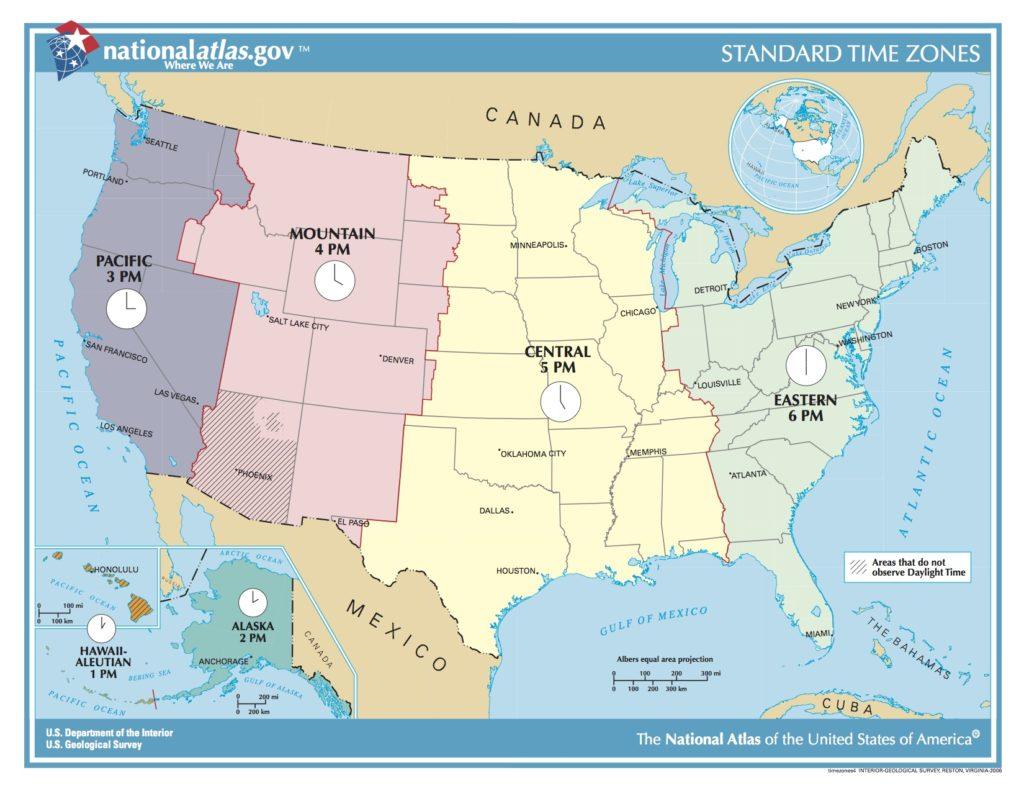
The time difference between Denver Colorado and other major cities across the United States can be significant, especially considering the timezones prevalent on the East and West Coasts.
East Coast vs. Mountain Time
Cities on the East Coast, such as New York City, Miami, and Boston, operate on Eastern Time (ET).
-
During Daylight Saving Time: When Denver is on MDT (UTC-6), East Coast cities are on Eastern Daylight Time (EDT, UTC-4). This means Denver Colorado is two hours behind the East Coast. For example, 9 AM EDT in New York City is 7 AM MDT in Denver.
-
During Standard Time: When Denver is on MST (UTC-7), East Coast cities are on Eastern Standard Time (EST, UTC-5). The time difference remains two hours, with Denver being behind. For instance, 9 AM EST in New York City is 7 AM MST in Denver.
This consistent two-hour difference is a crucial piece of information for travelers moving between these regions.
West Coast vs. Mountain Time
Cities on the West Coast, including Los Angeles, San Francisco, and Seattle, observe Pacific Time (PT).
-
During Daylight Saving Time: When Denver is on MDT (UTC-6), West Coast cities are on Pacific Daylight Time (PDT, UTC-7). Denver Colorado is one hour ahead of the West Coast. For example, 9 AM PDT in Los Angeles is 10 AM MDT in Denver.
-
During Standard Time: When Denver is on MST (UTC-7), West Coast cities are on Pacific Standard Time (PST, UTC-8). The time difference remains one hour, with Denver being ahead. For instance, 9 AM PST in Los Angeles is 10 AM MST in Denver.
This one-hour difference is a factor to consider when planning travel or communication with individuals on the West Coast.
Central Time Zone Considerations
Cities in the Central Time Zone, such as Chicago and Dallas, are located between Eastern and Mountain Time.
-
During Daylight Saving Time: When Denver is on MDT (UTC-6), Central Time cities are on Central Daylight Time (CDT, UTC-5). Denver Colorado is one hour behind Central Time. For example, 9 AM CDT in Chicago is 8 AM MDT in Denver.
-
During Standard Time: When Denver is on MST (UTC-7), Central Time cities are on Central Standard Time (CST, UTC-6). The time difference remains one hour, with Denver being behind. For instance, 9 AM CST in Chicago is 8 AM MST in Denver.
Tips for Seamless Timezone Management in Denver
To ensure your visit to Denver Colorado is as smooth as possible, incorporating effective timezone management into your travel planning is highly recommended.
Leverage Technology
Modern technology offers a plethora of tools to help you stay on top of time differences.
-
Smartphone Clock Apps: Most smartphones allow you to set multiple world clocks. Configure your phone to display the time in Denver Colorado alongside your home timezone. This provides an immediate visual reference. Many devices also have a “world clock” feature that allows you to add specific cities.
-
Online Time Converters: Numerous websites and apps provide reliable time conversion tools. Simply input the time in one city, and the tool will calculate the corresponding time in another. This is particularly useful when coordinating with individuals in various timezones.
-
Calendar Applications: When scheduling meetings, appointments, or calls, use calendar applications that can automatically convert times based on different timezones. This helps prevent accidental scheduling errors.
Double-Check Flight and Booking Details
Always verify the local time for all travel-related bookings. Airlines and booking platforms usually display times in the local timezone of the destination, but it’s good practice to confirm. Look for indicators like “local time” or timezone abbreviations (MST/MDT) on your booking confirmations.
Communicate Clearly
When communicating with anyone about meeting times or deadlines in Denver Colorado, be explicit about the timezone. It is often helpful to state the time followed by the timezone abbreviation, for example, “Let’s plan to meet at 10 AM MDT.”
Be Mindful of DST Changes
The transitions into and out of Daylight Saving Time can sometimes cause confusion. Mark the dates of these transitions on your calendar and be aware that the time difference with other locations will shift by one hour during these periods. The United States observes DST from the second Sunday in March to the first Sunday in November.
Consider Jet Lag
While not directly related to timezone calculation, understanding the time difference can help you manage jet lag more effectively. If you are traveling from a significantly different timezone, gradually adjust your sleep schedule in the days leading up to your trip, or upon arrival, try to sync with the local Denver time as quickly as possible. This proactive approach can make your stay in Denver Colorado much more enjoyable.
By understanding the specifics of Mountain Time and employing these practical tips, travelers can navigate the temporal landscape of Denver Colorado with confidence, ensuring that every moment of their visit is perfectly timed.
LifeOutOfTheBox is a participant in the Amazon Services LLC Associates Program, an affiliate advertising program designed to provide a means for sites to earn advertising fees by advertising and linking to Amazon.com. Amazon, the Amazon logo, AmazonSupply, and the AmazonSupply logo are trademarks of Amazon.com, Inc. or its affiliates. As an Amazon Associate we earn affiliate commissions from qualifying purchases.