
Colorado, a state celebrated for its breathtaking Rocky Mountain landscapes and diverse ecosystems, is also home to a fascinating array of bear species. For travelers, adventurers, and nature enthusiasts planning a visit, understanding which bears inhabit the Centennial State is crucial for both safety and appreciation of the wild. While the general public often thinks of “bears” as a monolithic entity, Colorado is primarily known for two distinct species: the American black bear and the grizzly bear, though the latter’s presence is significantly more limited and a topic of ongoing discussion and management.
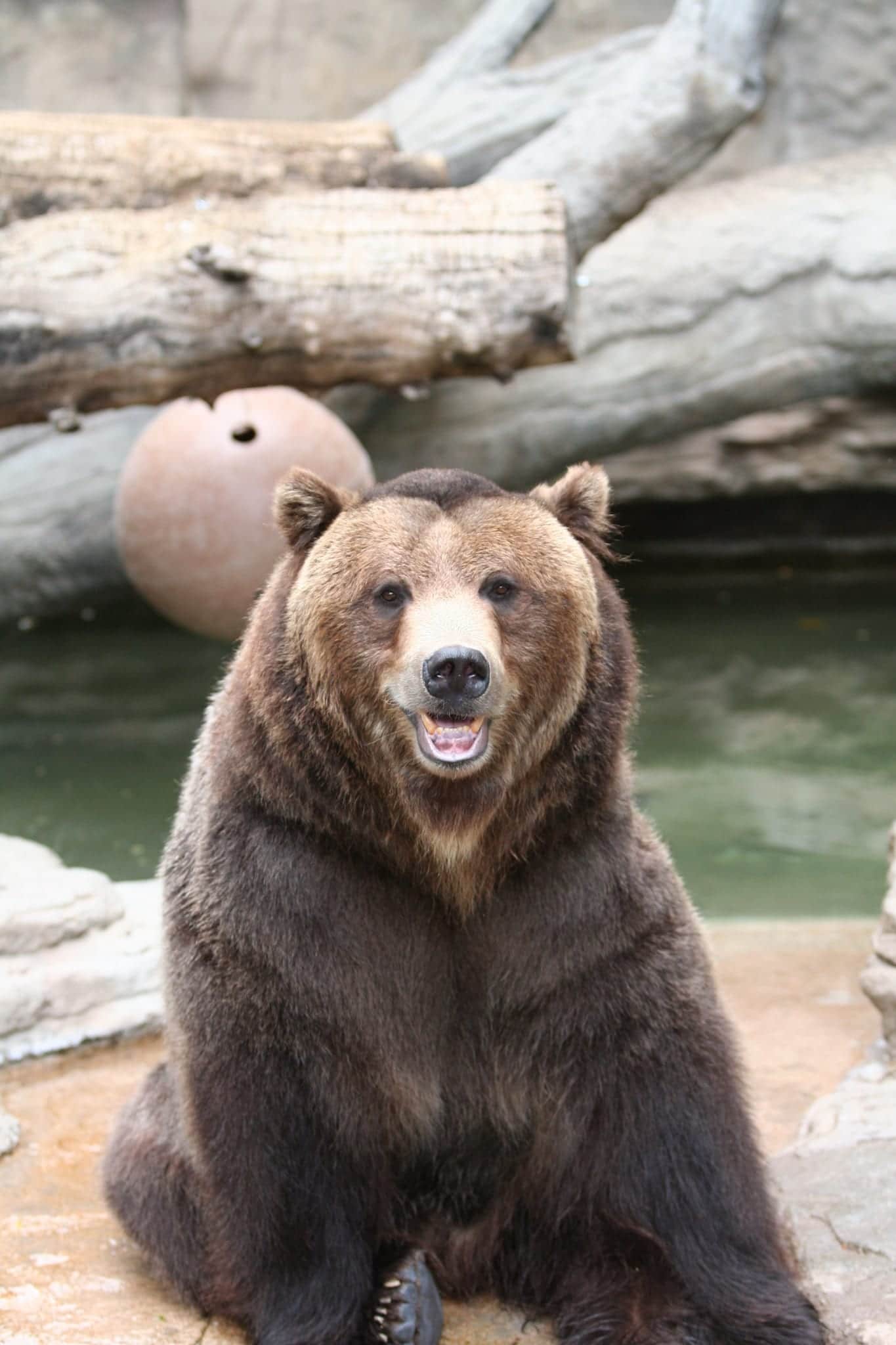
The primary focus for any visitor observing wildlife in Colorado will invariably be the American black bear. These adaptable creatures are the most commonly encountered bear species across North America, and Colorado boasts healthy, thriving populations. Understanding their behavior, habitat, and the precautions necessary when venturing into their domain is paramount for a safe and enjoyable outdoor experience. While grizzly bears were once a more common sight in Colorado, their current status is a complex issue, with limited confirmed sightings and active conservation efforts.
The Dominant Dweller: American Black Bears in Colorado
The American black bear (Ursus americanus) is a medium-sized bear that, despite its name, can vary widely in color from jet black to light brown, cinnamon, or even blonde. These color variations are a common source of confusion for observers, as a “brown” bear in Colorado is very likely to be a black bear, not a grizzly.
Distribution and Habitat
American black bears are found throughout much of Colorado, particularly in forested mountainous regions. Their preferred habitats include dense woodlands, alpine meadows, and riparian areas where food sources are abundant. They are highly adaptable and can be found at various elevations, from the foothills to the high country. Key areas where black bear sightings are more frequent include:
- Rocky Mountain National Park: This iconic park offers extensive wilderness where black bears are a common sight, especially in lower elevations and near popular hiking trails.
- White River National Forest: Spanning a vast area, this forest encompasses diverse ecosystems, providing ample habitat for black bears.
- San Juan National Forest: Located in the southwestern part of the state, this forest is also home to a significant black bear population.
- Pike National Forest: Extending across central and southern Colorado, this forest includes varied terrain suitable for black bears.
- Grand Mesa, Uncompahgre, and Gunnison National Forests: These interconnected forests in western Colorado provide extensive and suitable habitats.
Black bears are opportunistic omnivores, with their diet consisting of berries, nuts, roots, insects, and carrion. They are also known to raid bird feeders and garbage cans if accessible, which can lead to human-bear conflict.
Behavior and Identification
American black bears are generally more timid and reclusive than grizzlies, preferring to avoid confrontation. However, they are still wild animals and can be dangerous if they feel threatened or are habituated to human food sources.
Key identification features to distinguish a black bear from a grizzly include:
- Shoulder Hump: Black bears lack the prominent shoulder hump that is characteristic of grizzly bears.
- Facial Profile: Black bears have a straighter facial profile, while grizzlies have a more dished or concave face.
- Claws: Black bear claws are shorter and more curved, adapted for climbing trees. Grizzly claws are longer, straighter, and better suited for digging.
- Ears: Black bear ears are typically taller and more pointed than the shorter, rounder ears of grizzlies.
- Size: While there can be overlap, adult black bears are generally smaller than adult grizzlies.
Understanding these distinctions is vital for responsible wildlife viewing and ensuring personal safety.
Safety and Interaction
When exploring areas inhabited by black bears, adhering to safety guidelines is paramount. The Colorado Parks and Wildlife (CPW) provides extensive recommendations:
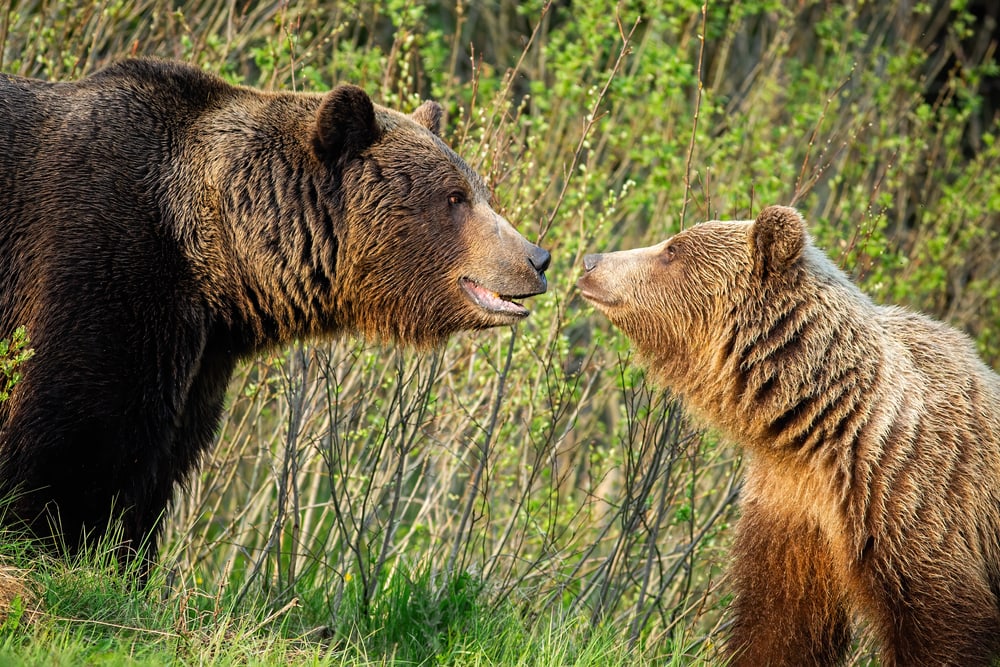
- Make Noise: Hike in groups and talk, sing, or clap your hands to alert bears of your presence. This is especially important in areas with dense vegetation or near streams where bears may not hear you approaching.
- Be Aware: Look for signs of bear activity, such as tracks, scat, or overturned rocks. Avoid hiking at dawn or dusk when bears are most active.
- Proper Food Storage: Never leave food or scented items unattended. Use bear-resistant containers or store food in a bear-proof locker or a vehicle when camping. This is a critical step in preventing habituation.
- Keep a Clean Camp: Wash dishes immediately after meals and dispose of wastewater properly, away from your campsite.
- Leash Pets: Dogs can provoke bears. Keep them leashed and under control at all times.
- If You Encounter a Bear:
- Do NOT Run: Running can trigger a chase response.
- Stay Calm: Speak in a low, calm voice to let the bear know you are human.
- Back Away Slowly: Do not make direct eye contact, as this can be perceived as a challenge.
- Make Yourself Look Bigger: If the bear approaches, stand tall, wave your arms, and shout.
- Do NOT Feed Bears: Feeding bears, intentionally or unintentionally, is dangerous and illegal. It habituates them to humans and often leads to their removal or euthanasia.
The Elusive Giant: Grizzlies in Colorado
The grizzly bear (Ursus arctos horribilis) is a larger, more powerful bear than the American black bear, renowned for its imposing size and distinctive shoulder hump. Historically, grizzlies roamed widely across the North American continent, including significant portions of Colorado. However, due to habitat loss, hunting, and human settlement, their populations have drastically declined, and they are now considered functionally extinct in Colorado.
Historical Presence and Current Status
Grizzly bears once thrived in the vast wilderness of Colorado, particularly in the western mountain ranges. Their presence was part of the rich biodiversity of the region. However, by the early 20th century, the Colorado grizzly bear population had dwindled to near extinction.
Today, the presence of grizzly bears in Colorado is a subject of conservation interest and debate. While there are no established breeding populations, occasional sightings of individual bears migrating from other states, particularly Montana or Wyoming, are reported. These are typically young males exploring new territories.
The U.S. Fish and Wildlife Service (USFWS) manages grizzly bear recovery efforts in the Northern Continental Divide Ecosystem (NCDE) and the Greater Yellowstone Ecosystem (GYE), both of which border Colorado. While there is no active federal grizzly bear reintroduction program in Colorado, discussions about the possibility of reintroducing grizzlies into suitable habitats, including parts of Colorado, have occurred. Such a reintroduction would be a complex undertaking, involving extensive scientific study, public consultation, and a comprehensive management plan to address potential conflicts with human activities and livestock.
Identification and Potential Encounters
The characteristics that distinguish a grizzly bear are crucial to note, though encounters are exceedingly rare.
Key identification features of a grizzly bear:
- Prominent Shoulder Hump: This is the most defining characteristic, a muscular hump of fat and muscle above their shoulders that aids in digging.
- Dished Face: Grizzlies have a concave facial profile, giving them a more “grooved” appearance.
- Longer, Straighter Claws: Their claws, up to 4 inches long, are adapted for digging out roots and small mammals.
- Smaller Ears: Compared to black bears, their ears are shorter and more rounded.
- Larger Size: Grizzlies are typically larger and heavier than black bears, with adult males often weighing over 600 pounds.
Given the extreme rarity of grizzly sightings in Colorado, the likelihood of a traveler encountering one is minuscule. However, if an encounter were to occur, the safety protocols differ significantly from those for black bears. CPW and USFWS recommend:
- Never Approach: Maintain a significant distance and do not attempt to get closer for a photograph.
- Make Your Presence Known: Speak in a calm, firm voice.
- Do Not Run: As with black bears, running can provoke an attack.
- Fight Back: If attacked by a grizzly bear, fighting back is generally recommended, especially if the attack appears predatory. Use any available object as a weapon. (This is a stark contrast to black bear encounters where playing dead might be advised in certain defensive attack scenarios).
- Carry Bear Spray: For anyone venturing into remote wilderness areas, especially in regions adjacent to known grizzly habitats, carrying bear spray and knowing how to use it is an essential safety measure.
Conservation Efforts and Future Prospects
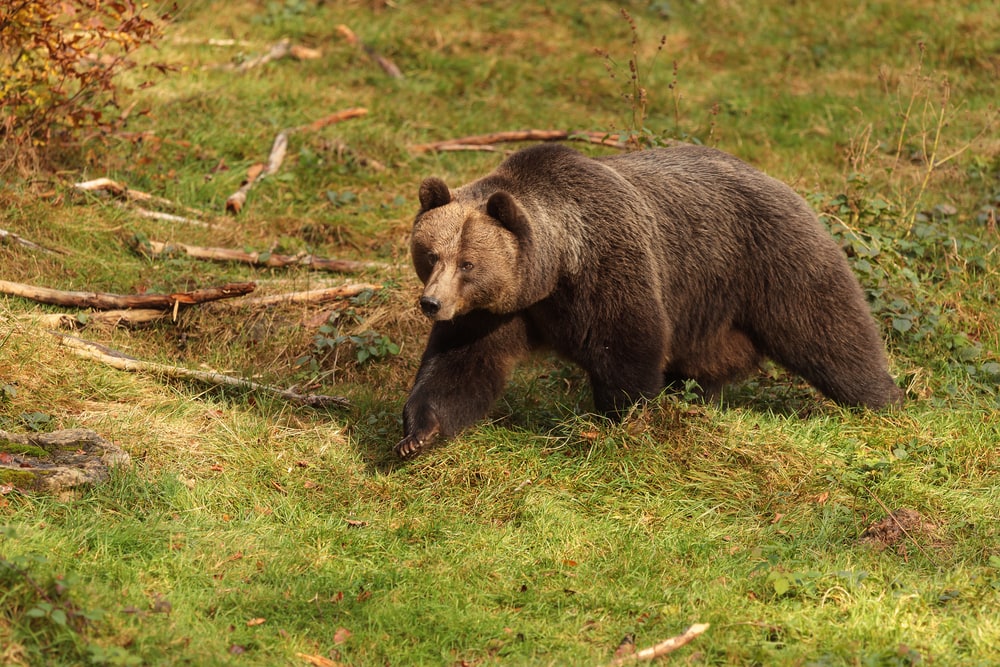
The future of grizzly bears in Colorado is a subject of ongoing scientific research and public discourse. While the immediate focus remains on the well-being of existing populations in neighboring states, the potential for grizzly bears to return to suitable habitats in Colorado is not entirely dismissed. Any future management or reintroduction would require meticulous planning, extensive public engagement, and a commitment to coexistence strategies that balance conservation goals with the needs of human communities.
For visitors to Colorado, the primary concern regarding bear encounters will always be the American black bear. By understanding their behavior, respecting their habitat, and following safety guidelines, visitors can ensure a safe and memorable experience amidst the wild beauty of the Centennial State. The rare possibility of a grizzly sighting serves as a reminder of the wildness that still exists and the importance of conservation efforts.
LifeOutOfTheBox is a participant in the Amazon Services LLC Associates Program, an affiliate advertising program designed to provide a means for sites to earn advertising fees by advertising and linking to Amazon.com. Amazon, the Amazon logo, AmazonSupply, and the AmazonSupply logo are trademarks of Amazon.com, Inc. or its affiliates. As an Amazon Associate we earn affiliate commissions from qualifying purchases.