
Understanding the current weather conditions in Colorado Springs is paramount for any traveler planning a visit or engaging in outdoor activities. Whether you’re anticipating a day of hiking the iconic Garden of the Gods, exploring the historic Broadmoor Seven Falls, or simply enjoying the vibrant downtown scene, the temperature plays a crucial role in shaping your experience. This guide delves into the immediate weather, seasonal patterns, and practical advice for dressing and planning your adventures in this beautiful Colorado city.
Current Weather Snapshot and Its Implications
The most immediate concern for many visitors is the current temperature. Colorado Springs experiences a semi-arid climate with distinct seasons, meaning the mercury can fluctuate significantly throughout the day and across the year. Knowing the real-time temperature provides instant insight into what to wear and what activities are most feasible.
Daily Temperature Fluctuations
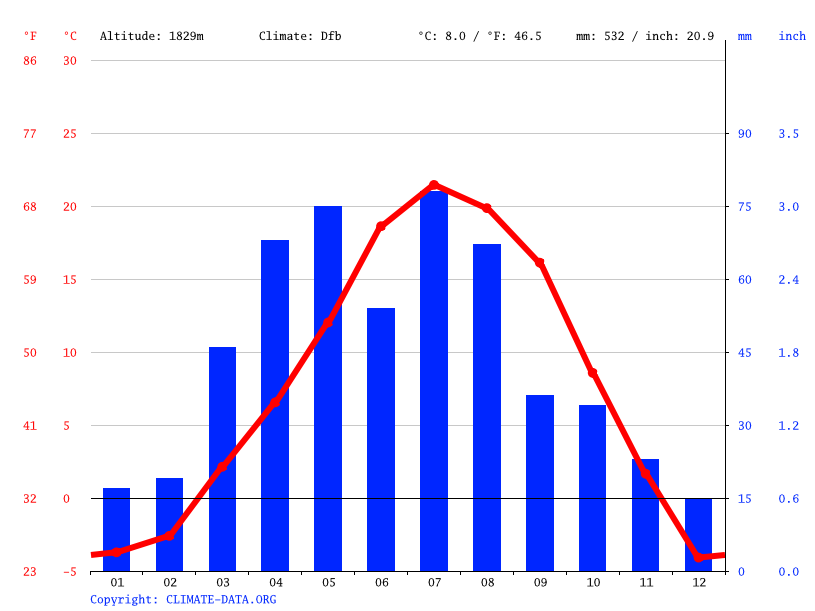
During summer months, daily highs in Colorado Springs often reach the 80s and 90s Fahrenheit (27-37 Celsius), making for warm and sunny days ideal for outdoor exploration. However, due to the altitude (over 6,000 feet), evenings can cool down considerably, sometimes by 20-30 degrees Fahrenheit (11-17 Celsius). This significant diurnal temperature variation is a key characteristic of the climate and something visitors should always be prepared for. Evenings can be pleasant for outdoor dining or enjoying a sunset over the Pikes Peak region, but a light jacket or sweater is usually necessary.
Factors Affecting Temperature
Several factors influence the temperature in Colorado Springs:
- Altitude: As mentioned, the city sits at a higher elevation than many other major cities in the United States. This means that even on a warm summer day, the air will feel cooler than at sea level, and the sun’s rays can be more intense.
- Proximity to Mountains: The Front Range of the Rocky Mountains significantly impacts weather patterns. Mountain air is generally cooler, and weather systems can change rapidly as they interact with the terrain.
- Sun Exposure: The high altitude and clear skies prevalent in Colorado Springs mean that direct sunlight can feel very warm, even if the ambient air temperature is moderate. Conversely, shade can offer immediate and significant relief.
When checking the temperature, it’s also wise to consider the “feels like” temperature, which accounts for wind chill and humidity, though humidity is typically low in this region.
Seasonal Weather Patterns in Colorado Springs
While the immediate temperature is important, understanding the broader seasonal trends will help you pack and plan more effectively for your trip to Colorado Springs.
Spring (March – May)
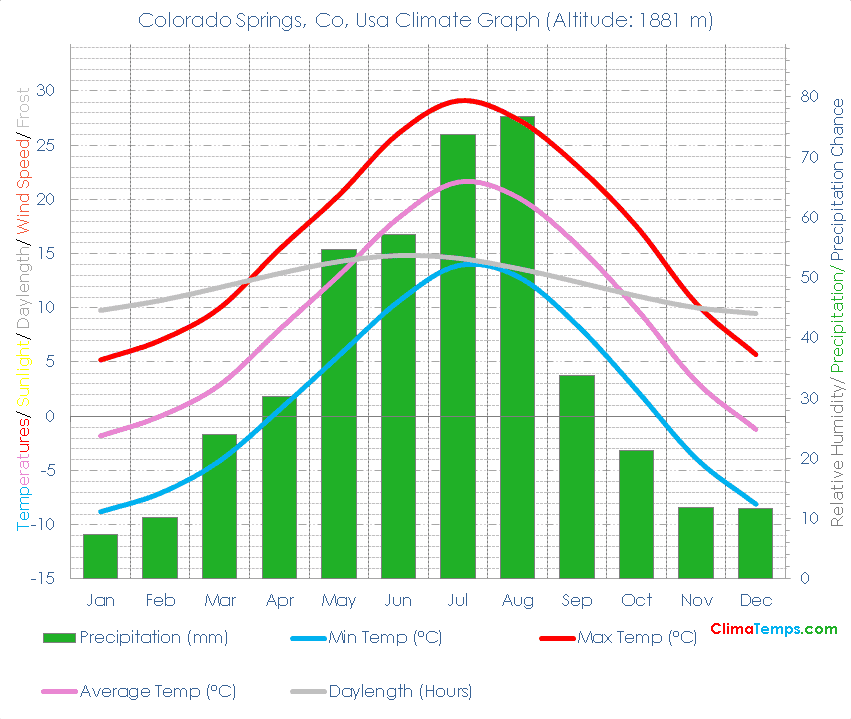
Spring in Colorado Springs is a period of transition, marked by unpredictable weather. You might experience warm, sunny days reminiscent of summer, followed quickly by snowstorms. Average temperatures range from the 40s to 60s Fahrenheit (4-15 Celsius) in early spring, gradually warming into the 60s and 70s Fahrenheit (15-21 Celsius) by late spring. This variability makes layering essential. Snowmelt can also lead to muddy conditions on hiking trails.
Summer (June – August)
Summers are generally warm to hot and dry, with a significant amount of sunshine. Afternoon thunderstorms are common, often bringing brief but intense downpours and dramatic cloud formations. Temperatures typically range from the 70s to 90s Fahrenheit (21-37 Celsius), with occasional heatwaves pushing into the triple digits. This is the peak season for outdoor activities like hiking, biking, and visiting attractions like Cheyenne Mountain Zoo.
Autumn (September – November)
Autumn is often considered one of the most beautiful times to visit Colorado Springs. The weather is usually mild and pleasant, with crisp air and clear skies. Temperatures gradually decrease from the 70s Fahrenheit (21 Celsius) in early fall to the 40s and 50s Fahrenheit (4-10 Celsius) by late fall. The turning of the leaves in areas like Palmer Park adds a stunning visual dimension to the landscape. However, early snow is possible by November.
Winter (December – February)
Winters in Colorado Springs are typically cold and snowy, though less severe than in higher mountain towns. Average temperatures hover in the 30s and 40s Fahrenheit (0-10 Celsius) during the day, dropping into the teens and 20s Fahrenheit (-12 to -1 Celsius) at night. Snowfall can be significant, blanketing the city and surrounding natural areas in white. This season is ideal for winter sports enthusiasts or those who enjoy the serene beauty of a snow-covered landscape. Nearby ski resorts offer opportunities for skiing and snowboarding.
Planning Your Visit Based on Temperature
Understanding the temperature and weather patterns is key to a successful and enjoyable trip to Colorado Springs. Here’s how to leverage this information for better planning:
What to Pack
The golden rule for packing for Colorado Springs is to layer. Regardless of the season, temperatures can change rapidly.
- Base Layers: Moisture-wicking tops and bottoms are crucial, especially for hiking or any strenuous activity.
- Mid Layers: Fleece jackets, sweaters, or down vests provide insulation.
- Outer Layers: A waterproof and windproof jacket is essential, even in summer, to protect against unexpected rain or wind. In winter, a warm, insulated coat is a must.
- Headwear: A wide-brimmed hat for sun protection in warmer months and a warm hat (beanie) for colder months are indispensable.
- Footwear: Comfortable, sturdy walking shoes or hiking boots are recommended. Waterproof options are beneficial, especially in spring and fall.
- Accessories: Sunglasses are a must year-round due to the high altitude and sun intensity. Gloves and a scarf are essential for winter.
Activity Recommendations by Temperature
The current temperature and prevailing weather will heavily influence which activities are best suited for your day.
- Warm to Hot Temperatures (Summer Days):
- Explore Garden of the Gods Park in the early morning or late afternoon to avoid the peak heat.
- Visit indoor attractions like the National Museum of World War II Aviation or the Colorado Springs Pioneers Museum.
- Enjoy water activities if available, or seek out shaded picnic spots.
- Consider a scenic drive to Pikes Peak via the highway, as it can be cooler at higher elevations.
- Mild Temperatures (Spring/Fall Days):
- Ideal for hiking and exploring the numerous trails around the city, including those in Cheyenne Canyon State Park.
- Enjoy outdoor dining and walking through downtown Colorado Springs.
- Visit the United States Air Force Academy for its impressive architecture and grounds.
- Cool to Cold Temperatures (Winter Days):
- Experience the winter wonderland at Cheyenne Mountain Zoo (some areas may be closed or have limited access).
- Enjoy the festive atmosphere if visiting during the holiday season.
- Consider a scenic drive to see snow-covered landscapes.
- For the adventurous, nearby ski resorts are an option.
- Cozy up in one of the city’s many cafes or restaurants.
By paying close attention to the current temperature and understanding the climate of Colorado Springs, you can ensure your visit is comfortable, safe, and filled with memorable experiences, from marveling at the natural beauty of Red Rock Canyon Open Space to enjoying the city’s unique attractions.
LifeOutOfTheBox is a participant in the Amazon Services LLC Associates Program, an affiliate advertising program designed to provide a means for sites to earn advertising fees by advertising and linking to Amazon.com. Amazon, the Amazon logo, AmazonSupply, and the AmazonSupply logo are trademarks of Amazon.com, Inc. or its affiliates. As an Amazon Associate we earn affiliate commissions from qualifying purchases.