
As the calendar turns to a new year, and particularly as tax season approaches, many residents of the Centennial State begin to ponder a crucial question: “When can I file my Colorado state taxes for 2024?” This query is more than just a logistical one; it’s about understanding the timeline, the necessary preparations, and the opportunities that come with timely tax filing. Whether you’re an individual taxpayer or a business owner operating within Colorado, aligning with the state’s tax filing schedule is paramount. This guide aims to illuminate the key dates, preparatory steps, and considerations for navigating the 2024 Colorado tax season.

Understanding the Filing Window and Key Dates
The process of filing state income taxes is generally synchronized with federal tax deadlines, but understanding the nuances for Colorado is essential. The Colorado Department of Revenue oversees the state’s tax administration, and their guidelines dictate the official filing periods.
The Opening Bell: When Filing Becomes Possible
For the 2024 tax year, which encompasses income earned from January 1, 2024, to December 31, 2024, taxpayers can typically begin filing their Colorado state income tax returns in late January. The exact date is usually announced by the Internal Revenue Service (IRS) for federal filings, and the Colorado Department of Revenue aligns its opening with this, often within a few days. This commencement marks the beginning of the period during which you can electronically or paper-file your tax return.
It’s important to note that while you can file early, the state will not begin processing refunds until a later date. This staggered approach allows the Department of Revenue to ensure systems are fully operational and to cross-reference information with federal data. Early filers often benefit from receiving their refunds sooner, assuming their returns are accurate and complete.
The Grand Finale: The Official Deadline
The universally recognized deadline for filing federal and most state income tax returns is April 15th. For the 2024 tax year, this means the official deadline to file your Colorado state taxes will be April 15, 2025.
However, this date is subject to change if it falls on a weekend or a public holiday. In such cases, the deadline is extended to the next business day. For instance, if April 15th falls on a Sunday, the deadline would shift to Monday, April 16th. It is always prudent to verify the exact deadline closer to the filing period through the official Colorado Department of Revenue website.
Extensions to File: A Lifeline for Many
Life can be unpredictable, and sometimes gathering all the necessary documentation for a tax return can be challenging. Fortunately, Colorado offers taxpayers the option to file an extension.
- Automatic Extension: A six-month extension to file is generally granted automatically if you submit an extension request or pay any taxes owed by the April 15th deadline. This means your new filing deadline would be October 15, 2025.
- Form DR 1700: To formally request an extension in Colorado, you will typically need to file Form DR 1700, Application for Extension of Time to File Colorado Income Tax Returns. This form can often be filed electronically.
- Extension to File vs. Extension to Pay: It is crucial to understand that an extension to file is not an extension to pay. If you anticipate owing taxes, you must still estimate your tax liability and pay that amount by the original April 15th deadline to avoid penalties and interest. Failure to pay on time can result in significant financial repercussions.
Preparing for a Smooth Filing Experience
The ability to file your Colorado state taxes in 2024 is facilitated by thorough preparation. Gathering the necessary documents and understanding your tax situation in advance can prevent last-minute rushes and potential errors.
Gathering Your Financial Documents
The foundation of any tax return is accurate financial documentation. For the 2024 tax year, you will need to collect various forms and statements.
- Income Statements: This includes W-2 forms from employers, 1099 forms for independent contractor income, unemployment compensation statements, social security benefits statements (SSA-1099), and any other documentation detailing your income sources. For those who engaged in investments, you’ll need 1099-INT, 1099-DIV, 1099-B, and similar forms.
- Deduction and Credit Documentation: If you plan to claim deductions or credits, ensure you have supporting documents. This can include receipts for medical expenses, mortgage interest statements (Form 1098), records of charitable contributions, and documentation for education expenses. Colorado has specific deductions and credits, such as the property tax and rent payment (PTC) credit, which may require specific forms like rent receipts or property tax bills.
- Prior Year Tax Returns: Having your previous year’s tax return can be helpful for reference, especially when looking up information like Social Security numbers or carryover amounts for deductions and credits.
Choosing Your Filing Method

Taxpayers in Colorado have several options for filing their returns:
- Tax Software: Numerous commercial tax software programs are available, such as TurboTax and H&R Block. These programs guide you through the filing process, perform calculations, and can often electronically file your return directly with the state. Many offer free filing options for simpler tax situations.
- Tax Professionals: For complex tax situations, or if you prefer expert assistance, hiring a tax professional, such as a Certified Public Accountant (CPA) or an Enrolled Agent (EA), is a valuable option. They can ensure accuracy, identify potential deductions and credits you might miss, and represent you in case of an audit.
- Colorado Department of Revenue Resources: The Colorado Department of Revenue may offer free tax assistance programs for low-to-moderate income individuals and families, such as Tax Counseling for the Elderly (TCE) and Volunteer Income Tax Assistance (VITA). These programs utilize IRS-certified volunteers.
- Paper Filing: While electronic filing is generally faster and more efficient, paper returns are still accepted. However, paper filings take longer to process, which can delay refunds.
Navigating Colorado’s Unique Tax Landscape
Beyond the general filing timelines, understanding Colorado’s specific tax laws can impact your filing strategy and potential refunds.
Key Colorado Tax Provisions
- Flat Tax Rate: Colorado has a flat income tax rate. For 2024, this rate remains at 4.40%. This means all taxable income is taxed at the same percentage, regardless of income level.
- Colorado Income Tax Return (Form 104): The primary form for individuals filing their Colorado state income tax is Form 104, “Colorado Individual Income Tax Return.” This form mirrors many aspects of the federal Form 1040 but pertains specifically to Colorado tax law.
- Colorado Specific Deductions and Credits: Colorado offers several deductions and credits that can reduce your tax liability. These include:
- Deduction for Retirement Plan Contributions: Similar to federal law, contributions to certain retirement plans can be deducted.
- Deduction for Health Savings Account (HSA) Contributions: Contributions to an HSA may be deductible.
- Colorado Earned Income Tax Credit (EITC): This is a valuable credit for low-to-moderate income working individuals and families.
- Property Tax and Rent (PTC) Payment Credit: This credit helps offset property taxes paid by homeowners or rent paid by renters.
- Child Care Expenses Credit: A credit for eligible child care expenses.
- Political Contributions Credit: A credit for contributions made to a candidate for state or local office in Colorado.
Understanding Refund Timelines
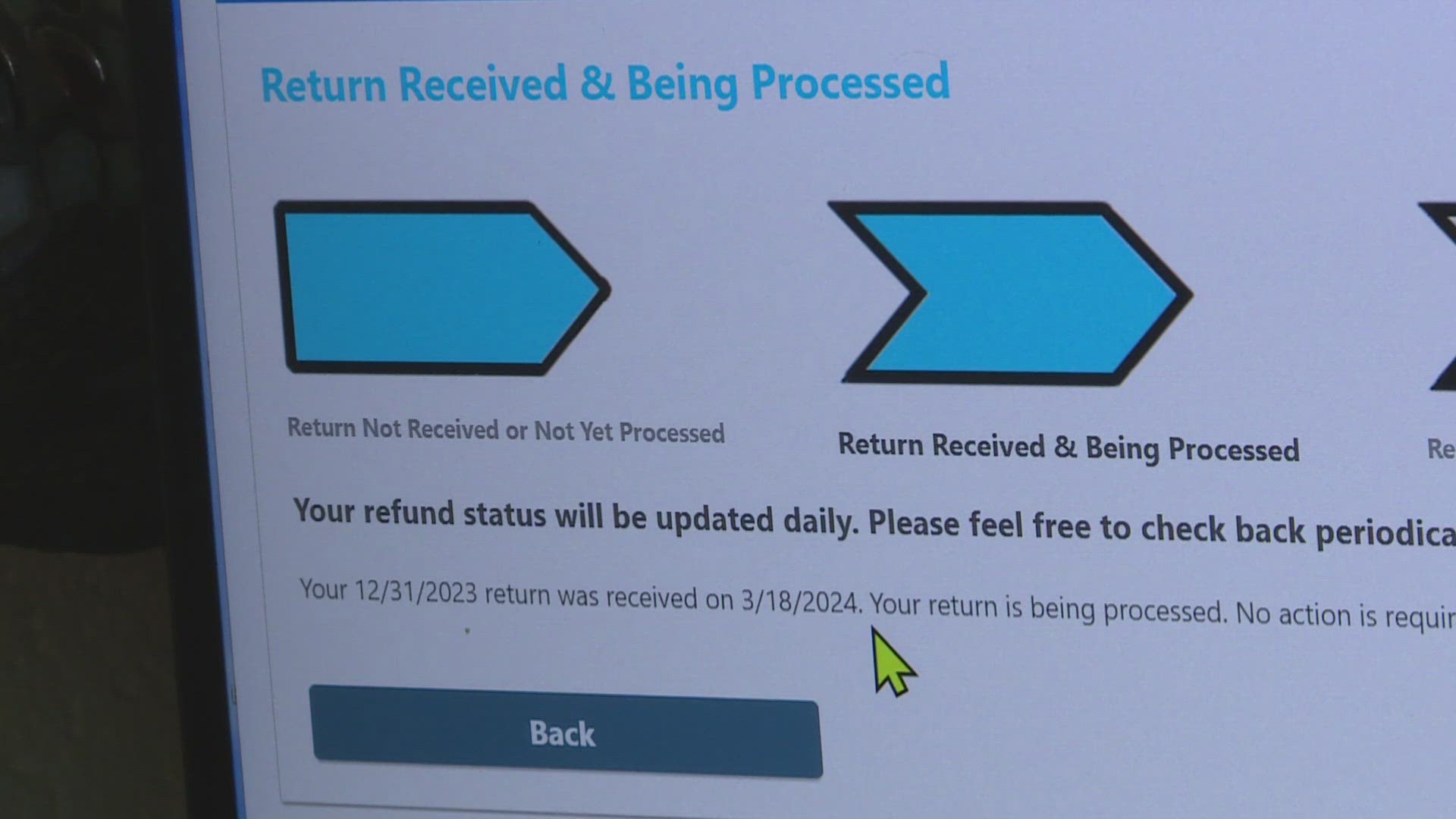
The anticipation of a tax refund is often a significant motivator for timely filing. For Colorado state income tax refunds, the timeline can vary.
- Electronic Filing with Direct Deposit: This is the fastest method for receiving refunds. If filed electronically with direct deposit, refunds are typically issued within two to three weeks after the Colorado Department of Revenue begins processing returns.
- Electronic Filing with Paper Check: If you file electronically but opt for a paper check, or if there are issues with your direct deposit information, the refund process will take longer, potentially four to six weeks.
- Paper Filing: Paper-filed returns take significantly longer to process. Expect to wait eight to ten weeks or more for a refund if you file by mail.
It is also important to remember that if you owe taxes and file an extension, your refund will not be issued until after you file your complete return, even if that filing occurs well before the extended deadline.
Avoiding Common Pitfalls and Staying Compliant
To ensure a smooth tax filing experience and avoid unnecessary complications, be mindful of potential pitfalls and maintain compliance with Colorado tax laws.
Accuracy is Key
- Double-Check Information: Carefully review all personal information, Social Security numbers, and financial figures before submitting your return. Errors can lead to delays in processing, audits, or even penalties.
- Reconcile Income and Deductions: Ensure that all income reported on your return is supported by the appropriate documentation. Similarly, verify that all claimed deductions and credits are legitimate and have adequate substantiation.
- Understand Residency Rules: Colorado has specific rules regarding residency for tax purposes. If you moved into or out of the state during the tax year, ensure you correctly allocate your income and file accordingly.
Penalties and Interest
The Colorado Department of Revenue imposes penalties and interest on underpayments and late filings.
- Failure-to-File Penalty: If you file your return late and owe taxes, you will be subject to a penalty.
- Failure-to-Pay Penalty: If you do not pay the taxes owed by the deadline, you will incur a penalty.
- Interest: Interest is charged on underpayments and unpaid penalties from the due date until the date the amount is paid in full. The interest rate is set by the Department of Revenue and can change.
Keeping Records
Retain copies of your tax returns and all supporting documents for at least three years from the date you filed your return or the due date, whichever is later. This is important in case of an audit or if you need to amend your return.
By staying informed about the filing timelines, diligently preparing your documentation, understanding Colorado’s tax provisions, and taking steps to ensure accuracy, you can navigate the 2024 tax season with confidence. Early preparation and timely filing are not just about meeting deadlines; they are about empowering yourself with financial clarity and ensuring compliance with state regulations.
LifeOutOfTheBox is a participant in the Amazon Services LLC Associates Program, an affiliate advertising program designed to provide a means for sites to earn advertising fees by advertising and linking to Amazon.com. Amazon, the Amazon logo, AmazonSupply, and the AmazonSupply logo are trademarks of Amazon.com, Inc. or its affiliates. As an Amazon Associate we earn affiliate commissions from qualifying purchases.