
Denver, Colorado, often referred to as the “Mile High City” due to its elevation precisely one mile above sea level, boasts a rich and fascinating history rooted in the fervor of the Pike’s Peak Gold Rush. While it’s a vibrant metropolis today, its origins are far humbler, born from temporary encampments and a spirit of ambitious prospecting. Understanding the establishment of Denver is key to appreciating the city’s enduring legacy and its transformation into a major cultural and economic hub in the Rocky Mountains.
The Genesis of Denver: Prospectors and Provisional Settlements
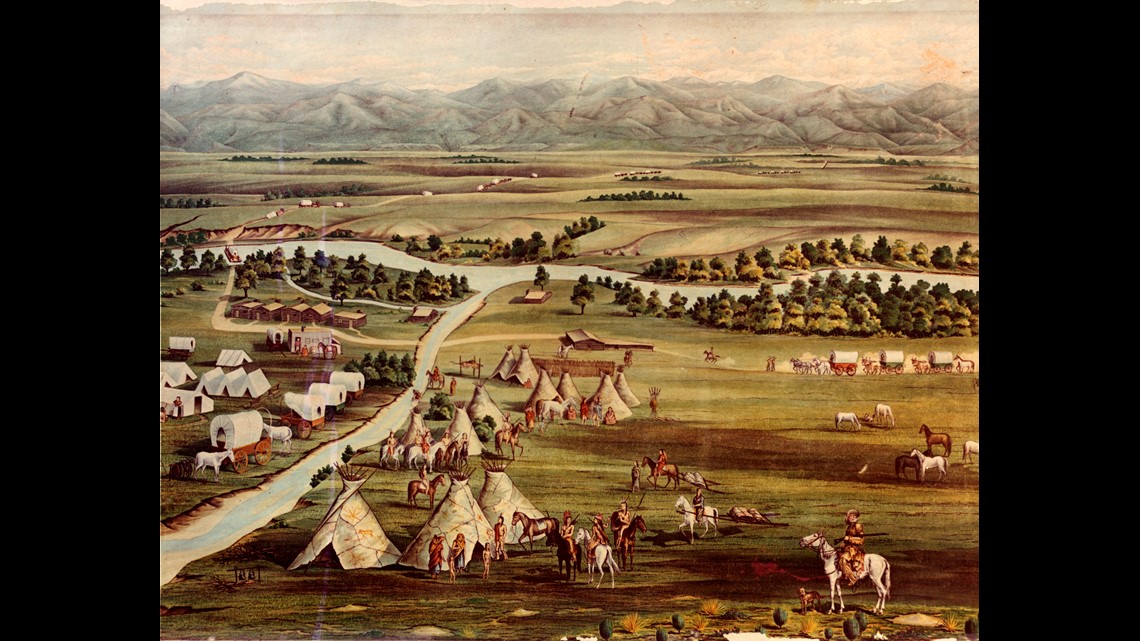
The story of Denver’s establishment is intrinsically tied to the discovery of gold in the Cherry Creek and South Platte River region in 1858. This discovery ignited a rush of prospectors, eager to strike it rich in the rugged Colorado territory. These early arrivals set up rudimentary camps, often little more than tents and crude shelters, along the banks of the rivers.
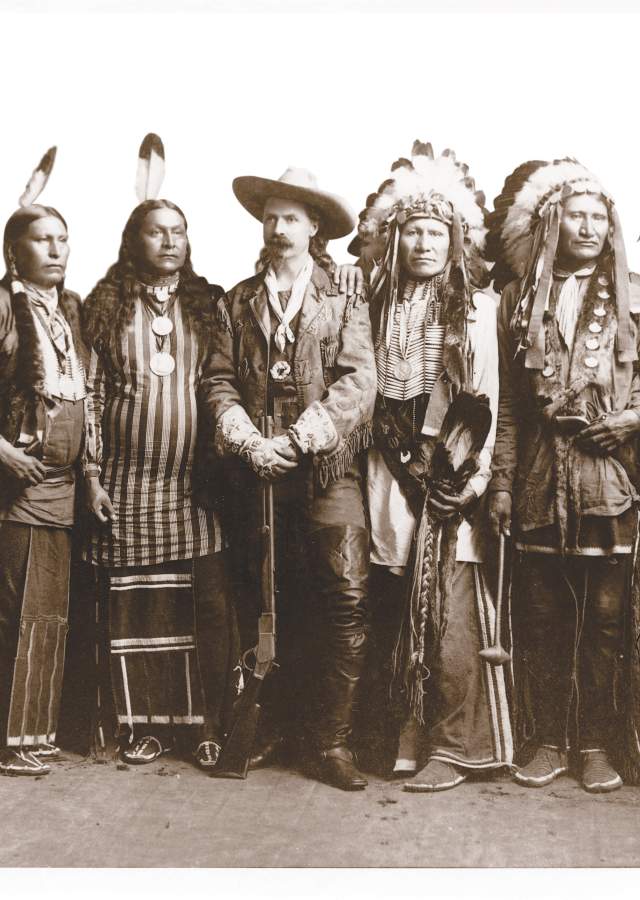
Auraria: The First Settlement
The very first significant settlement in the area that would become Denver was named Auraria. Founded in the autumn of 1858 by William Larimer Jr. and a group of his associates from Kansass (present-day Kansas), Auraria was strategically located on the west side of Cherry Creek, near its confluence with the South Platte River. Larimer, a keen businessman, aimed to establish a permanent town and believed the confluence offered prime real estate for a future metropolis. He named the settlement Auraria, derived from the Latin word for gold, “aurum,” a fitting tribute to the very reason for its existence. The initial hope was that Auraria would become the gateway to the goldfields and a hub for trade and services for the burgeoning population of prospectors.
Denver City: A Rival Emerges
Almost concurrently, just across Cherry Creek to the east, another settlement began to take shape. This settlement, initially called Denver City, was founded by General William H. Larimer (no relation to William Larimer Jr.) and his associates. The land for Denver City was claimed by a rival group of prospectors who had arrived slightly earlier and established a townsite company. General Larimer, a prominent figure in the developing territory, envisioned Denver City as a significant commercial center and a key player in the regional economy. He secured the land through a series of claims and began to lay out streets and advertise the townsite.
The proximity of Auraria and Denver City, separated only by the Cherry Creek, led to a natural rivalry. Both settlements vied for prominence, seeking to attract new settlers, businesses, and, crucially, political recognition. This competition fueled development, with both communities quickly establishing basic infrastructure, including saloons, general stores, and rudimentary lodging for the transient population of miners.
The Unification and Official Establishment
The early days of both Auraria and Denver City were marked by a dynamic, often chaotic, period of growth and adaptation. The temporary nature of mining camps meant that infrastructure was basic, and the population was fluid. However, the prospect of permanent settlement and the need for organized governance became increasingly apparent.
The Merge: A Strategic Alliance
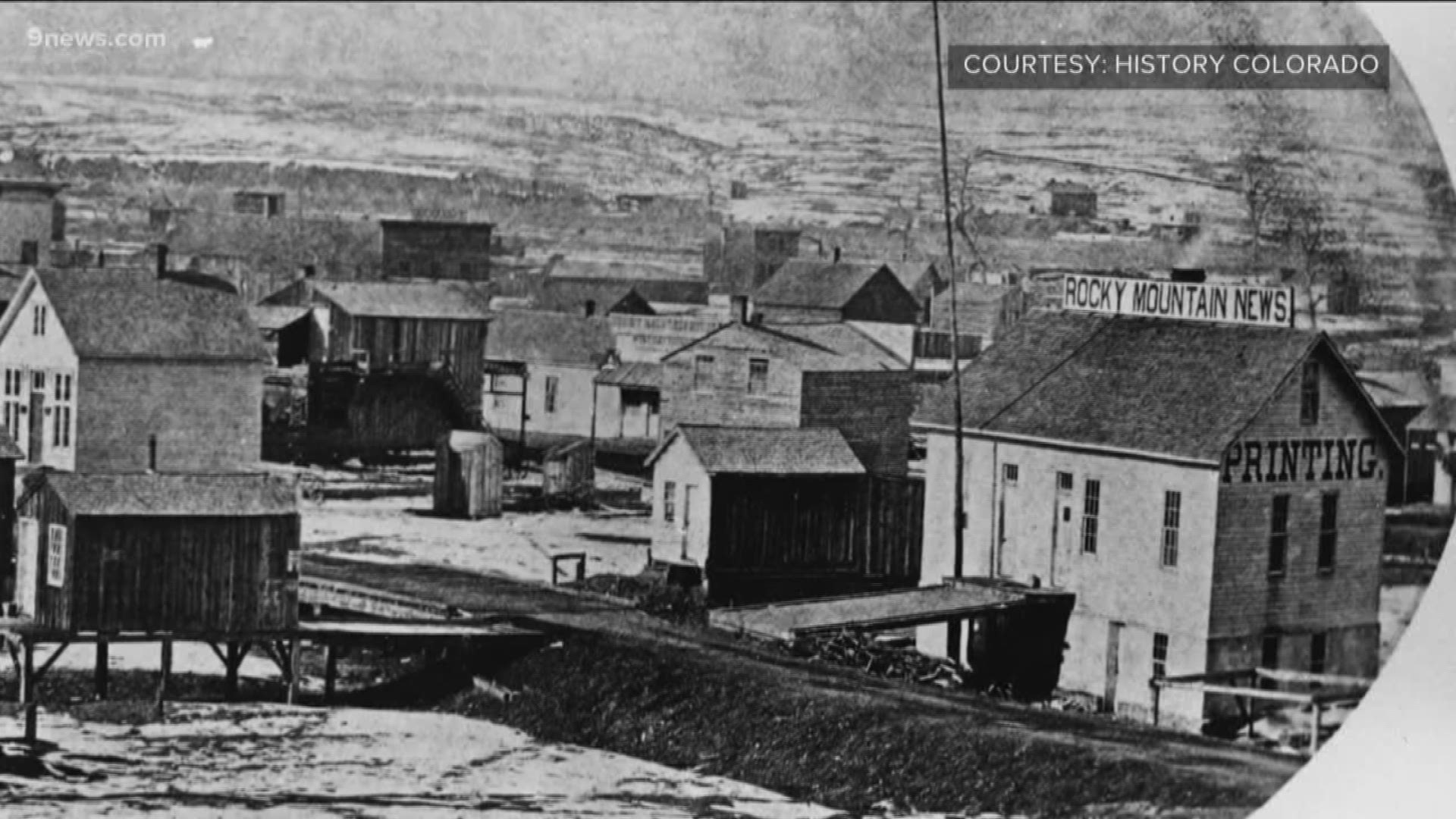
The rivalry between Auraria and Denver City, while stimulating, was ultimately unsustainable. The duplication of services and the potential for conflict were evident. Recognizing the advantages of unity, a strategic decision was made to merge the two settlements. In April 1859, Auraria and Denver City officially combined, with Denver City emerging as the dominant entity. The combined settlement was officially named Denver, carrying forward the name of General James W. Denver, the then-governor of the Kansas Territory, though he had never actually visited the settlement. This unification marked a significant step towards a more stable and organized community.
The Role of Governance and Charters
The establishment of a formal municipal government was crucial for Denver’s development. Following the unification, efforts were made to secure a territorial charter and establish a functioning administration. In 1861, Denver was officially incorporated as a city, solidifying its legal status and paving the way for more structured governance, land ownership, and public services. This charter provided the framework for urban planning, law enforcement, and taxation, essential elements for transforming a frontier settlement into a growing city.
The early years were characterized by a blend of frontier spirit and an earnest desire for order and progress. The establishment of Denver was not a single, instantaneous event but rather a process that unfolded through the actions of ambitious individuals, the economic forces of the gold rush, and the collective will of its early inhabitants.
The Early Years of Denver: Growth and Transformation
With its official establishment and unification, Denver began its journey from a collection of rough camps to a burgeoning frontier town. The initial focus remained on serving the mining industry, but the city’s strategic location and growing population attracted diverse businesses and settlers.
The Economic Engine: Mining and Trade
The gold rush, while eventually tapering off in its most intense phase, provided the initial economic impetus for Denver. The city became a vital supply center for miners venturing into the mountains. Merchants, outfitters, and service providers thrived by catering to the needs of the prospecting community. As more gold and silver were discovered in various parts of Colorado, Denver solidified its role as the commercial and financial hub for the entire region. The development of transportation links, including wagon trails and later railroads, further enhanced Denver’s importance as a trade center.
Infrastructure and Community Development
As Denver grew, so did its infrastructure. Initial wooden structures gave way to more substantial brick buildings. Saloons and gambling halls, typical of frontier towns, were soon complemented by churches, schools, and newspapers. The establishment of a post office and telegraph office connected Denver to the outside world, fostering communication and trade. The development of a rudimentary legal system and law enforcement was also critical in maintaining order in a rapidly expanding and diverse population. Early civic leaders worked to lay out streets, manage water resources, and address public health concerns, laying the groundwork for future urban development.
Cultural and Social Fabric
The settlers who arrived in Denver came from diverse backgrounds, bringing with them varied traditions and aspirations. This melting pot of individuals contributed to the developing cultural and social fabric of the city. While the pursuit of wealth was a primary driver, a sense of community began to emerge. Social gatherings, community events, and the establishment of civic organizations helped to forge bonds among the residents. The presence of early newspapers played a crucial role in disseminating information and shaping public discourse, contributing to the evolving identity of Denver.
In essence, Denver’s establishment was a dynamic process initiated by the Pike’s Peak Gold Rush. The coalescing of prospector camps, particularly Auraria and Denver City, into a unified entity, followed by its official incorporation in 1861, marked its formal beginning. From these humble origins, Denver has grown into a significant American city, deeply influenced by its pioneering spirit and its strategic location at the heart of the Rocky Mountains.
LifeOutOfTheBox is a participant in the Amazon Services LLC Associates Program, an affiliate advertising program designed to provide a means for sites to earn advertising fees by advertising and linking to Amazon.com. Amazon, the Amazon logo, AmazonSupply, and the AmazonSupply logo are trademarks of Amazon.com, Inc. or its affiliates. As an Amazon Associate we earn affiliate commissions from qualifying purchases.