
A Look Back at the Centennial State’s Political Landscape
The political leanings of a state can profoundly influence its identity, its policies, and even the types of experiences a traveler might encounter. For those interested in the nuanced tapestry of American politics, understanding historical voting patterns offers valuable insights. The question of when Colorado last cast its electoral votes for a Republican presidential candidate is not merely a historical footnote; it speaks to shifts in demographics, economic drivers, and cultural evolutions that have shaped the Centennial State over decades. This exploration delves into the electoral history of Colorado, specifically focusing on its Republican voting trends in presidential elections.

The Shifting Sands of Colorado Politics
Colorado, often perceived as a swing state in recent decades, has a complex electoral past that defies simple categorization. While its contemporary political narrative frequently centers on its Democratic leanings, a historical perspective reveals a period where Republican candidates consistently found favor with the electorate. Understanding these shifts requires examining the broader national trends, as well as the unique factors at play within Colorado itself.
Early 20th Century: A Republican Stronghold
For much of the early to mid-20th century, Colorado demonstrated a strong tendency to vote Republican in presidential elections. This era was characterized by a national political climate where the Republican Party often appealed to voters in the Mountain West due to its platform on economic development, national security, and traditional values.
In this period, the state’s economy, heavily reliant on mining and agriculture, often aligned with the Republican Party’s pro-business and free-market principles. Furthermore, the burgeoning population, while growing, maintained a cultural conservatism that resonated with the Republican platform. While specific election data for every year is extensive, it’s clear that from the late 19th century through the mid-20th century, Republican presidential candidates frequently carried the state, often by comfortable margins. This period established a foundational “red” identity for Colorado in the minds of many political observers.
The Mid-to-Late 20th Century: A Gradual Transition
The latter half of the 20th century witnessed a more dynamic political environment in Colorado. While Republican dominance persisted for some time, cracks began to appear, signaling a gradual shift. This era saw the rise of new industries, particularly in the Denver metropolitan area, and an influx of new residents with diverse political viewpoints.
Several factors contributed to this evolving landscape. Economic diversification, moving beyond traditional industries, began to broaden the appeal of different political ideologies. Urban centers like Denver and Boulder started to develop distinct political characters, often leaning more progressive than the state’s rural areas.
Despite these nascent shifts, Republican candidates continued to win presidential elections in Colorado for a significant portion of this period. However, the margins of victory began to tighten, indicating a more competitive political battleground. This was a period of transition, where the state was neither a monolithic Republican stronghold nor a firmly Democratic territory.
The Modern Era: Colorado’s Swing State Status and the Last Red Vote
The defining characteristic of Colorado in the 21st century has been its emergence as a prominent swing state, with a decided lean towards the Democratic Party in recent presidential contests. This shift represents a significant departure from its historical voting patterns and reflects deep-seated demographic and cultural changes.
The Turn of the Millennium: A Crucial Turning Point
The election of 2000 is often cited as a pivotal moment in Colorado’s modern political history. While George W. Bush ultimately won the presidency, Colorado was one of the states that helped secure his victory. In this election, Bush defeated Al Gore by a margin of approximately 10 percentage points, indicating that a significant portion of the state’s electorate still favored the Republican candidate. This marked the last time Colorado voted Republican in a presidential election.

The factors contributing to this outcome included a strong conservative base in many rural areas, a focus on traditional values by the Republican campaign, and the perceived leadership qualities of Bush. However, even in this victory, the urban and suburban areas of the Front Range showed signs of increasing Democratic support, foreshadowing the shifts to come.
Post-2000: A Democratic Trajectory
Following the 2000 election, Colorado embarked on a consistent trajectory of voting Democratic in presidential elections. In 2004, George W. Bush again won the presidency nationally, but in Colorado, the race was significantly closer, with John Kerry narrowly losing the state. This closer contest further underscored the changing political landscape.
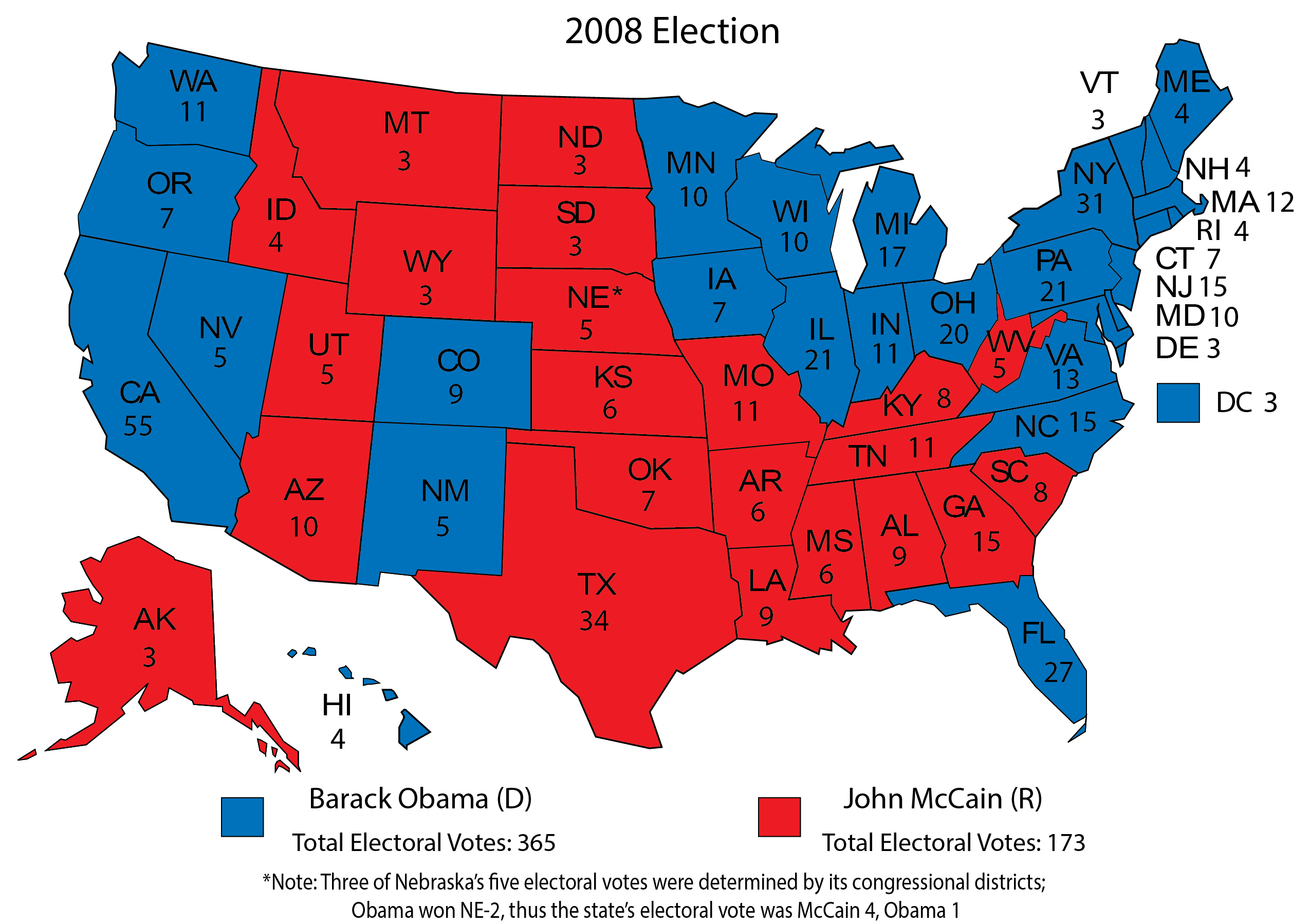
The elections of 2008 and 2012 saw Barack Obama win Colorado with increasing margins, solidifying its status as a reliably Democratic state in presidential politics. This trend continued in 2016 and 2020, with Hillary Clinton and Joe Biden respectively carrying the state.
Factors Driving the Shift to Blue
The transition from a reliably Republican state to a competitive, and often Democratic-leaning, state is a multifaceted phenomenon. Several key drivers have contributed to this transformation:
Demographic Changes
One of the most significant factors has been demographic shifts. Colorado has experienced substantial population growth, driven by both domestic migration and international immigration. New residents often bring with them different political perspectives and priorities. The influx of younger populations, educated professionals, and diverse ethnic groups has contributed to a more liberal-leaning electorate, particularly in the rapidly growing urban and suburban areas along the Front Range.
Economic Evolution
The state’s economy has diversified considerably. While agriculture and natural resources remain important, sectors like technology, aerospace, bioscience, and tourism have become increasingly dominant. These industries often attract a workforce with more progressive social and economic views. Furthermore, the boom in industries such as craft brewing and outdoor recreation has fostered a culture that often aligns with Democratic Party values, emphasizing environmental protection and social progress.
Urbanization and Suburbanization
The growth of cities like Denver, Aurora, and Colorado Springs, along with their surrounding suburbs, has profoundly impacted the state’s political balance. These urban and suburban areas have become increasingly Democratic, offsetting the historically Republican leanings of the state’s rural communities. The concentration of diverse populations and industries in these areas has created a strong base for Democratic candidates.
Cultural and Social Factors
Shifting cultural attitudes have also played a role. Colorado has become known for its progressive stance on issues such as environmental conservation, marijuana legalization, and LGBTQ+ rights. These stances often align more closely with the Democratic Party platform, further cementing the state’s move towards a Democratic majority in presidential elections. The state’s outdoor-centric lifestyle and emphasis on personal freedom can translate into support for policies that protect natural resources and promote individual liberties, which can be championed by both parties but have found a more consistent home in the Democratic platform in recent years.
The Implications for Travelers and Residents
Understanding when Colorado last voted red offers more than just a political trivia point; it provides context for the state’s current social and political climate. For travelers, this historical perspective can enrich an understanding of the local culture, the prevailing attitudes, and the general atmosphere of its cities and towns. Whether exploring the vibrant cultural scene in Denver, enjoying the natural beauty of the Rocky Mountains, or visiting historical mining towns, awareness of the state’s political evolution can offer deeper insights into its community fabric.
The shift from a red state to a swing state, and now largely a blue one in presidential elections, reflects the dynamic nature of American democracy and the capacity of states to evolve. The last time Colorado voted red was in 2000, a point in time that marks a significant turning point in its electoral history, ushering in an era of Democratic presidential victories and solidifying its reputation as a key player in the national political landscape. This understanding is crucial for anyone seeking a comprehensive appreciation of this diverse and evolving Western state.
LifeOutOfTheBox is a participant in the Amazon Services LLC Associates Program, an affiliate advertising program designed to provide a means for sites to earn advertising fees by advertising and linking to Amazon.com. Amazon, the Amazon logo, AmazonSupply, and the AmazonSupply logo are trademarks of Amazon.com, Inc. or its affiliates. As an Amazon Associate we earn affiliate commissions from qualifying purchases.