
As the calendar turns to a new year, taxpayers across the Centennial State begin to ponder the familiar question: when can I start filing my 2024 Colorado tax returns? While the federal filing season often dictates the earliest date, the Colorado Department of Revenue (CDOR) has its own timeline for accepting and processing state-level tax documents. Understanding these dates is crucial for a smooth tax preparation process, whether you’re a resident of Denver or any other corner of Colorado.
The anticipation for tax season is often tied to receiving necessary documentation, such as W-2s and 1099s, and the ability to begin the filing process. For 2024, this translates to the tax year 2023. The CDOR typically aligns its opening date with that of the Internal Revenue Service (IRS), which is a common practice to ensure compatibility with tax software and facilitate a seamless transition for filers and tax professionals alike.
Key Dates and Filing Season Kickoff
The official opening of the Colorado tax filing season is a highly anticipated event for tax preparers and individuals alike. Historically, the state has opened its doors for electronic and paper tax return submissions shortly after the IRS begins accepting federal returns. This synchronization is not merely coincidental; it streamlines the process for many who file both federal and state taxes concurrently.
Federal Filing Season as a Benchmark
The IRS usually announces its filing season opening in late December or early January. For the 2024 tax season, which covers income earned in 2023, the IRS typically aims to open for e-filing around the last week of January. Colorado, in its commitment to taxpayer convenience and efficiency, generally follows suit. This means that taxpayers can anticipate being able to submit their Colorado tax returns electronically around the same time.
Official Announcement from the Colorado Department of Revenue
While the IRS opening is a strong indicator, the definitive word comes from the Colorado Department of Revenue. The CDOR will issue an official announcement detailing the exact date when it will begin accepting tax returns. This announcement is typically made through their official website, press releases, and communications with tax professionals. Staying informed through these channels is the most reliable way to know precisely when you can begin filing.
For the 2024 tax year, taxpayers should monitor the Colorado Department of Revenue website and official communications for the confirmed opening date. It is reasonable to expect this date to fall within the latter half of January 2024.
The Importance of Early Filing
While there’s no requirement to file immediately upon the opening of the season, early filing offers several advantages. For one, it ensures that you can take advantage of any early bird incentives or promotions offered by tax preparation services. More importantly, filing early means you can expect your refund sooner, if you are due one. This can be particularly beneficial for managing personal finances and planning for upcoming expenses, whether it’s a vacation to the Rocky Mountains or a significant purchase.
Preparing Your Colorado Tax Return
The process of filing a Colorado tax return involves more than just knowing the opening date. Thorough preparation is key to accuracy and efficiency. This involves gathering all necessary documentation, understanding any changes in tax law, and choosing the right filing method.
Gathering Essential Tax Documents
Before the filing season even opens, it’s wise to start collecting all the documents needed to complete your Colorado tax return. This includes:
- Income Statements: W-2s from employers, 1099 forms for freelance income, unemployment compensation statements, and any other documentation detailing your earnings for the 2023 tax year.
- Deduction and Credit Information: Receipts for charitable donations, medical expenses, mortgage interest statements (Form 1098), education expenses, and any other information that may qualify you for deductions or credits. This is particularly relevant for individuals exploring tax benefits related to investing in sustainable energy or participating in certain state-specific programs.
- Prior Year’s Tax Return: Having your previous year’s return can be helpful for reference, especially when calculating certain deductions or carryovers.
- Social Security Numbers: Ensure you have the Social Security numbers for yourself, your spouse, and any dependents.
- Bank Account Information: If you are expecting a refund, having your bank account and routing numbers ready will allow for direct deposit, the fastest way to receive your funds.
Understanding Colorado Tax Law Changes
Each tax year can bring subtle or significant changes to state tax laws. The Colorado Department of Revenue will publish information regarding any updates that may affect your filing. These could include adjustments to tax brackets, new or modified deductions and credits, or changes in reporting requirements. Staying informed about these changes can help you maximize your tax benefits and avoid potential penalties.
For instance, Colorado has been at the forefront of certain tax initiatives, such as those related to property tax relief and income tax adjustments. Taxpayers should consult the CDOR’s official publications or a qualified tax professional to understand how these changes might impact their specific tax situation.

Choosing Your Filing Method
Taxpayers have several options for filing their Colorado tax returns:
- Electronic Filing (e-file): This is the fastest, most accurate, and most common method. The Colorado Department of Revenue strongly encourages e-filing. You can use commercial tax software or work with a tax professional who offers e-filing services.
- Paper Filing: While less common, paper returns are still accepted. However, processing paper returns takes significantly longer, which can delay refunds. If you choose to file by paper, ensure you download the correct forms from the Colorado Department of Revenue website and mail them to the specified address well in advance of the deadline.
The Colorado Tax Deadline for 2024
Just as important as knowing when you can file is knowing when you must file. The federal and state tax deadlines generally align, providing a consistent cutoff for all taxpayers.
The Standard April Deadline
For most individuals, the federal and state income tax deadline is April 15th. If April 15th falls on a weekend or a holiday, the deadline is typically extended to the next business day. For the 2024 tax season, this means the deadline to file your 2023 tax return will likely be Tuesday, April 16, 2024, as April 15th, 2024, is a Monday.
Filing an Extension
Life happens, and sometimes you may need more time to file your tax return. Both federal and state tax laws allow for extensions. An extension typically provides an additional six months to file your return.
- Federal Extension: To receive a federal extension, you generally need to file Form 4868, Application for Automatic Extension of Time To File U.S. Individual Income Tax Return.
- Colorado Extension: Colorado automatically grants an extension to file if you have received a federal extension. However, it’s crucial to remember that an extension to file is not an extension to pay. You are still expected to pay any estimated tax liability by the original April deadline to avoid penalties and interest.
It is highly recommended to file for an extension well before the April deadline if you anticipate needing more time. This ensures that your request is processed correctly and that you remain compliant with tax regulations, whether you’re planning a trip to Aspen or managing your finances from your home in Colorado Springs.
Navigating the Tax Filing Process in Colorado
As tax season approaches, staying organized and informed is paramount. The Colorado Department of Revenue is a valuable resource for taxpayers, offering guidance, forms, and the latest updates.
Resources Provided by the Colorado Department of Revenue
The official website of the Colorado Department of Revenue is an indispensable tool. Here, you can find:
- Tax Forms and Publications: Download all necessary state tax forms, instructions, and relevant publications explaining tax laws and credits.
- Filing Deadlines and Updates: Access information on key dates, including the opening of the filing season and the final deadline.
- Tax Assistance Programs: Information on free tax preparation assistance programs for low-to-moderate income individuals and families, often facilitated through organizations like VITA (Volunteer Income Tax Assistance) and TCE (Tax Counseling for the Elderly).
- Online Services: The CDOR may offer online portals for taxpayers to manage their accounts, make payments, and check the status of their refunds.
Seeking Professional Tax Advice
For complex tax situations or if you simply prefer expert guidance, consulting a qualified tax professional is a wise decision. Tax accountants, Enrolled Agents, and Certified Public Accountants (CPAs) are well-versed in federal and state tax laws and can help you navigate the filing process, identify potential deductions and credits, and ensure compliance. This is especially true for business owners in Boulder or individuals with significant investment portfolios.

Tracking Your Colorado Refund
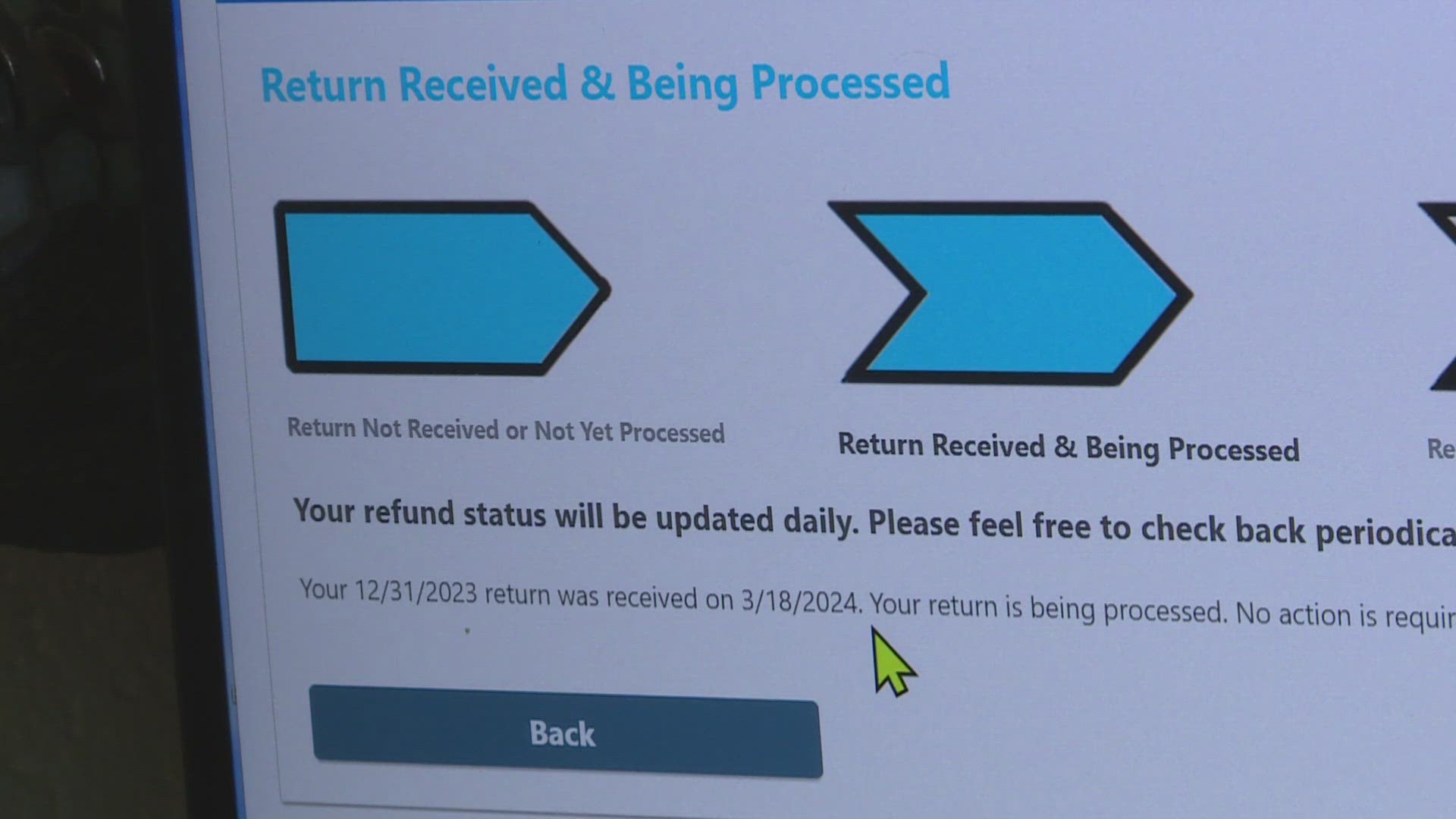
If you are expecting a refund, the ability to track its status can provide peace of mind. The Colorado Department of Revenue typically offers an online refund status tool on its website. You will usually need to provide your Social Security number and the exact refund amount to check the status of your return. E-filed returns with direct deposit are processed much faster than paper-filed returns.
By understanding when Colorado accepts tax returns for 2024 and diligently preparing your documentation, you can approach tax season with confidence and efficiency, ensuring a smooth and timely submission of your tax obligations.
LifeOutOfTheBox is a participant in the Amazon Services LLC Associates Program, an affiliate advertising program designed to provide a means for sites to earn advertising fees by advertising and linking to Amazon.com. Amazon, the Amazon logo, AmazonSupply, and the AmazonSupply logo are trademarks of Amazon.com, Inc. or its affiliates. As an Amazon Associate we earn affiliate commissions from qualifying purchases.