
Understanding Wildfire Risk for Travelers
When planning a trip to the picturesque state of Colorado, understanding the potential impact of wildfires is a crucial aspect of responsible travel. While the allure of the Rocky Mountains, vibrant cities like Denver, and charming mountain towns such as Aspen or Vail draws millions, the dry climate and rugged terrain can create conditions ripe for fires. For travelers, this translates to a need for awareness, preparedness, and flexibility in their itineraries.
Wildfire season in Colorado typically spans from late spring through early fall, peaking in the hotter, drier months of July and August. However, the exact timing and intensity can vary significantly year to year, influenced by factors like snowpack melt, prevailing winds, and the presence of lightning. Understanding these patterns helps travelers make informed decisions about when and where to visit, ensuring a safer and more enjoyable experience.

Factors Influencing Wildfire Occurrence
Several geographical and meteorological factors contribute to the prevalence of wildfires in Colorado. The state’s diverse topography, from the eastern plains to the high peaks of the Rockies, presents varied ecosystems, each with its own fire susceptibility.
Dry Climates and Fuel Loads
Much of Colorado experiences a semi-arid to arid climate, with low humidity and limited precipitation during the summer months. This dryness, coupled with accumulated dry vegetation—often referred to as fuel—creates an environment where ignition can lead to rapid fire spread. Forests, grasslands, and shrublands are all vulnerable.
Topography and Wind Patterns
Steep slopes can accelerate fire movement as flames preheat the fuel upslope. Furthermore, consistent wind patterns, especially in mountainous regions, can fan flames and push fires across vast distances, making containment a significant challenge. Understanding local wind patterns can sometimes offer insights into potential fire behavior.
Human and Natural Ignition Sources
While lightning strikes are a natural ignition source, particularly during summer thunderstorms, a significant percentage of wildfires are human-caused. Campfires left unattended, discarded cigarettes, sparks from equipment, and even fireworks can all spark devastating fires. Travelers are reminded to adhere strictly to fire bans and practice extreme caution when outdoors.
Planning Your Colorado Adventure with Fire Awareness
Integrating wildfire awareness into your travel plans for Colorado doesn’t mean abandoning your adventure; it means approaching it with informed prudence. By staying updated on current conditions and understanding potential risks, you can navigate the state safely and contribute to its preservation.
Pre-Trip Research and Monitoring
Before embarking on your journey, dedicate time to researching the areas you plan to visit. Many official resources provide real-time updates on wildfire activity and restrictions.
Official Wildfire Information Sources
Key resources include the National Interagency Fire Center (NIFC), which offers national fire statistics and incident information, and the Colorado Division of Fire Prevention and Control (DFPC), which provides state-specific wildfire maps and updates. Local county sheriff’s offices and emergency management agencies also often disseminate crucial information regarding evacuations and closures.
Understanding Fire Restrictions and Bans
When traveling to Colorado, it’s imperative to be aware of fire restrictions and bans. These are implemented to prevent human-caused ignitions and can range from restrictions on campfires to complete bans on fireworks and certain outdoor activities. Violating these bans can result in hefty fines and contribute to dangerous fire situations. Checking the website of the specific land management agency (e.g., U.S. Forest Service, Bureau of Land Management) for the area you intend to visit is highly recommended.
During Your Trip: Staying Informed and Prepared
Once you are in Colorado, staying informed about current conditions is an ongoing responsibility. Conditions can change rapidly, and staying vigilant can ensure your safety and the safety of others.
Real-Time Updates and Alerts
Utilize mobile applications and websites that offer real-time wildfire maps and alerts. Many services provide push notifications for significant fire activity or evacuation orders in specific areas. Tune into local radio stations, especially in rural or mountainous regions, as they often broadcast critical emergency information.
Evacuation Preparedness
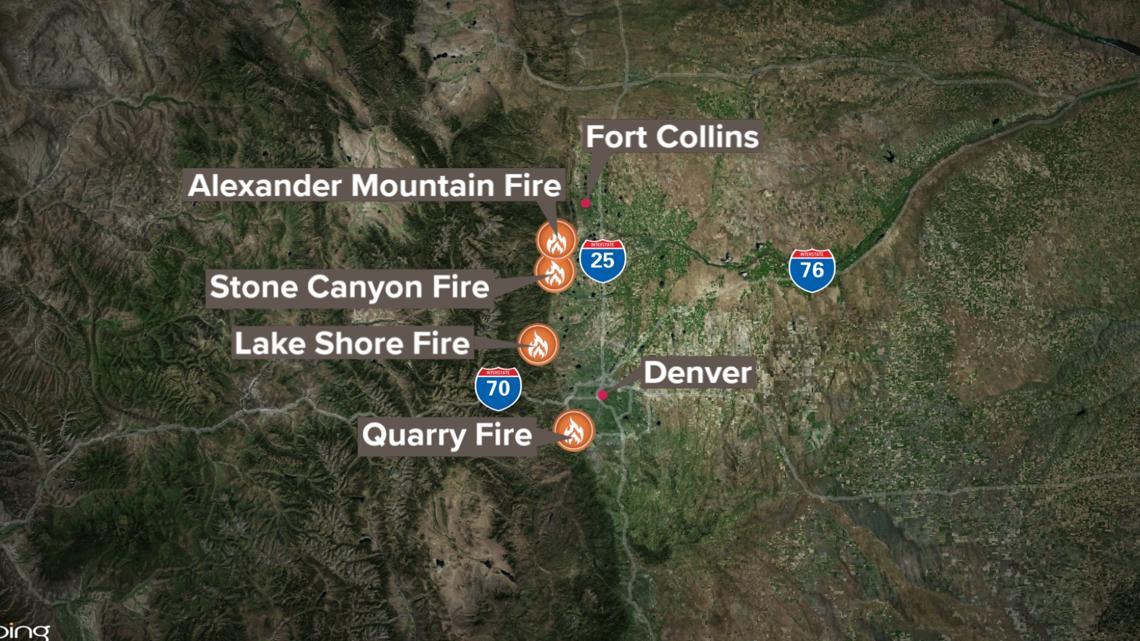
In the unlikely event of an evacuation order, it is crucial to follow the instructions of local authorities immediately. Have a plan in place for where you would go and how you would travel. Ensure your vehicle is fueled and your essential belongings are easily accessible. Understanding the “Ready, Set, Go!” program, often promoted by fire departments, can provide a clear framework for evacuation preparedness.
Experiencing Colorado’s Natural Beauty Safely
Colorado boasts an incredible array of natural wonders, from national parks like Rocky Mountain National Park to countless hiking trails and scenic drives. Experiencing these responsibly means being mindful of wildfire risks and taking steps to minimize your impact.
Responsible Outdoor Recreation
Your actions in the backcountry can directly influence the risk of wildfires. Adhering to best practices ensures that these natural landscapes remain pristine for future generations.
Fire Safety in Campgrounds and Backcountry
If camping is part of your itinerary, always use designated fire rings and ensure your campfire is completely extinguished before leaving it or going to sleep. Never leave a campfire unattended. When dispersed camping, understand and follow all regulations regarding campfires, which are often prohibited during high-risk periods.
Leave No Trace Principles
Beyond fire safety, embracing the Leave No Trace principles is paramount. This includes properly disposing of all trash, including cigarette butts, which can smolder for hours and ignite dry vegetation. Avoid parking vehicles or operating machinery on dry grass, as hot exhaust systems can be an ignition source.
Impact on Travel Plans and Destinations
Wildfires can significantly impact travel plans, leading to road closures, cancellations, and altered itineraries. While disappointing, these changes are often necessary for public safety and to allow emergency responders to do their work.
Navigating Closures and Detours
Be prepared for potential road closures, especially those leading to popular natural attractions or through affected areas. Have alternative routes in mind and be flexible with your schedule. If your planned destination is impacted, consider exploring other regions of Colorado that may not be affected by current fire activity.
Supporting Local Communities
When wildfires occur, they can have a devastating economic impact on the small towns that rely on tourism. If your travel plans are affected but you are able to, consider visiting nearby communities that are open for business. Supporting local businesses, restaurants, and accommodations can provide vital assistance during challenging times.
Beyond the Flames: The Enduring Appeal of Colorado
While wildfire awareness is a critical component of visiting Colorado, it is essential to remember the vast beauty and diverse experiences this state offers. The resilience of nature and the dedication of its people mean that even after fires, recovery and renewal are part of the Colorado story.
Embracing the Beauty of Recovery and Resilience
The landscapes of Colorado have a remarkable capacity for regeneration. Understanding the natural cycle of fire can offer a new perspective on the environment, recognizing that fire can sometimes be a necessary element in certain ecosystems.
Understanding Ecological Impacts
Ecologically, fire plays a vital role in many Colorado ecosystems, clearing out underbrush, stimulating the growth of certain plant species, and creating habitat diversity. While destructive fires are a concern for human safety and property, some natural fire cycles are beneficial.
Cherishing the Experience
With proper planning and a commitment to safety, travelers can continue to enjoy the unparalleled beauty and adventure that Colorado provides. From the vibrant cultural scene in Boulder to the historic charm of towns like Durango, the state offers a wealth of experiences.

Planning for Future Visits
By staying informed and practicing responsible travel, you contribute to the preservation of Colorado’s natural heritage. This knowledge empowers you to plan future visits with confidence, knowing that you are a mindful and prepared traveler, ready to embrace all that the Centennial State has to offer.
LifeOutOfTheBox is a participant in the Amazon Services LLC Associates Program, an affiliate advertising program designed to provide a means for sites to earn advertising fees by advertising and linking to Amazon.com. Amazon, the Amazon logo, AmazonSupply, and the AmazonSupply logo are trademarks of Amazon.com, Inc. or its affiliates. As an Amazon Associate we earn affiliate commissions from qualifying purchases.