
Nestled high in the San Juan Mountains of southwestern Colorado, Lake City is a captivating gateway to some of the most rugged and breathtaking scenery the United States has to offer. Often referred to as the “Hidden Gem of the San Juans,” this unincorporated community is more than just a dot on the map; it’s a destination for adventurers, history buffs, and those seeking an authentic escape into the wild heart of the Rockies.
The primary draw for many visitors is the stunning natural environment. Situated at an elevation of approximately 8,549 feet (2,606 meters), Lake City overlooks the expansive, shimmering waters of Lake San Cristobal, Colorado’s second-largest natural lake. This idyllic setting serves as the perfect base for exploring the surrounding wilderness, which is dominated by the dramatic peaks of the San Juan Mountains. These mountains are part of the Colorado Plateau and the Rocky Mountains physiographic provinces, featuring towering 14,000-foot peaks, including Uncompahgre Peak, the highest point in the immediate vicinity and a formidable challenge for experienced hikers.

The journey to Lake City itself is often an adventure, particularly for those who choose to traverse the scenic Alpine Loop Scenic Byway. This byway, a rugged, unpaved road (best suited for high-clearance 4WD vehicles), connects Lake City with other historic mining towns like Ouray and Silverton, winding through some of the most spectacular mountain passes in America. The byway offers unparalleled vistas, chances to spot wildlife, and a tangible connection to the region’s storied past as a hub for gold and silver mining.
Gateway to the San Juan Wilderness
The allure of Lake City lies in its direct access to a vast playground of outdoor recreation. The Gunnison National Forest and the Weminuche Wilderness are at its doorstep, offering an immense network of trails for hiking, backpacking, mountain biking, and off-roading.
Hiking and Backpacking Adventures
For hikers, the options are as diverse as the landscape. Trails range from gentle lakeside strolls to strenuous climbs up alpine summits. The Columbine Pass Trail is a popular choice, leading through alpine meadows bursting with wildflowers in the summer months and offering rewarding views of surrounding peaks. For serious mountaineers, the ascent of Uncompahgre Peak (14,309 feet) is a bucket-list item, providing a challenging yet incredibly satisfying experience with panoramic views that stretch for miles. The American Discovery Trail, a cross-country hiking route, also passes through this region, offering long-distance trekkers a segment of its challenging path.
Off-Roading and OHV Trails
The San Juan Mountains are a mecca for off-road enthusiasts. The Alpine Loop is just the beginning; a network of historic mining roads and designated off-highway vehicle (OHV) trails crisscross the mountains. These trails cater to all levels of experience, from leisurely scenic drives to technical, rock-crawling challenges. Many of these routes are remnants of the old mining era, offering a glimpse into the area’s past while providing exhilarating rides through stunning mountain terrain. Renting ATVs or side-by-sides is a popular way to explore areas inaccessible by standard vehicles, opening up access to remote lakes, abandoned mines, and hidden valleys.
Water Sports and Fishing
Lake San Cristobal is a focal point for water-based activities. During the warmer months, visitors can enjoy kayaking, canoeing, stand-up paddleboarding, and swimming. The lake is also a prime location for fishing, with opportunities to catch rainbow trout, brown trout, and kokanee salmon. Nearby rivers and streams, such as the Hinsdale County sections of the Gunnison River, offer excellent fly-fishing opportunities for those seeking the thrill of casting in pristine mountain waters. Boat rentals are available, making it easy to get out on the water and explore the lake’s coves and shorelines.
A Rich Tapestry of History and Culture
Beyond its natural beauty, Lake City is steeped in a fascinating history, primarily shaped by the silver boom of the late 19th century. This heritage is evident throughout the town and in the surrounding ghost towns and mines.
Exploring Historic Mining Towns
The legacy of mining is palpable in Lake City. The town itself retains much of its historic charm, with many buildings dating back to its boomtown days. Visitors can wander along the main street, admiring the well-preserved Victorian architecture. A short drive from town lies the Capitol City Mine, one of the most significant silver mines in the area. While many mines are inaccessible or dangerous, remnants of the mining era are scattered throughout the landscape, providing a poignant reminder of the hardscrabble lives of the prospectors and miners who once called this region home. The Hinsdale County Historical Museum in Lake City offers a comprehensive look at this history through artifacts and exhibits.
Ghost Towns of Hinsdale County
The region surrounding Lake City is dotted with ghost towns, remnants of once-thriving mining camps that have since been reclaimed by nature. Animas Forks, although technically a bit further afield and accessible via the Alpine Loop, is one of the most iconic and well-preserved ghost towns, offering a haunting glimpse into the past. Closer to Lake City, remnants of settlements like Carson and Burrows Park can be explored, often requiring a bit of off-road adventure to reach. These silent towns, with their crumbling cabins and rusted equipment, tell stories of fortunes sought and lives lived in the unforgiving mountains.
Local Culture and Community Spirit
Despite its small size, Lake City boasts a strong sense of community and a welcoming spirit. The town hosts various events throughout the year, including the popular Taste of Lake City, which celebrates local culinary talent, and the Fourth of July celebrations, a quintessential small-town American festival. The local arts scene, though modest, contributes to the town’s unique character, with galleries and craft shops showcasing the work of regional artists. The pace of life here is slower, inviting visitors to relax, connect with nature, and experience a genuine taste of mountain living.
Planning Your Visit to Lake City
A trip to Lake City requires a bit of preparation, given its remote location and the nature of the surrounding terrain. Understanding the best times to visit and how to get there will ensure a more enjoyable experience.
Getting to Lake City
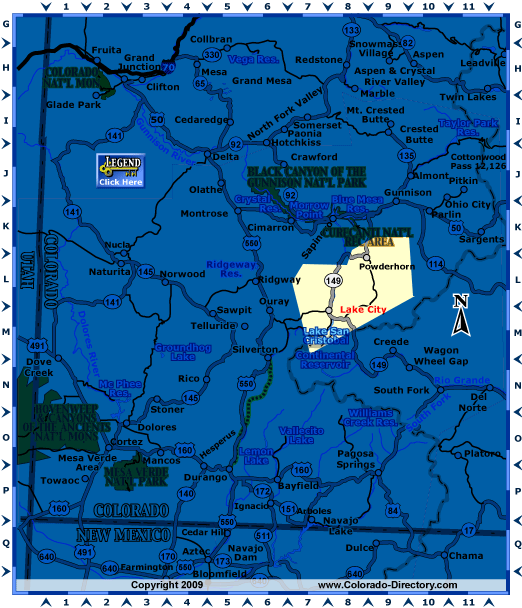
Lake City is accessible by road, though the journey is part of the adventure. The closest major airports are in Durango (DRO) and Grand Junction (GJT), both of which are several hours away by car. From the east, Highway 50 provides access to the region, while from the south, Highway 550 (the famous “Million Dollar Highway”) offers breathtaking (and sometimes nerve-wracking) drives. It’s important to note that many of the most scenic routes, like the Alpine Loop, are unpaved and can be challenging, requiring suitable vehicles. During winter months, snow can close many of these mountain passes, so checking road conditions is essential.
Best Time to Visit
The ideal time to visit Lake City depends on your interests.
- Summer (June to August): This is the peak season for outdoor activities. The weather is generally pleasant, with warm days and cool nights. Wildflowers are in bloom, and all roads and trails are typically open. This is the best time for hiking, fishing, and water sports on Lake San Cristobal.
- Fall (September to October): Autumn brings a spectacular display of aspen and conifer foliage, painting the mountains in vibrant hues of gold, red, and orange. The crowds thin out, and the crisp air is perfect for hiking. This is a photographer’s paradise.
- Spring (April to May): This can be a transitional period. While some lower-elevation trails may be accessible, higher mountain passes often remain snow-covered well into late spring. It’s a quieter time, but weather can be unpredictable.
- Winter (November to March): Lake City transforms into a winter wonderland, offering opportunities for snowshoeing, cross-country skiing, and snowmobiling. However, many businesses may close for the season, and access to certain areas can be severely restricted due to snow.

Accommodation and Amenities
While Lake City is not a large resort town, it offers a range of accommodations to suit different preferences and budgets. You’ll find cozy inns, historic bed and breakfasts, vacation rental cabins, and campgrounds. Dining options include local diners, steakhouses, and pubs, many of which emphasize hearty, mountain-style fare. Services like grocery stores, gas stations, and outdoor gear outfitters are available, ensuring visitors have access to the essentials for their mountain adventures. It is always advisable to book accommodations in advance, especially during the peak summer months.
Lake City, Colorado, is a destination that rewards the intrepid traveler. It’s a place where rugged natural beauty meets a rich historical past, offering an authentic experience far from the beaten path. Whether you’re drawn by the call of the mountains, the whispers of ghost towns, or the tranquility of a pristine lake, Lake City promises an unforgettable journey into the heart of the San Juan Mountains.
LifeOutOfTheBox is a participant in the Amazon Services LLC Associates Program, an affiliate advertising program designed to provide a means for sites to earn advertising fees by advertising and linking to Amazon.com. Amazon, the Amazon logo, AmazonSupply, and the AmazonSupply logo are trademarks of Amazon.com, Inc. or its affiliates. As an Amazon Associate we earn affiliate commissions from qualifying purchases.