
The Maroon Bells are arguably the most photographed peaks in all of North America, a breathtaking duo of majestic mountains that have captivated artists, photographers, and nature enthusiasts for generations. Nestled deep within the Colorado Rockies, their iconic silhouette, reflected in the pristine waters of Maroon Lake, is a sight that defines the very essence of the American West. For those planning a visit to this unparalleled natural wonder, understanding its precise location and how to access it is the first step toward experiencing its profound beauty.
Understanding the Location and Geography
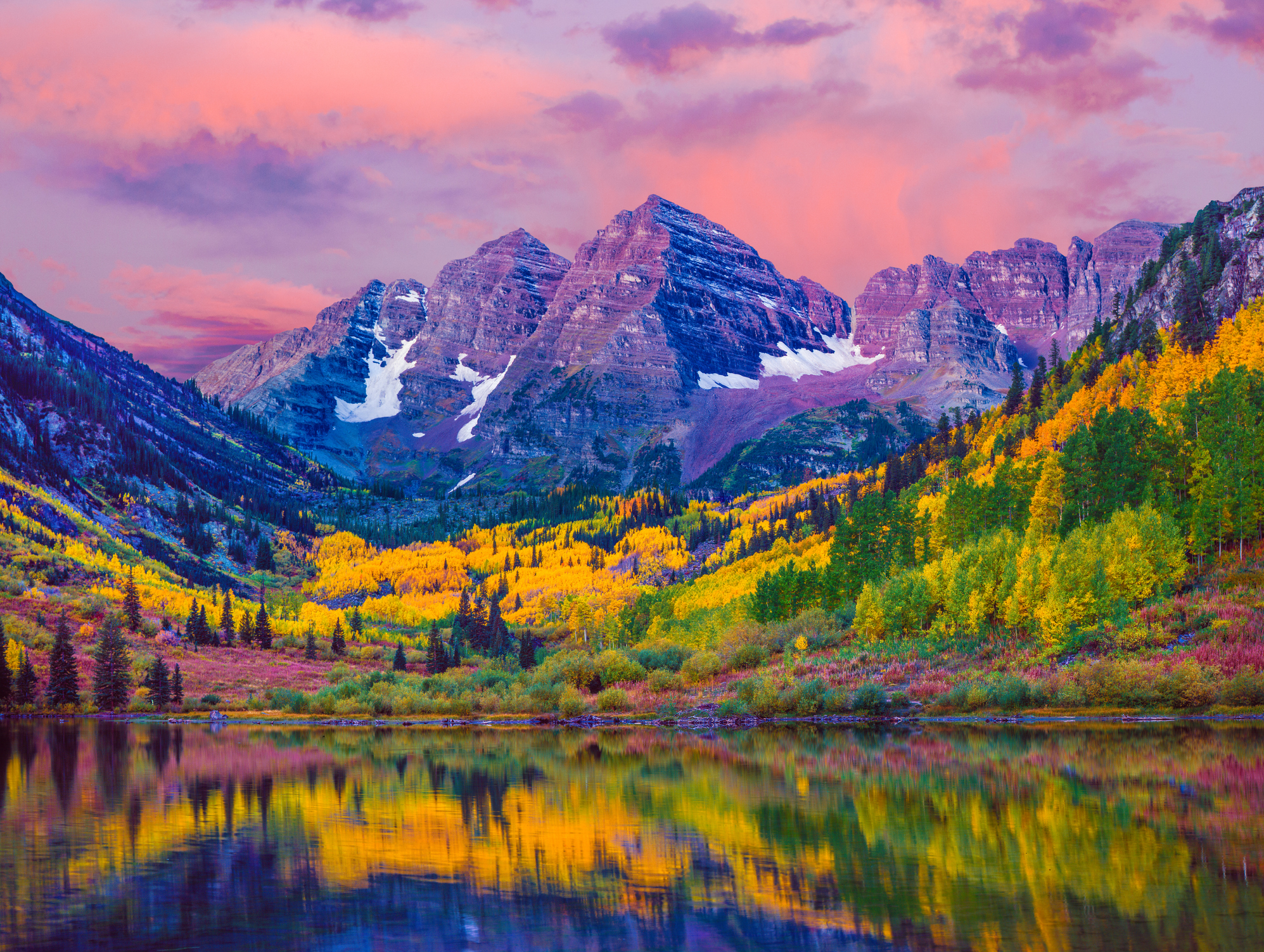
The Maroon Bells are located in the Maroon Bells–Snowmass Wilderness area of White River National Forest, near the town of Aspen, Colorado. They are part of the Elk Mountains, a rugged and visually stunning range known for its dramatic peaks and alpine scenery. The two distinct peaks, Maroon Peak and North Maroon Peak, rise to an elevation of 14,157 and 14,014 feet respectively, making them formidable and awe-inspiring presences in the landscape.
The Context of the Maroon Bells–Snowmass Wilderness
This wilderness area, established in 1960, spans over 180,000 acres, offering an expansive network of trails and opportunities for backcountry exploration. The Maroon Bells are the crown jewel of this region, drawing visitors from across the globe. The area is characterized by its high alpine environment, featuring dense forests of aspen and conifer, vast meadows that burst with wildflowers in the summer, and of course, the jagged, imposing peaks that give the region its name.
Proximity to Aspen, Colorado
The closest major town to the Maroon Bells is Aspen, a world-renowned destination for skiing, luxury resorts, and its vibrant cultural scene. While Aspen offers a luxurious base for travelers, the Maroon Bells themselves are a retreat into raw, untamed nature. The drive from Aspen to the Maroon Bells Scenic Area is itself a beautiful journey, winding through the picturesque valley.
Accessing the Maroon Bells Scenic Area
Access to the Maroon Bells Scenic Area is highly regulated, particularly during the peak summer and fall seasons, to protect the fragile environment and manage visitor impact. Private vehicle access is typically restricted from mid-June through mid-October. During these months, visitors must utilize the Maroon Bells shuttle bus system, which departs from the Aspen Highlands Village. This shuttle is the primary and most convenient way to reach the trailhead for Maroon Lake.
The Shuttle System: A Key to Access
The Maroon Bells shuttle bus is an essential part of the visitor experience. It operates on a regular schedule and offers a convenient way to reach the heart of the Maroon Bells Scenic Area. The shuttle ride itself is scenic, providing initial glimpses of the stunning mountain scenery. Visitors can purchase tickets in advance or on the day of their visit, depending on availability and booking policies. It’s crucial to check the official Aspen Snowmass website or the U.S. Forest Service website for the most up-to-date information on shuttle schedules, ticket prices, and reservation requirements.
Alternative Access: Biking and Hiking
For the more adventurous or those seeking a more intimate experience, the road leading to the Maroon Bells is open to bicycles. Cycling offers a more personal connection with the landscape, allowing for frequent stops to admire the views. Furthermore, hikers can access the area via various trailheads, including the popular Maroon Creek Road itself or from more remote starting points within the wilderness.
Experiencing the Maroon Bells: Activities and Attractions
The allure of the Maroon Bells extends far beyond their visual splendor. The area offers a wealth of activities for visitors of all levels of athleticism and interest, centered around hiking, photography, and simply immersing oneself in the grandeur of the alpine environment.
Hiking Trails Around Maroon Lake
The most accessible and iconic area is around Maroon Lake. A relatively flat, 1.9-mile loop trail circles the lake, offering stunning reflections of the Maroon Bells from various vantage points. This trail is suitable for most visitors and is a perfect introduction to the area’s beauty.
East Maroon Trail
For those seeking more challenging hikes, the East Maroon Trail continues past Maroon Lake into the deeper wilderness. This trail leads to higher elevations and offers access to more remote alpine lakes and meadows. It’s a popular route for day hikers and backpackers alike, though proper preparation and an understanding of backcountry safety are essential.
Crater Lake Trail
Another popular option is the Crater Lake Trail, which branches off the main Maroon Lake loop. This moderate hike ascends to Crater Lake, offering a different perspective of the Maroon Bells and the surrounding peaks. The trail can be rocky and steep in sections, but the destination is well worth the effort.
Photography Hotspots
The Maroon Bells are a photographer’s paradise. The early morning hours, when the light is soft and the air is still, offer the most iconic reflections of the mountains in Maroon Lake. Sunrise and sunset provide dramatic lighting conditions that can transform the already spectacular landscape into something truly ethereal. Photographers often arrive well before dawn to secure a prime spot.
Wildlife Viewing
The Maroon Bells–Snowmass Wilderness is home to a diverse array of wildlife. Visitors may spot elk, deer, bighorn sheep, marmots, and a variety of bird species. It’s important to maintain a safe distance from all wildlife and to never feed them, as this can be detrimental to their health and behavior. Binoculars are highly recommended for observing animals from afar.
Seasonal Beauty: Summer Wildflowers and Fall Colors
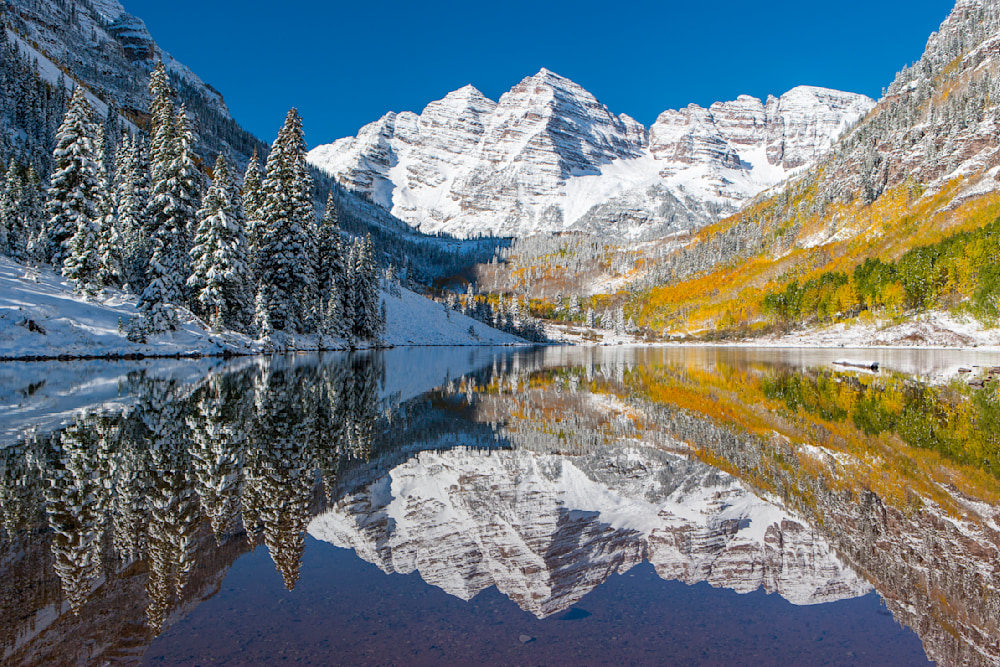
Each season paints the Maroon Bells in a different, yet equally stunning, light. In the summer months, the alpine meadows are ablaze with colorful wildflowers, creating a vibrant tapestry against the rugged mountains. However, it is the autumn that truly elevates the Maroon Bells to legendary status. The aspen trees, which dominate the lower slopes, turn a brilliant gold, creating a breathtaking contrast with the dark peaks and the clear blue sky. This seasonal spectacle draws immense crowds, making it essential to book accommodations and shuttle tickets well in advance.
Planning Your Visit: Best Times and Essential Tips
To fully appreciate the magic of the Maroon Bells, careful planning is paramount. Understanding the optimal times to visit and being prepared for the unique conditions of the high alpine environment will ensure a memorable and enjoyable experience.
Optimal Times to Visit

The prime visiting season for the Maroon Bells is typically from late May through early October.
- Summer (June – August): This period offers pleasant weather for hiking and exploring. Wildflowers are in full bloom, and the lakes are typically free of ice. However, it is also the busiest time, with significant crowds, especially on weekends.
- Fall (September – October): This is arguably the most spectacular time to visit due to the vibrant autumn foliage. The golden aspens create an unparalleled visual feast. Be prepared for cooler temperatures, potential early snowfall, and the highest concentration of visitors. Reservations for shuttles and accommodations are essential.
- Spring (Late May – Early June): This shoulder season can offer a quieter experience. However, snow may still linger at higher elevations, and access to some trails might be limited. Weather can be unpredictable.
Essential Packing and Preparation
The Maroon Bells are situated at a high altitude, and conditions can change rapidly. Proper preparation is key to a safe and comfortable visit.
- Layers of Clothing: Pack clothing that can be layered, including moisture-wicking base layers, insulating mid-layers, and a waterproof/windproof outer shell. Even in summer, evenings and early mornings can be quite chilly.
- Sturdy Footwear: Hiking boots or sturdy athletic shoes with good ankle support are recommended, especially if you plan to hike beyond the Maroon Lake loop.
- Sun Protection: The sun’s rays are intense at high altitudes. Bring sunscreen, a hat, and sunglasses.
- Water and Snacks: Carry plenty of water, as dehydration can be a concern. Pack high-energy snacks, especially for longer hikes.
- Insect Repellent: Mosquitoes and other biting insects can be present, particularly in the early summer.
- Bear Safety: As this is bear country, be aware of bear safety guidelines. Carry bear spray and know how to use it.
- Navigation Tools: A map and compass or a GPS device are advisable for longer hikes, as cell service can be unreliable.
Altitude Sickness Awareness
Visitors coming from lower elevations may experience altitude sickness. It is recommended to acclimate gradually, stay hydrated, and avoid strenuous activity on your first day. If symptoms persist, descend to a lower altitude.
Respecting the Environment
The Maroon Bells are a fragile ecosystem. Visitors are expected to practice Leave No Trace principles:
- Pack it in, pack it out: Take all trash with you.
- Stay on marked trails: This helps prevent erosion and protect delicate vegetation.
- Respect wildlife: Observe animals from a distance and never feed them.
- Minimize campfire impacts: Campfires are often restricted or prohibited in the Maroon Bells Scenic Area. Check current regulations.
Beyond the Bells: Exploring the Aspen Area
While the Maroon Bells are the primary draw, the surrounding Aspen area offers a wealth of complementary experiences, catering to a diverse range of interests, from fine dining and luxury shopping to further outdoor adventures.
Aspen’s Charm and Amenities
Aspen, a charming and sophisticated mountain town, serves as the gateway to the Maroon Bells. It’s known for its historic Victorian architecture, world-class ski resorts, and an impressive culinary scene. Visitors can find a wide array of accommodations, from charming bed and breakfasts to opulent luxury hotels.
Culinary Delights in Aspen
Aspen boasts an exceptional dining landscape, offering everything from casual cafes to Michelin-starred restaurants. Visitors can savor farm-to-table cuisine, international flavors, and classic American dishes, making it a food lover’s paradise.
Shopping and Culture
The streets of Aspen are lined with designer boutiques, art galleries, and unique local shops. The town also hosts a vibrant cultural calendar, with events ranging from music festivals and theater performances to art exhibitions.
Other Nearby Natural Attractions
The White River National Forest is rich with natural beauty, offering numerous opportunities for exploration beyond the Maroon Bells.
Glenwood Springs and Hanging Lake
A scenic drive from Aspen leads to Glenwood Springs, famous for its hot springs and the stunning Hanging Lake. This incredibly unique geological formation, with its turquoise waters and cascading waterfalls, requires a permit for access and is a testament to Colorado’s geological wonders.
Independence Pass
For a spectacular drive and more high-alpine vistas, Independence Pass is a must-see. This scenic byway offers breathtaking panoramic views of the surrounding mountain ranges and is another prime location for experiencing the grandeur of the Rockies. Like the Maroon Bells, Independence Pass has seasonal access limitations.
Further Adventures in the Wilderness
For those who wish to delve deeper into the Maroon Bells–Snowmass Wilderness, numerous other trails and activities await.
Backpacking and Camping
With the proper permits and preparation, multi-day backpacking trips into the wilderness offer an unparalleled opportunity to experience the solitude and raw beauty of the Colorado Rockies. Designated campgrounds and backcountry sites are available, providing a more immersive connection with nature.
Horseback Riding
Several outfitters in the Aspen area offer guided horseback riding tours that can take visitors into scenic areas accessible from the Maroon Bells. This offers a classic Western experience and a unique way to traverse the terrain.
The Maroon Bells stand as a testament to the enduring power and majesty of nature. Whether you seek a challenging hike, a serene moment of reflection, or the perfect photographic opportunity, these iconic peaks in Colorado offer an unforgettable experience that resonates long after you leave. Understanding where they are and how to respectfully access them is the first step towards unlocking their profound beauty.
LifeOutOfTheBox is a participant in the Amazon Services LLC Associates Program, an affiliate advertising program designed to provide a means for sites to earn advertising fees by advertising and linking to Amazon.com. Amazon, the Amazon logo, AmazonSupply, and the AmazonSupply logo are trademarks of Amazon.com, Inc. or its affiliates. As an Amazon Associate we earn affiliate commissions from qualifying purchases.