
Colorado, a state steeped in the allure of the Wild West and a history defined by a monumental gold rush, offers an enduring invitation to prospectors and adventure seekers alike. The dream of striking it rich, or simply experiencing the thrill of the hunt, draws thousands to its picturesque landscapes each year. Beyond the historical echoes, modern-day gold panning in Colorado remains a vibrant and accessible pursuit, blending outdoor recreation with the tangible possibility of discovery. This guide delves into the prime locations, necessary preparations, and essential etiquette for those eager to dip their pans into Colorado’s mineral-rich waters.

Unearthing Colorado’s Gold-Bearing Rivers
The geological tapestry of Colorado is woven with veins of gold, deposited over millennia by ancient rivers and streams. While the major gold rushes of the past have subsided, many of these waterways continue to yield small but significant flakes and nuggets. Identifying these promising locations requires an understanding of Colorado’s gold geology and a willingness to explore.
The Arkansas River: A Legendary Mother Lode
The Arkansas River stands as one of Colorado’s most prolific gold-producing waterways, particularly in its upper stretches. This legendary river has a storied past, contributing significantly to the state’s historical gold production. Prospectors have long favored areas around Buena Vista and Salida, where placer gold deposits are abundant. The river’s diverse flow patterns create numerous potential resting spots for gold, including:
- Inside Bends: As a river curves, the water slows on the inside bend, allowing heavier materials like gold to settle. Look for gravel bars and areas where sediment has accumulated.
- Behind Obstructions: Boulders, logs, and other natural barriers can create low-current zones where gold can be trapped.
- Bedrock Cracks: Gold, being heavy, often lodges in crevices and cracks within the riverbed’s bedrock. This is where the richest, though hardest-to-reach, deposits are often found.
- Confluences: Where a smaller stream joins the main river, the change in water flow can concentrate gold from both sources.
The Arkansas River basin is vast, offering numerous access points. State lands and national forests provide ample opportunities for recreational panning. Always research specific land ownership and regulations before setting up.
Clear Creek: A Gem for Golden Opportunities
Flowing through the heart of the Rocky Mountains, Clear Creek is another prime destination for gold prospectors. This scenic waterway, accessible from Denver, has a rich gold mining history, with towns like Georgetown and Idaho Springs bearing testament to its past riches.
The geology around Clear Creek is characterized by numerous lode deposits, meaning the gold originates from hard rock veins in the surrounding mountains. Over time, erosion has broken down these veins, washing gold downstream into placer deposits. Areas to focus on include:
- Gravel Bars and Beaches: Extensive gravel deposits are prime locations for finding placer gold.
- Rapids and Eddies: The turbulent nature of rapids can churn up gold-bearing gravel, while calmer eddies downstream can act as traps.
- Areas Below Old Mining Sites: Traces of gold can often be found downstream from historical mining operations.
Public access is generally good along Clear Creek, especially within the Clear Creek Canyon. However, it is crucial to be aware of private property boundaries and to follow all recreational panning regulations.
The South Platte River: Untapped Potential
While perhaps less historically famed for gold than the Arkansas River or Clear Creek, the South Platte River system, particularly its tributaries and headwaters in the Front Range, holds significant untapped potential. Gold has been found in various locations along its course, often associated with granite and metamorphic rock formations.
Prospecting the South Platte River can involve exploring:
- Smaller Tributaries: Many smaller creeks feeding into the main river may contain concentrated gold deposits washed down from higher elevations.
- Areas with Heavy Black Sands: The presence of black sands (magnetite and other heavy minerals) often indicates areas where gold may also be found, as they share similar heavy-mineral characteristics.
- Gravel Deposits in Canyon Sections: Sections of the river that cut through canyons can reveal exposed gravel layers that have historically trapped gold.
Regions near towns like Bailey and further west offer opportunities for exploration. As with other rivers, diligent research into public access and local regulations is paramount.
Preparing for Your Colorado Gold Panning Adventure
Embarking on a gold panning expedition in Colorado requires more than just enthusiasm; it necessitates proper preparation to ensure a safe, productive, and enjoyable experience.
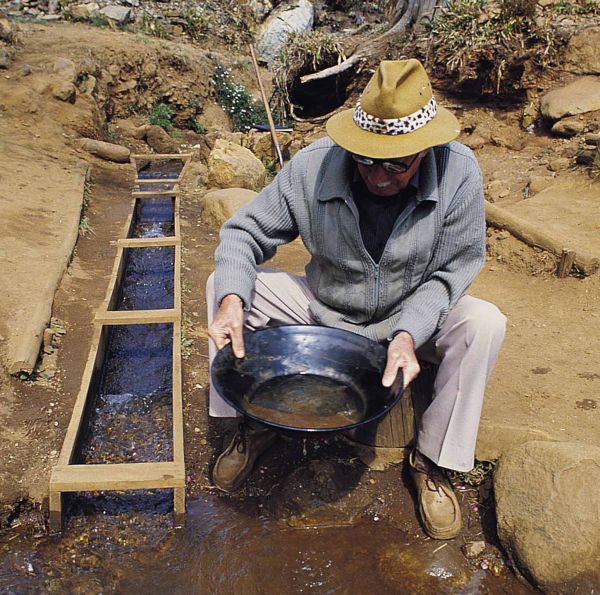
Essential Gear Checklist
A well-equipped prospector is a prepared prospector. The following items are crucial for a successful gold panning trip:
- Gold Pan: High-quality plastic pans, often with riffles, are essential for separating gold from lighter materials. Consider a 14-inch or 16-inch pan for optimal capacity.
- Classifier (Sieve): A coarse-meshed sieve that fits over your pan helps to remove larger rocks and debris, making the panning process more efficient.
- Shovel or Trowel: A small, sturdy shovel or trowel is needed to dig gravel from the riverbed.
- Bucket: For carrying gravel to your panning site and for holding your sorted material.
- Snuffer Bottle: A small, flexible plastic bottle used to suck up small gold flakes and nuggets from your pan.
- Vials or Small Containers: For safely storing your gold finds.
- Waders or Waterproof Boots: Essential for comfort and safety when working in the water, especially in colder mountain streams.
- Gloves: To protect your hands from cold water and rough gravel.
- Sun Protection: Hat, sunglasses, and sunscreen are vital, especially at higher elevations where the sun is intense.
- Water and Snacks: Stay hydrated and energized throughout your outing.
- First-Aid Kit: For minor injuries.
- Navigation Tools: Map, compass, or GPS device, especially if venturing into remote areas.
Understanding Regulations and Ethics
Responsible gold panning is crucial for preserving Colorado’s natural beauty and ensuring continued access for future generations. Adherence to regulations and ethical practices is non-negotiable.
- Permits and Claims: In many areas, recreational gold panning is permitted without a special permit. However, it’s vital to understand the difference between recreational panning and commercial mining. You cannot pan on active mining claims without permission from the claim owner. Public lands managed by agencies like the Bureau of Land Management (BLM) and the U.S. Forest Service often have specific regulations for panning. Always check with the relevant land management agency for the area you plan to visit.
- “Leave No Trace” Principles:
- Minimize Disturbance: Avoid digging excessively large holes. Fill in any holes you create.
- Respect Wildlife: Do not disturb animal habitats or feed wildlife.
- Pack It In, Pack It Out: Carry out all trash, including food scraps and gear.
- Avoid Dam Building: Do not construct dams or alter the natural flow of the river significantly.
- Water Quality: Avoid using chemicals or lubricants that could contaminate the water.
- Private Property: Never pan on private property without explicit permission from the landowner. Trespassing can lead to legal trouble.
- Endangered Species and Sensitive Areas: Be aware of and avoid any areas marked as sensitive or habitats for endangered species.
Mastering the Art of Gold Panning
The process of gold panning, while seemingly simple, requires technique and patience. Understanding how to effectively use your pan can dramatically increase your chances of finding gold.
The Panning Technique
- Fill Your Pan: Dig gravel from promising spots – behind rocks, in bends, and in areas with black sands. Fill your pan about two-thirds full.
- Submerge and Agitate: Submerge the pan in water and shake it gently side-to-side and up-and-down to break up clumps and allow water to flow through the gravel.
- Remove Large Rocks: Use your classifier to remove larger rocks, ensuring only material small enough to fit in the pan remains.
- Stratify the Material: Tilt the pan slightly away from you. Swirl the water and gravel in a circular motion. The heavier materials, including gold, will settle to the bottom of the pan, while lighter materials will rise to the top.
- Wash Away Lighter Material: Tilt the pan forward slightly and gently shake it. The lighter, upper layers of material will wash over the edge. Repeat this process, gradually removing the lighter material.
- Concentrate the Gold: As you get down to the heavier concentrates, including black sands, work more gently. The goal is to leave behind only the heaviest materials.
- “Spitting” for Gold: Once you have a small amount of black sand and potential gold remaining, carefully tilt the pan and use a small amount of water to wash the material to one edge. Look for the tell-tale glint of gold. You can then use your snuffer bottle to carefully suck up any flakes or nuggets you find.
Identifying Promising Spots Within a River
Beyond the general locations, a keen eye for detail can make a significant difference. Look for:
- Concentrations of Black Sand: Black sands, primarily composed of magnetite, are heavy minerals that often occur alongside gold. Finding a significant concentration of black sand is a strong indicator that gold may also be present.
- Geological Features: Areas where the riverbed transitions from hard rock to softer gravel, or where large boulders create calmer zones, are excellent places to investigate.
- Downstream of Obstructions: Any feature that slows the water flow, such as large rocks, fallen trees, or even a change in the river’s gradient, can create a deposition zone for gold.
- Bedrock: If you can access exposed bedrock, carefully examine any cracks, crevices, or low spots. Gold, being heavy, tends to settle in these natural traps.
Beyond the Pan: Embracing the Colorado Prospecting Experience
Gold panning in Colorado is more than just the act of searching for gold; it’s an immersive experience that connects you with the state’s rich history, stunning natural beauty, and the spirit of adventure.
Towns Rich in Mining Heritage
Many Colorado towns owe their existence to the gold rush. Visiting these historic communities offers a deeper understanding of the prospecting lifestyle.
- Central City and Black Hawk: Once booming mining towns, they now offer a glimpse into the past with preserved architecture and historical sites.
- Cripple Creek: Another historic gold mining hub, offering a chance to explore old mines and experience the charm of a Western town.

Connecting with the Prospecting Community
Colorado has an active community of recreational prospectors. Joining local prospecting clubs or attending events can provide invaluable knowledge, tips, and camaraderie. These groups often organize outings to known gold-bearing areas and share best practices for responsible prospecting.
The allure of gold has drawn people to Colorado for over a century, and the dream continues to inspire. Whether you’re seeking a small flake or simply the joy of discovery, the rivers and streams of the Centennial State offer a captivating adventure for any aspiring prospector. With careful preparation, respect for the environment, and a touch of patience, your quest for gold in Colorado could be a truly rewarding experience.
LifeOutOfTheBox is a participant in the Amazon Services LLC Associates Program, an affiliate advertising program designed to provide a means for sites to earn advertising fees by advertising and linking to Amazon.com. Amazon, the Amazon logo, AmazonSupply, and the AmazonSupply logo are trademarks of Amazon.com, Inc. or its affiliates. As an Amazon Associate we earn affiliate commissions from qualifying purchases.