
Navigating the landscape of civic engagement in Colorado is a fundamental aspect of informed citizenship. Understanding who represents you at various levels of government is crucial for effective participation in the democratic process. This guide aims to demystify the roles and identities of your Colorado representatives, empowering you to connect with those who shape the policies and laws affecting your life. From the federal arena to your local community, knowing your representatives ensures your voice is heard on issues that matter most.
Federal Representatives: The Voice of Colorado in Washington D.C.
At the federal level, Colorado is represented by two senators in the United States Senate and a delegation of representatives in the U.S. House of Representatives. These individuals are responsible for advocating for the state’s interests, voting on national legislation, and overseeing federal agencies. Their work directly impacts a wide array of issues, from economic policy and national security to environmental regulations and social programs.
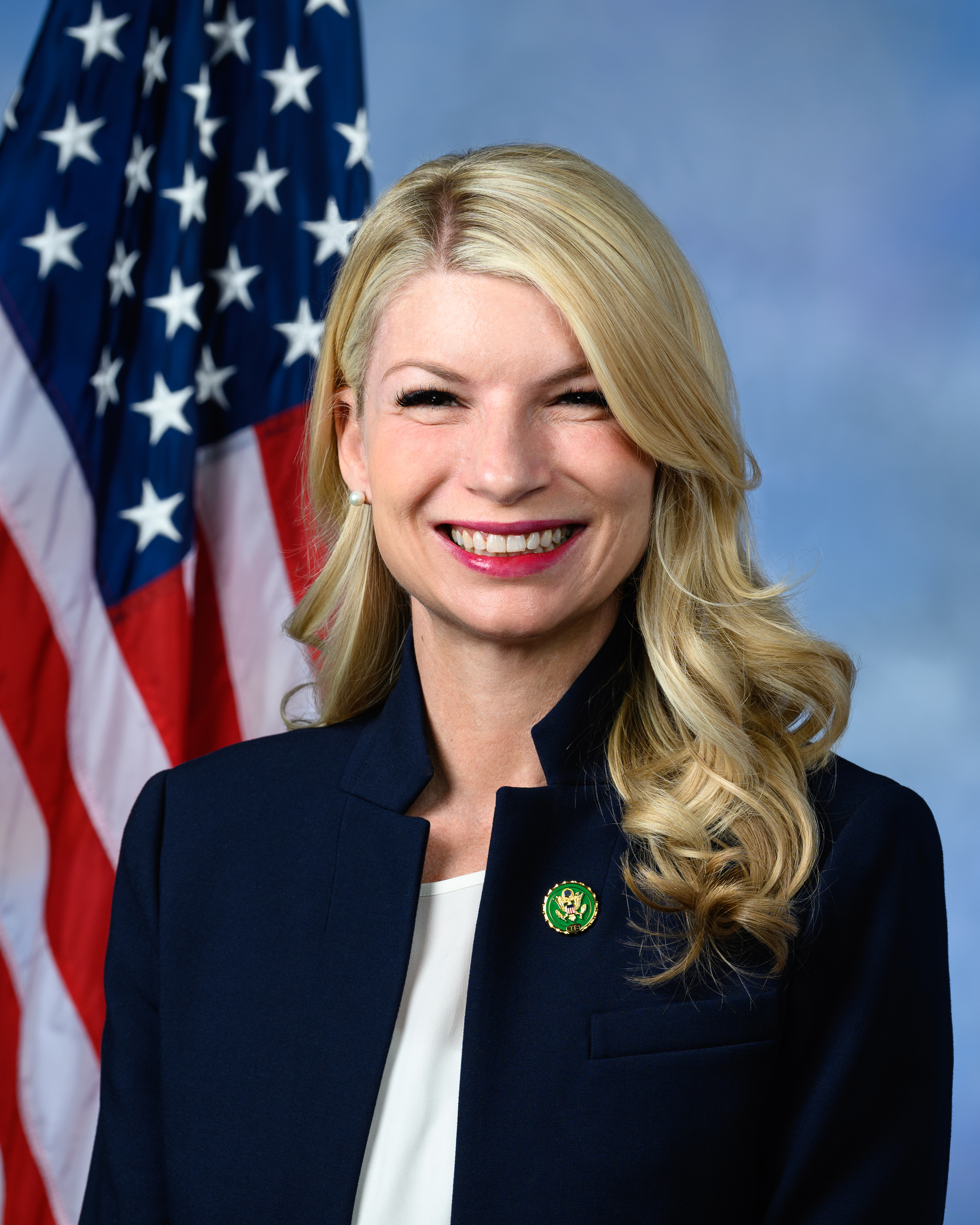
United States Senators from Colorado
The U.S. Senate is composed of 100 senators, with two representing each state. These senators serve staggered six-year terms, ensuring a constant presence of experienced lawmakers. Their roles are multifaceted, involving legislative duties, committee work, and providing constituent services.
Current U.S. Senators for Colorado
- Senator John Hickenlooper: A Democrat, Senator Hickenlooper brings a wealth of experience from his previous tenure as Governor of Colorado. His policy priorities often focus on economic development, innovation, and environmental stewardship. He serves on several key committees, including the Senate Committee on Commerce, Science, and Transportation, and the Senate Committee on Energy and Natural Resources.
- Senator Michael Bennet: Also a Democrat, Senator Bennet has served in the Senate since 2009. He is known for his work on education reform, healthcare access, and fiscal responsibility. Senator Bennet sits on the Senate Committee on Appropriations, the Senate Committee on Finance, and the Senate Committee on the Budget, positions that grant him significant influence over federal spending and taxation.
Understanding the specific committees on which your senators serve can provide insight into their legislative focus and how they might address issues pertinent to Colorado.
U.S. House of Representatives Delegation for Colorado
Colorado is divided into several congressional districts, each electing one representative to the U.S. House of Representatives. These representatives serve two-year terms and are responsible for proposing and voting on legislation that directly affects their constituents and the nation. The size and composition of the House delegation can change following each decennial census and subsequent reapportionment.
Current U.S. House Representatives for Colorado
Colorado’s congressional delegation includes representatives from districts spanning the state, from the urban centers of the Front Range to the more rural western slope. Each representative champions the unique needs and concerns of their specific district.
- District 1: Represented by Representative Diana DeGette, a Democrat. Her district encompasses much of Denver County. She is known for her work on healthcare, technology, and environmental issues.
- District 2: Represented by Representative Joe Neguse, a Democrat. This district includes Boulder County and parts of Larimer County. He has a strong focus on climate change, technological innovation, and public lands.
- District 3: Represented by Representative Lauren Boebert, a Republican. This sprawling district covers much of western and southern Colorado. Her priorities often include energy independence, Second Amendment rights, and conservative fiscal policies.
- District 4: Represented by Representative Ken Buck, a Republican. This district is located in the northeastern part of the state. He has a focus on fiscal conservatism and issues related to agriculture.
- District 5: Represented by Representative Doug Lamborn, a Republican. This district is centered around Colorado Springs. He is known for his strong stance on national defense and conservative social issues.
- District 6: Represented by Representative Jason Crow, a Democrat. This district includes parts of Arapahoe and Douglas Counties. He has a background in national security and focuses on issues of healthcare and economic opportunity.
- District 7: Represented by Representative Brittany Pettersen, a Democrat. This district covers parts of Jefferson and Adams Counties. Her focus areas include economic development and access to healthcare.
- District 8: Represented by Representative Yadira Caraveo, a Democrat. This district, newly established following the 2020 census, includes parts of Adams and Weld Counties. She is a pediatrician and focuses on healthcare and community development.
To determine your specific congressional district, you can utilize online tools provided by the U.S. House of Representatives or the Colorado Secretary of State.
State Representatives: Shaping Colorado’s Laws and Policies
Beyond the federal government, your state representatives play a pivotal role in shaping the laws and policies that directly govern daily life in Colorado. The Colorado General Assembly is a bicameral legislature, comprised of the Senate and the House of Representatives.
Colorado State Senate
The Colorado State Senate consists of 35 senators, each representing a district for a four-year term. The Senate is responsible for passing state laws, approving the state budget, and confirming gubernatorial appointments.
Finding Your State Senator
Colorado’s state senate districts are drawn to ensure roughly equal population. To identify your specific State Senator, you can visit the official website of the Colorado General Assembly and use their district lookup tool. This tool typically requires your residential address. Once identified, you can explore their legislative record, committee assignments, and contact information to engage with their office.
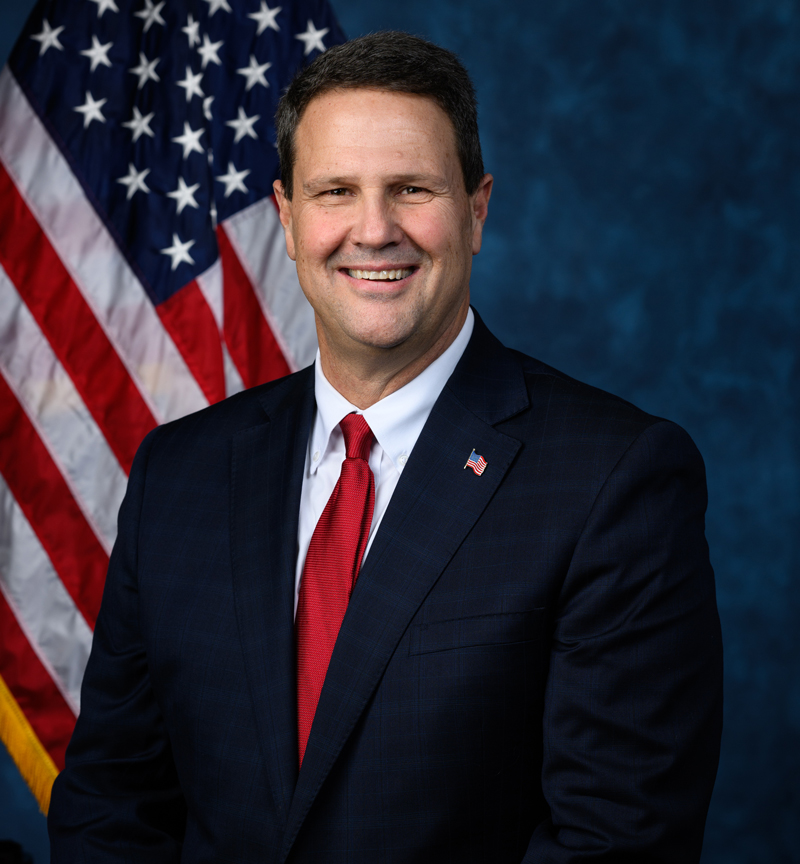
Colorado House of Representatives
The Colorado House of Representatives is composed of 65 representatives, with each serving a two-year term. The House originates all bills related to revenue and is a key player in the legislative process, working alongside the Senate to enact laws for the state.
Finding Your State Representative
Similar to the State Senate, Colorado’s House districts are designed to represent specific populations. The Colorado General Assembly’s website also provides a convenient tool to locate your State Representative based on your address. Familiarizing yourself with your representative’s platform and voting record will provide a clearer understanding of their stance on critical state issues.
Local Representatives: The Foundation of Community Governance
While federal and state representatives address broader issues, your local representatives are the closest link to your immediate community. They manage essential services, local ordinances, and the development of your city or county. This level of governance often has the most direct impact on your daily life, from property taxes and zoning laws to public safety and infrastructure.
County Commissioners/Council Members
Depending on your location in Colorado, you will likely be represented at the county level by a Board of County Commissioners or a County Council. These elected officials oversee county services, manage budgets, and enact county-level ordinances. Issues such as road maintenance, public health, land use planning, and sheriff’s departments fall under their purview.
Identifying Your County Representatives
To find your county representatives, you will need to know which county you reside in. Most Colorado counties have a dedicated county government website that lists elected officials, their contact information, and details about upcoming meetings and decisions. Searching for “[Your County Name] Colorado Government” will generally lead you to this resource.
City Council Members and Mayor
For residents within incorporated cities and towns, city council members and the mayor are your primary local elected officials. They are responsible for city services, including police and fire departments, parks and recreation, water and sewer systems, and local economic development initiatives. City councils also vote on local ordinances that govern many aspects of urban life.
Locating Your City Representatives
Similar to county governments, each city and town in Colorado will have its own official website. This site is the best place to find information about your mayor and city council members, their responsibilities, and how to contact them. Look for sections titled “Government,” “Elected Officials,” or “City Council.”
Engaging with Your Representatives
Once you have identified your representatives at all levels, the next step is to engage with them. This can take many forms, from attending town hall meetings and contacting their offices via phone or email to writing letters or participating in public forums. Understanding their roles and responsibilities is the first step; active participation is how you ensure your interests are represented.
The Importance of Direct Communication
Your representatives are elected to serve you. They rely on constituent feedback to understand the needs and concerns of the people they represent. Providing your perspective on proposed legislation, local issues, or community challenges can directly influence their decision-making. Keep your communications concise, clear, and focused on the specific issue at hand.

Utilizing Constituent Services
Most elected officials’ offices offer constituent services. These services can help you navigate federal, state, or local agencies, resolve issues with government programs, or provide information on legislative matters. Do not hesitate to reach out to their offices for assistance.
Knowing who your representatives are in Colorado is not merely an academic exercise; it is a vital component of active and responsible citizenship. By understanding the structure of government and the individuals who hold office, you are empowered to participate more effectively in shaping the future of your community, your state, and your nation.
LifeOutOfTheBox is a participant in the Amazon Services LLC Associates Program, an affiliate advertising program designed to provide a means for sites to earn advertising fees by advertising and linking to Amazon.com. Amazon, the Amazon logo, AmazonSupply, and the AmazonSupply logo are trademarks of Amazon.com, Inc. or its affiliates. As an Amazon Associate we earn affiliate commissions from qualifying purchases.