
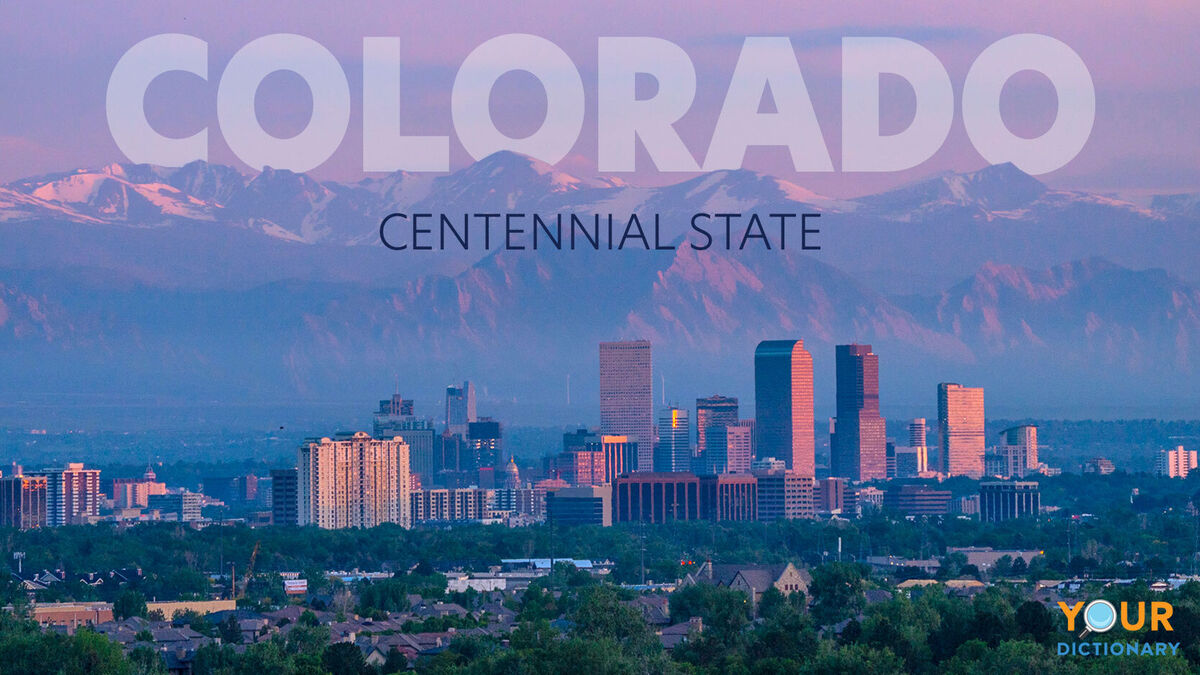
Colorado’s moniker, “The Centennial State,” is far more than a quaint nickname; it’s a direct reflection of the state’s foundational moment and its enduring historical significance within the fabric of the United States. This designation points to a pivotal event in its history: its admission to the Union in 1876, precisely one hundred years after the signing of the Declaration of Independence. This timing was not a mere coincidence but a deliberate and celebrated milestone that cemented Colorado’s identity as a state forged in the spirit of American independence and expansion.
A State Born of Gold and Grit
The story of Colorado’s statehood is intricately woven with the allure of mineral wealth and the relentless spirit of exploration and settlement. The discovery of gold in the mid-19th century acted as a powerful magnet, drawing prospectors and adventurers from across the nation and the globe. This influx of people transformed scattered mining camps into burgeoning communities, setting the stage for a demand for organized governance and statehood.
The Pikes Peak Gold Rush
The most significant catalyst was the Pikes Peak Gold Rush of 1859. This era saw tens of thousands of individuals flock to the Rocky Mountains in search of fortune. While many left disappointed, the persistent desire for wealth and the establishment of permanent settlements laid the groundwork for political organization. The chaotic nature of early mining camps, often lacking law and order, highlighted the need for a stable governmental structure, and statehood was seen as the ultimate solution.
From Territory to Statehood
Before becoming a state, Colorado existed as a U.S. territory. The Territory of Colorado was organized in 1861, but the path to full statehood was not immediate. There were several attempts and rejections, often due to political maneuvering and concerns about the territory’s population and economic stability. However, the centennial of the United States provided a powerful impetus. As the nation geared up to celebrate its 100th anniversary, admitting new states that embodied the nation’s founding ideals became a priority for Congress. Colorado, with its growing population and established presence, was a prime candidate. President Ulysses S. Grant signed the proclamation admitting Colorado as the 38th state on August 1, 1876.
The Symbolism of the Centennial
The choice of “The Centennial State” as Colorado’s official nickname was a profound statement. It linked the state’s birth directly to the birth of the nation, symbolizing a continuation of the American experiment and a commitment to its foundational principles. This connection provided a sense of historical weight and national belonging to the newly formed state.
A Declaration of Identity
By adopting this title, Colorado declared its readiness to join the union not just as a geographical entity but as a fully realized partner in the American journey. It suggested that the state’s development and aspirations were aligned with the grand narrative of the United States, celebrating a shared history and a common future. The centennial year represented a period of national pride and reflection, and Colorado’s admission served as a celebratory addition to this monumental occasion.
Enduring Legacy in Landmarks and Lore
The legacy of this centennial status is reflected not only in its name but also in the state’s cultural identity and its appreciation for history. Many landmarks and institutions across Colorado often reference the centennial year in their names or founding dates, serving as constant reminders of this pivotal moment.
Historical Sites and Monuments
From historic mining towns like Central City and Black Hawk to museums dedicated to the state’s pioneering past, there are numerous sites that explore the journey to statehood. The preservation of these areas allows visitors to step back in time and understand the challenges and triumphs faced by early Coloradans.
Cultural Narratives

The story of the Centennial State is a cornerstone of Colorado’s cultural narrative. It speaks to themes of opportunity, resilience, and the spirit of building a new life in a challenging yet rewarding landscape. This narrative continues to resonate with both long-time residents and new arrivals, shaping the collective identity of the state.
Beyond the Nickname: Colorado’s Enduring Appeal
While the “Centennial State” moniker anchors Colorado to its historical roots, the state’s enduring appeal extends far beyond its founding year. Its breathtaking natural beauty, vibrant culture, and burgeoning economy continue to draw people to its unique landscapes.
Natural Wonders That Inspire
Colorado is synonymous with awe-inspiring natural beauty. The majestic Rocky Mountains dominate the landscape, offering unparalleled opportunities for outdoor recreation. From the dramatic peaks of Rocky Mountain National Park to the rugged beauty of the San Juan Mountains, the state is a haven for hikers, skiers, climbers, and nature enthusiasts.
The Fourteeners
Colorado is famous for its “Fourteeners” – mountains over 14,000 feet in elevation. These iconic peaks, such as Mount Elbert and Pikes Peak, are not only challenging climbs but also symbols of the state’s rugged grandeur and serve as significant landmarks for both residents and visitors.
National Parks and Forests
Beyond the mountain ranges, Colorado boasts several national parks and vast national forests that protect its diverse ecosystems. Mesa Verde National Park, with its ancient cliff dwellings, offers a glimpse into the lives of early inhabitants, further enriching the state’s historical tapestry.
A Thriving Cultural and Economic Hub
Colorado’s appeal is not solely tied to its natural wonders. The state has evolved into a dynamic hub for innovation, culture, and economic growth. Its cities, particularly Denver, are experiencing significant development, offering a rich array of cultural attractions, culinary experiences, and a robust job market.
Urban Adventures and Arts
Denver, the state capital, offers a vibrant urban experience with world-class museums like the Denver Art Museum, a thriving performing arts scene, and a burgeoning craft brewery and culinary landscape. Other cities like Boulder and Fort Collins also provide unique cultural flavors, blending outdoor access with a progressive, community-oriented spirit.
Economic Dynamism
Colorado’s economy is diverse and robust, attracting talent and investment in sectors ranging from technology and aerospace to bioscience and outdoor recreation. This economic vitality contributes to the state’s modern appeal and its capacity to continue evolving while honoring its past.

Colorado’s Enduring Identity: A Fusion of Past and Present
The designation of Colorado as “The Centennial State” serves as a powerful reminder of its historical foundation, rooted in the nation’s own centennial celebration. This identity, forged in the crucible of gold rushes and the drive for statehood, continues to shape the state’s character. However, Colorado is a state that consistently looks forward, blending its rich historical legacy with a dynamic present and a promising future. Its allure lies in this unique fusion – a place where the echoes of its centennial past resonate amidst the breathtaking vistas and the forward-thinking energy of a modern American state. Visitors and residents alike are drawn to this compelling narrative, one that celebrates both where Colorado came from and the vibrant, expansive journey it continues to undertake.
LifeOutOfTheBox is a participant in the Amazon Services LLC Associates Program, an affiliate advertising program designed to provide a means for sites to earn advertising fees by advertising and linking to Amazon.com. Amazon, the Amazon logo, AmazonSupply, and the AmazonSupply logo are trademarks of Amazon.com, Inc. or its affiliates. As an Amazon Associate we earn affiliate commissions from qualifying purchases.