
The dramatic question of whether a tornado touched down in Colorado today is one that often captures public attention, especially during periods of volatile weather. While the immediate answer can vary minute by minute, understanding the dynamics of severe weather in the Centennial State provides crucial context for residents and visitors alike. Colorado’s unique geographical position, nestled against the Rocky Mountains, creates a fertile ground for a variety of weather phenomena, including thunderstorms that can, under the right conditions, spawn tornadoes.
Understanding Tornado Formation in Colorado
The formation of tornadoes is a complex meteorological process, requiring a specific set of atmospheric ingredients. In Colorado, these conditions are most commonly met during the spring and summer months, typically from April through July. The primary driver is the clash of air masses. Warm, moist air from the Gulf of Mexico often collides with cool, dry air descending from the Rocky Mountains or originating from the Pacific Northwest. This creates instability in the atmosphere, a crucial component for severe thunderstorm development.
The Role of Supercells
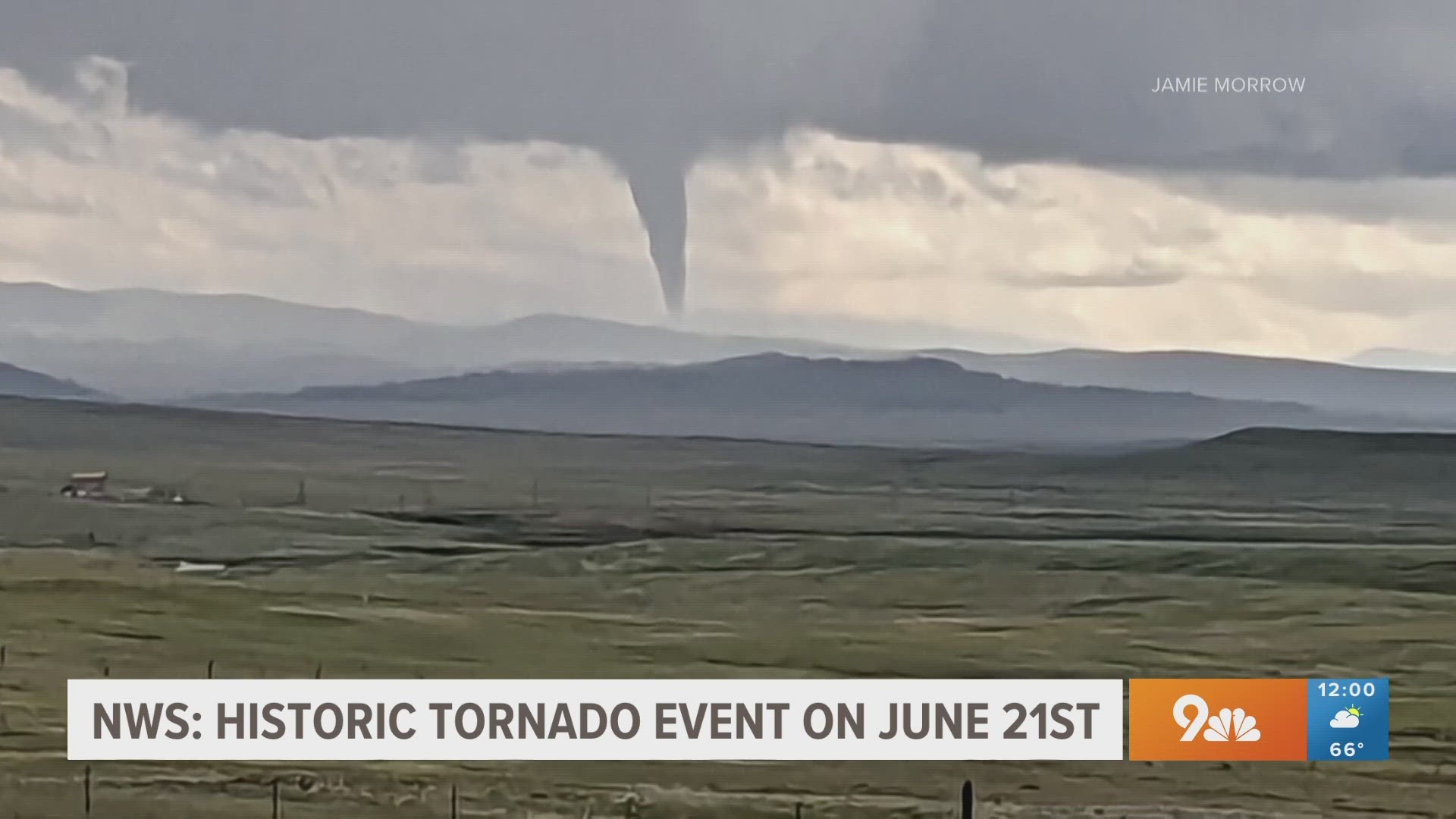
The most significant tornado-producing storms in Colorado are often supercells. These are characterized by a deep, persistently rotating updraft known as a mesocyclone. The presence of strong wind shear – a significant change in wind speed or direction with height – is vital for initiating this rotation. As the supercell develops, this rotation can tighten and extend downwards, potentially forming a funnel cloud. If this funnel cloud makes contact with the ground, it is officially classified as a tornado.
Geographic Predispositions
While tornadoes can occur anywhere in Colorado, certain areas are statistically more prone to them. The eastern plains, often referred to as “Tornado Alley” in the context of the broader Great Plains region, experience a higher frequency of these events. Towns like Denver, Aurora, and communities further east in counties such as Adams, Weld, and Larimer have historically seen tornado activity. The lack of significant terrain obstruction on the plains allows storm systems to develop and organize more freely.
Monitoring and Warning Systems
Keeping abreast of potential tornado activity is paramount for safety. The National Weather Service (NWS) plays a critical role in monitoring atmospheric conditions and issuing timely warnings. Meteorologists utilize a sophisticated network of Doppler radar, weather satellites, and surface observations to detect signs of developing severe weather.
Doppler Radar and Its Significance
Doppler radar is indispensable in tornado detection. It measures not only the intensity of precipitation but also the velocity of wind within storms. By detecting rotation within a thunderstorm cloud, meteorologists can identify the presence of a mesocyclone, a precursor to tornado formation. Velocity signatures, such as “hook echoes” and “couplets” on radar displays, provide critical evidence for issuing tornado warnings.
Tornado Watches vs. Tornado Warnings
It’s essential to differentiate between a Tornado Watch and a Tornado Warning.
- Tornado Watch: Issued by the NWS when conditions are favorable for the development of tornadoes in and near the watch area. This means a tornado is possible, and people should remain alert and have a plan in place. A watch often covers a large area and can last for several hours.
- Tornado Warning: Issued when a tornado has been sighted by spotters or indicated by the NWS radar. A warning means a tornado is imminent or occurring, and immediate action is required to seek shelter. Warnings are typically issued for smaller, more specific areas and have shorter durations.

Safety Measures During Tornado Threats
When a tornado threat is present in Colorado, swift and decisive action is crucial. Understanding the appropriate safety protocols can significantly mitigate risks.
Seeking Shelter
The most critical safety measure is to seek appropriate shelter.
- In a house or building: Go to the lowest level of the building, such as a basement or storm cellar. If a basement is not available, go to an interior room on the lowest floor, away from windows and doors. Mobile homes and vehicles are extremely unsafe during a tornado.
- In a public place: Follow the instructions of facility staff. Many public buildings have designated storm shelters.
- Outdoors: If caught outdoors with no immediate shelter, lie down in a ditch or other low-lying area and cover your head with your arms. Be aware of potential flying debris.
Preparing Your Home
Preparing your home in advance can make a significant difference.
- Have an emergency kit: Include water, non-perishable food, a first-aid kit, a flashlight, batteries, and a battery-powered or hand-crank radio.
- Know your community’s warning system: Understand how weather alerts are communicated in your area, whether through sirens, emergency alerts on your phone, or local media.
- Secure outdoor objects: Loose items like patio furniture or trampolines can become dangerous projectiles in high winds.
Recent Tornado Activity and Historical Context
To answer definitively “Did a tornado hit Colorado today?” requires real-time monitoring of weather information. However, a look at historical tornado data provides valuable insight into the patterns and likelihood of such events. Colorado experiences an average of around 50-60 tornadoes per year, though this number can fluctuate significantly from year to year.
Notable Tornado Events
Colorado has experienced several notable tornado outbreaks throughout its history. For instance, the Limon area has been a frequent site of tornado touchdowns. The “Outbreak of May 19, 1997” saw numerous tornadoes across eastern Colorado, including a powerful F3 tornado that caused significant damage near Deer Trail. More recently, severe weather events in the Denver metropolitan area have also produced tornadoes and significant hail, impacting urban and suburban communities.
The Impact of Climate Change
The potential influence of climate change on tornado activity in Colorado is an area of ongoing scientific research. Some studies suggest that while the total number of tornadoes might not drastically change, the frequency of severe tornado outbreaks could increase due to more volatile atmospheric conditions. Warmer temperatures can lead to increased atmospheric moisture, providing more fuel for thunderstorms, while changes in wind patterns could also play a role.

Staying Informed and Prepared
In conclusion, while the specific answer to whether a tornado hit Colorado today depends on current meteorological conditions, understanding the science behind tornado formation, the role of warning systems, and implementing robust safety measures are vital for everyone living in or visiting the state. Reliable sources of information include the National Weather Service’s local forecast office, reputable local news outlets that report on weather, and official emergency management agency websites. By staying informed and prepared, residents can better navigate the dynamic and often awe-inspiring weather of the Centennial State.
LifeOutOfTheBox is a participant in the Amazon Services LLC Associates Program, an affiliate advertising program designed to provide a means for sites to earn advertising fees by advertising and linking to Amazon.com. Amazon, the Amazon logo, AmazonSupply, and the AmazonSupply logo are trademarks of Amazon.com, Inc. or its affiliates. As an Amazon Associate we earn affiliate commissions from qualifying purchases.