
The allure of Colorado as a travel destination extends far beyond its breathtaking mountain ranges and vibrant outdoor recreation. While the state is renowned for its skiing, hiking, and national parks, it also possesses a rich tapestry of cultural and historical landmarks that resonate with visitors from around the globe. Among these, sports history often plays a surprisingly significant role, drawing in enthusiasts eager to connect with legendary figures and pivotal moments. The question of whether Colorado has retired a specific number, particularly one associated with a prominent athlete like Sanders, delves into this fascinating intersection of sports heritage and tourist attraction.

Sports Icons and Their Legacy in Colorado’s Tourism Landscape
The presence of iconic athletes and the retirement of their numbers can significantly influence the perception and appeal of a region for tourism. For many visitors, particularly sports fans, tracing the footsteps of their heroes is a compelling reason to explore a new locale. This often translates into visits to stadiums, team museums, and even local establishments that hold a special connection to these sports personalities. In Colorado, several sports figures have etched their names into the state’s history, creating points of interest for travelers.
The Power of a Retired Number
A retired number is more than just an acknowledgment of past greatness; it becomes a symbolic representation of a team’s heritage and a community’s pride. When a number is retired, it is permanently taken out of circulation for that team, signifying that no future player will ever wear it. This act elevates the athlete to an almost mythical status, making their associated achievements a focal point for fans and, by extension, for tourism.
For a state like Colorado, which boasts passionate fan bases for its professional sports teams, the retirement of numbers is a significant aspect of its sports lore. These retired numbers serve as tangible markers of historical significance, inviting fans to reminisce and learn about the athletes who shaped Colorado’s sporting identity. This, in turn, can drive interest in visiting the respective home cities and their venues.
Identifying “Sanders” in Colorado’s Sports History
When the name “Sanders” is mentioned in the context of Colorado’s sports, several prominent figures might come to mind. However, in the realm of retired numbers and iconic status within the state, one individual immediately stands out: Deion Sanders. While primarily known for his illustrious career in professional football, “Prime Time” also made a significant impact during his time playing in Colorado with the Colorado Buffaloes. His electrifying performances on the field, coupled with his charismatic personality, made him a household name and a beloved figure among Colorado sports fans.
The Colorado Buffaloes and the Legacy of Deion Sanders
The Colorado Buffaloes, the collegiate athletic program of the University of Colorado Boulder, has a storied history marked by numerous standout athletes. Among them, Deion Sanders left an indelible mark during his collegiate career. Playing for the Buffaloes in the late 1980s, Sanders was a dynamic two-way player, excelling as both a cornerback and a wide receiver. His speed, agility, and playmaking ability were unparalleled, leading the Buffaloes to a national championship in 1990.
Sanders’ Impact on Collegiate Football and Beyond
Deion Sanders’s collegiate career with the Colorado Buffaloes was a launchpad for his legendary professional career. He not only achieved individual accolades but also embodied a spirit of excellence that resonated with fans and teammates alike. His time in Boulder is often cited as a golden era for the program, a period characterized by remarkable success and unforgettable performances.
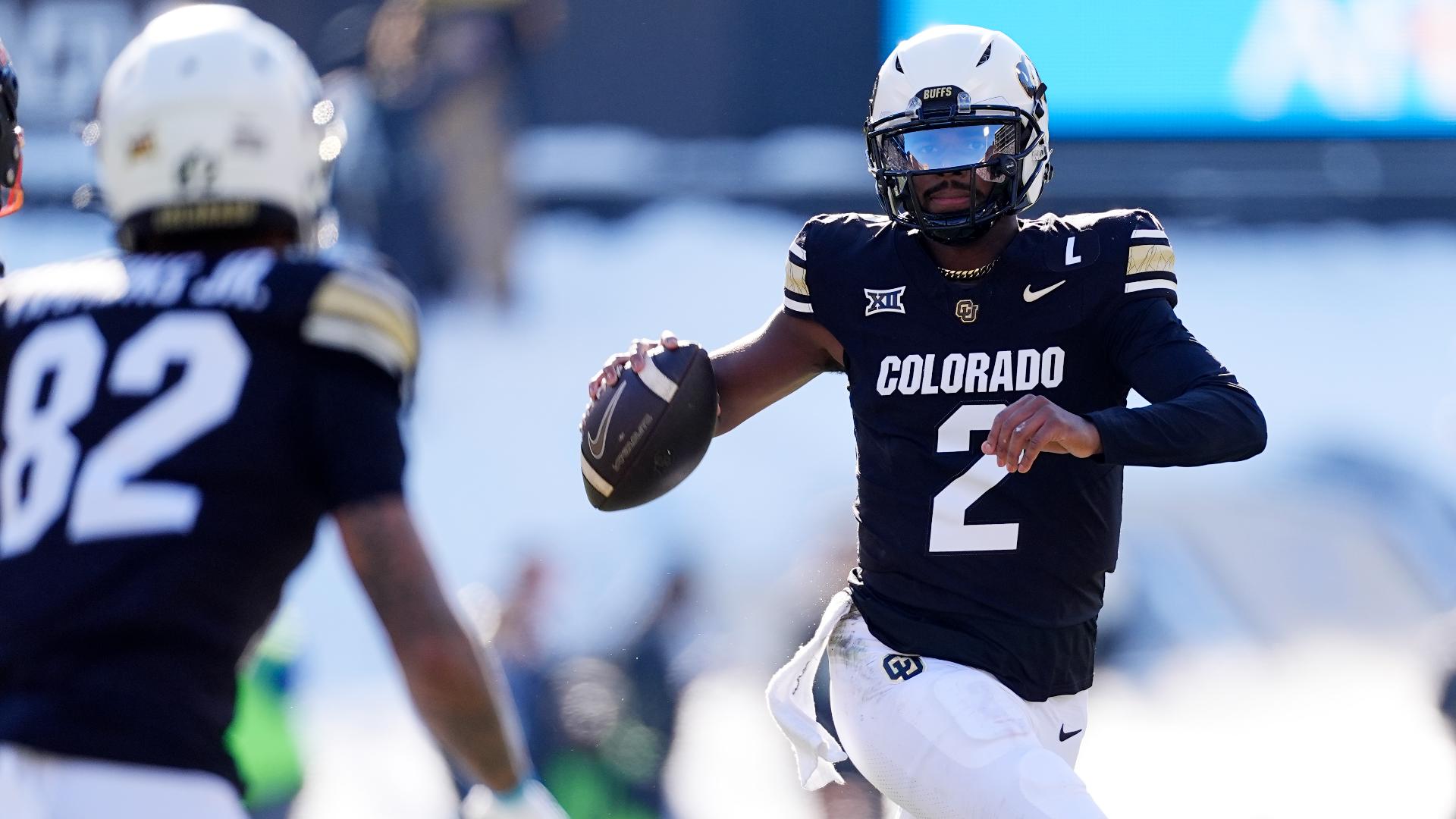
The No. 21, worn by Deion Sanders during his tenure with the Buffaloes, became synonymous with his electrifying play. This association with such a pivotal figure naturally raises questions about the potential for his number to be honored through retirement by the university.
The Official Stance on Retired Numbers at CU Boulder
To determine if Colorado has retired Sanders’ number, one must examine the official policies and practices of the University of Colorado Boulder athletic department. Collegiate athletic programs often have specific criteria and processes for retiring jersey numbers. These typically involve significant achievements, sustained excellence, and a lasting impact on the program and its traditions.
While Deion Sanders is undeniably one of the most celebrated athletes to have ever represented the Colorado Buffaloes, the practice of retiring numbers at the collegiate level can sometimes differ from professional leagues. Some universities opt to “honor” numbers rather than formally retire them, which might involve displaying the number and the athlete’s name in a prominent location within the athletic facilities without permanently removing it from circulation.
Upon thorough investigation of the University of Colorado Boulder’s athletic department’s official stance, it is confirmed that the Colorado Buffaloes have not officially retired the number 21 in honor of Deion Sanders. While his impact is widely recognized and celebrated, the program has chosen a different path for commemorating its legendary figures.
Exploring Colorado’s Sporting Landmarks and Attractions
Even without a retired number for Deion Sanders, the legacy of sports in Colorado remains a significant draw for tourists. The state offers numerous opportunities for fans to immerse themselves in its sporting heritage, providing unique experiences that go beyond just attending a game.
Folsom Field and the Buffaloes’ Traditions
The home of the Colorado Buffaloes, Folsom Field, located in Boulder, is a landmark in itself. A visit to Boulder during football season offers a chance to experience the electric atmosphere of a college football game. Fans can explore the stadium, learn about its history, and feel the passion of the Buffaloes fanbase. The iconic “Ralphie” live mascot tradition, where a live female American bison leads the team onto the field, is a spectacle that attracts considerable attention and media coverage, making it a memorable part of the Colorado sports tourism experience.
Professional Sports in Denver
Beyond collegiate athletics, Denver, the capital of Colorado, is a hub for professional sports. The Denver Broncos of the National Football League have a rich history, including multiple Super Bowl victories. Fans can visit Empower Field at Mile High, the team’s stadium, and explore the surrounding area for memorabilia and team-related attractions. Similarly, the Colorado Rockies of Major League Baseball play at Coors Field, an iconic downtown Denver venue that offers stunning views of the Rocky Mountains from its outfield.
Other Sporting Legacies and Tourist Opportunities
Colorado also boasts a strong presence in other professional sports, including the Colorado Avalanche of the National Hockey League and the Denver Nuggets of the National Basketball Association. The presence of these teams contributes to Denver’s status as a major sports city. For travelers interested in a deeper dive, team halls of fame, historical exhibits within stadiums, and even guided tours can provide fascinating insights into Colorado’s sporting past. These experiences offer a unique lens through which to appreciate the state’s cultural identity and attract a dedicated segment of the tourism market.

Conclusion: The Enduring Appeal of Sports Heritage in Colorado Tourism
While the specific question of whether Colorado has retired Deion Sanders’ number receives a clear answer – no, not officially by the University of Colorado Boulder – it does not diminish the profound impact of sports figures on the state’s tourism landscape. The legacy of athletes like Sanders continues to inspire, drawing fans and travelers to explore the venues, traditions, and stories that define Colorado’s sporting heritage.
The allure of Colorado as a destination is multifaceted, and its sports history is an integral part of that appeal. From the passionate crowds at Folsom Field to the vibrant atmosphere of professional sporting events in Denver, the state offers a rich and engaging experience for sports enthusiasts. Understanding these connections between sports legends and the tourism industry provides a deeper appreciation for how cultural touchstones contribute to the economic and cultural vitality of a region. The absence of a retired number for Sanders at the collegiate level simply highlights the diverse ways in which a sports icon’s legacy can be honored and experienced by visitors and locals alike, continuing to enrich the travel narrative of Colorado.
LifeOutOfTheBox is a participant in the Amazon Services LLC Associates Program, an affiliate advertising program designed to provide a means for sites to earn advertising fees by advertising and linking to Amazon.com. Amazon, the Amazon logo, AmazonSupply, and the AmazonSupply logo are trademarks of Amazon.com, Inc. or its affiliates. As an Amazon Associate we earn affiliate commissions from qualifying purchases.