
The allure of the Japanese umbrella pine, Sciadopitys verticillata, extends far beyond its native shores, captivating gardeners and landscape architects worldwide with its unique form and evergreen elegance. This ancient conifer, a living fossil with a lineage stretching back to the Jurassic period, offers a striking architectural element to any garden design. Its whorled needles, resembling an umbrella’s spokes, create a distinctive texture and silhouette, especially when planted as a specimen tree. In the diverse climate of Connecticut, where the distinct seasons can challenge even the most robust flora, understanding the disease resistance of such a prized ornamental is paramount for successful cultivation and long-term garden enjoyment.
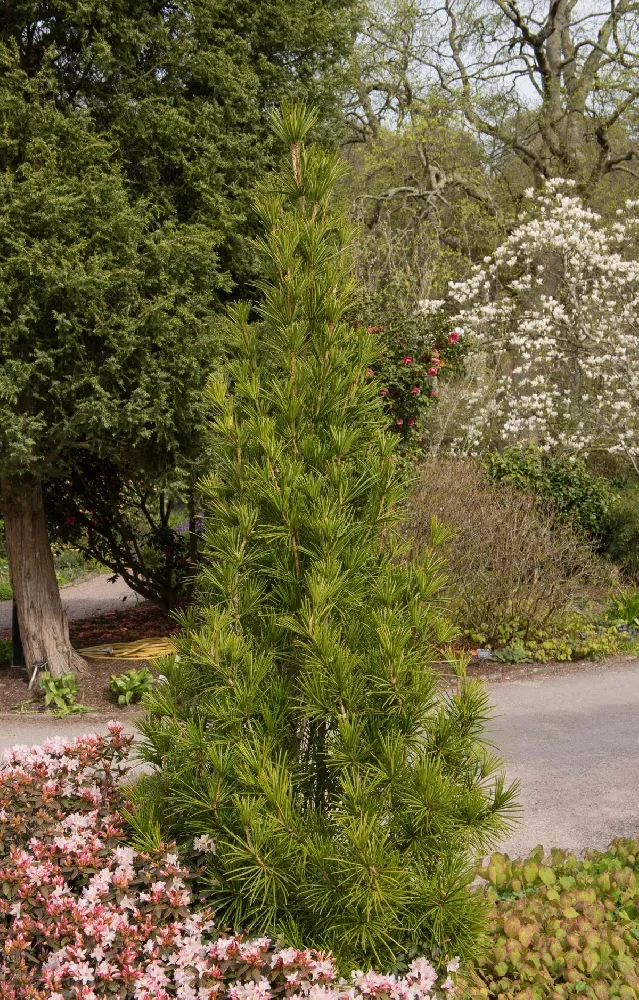
The question of disease resistance for Sciadopitys verticillata in Connecticut is a nuanced one, influenced by several factors including environmental conditions, specific soil types, and the presence of local pathogens. While generally considered a robust and relatively pest-free tree, no plant is entirely immune to potential threats. For horticulturalists and homeowners in the region, a proactive approach to understanding these vulnerabilities can prevent future disappointment and ensure the longevity of these magnificent specimens. This exploration delves into the known disease challenges, environmental stressors, and best practices for cultivating healthy Japanese umbrella pines in the New England climate.
Understanding the Japanese Umbrella Pine’s Resilience
The Japanese umbrella pine (Sciadopitys verticillata) hails from the mountainous regions of Japan, specifically the islands of Honshu, Shikoku, and Kyushu. Its native habitat typically features humid summers and cold, snowy winters, conditions that share some similarities with those experienced in Connecticut. This evolutionary history suggests a natural predisposition to tolerate a range of climatic fluctuations.
Historical Context and Evolutionary Advantages
As a monotypic genus, Sciadopitys stands alone, a testament to its unique evolutionary path. Its fossil record indicates a much wider distribution in prehistoric times, suggesting it has weathered significant environmental changes over millennia. This deep evolutionary history has likely equipped it with inherent strengths, including a certain degree of resistance to common environmental stresses and opportunistic pathogens. Unlike many other conifers that are susceptible to a host of fungal diseases and insect pests, the Japanese umbrella pine has historically exhibited fewer widespread vulnerabilities. This resilience is a key factor in its appeal as a landscape specimen, promising a lower maintenance profile once established.
Growth Habits and Environmental Preferences
Sciadopitys verticillata is a slow-growing tree, which, paradoxically, can contribute to its hardiness. Slower growth often translates to denser wood and more resilient tissues, less prone to rapid infection or damage. The tree thrives in well-drained, acidic to neutral soil and prefers full sun to partial shade. In Connecticut, understanding its specific needs regarding soil pH and moisture retention is crucial. Waterlogged conditions, particularly during the warmer months, can create an environment conducive to root rot, a common issue for many woody plants. Conversely, extreme drought can stress the tree, making it more susceptible to secondary infections or pest attacks.
Notable Resistance Traits
One of the most frequently cited aspects of the Japanese umbrella pine’s appeal is its remarkable resistance to deer browsing, a significant concern for many gardeners in Connecticut and other areas where deer populations are high. The unique texture and chemical composition of its needles are generally unappealing to these herbivores. Furthermore, it is often observed to be resistant to many common conifer diseases like needle cast and various blights that can affect species such as pines, spruces, and firs. This inherent resistance reduces the need for chemical treatments and contributes to a more sustainable and ecologically friendly garden.
Potential Disease and Pest Concerns in [Connecticut]
Despite its generally robust nature, the Japanese umbrella pine is not entirely impervious to disease or pest issues, especially when subjected to suboptimal growing conditions or exposed to novel pathogens. Awareness of potential threats allows for early detection and intervention.
Fungal Diseases: Root Rot and Needle Blight
The most significant threat to Sciadopitys verticillata in many regions, including potentially Connecticut, is root rot. This is typically caused by species of Phytophthora or Armillaria fungi, which thrive in poorly drained, waterlogged soils. Symptoms of root rot include wilting, yellowing of needles, stunted growth, and eventual dieback. The dense foliage of the Japanese umbrella pine can sometimes mask early signs of stress, making vigilant observation of soil moisture levels critical.
While less common, needle blights can also affect Sciadopitys. These fungal diseases, such as those caused by Cercospora or Septoria species, typically manifest as browning or spotting of the needles. Often, needle blights are exacerbated by excessive humidity, poor air circulation, or stress from drought or winter injury. In the humid summers of Connecticut, conditions can sometimes favor the development of such issues if adequate air movement is not present around the tree.
Insect Pests: Scale Insects and Spider Mites
Although Japanese umbrella pines are less prone to insect infestations than many other conifers, they are not entirely immune. Scale insects, particularly pine needle scale (Phenacaspis pinifoliae), can sometimes colonize the needles, appearing as small, white or grey bumps. Heavy infestations can lead to needle yellowing and reduced vigor. Similarly, spider mites can become a problem during hot, dry periods, causing a stippled appearance on the needles and fine webbing. These pests are often more prevalent on stressed trees.
Environmental Stressors and Their Impact

Beyond direct disease and pest attacks, environmental factors in Connecticut can create stress that compromises the tree’s overall health, making it more vulnerable.
- Winter Injury: While hardy, young trees or those planted in exposed locations can suffer from winter desiccation or branch dieback due to harsh winds and fluctuating temperatures common in New England. The evergreen nature of the needles means they are susceptible to drying out when the ground is frozen and water uptake is impossible.
- Soil Compaction and Poor Drainage: As mentioned, poor drainage is a significant risk factor for root rot. In urban or suburban settings, soil compaction from construction or foot traffic can severely impede water and air penetration to the roots.
- Sunlight and Water Extremes: While generally preferring full sun, prolonged periods of intense heat and drought, especially if coupled with inadequate watering, can stress the tree. Conversely, planting in overly shaded areas can lead to weaker growth and increased susceptibility to certain fungal issues due to reduced air circulation.
Cultivation and Management Strategies for [Connecticut] Gardens
Successfully growing Japanese umbrella pines in Connecticut relies on understanding its specific needs and implementing proactive management strategies to mitigate potential risks.
Site Selection and Soil Preparation
The cornerstone of a healthy Japanese umbrella pine is proper site selection. Choose a location with well-drained soil. If the native soil is heavy clay or prone to waterlogging, amending it with organic matter such as compost can significantly improve drainage. Creating raised beds or planting on a slight slope can also help ensure water does not pool around the root collar. The ideal soil pH is slightly acidic to neutral (6.0-7.0). Soil testing before planting is a wise step. Providing adequate space for growth is also important; while slow-growing, these trees can eventually reach substantial sizes.
Watering and Mulching Practices
Consistent moisture is key, especially during the establishment phase of a young tree. Water deeply and regularly, allowing the soil to dry slightly between waterings. Once established, the tree is more drought-tolerant, but prolonged dry spells should be addressed with supplemental watering.
Mulching is an invaluable practice for Japanese umbrella pines. Apply a 2-3 inch layer of organic mulch, such as wood chips or shredded bark, around the base of the tree, extending out to the drip line. Mulch helps retain soil moisture, suppress weeds, regulate soil temperature, and gradually improves soil structure as it decomposes. Crucially, keep the mulch a few inches away from the trunk to prevent moisture buildup against the bark, which can lead to rot and pest issues.
Pruning and Maintenance
Japanese umbrella pines generally require minimal pruning. The natural form of the tree is highly attractive. Pruning should be limited to removing dead, damaged, or crossing branches. If shaping is desired, it should be done judiciously and with an understanding of the tree’s growth habit. Pruning is best performed in late winter or early spring before new growth begins. Avoid heavy pruning during hot, dry periods, which can add unnecessary stress.
Regular inspection of the tree for any signs of distress, unusual leaf discoloration, or pest activity is recommended. Early detection of issues allows for prompt intervention, often with less invasive methods than would be required for more advanced problems. For instance, minor scale infestations can sometimes be managed with a strong spray of water or insecticidal soap.
Choosing Healthy Specimens
When purchasing a Japanese umbrella pine from a nursery in Connecticut or elsewhere, select a healthy-looking specimen. Look for vibrant green foliage, a well-formed canopy, and no signs of disease or insect damage. Ensure the root ball is healthy and that the tree has not been root-bound in its container. A strong, healthy start is fundamental to the tree’s long-term resistance and adaptability to its new environment.
Long-Term Outlook and Ecological Value
The Japanese umbrella pine’s inherent resistance, coupled with mindful cultivation practices, suggests that it is indeed a viable and relatively disease-resistant ornamental for Connecticut. Its adaptability to varying light conditions and its striking aesthetic make it a valuable addition to a wide range of landscape designs, from formal gardens to more naturalistic settings.
A Resilient Specimen for Enduring Landscapes
The slow growth rate and enduring nature of Sciadopitys verticillata make it an excellent choice for creating long-lasting garden features. Unlike faster-growing trees that may require frequent maintenance or are prone to early decline, the Japanese umbrella pine offers a stable and stately presence. Its resistance to deer, combined with its relative freedom from common conifer diseases, contributes to a lower maintenance requirement, freeing up time for other garden pursuits. As climate patterns shift, the historical resilience of this species may prove even more advantageous.

Contribution to Biodiversity and Garden Aesthetics
Beyond its own horticultural merits, the Japanese umbrella pine can contribute positively to the local ecosystem. While its needles are not a primary food source for many wildlife, its dense foliage can offer shelter for birds and other small creatures. Its unique texture and form provide visual interest throughout the year, enhancing the aesthetic appeal of any landscape. It serves as a living link to the ancient past, offering a sense of timelessness and natural wonder within the manicured or wilder spaces of Connecticut. For those seeking an ornamental tree that combines unique beauty with a strong capacity for resilience, the Japanese umbrella pine stands out as an exceptional choice.
LifeOutOfTheBox is a participant in the Amazon Services LLC Associates Program, an affiliate advertising program designed to provide a means for sites to earn advertising fees by advertising and linking to Amazon.com. Amazon, the Amazon logo, AmazonSupply, and the AmazonSupply logo are trademarks of Amazon.com, Inc. or its affiliates. As an Amazon Associate we earn affiliate commissions from qualifying purchases.