
Navigating the process of filing for unemployment benefits in Connecticut can seem daunting, especially during times of economic uncertainty or personal transition. The Connecticut Department of Labor (CTDOL) administers the unemployment insurance (UI) program, aiming to provide temporary financial assistance to individuals who have lost their jobs through no fault of their own. This guide offers a comprehensive overview of how to file, understand eligibility, and manage your claim effectively within the state.
Understanding Unemployment Insurance in Connecticut
Unemployment Insurance is a social insurance program funded by employers’ contributions. It provides benefits to workers who are unemployed through no fault of their own, are able and available to work, and are actively seeking work. Understanding the core principles and requirements of the program is the first step towards a successful claim.
Eligibility Requirements
To be eligible for unemployment benefits in Connecticut, you must meet several criteria:
- Monetary Eligibility: You must have earned a minimum amount of wages during your “base period,” which is typically the first four of the last five completed calendar quarters before you file your claim. The CTDOL uses this to determine if you qualify for benefits and the weekly benefit amount you will receive.
- Separation from Employment: You must have lost your job through no fault of your own. This generally includes layoffs due to lack of work, company downsizing, or closure. Quitting without good cause or being fired for misconduct can disqualify you from receiving benefits.
- Able and Available for Work: You must be physically able to work, available for work, and actively seeking suitable employment. This means you are not incapacitated by illness or injury and are ready to accept a job offer.
- Actively Seeking Work: You are required to actively search for new employment each week you claim benefits. The CTDOL has specific requirements for what constitutes an adequate job search, which may include applying for jobs, attending job fairs, or participating in reemployment services.
The Base Period Explained
The base period is a crucial component of determining your eligibility and benefit amount. The CTDOL looks at your earnings during specific quarters to assess your eligibility.
- Standard Base Period: This covers the first four completed calendar quarters prior to the start of your claim. For example, if you file a claim in January 2024, your standard base period would be October 1, 2022, through September 30, 2023.
- Alternate Base Period: If you do not meet the monetary requirements under the standard base period, the CTDOL may use an alternate base period. This covers the four most recently completed calendar quarters prior to the start of your claim. Using the same January 2024 claim example, the alternate base period would be April 1, 2023, through March 31, 2024.
The CTDOL will automatically determine which base period is most advantageous for you.
Filing Your Unemployment Claim in Connecticut
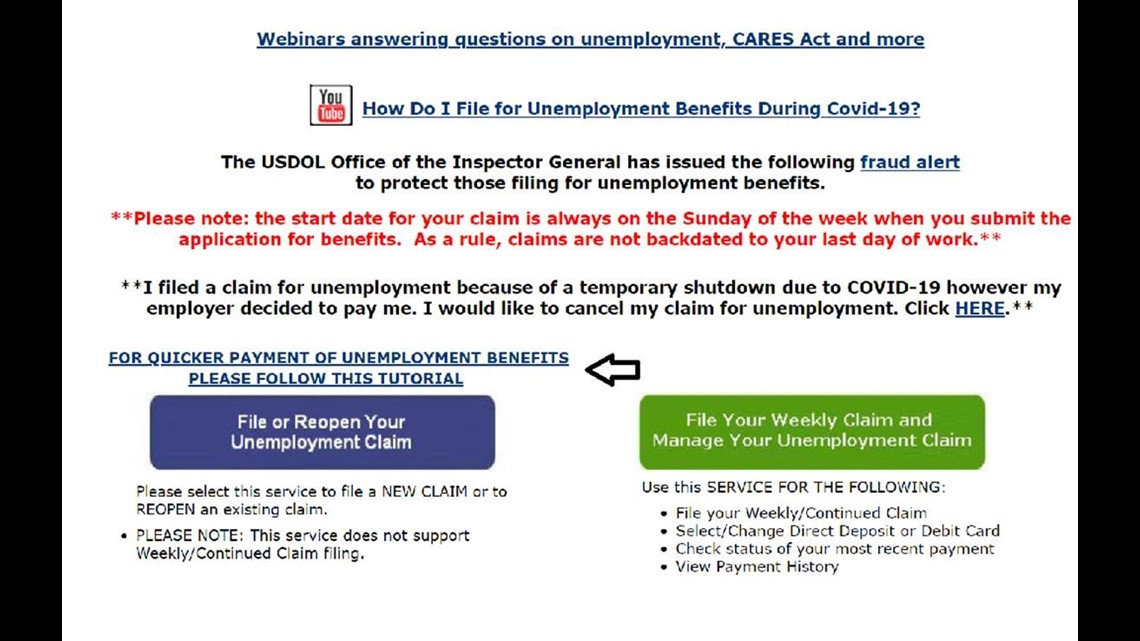
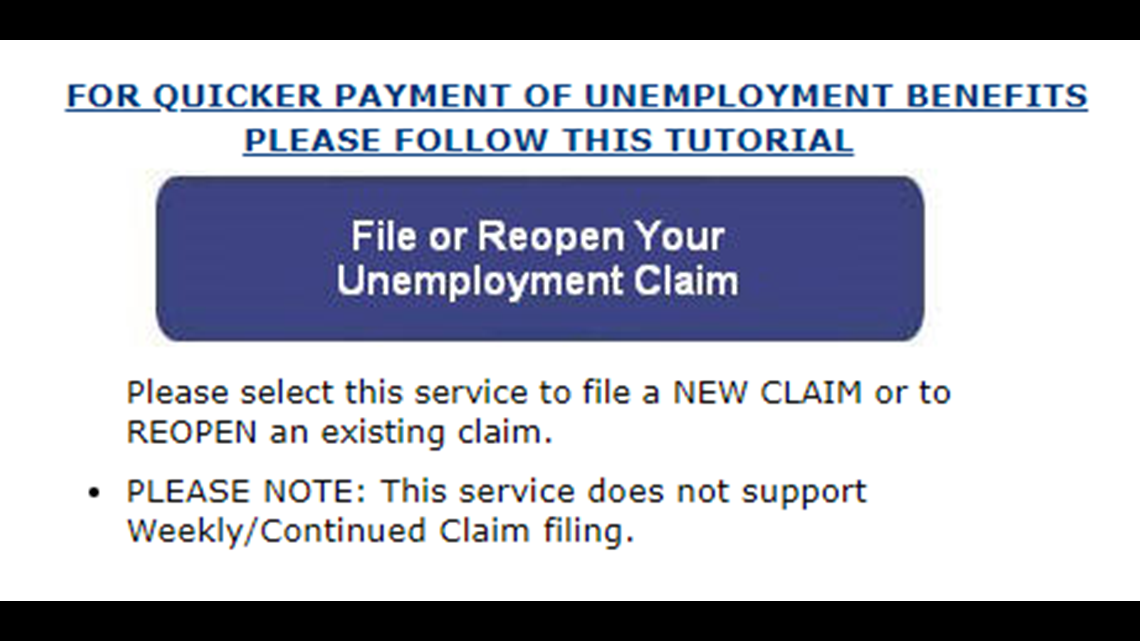
The most efficient and recommended method for filing an unemployment claim in Connecticut is online. The CTDOL offers a user-friendly portal designed to guide you through the process.
Step-by-Step Online Filing
-
Gather Necessary Information: Before you begin, ensure you have the following information readily available:
- Your Social Security number.
- Your mailing address and phone number.
- Your employment history for the last 18 months, including names, addresses, and phone numbers of all employers, and the dates you worked for each.
- Your reason for leaving each employer.
- If you were in the military, your DD Form 214.
- If you were a federal employee, your SF-8 and SF-50 forms.
- Bank account and routing numbers for direct deposit, if you choose that option for receiving payments.
-
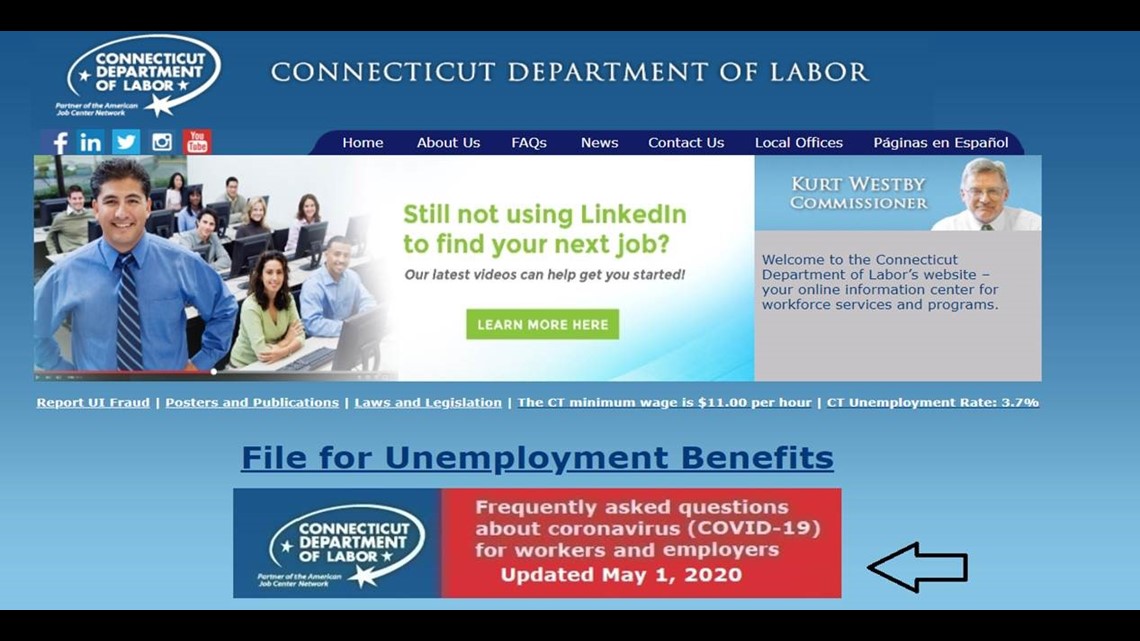
Access the CTDOL Website: Navigate to the official Connecticut Department of Labor website. Look for the section dedicated to unemployment insurance or filing a claim.
-
Create an Account or Log In: You will likely need to create a new account or log in to an existing one if you have filed previously. Follow the on-screen prompts to set up your secure login credentials.
-
Complete the Application: The online application will ask for detailed information about your personal history, work history, and the circumstances of your unemployment. Be truthful and accurate in all your responses. Inaccurate information can delay your claim or lead to disqualification.
-
Submit Your Claim: Once you have completed all sections of the application, review it carefully for any errors before submitting. You will receive a confirmation once your claim has been successfully filed.
Alternative Filing Methods
While online filing is preferred, the CTDOL may offer alternative methods for those who cannot access the internet or require assistance. This typically includes phone filing.
- Phone Filing: You can contact the CTDOL’s claimant services line. Be prepared for potentially longer wait times, especially during peak periods. The telephone number is usually found on the CTDOL website.
Managing Your Unemployment Claim
Filing your initial claim is just the beginning. To continue receiving benefits, you must actively manage your claim throughout your period of unemployment.
Weekly Certifications
Once your claim is approved, you must “certify” your claim each week to receive benefits. This is done to confirm that you remain unemployed, able and available for work, and have met your job search requirements for that specific week.
- Online Certification: The most common method for weekly certification is through the CTDOL’s online portal. You will be prompted to answer a series of questions about your work search activities, any earnings you may have had, and your availability for work.
- Timing is Crucial: You must certify for each week by the deadline specified by the CTDOL. Failing to certify on time will result in the loss of benefits for that week.
Job Search Requirements
As mentioned, actively searching for suitable employment is a mandatory requirement for receiving unemployment benefits. The CTDOL has specific expectations for what constitutes an adequate job search.
- CTHires.com: The state’s official job matching and reemployment services portal, CTHires.com, is a primary resource. You are generally required to register on CTHires.com and actively use its services.
- Documentation: Keep detailed records of all your job search activities. This includes dates, names of employers contacted, contact methods (phone, email, in-person), job titles applied for, and any responses received. The CTDOL may request this documentation at any time to verify your efforts.
- Suitable Work: You are expected to accept offers of “suitable work.” Suitability is determined by factors such as your skills, experience, wages, and the working conditions offered.
Reporting Earnings and Other Changes
It is imperative that you report any earnings you receive during the weeks you are claiming benefits. This includes part-time work, temporary jobs, or self-employment income, even if it is a small amount.
- Partial Benefits: If you earn less than your weekly benefit amount, you may still be eligible for partial unemployment benefits. However, all earnings must be reported accurately.
- Other Changes: You must also report any other significant changes in your circumstances, such as refusing a job offer, becoming unable to work, or returning to full-time employment. Failure to report these changes can lead to penalties, overpayments, and disqualification from future benefits.
Appeals and Dispute Resolution
If your claim for unemployment benefits is denied, or if you disagree with a decision made by the CTDOL, you have the right to appeal.
Understanding the Decision
Read any denial notice carefully. It will explain the reason for the denial and outline your appeal rights, including deadlines for filing an appeal.
The Appeals Process
- Filing an Appeal: To appeal a decision, you must typically submit a written appeal within a specified timeframe, usually 10 to 30 days from the date of the decision letter. The CTDOL website will provide instructions on how and where to submit your appeal.
- The Hearing: An appeal usually involves a hearing before a referee or administrative law judge. You will have the opportunity to present your case, provide evidence, and call witnesses. The employer will also have the opportunity to present their case.
- Subsequent Appeals: If you are not satisfied with the decision made after the initial hearing, there may be further levels of appeal within the Connecticut court system.
It is important to present your case clearly and provide all relevant documentation during the appeals process.
Resources and Support
The Connecticut Department of Labor provides various resources and services to assist unemployment claimants.
Reemployment Services
The CTDOL offers a range of reemployment services designed to help you find new employment more quickly. These services can include:
- Career Counseling: Professional guidance on career choices, resume writing, and interview skills.
- Job Search Workshops: Training on effective job search strategies and networking.
- Skills Assessment: Tools to identify your transferable skills and potential career paths.
- Training Programs: Information and referrals to vocational training and educational programs.
Contacting the CTDOL
If you have questions or encounter issues with your claim, it is essential to contact the Connecticut Department of Labor directly. The CTDOL website is the primary source for contact information, including phone numbers for claimant services and addresses for correspondence.
Navigating the unemployment system requires diligence and attention to detail. By understanding the requirements, filing accurately, managing your claim proactively, and utilizing available resources, you can effectively secure the financial support you need while you work towards your next employment opportunity in Connecticut.
LifeOutOfTheBox is a participant in the Amazon Services LLC Associates Program, an affiliate advertising program designed to provide a means for sites to earn advertising fees by advertising and linking to Amazon.com. Amazon, the Amazon logo, AmazonSupply, and the AmazonSupply logo are trademarks of Amazon.com, Inc. or its affiliates. As an Amazon Associate we earn affiliate commissions from qualifying purchases.