
Navigating the administrative landscape of a new state can often feel like charting unknown territory. For those establishing residency in the Nutmeg State, securing a Connecticut State ID is a fundamental step. This official identification document serves a multitude of purposes, from proving your identity for official transactions to facilitating access to various state services and even acting as a gateway to exploring the rich tapestry of Connecticut‘s attractions. While the process is straightforward, understanding the requirements and steps involved ensures a smooth and efficient experience, allowing you to focus on what truly matters: experiencing all that Connecticut has to offer.

Understanding the Connecticut State ID
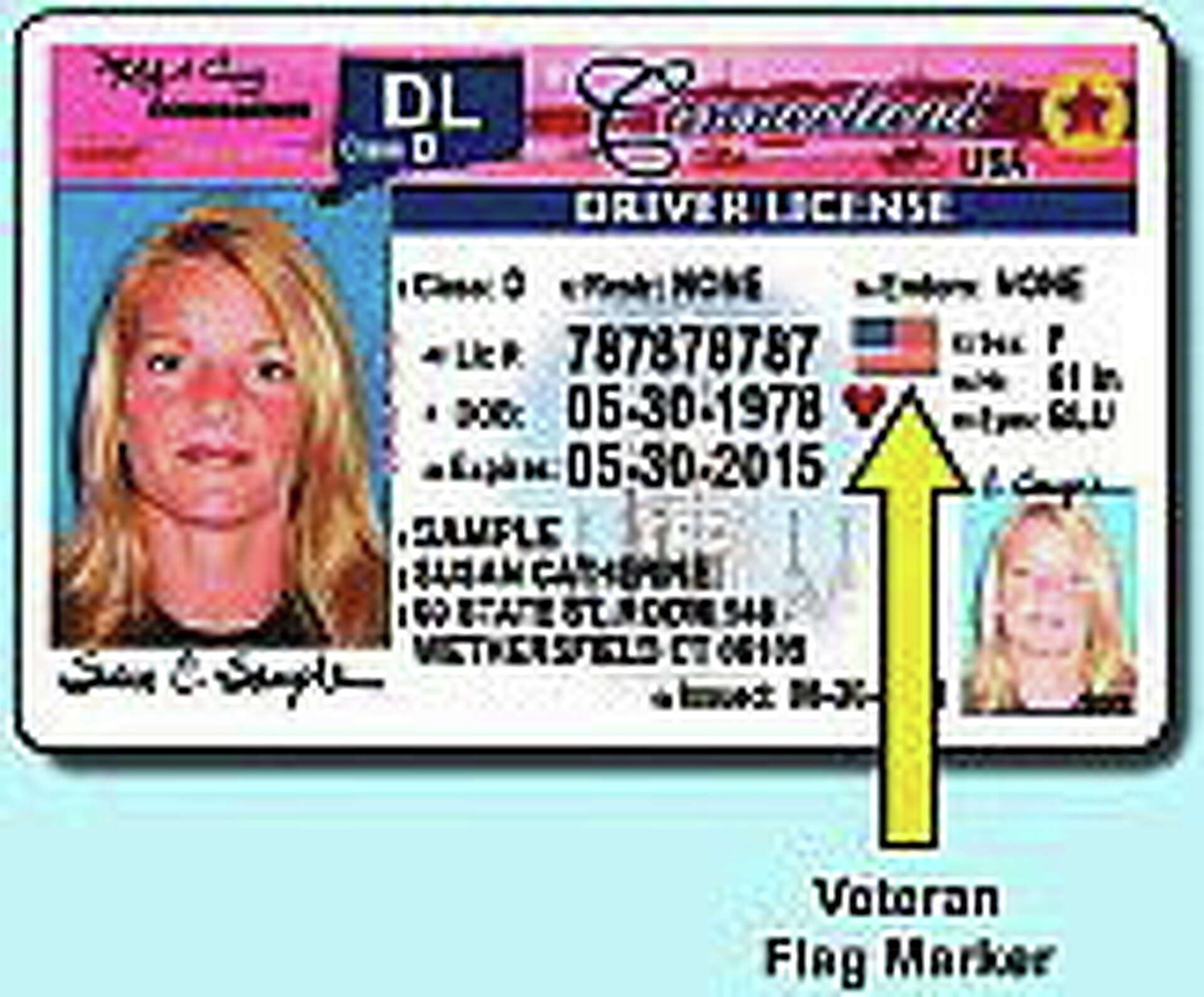
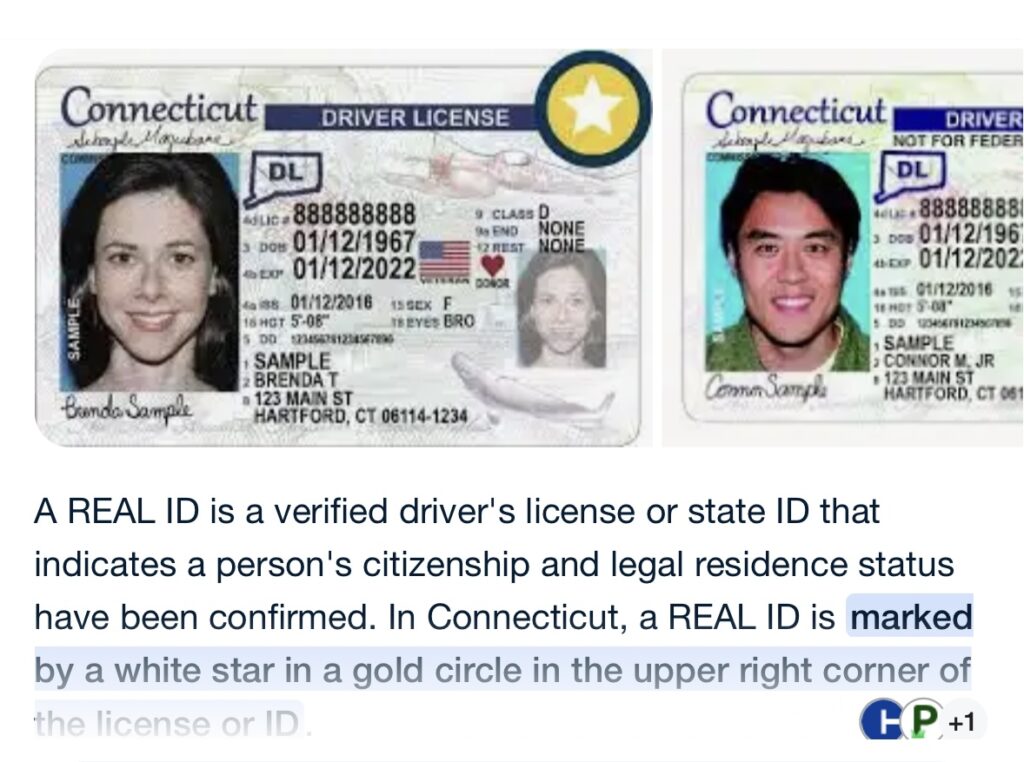
A Connecticut State ID, officially known as a “State Identification Card,” is a non-driver identification card issued by the Connecticut Department of Motor Vehicles (DMV). It is a vital piece of documentation for individuals who do not possess a driver’s license but require a reliable form of photo identification. Its utility extends far beyond mere identification; it is often a prerequisite for activities integral to settling into and enjoying the state.
Purpose and Significance
The primary function of a Connecticut State ID is to verify your identity. This is crucial for a wide array of daily activities, including:
- Banking: Opening new accounts, accessing existing ones, and conducting financial transactions often require a government-issued photo ID.
- Employment: Many employers will request a State ID as part of their hiring process for verification purposes.
- Healthcare: Accessing medical services and picking up prescriptions can necessitate identification.
- Government Services: Interacting with various state agencies, such as the Department of Social Services or the Department of Labor, will likely require proof of identity.
- Age Verification: For activities where age is a factor, such as purchasing age-restricted items or entering certain venues, a State ID serves as definitive proof.
- Travel: While not a substitute for a passport for international travel, a State ID can be useful for domestic air travel boarding, especially when paired with other documentation. It’s also essential for many local activities and can be a key to unlocking experiences within Connecticut, from visiting museums like the Mystic Seaport Museum to enjoying the vibrant atmosphere of New Haven.
- Voting: In Connecticut, a State ID can be used as a valid form of identification for voting in elections, ensuring your participation in the democratic process.
Eligibility Requirements
To be eligible for a Connecticut State ID, you must meet certain criteria established by the DMV. These are designed to ensure that the identification issued is legitimate and serves its intended purpose.
- Residency: You must be a resident of Connecticut. This means you generally live in the state and intend to make it your primary residence. Proof of residency will be required.
- Age: While there isn’t a minimum age requirement to obtain a State ID, it is generally intended for individuals who need identification for adult-oriented activities. Minors can obtain IDs, but parental consent may be necessary.
- Identification: You must be able to prove your identity. This involves presenting specific documents that verify who you are.
- Legal Presence: You must be legally present in the United States.
Preparing Your Documentation: The Key to a Smooth Application
The most critical aspect of obtaining your Connecticut State ID is gathering the correct documentation. The DMV requires specific proofs of identity, residency, and legal presence. Missing even one document can result in a delayed application or a requirement to return with the necessary paperwork. It’s advisable to collect these items well in advance of your appointment or visit.
Proof of Identity
You will need to present documents that unequivocally prove your identity. The DMV typically requires at least one primary document. Acceptable primary documents include:
- Original Birth Certificate: A certified copy issued by the vital records office of the state or territory where you were born.
- Valid U.S. Passport: An unexpired passport issued by the United States Department of State.
- Naturalization Certificate: Form N-550, N-570, or N-578.
- Certificate of Citizenship: Form N-560 or N-561.
- Permanent Resident Card (Green Card): Form I-551.
If you do not have a primary document, a combination of secondary documents may be accepted, but it is always best to aim for a primary document for maximum efficiency.
Proof of Residency
Demonstrating that you reside in Connecticut is another crucial step. You will typically need to provide at least two documents, each from a different source, showing your Connecticut address. Accepted forms of proof of residency include:
- Utility Bills: Recent bills (within 60 days) from providers of electricity, gas, water, or cable services that list your name and Connecticut address.
- Lease Agreement or Mortgage Statement: A current lease agreement or a recent mortgage statement for a property in Connecticut.
- Bank Statements: Recent bank statements (within 60 days) from a Connecticut financial institution.
- Pay Stubs: Recent pay stubs that clearly display your name and Connecticut address.
- Official Mail from Government Agencies: Mail from federal, state, or local government agencies that show your name and Connecticut address.
- Property Tax Bill: A recent property tax bill for a residence in Connecticut.
Ensure that the name and address on these documents precisely match your application information.
Proof of Legal Presence
For applicants who are not U.S. citizens, proof of legal presence in the United States is required. This typically involves documents such as:
- Employment Authorization Document (EAD) Card: Form I-766.
- Foreign Passport with Visa: An unexpired foreign passport accompanied by a valid U.S. visa and an I-94 Arrival/Departure Record.
- Other Immigration Documents: Various other documents issued by U.S. Citizenship and Immigration Services (USCIS) or other immigration authorities may be accepted.
It is essential to consult the official Connecticut DMV website for the most up-to-date and comprehensive list of acceptable documents, as regulations can change.
The Application Process: Step-by-Step
Once you have meticulously gathered all necessary documentation, the next phase is to navigate the application process itself. This involves scheduling an appointment, visiting a DMV service center, and completing the necessary forms.
Scheduling an Appointment
While some DMV offices may accept walk-ins, scheduling an appointment is highly recommended. This significantly reduces wait times and ensures you are seen promptly. Appointments can typically be made online through the official Connecticut DMV website. Choose a service center that is convenient for you, whether it’s near your residence in Hartford or closer to a cultural hub like Mystic.
Visiting the DMV Service Center
On the day of your appointment, arrive a few minutes early. You will be asked to present your collected documents to a DMV representative for verification. They will review your paperwork to ensure it meets all requirements.
Completing the Application Form
You will be provided with an application form for the State Identification Card. This form will request personal information such as your name, address, date of birth, and other identifying details. Fill out the form accurately and legibly. It is crucial to ensure that all information provided matches the documentation you have submitted.
Taking a Photo and Paying the Fee
As part of the application process, a photograph will be taken of you. This photo will appear on your State ID card. Ensure your appearance is neat and professional for the photo.
There is a fee associated with obtaining a State Identification Card. The exact amount can vary, so it’s best to check the current fee schedule on the Connecticut DMV website. Payment methods accepted typically include cash, check, and major credit cards.
Receiving Your ID
After your application is processed, approved, and payment is made, you will typically receive your Connecticut State ID card by mail within a few weeks. In some cases, a temporary identification may be issued on the spot. It is essential to keep your ID in a safe place and to update it if your address or other personal information changes.
Tips for a Seamless Experience
To make your journey to obtaining a Connecticut State ID as smooth as possible, consider these practical tips:
- Visit the Official Website: The Connecticut DMV website is the most reliable source for up-to-date information on requirements, fees, and appointment scheduling. Bookmark it for easy reference.
- Organize Your Documents: Keep all your original documents and photocopies neatly organized in a folder. This will prevent any confusion or misplacement during your visit.
- Check Document Validity: Ensure that all your documents, especially passports and any time-sensitive immigration papers, are current and have not expired.
- Be Prepared for Questions: DMV staff may ask clarifying questions about your documentation or residency. Be ready to provide clear and concise answers.
- Consider Specific Needs: If you have any special circumstances, such as a name change or a previous identification issued under a different name, be sure to bring supporting legal documents (e.g., marriage certificate, court order).
- Explore Beyond the DMV: Once your identification is secured, you are better equipped to fully immerse yourself in the state. Plan visits to iconic locations like the Mark Twain House & Museum in Hartford, enjoy the coastal charm of Mystic, or delve into the academic atmosphere of New Haven. A State ID can also be useful for securing lodging at charming inns or resorts across the state, contributing to a more authentic Connecticut experience.
By understanding the requirements and following these steps diligently, obtaining a Connecticut State ID will become a manageable task, paving the way for your smooth integration into the state and allowing you to fully embrace its many offerings.
LifeOutOfTheBox is a participant in the Amazon Services LLC Associates Program, an affiliate advertising program designed to provide a means for sites to earn advertising fees by advertising and linking to Amazon.com. Amazon, the Amazon logo, AmazonSupply, and the AmazonSupply logo are trademarks of Amazon.com, Inc. or its affiliates. As an Amazon Associate we earn affiliate commissions from qualifying purchases.