
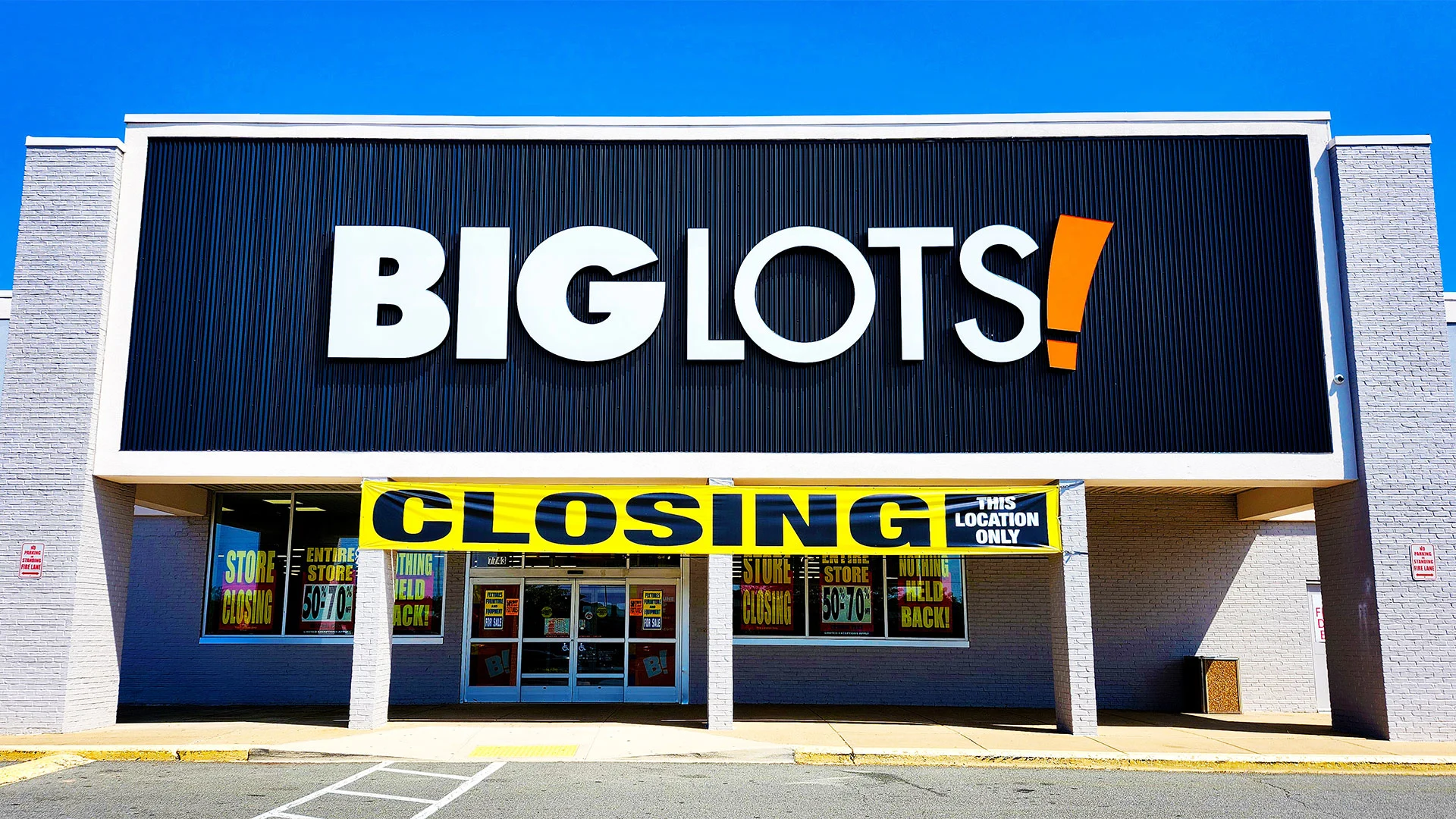
The retail landscape is in constant flux, and for residents of Connecticut, this often translates to shifts in familiar shopping destinations. The discount retailer Big Lots has been a staple in many communities, offering a wide array of home goods, furniture, and everyday necessities at competitive prices. However, like many brick-and-mortar businesses, Big Lots has experienced its share of strategic adjustments, leading to store closures across the country. This article delves into the specific Big Lots locations in Connecticut that are slated to close their doors in 2024, exploring the potential impact on local commerce and consumer access.

The decision to close a retail store is multifaceted, often stemming from a combination of economic factors, evolving consumer shopping habits, and broader corporate restructuring. For Big Lots, these closures can represent an effort to optimize their store portfolio, focusing resources on more profitable locations or investing in new market strategies. Understanding which stores are affected is crucial for consumers who rely on these outlets for their shopping needs and for local economies that benefit from the jobs and tax revenue these businesses provide.
Understanding the Retail Climate in Connecticut
The retail sector in Connecticut, as elsewhere, is navigating a dynamic period. The rise of e-commerce has profoundly reshaped how consumers shop, with online purchases becoming increasingly convenient and accessible. This has put pressure on traditional brick-and-mortar stores to adapt, offering unique in-store experiences or focusing on niche product offerings to remain competitive. Additionally, inflationary pressures and shifting consumer spending priorities can impact the profitability of retail operations.
Factors Influencing Store Closures
Several key factors contribute to the decision-making process behind retail store closures. These often include:
- Lease Expirations and Rent Costs: When leases come up for renewal, retailers reassess the financial viability of continuing operations at a particular location. Escalating rent costs can make a store unprofitable, especially if sales volumes do not justify the overhead.
- Sales Performance and Profitability: Stores that consistently underperform or become unprofitable are prime candidates for closure. Retailers analyze sales data, customer foot traffic, and operational expenses to make these determinations.
- Market Saturation and Competition: In areas with a high concentration of similar retailers, competition can be fierce. If a Big Lots store faces significant competition from other discount retailers, big-box stores, or even specialty shops, its ability to capture market share and remain profitable can be hampered.
- Shifting Consumer Demographics and Behavior: As communities evolve, so do consumer needs and shopping preferences. Retailers must adapt to these changes, and if a store’s location no longer aligns with its target demographic or if consumer behavior shifts away from its product offerings, it may become unsustainable.
- Corporate Strategy and Portfolio Optimization: Large retail chains often conduct regular reviews of their store portfolios. This can involve consolidating operations, divesting from underperforming markets, or reallocating capital to invest in growth areas, which may necessitate closing certain locations.
- E-commerce Impact: The continued growth of online retail presents a significant challenge to brick-and-mortar stores. Consumers can often find a wider selection and competitive pricing online, leading to a decline in in-store traffic for some retailers.
Big Lots Store Closures in Connecticut for 2024
While Big Lots has not released a comprehensive, state-by-state list of all planned closures for 2024, reports and local news often highlight specific locations. It is important to note that the retail environment is dynamic, and official announcements from Big Lots should be considered the definitive source of information. However, based on industry trends and available information, certain Connecticut locations have been identified as potentially closing or having already closed in 2024.
Identified Closing Locations and Their Impact
As of the latest available information, the following Big Lots locations in Connecticut have been reported as closing in 2024:
Southbury, Connecticut
The Big Lots store located in Southbury, Connecticut, has been a fixture in the community for many years. Its closure represents a loss of a convenient shopping option for residents seeking affordable home goods, seasonal décor, and groceries. This particular store served a demographic that valued its accessible pricing and wide product selection, ranging from furniture and mattresses to toys and pet supplies. The impact of its closure extends beyond just consumer convenience; it also means the loss of local employment opportunities and a contribution to the town’s economic activity. For residents of Southbury and surrounding areas, finding comparable value and variety may require traveling to different towns, potentially increasing travel time and expenses. The void left by this closure might also affect other businesses in the vicinity that benefited from the foot traffic generated by the Big Lots store.
Waterbury, Connecticut
Another Big Lots location reportedly closing in 2024 is situated in Waterbury, Connecticut. Waterbury, a city with a diverse population, has relied on retailers like Big Lots for budget-friendly shopping options. The closure of this store will likely have a notable impact on lower-income households and individuals seeking to stretch their budgets. The availability of everyday essentials, affordable clothing, and home furnishings at Big Lots made it a valuable resource. Its absence may force residents to seek out alternative retailers, which may not offer the same price points or product mix. Furthermore, the economic implications for the immediate area around the Waterbury store, including potential effects on neighboring businesses and employment, are significant considerations.

Other Potential Closures and Considerations
While these are the most prominently reported closures, it is prudent for Connecticut residents to remain aware of any further announcements from Big Lots. Retail strategies can evolve rapidly, and other locations might be under review. It is advisable to check the official Big Lots website or local news outlets for the most up-to-date information regarding store status. The company’s investor relations or press release sections are often good places to look for official statements.
Navigating the Changes: Alternative Shopping Options
For consumers affected by these Big Lots closures in Connecticut, understanding alternative shopping avenues is essential. The retail landscape, while seeing some closures, also offers a robust selection of other businesses that can fulfill similar needs.
Exploring Discount Retailers and Department Stores
Several other discount retailers operate within Connecticut that offer a comparable range of products. Stores such as Dollar General, Family Dollar, and Walmart are widespread and provide a variety of affordable goods. For home furnishings and décor, retailers like Target and certain sections of larger department stores might offer alternatives. Thrift stores and consignment shops also present budget-friendly options for clothing and home goods, often with unique finds.
The Rise of Online Shopping
The convenience of online shopping remains a significant factor for many consumers. Platforms like Amazon, Wayfair for home goods, and various online marketplaces offer extensive selections that can often be delivered directly to one’s doorstep. While this requires a shift in shopping habits for those accustomed to in-store browsing, it can provide access to a wider array of products and competitive pricing.
Local Independent Retailers
In some instances, the closure of a larger chain store can present an opportunity for local independent retailers to step in and fill the void. Exploring local shops for specific needs, whether it be for unique gifts, specialty food items, or smaller home furnishings, can not only provide alternative shopping destinations but also support the local economy and foster community connections.
The Broader Implications for Retail and Consumerism
The Big Lots closures in Connecticut are indicative of broader trends impacting the retail industry. The ongoing evolution of consumer behavior, the persistent influence of e-commerce, and the continuous pressure to optimize operational costs are reshaping the physical retail footprint across the nation. For consumers, this means a need for adaptability, a willingness to explore new shopping channels, and a deeper understanding of the factors driving retail change.
Adapting to a Changing Retail Landscape
As retailers continue to adjust their strategies, consumers can expect further shifts in the availability of certain stores and brands. The emphasis on creating engaging in-store experiences, the integration of online and offline shopping (omnichannel retail), and the use of data analytics to better understand customer needs are becoming increasingly critical for retail success. For shoppers, staying informed about these changes and being open to exploring diverse retail options will be key to navigating the evolving marketplace.
The Future of Brick-and-Mortar Retail
While the challenges are undeniable, brick-and-mortar retail is far from obsolete. Stores that can offer a compelling customer experience, unique product assortments, and a strong sense of community are likely to thrive. The future may see a more curated retail environment, with a greater focus on experiential shopping and personalized service. For towns and cities that lose anchor stores like Big Lots, there is an ongoing opportunity to re-evaluate their retail mix and attract businesses that align with the evolving needs and preferences of their residents. The dynamic nature of retail ensures that change is constant, and for Connecticut consumers, staying aware and adaptable will be the most effective approach.
LifeOutOfTheBox is a participant in the Amazon Services LLC Associates Program, an affiliate advertising program designed to provide a means for sites to earn advertising fees by advertising and linking to Amazon.com. Amazon, the Amazon logo, AmazonSupply, and the AmazonSupply logo are trademarks of Amazon.com, Inc. or its affiliates. As an Amazon Associate we earn affiliate commissions from qualifying purchases.