
The official state flower of Connecticut is the Mountain Laurel (Kalmia latifolia). This elegant bloom, with its distinctive star-shaped flowers and glossy evergreen leaves, holds a special place in the state’s natural heritage and cultural identity. Its selection as the state flower in 1907 was not merely an aesthetic choice but a reflection of the plant’s abundance, resilience, and historical significance within the New England landscape. Understanding the Mountain Laurel offers a unique lens through which to appreciate Connecticut’s natural beauty, from its sprawling woodlands to its charming rural towns and the historical narratives woven into its very soil.
The Botanical Beauty of the Mountain Laurel
The Mountain Laurel is a captivating shrub renowned for its striking floral displays. It belongs to the Ericaceae family, which also includes plants like blueberries and azaleas, and is native to eastern North America.
Distinctive Features and Blooming Season
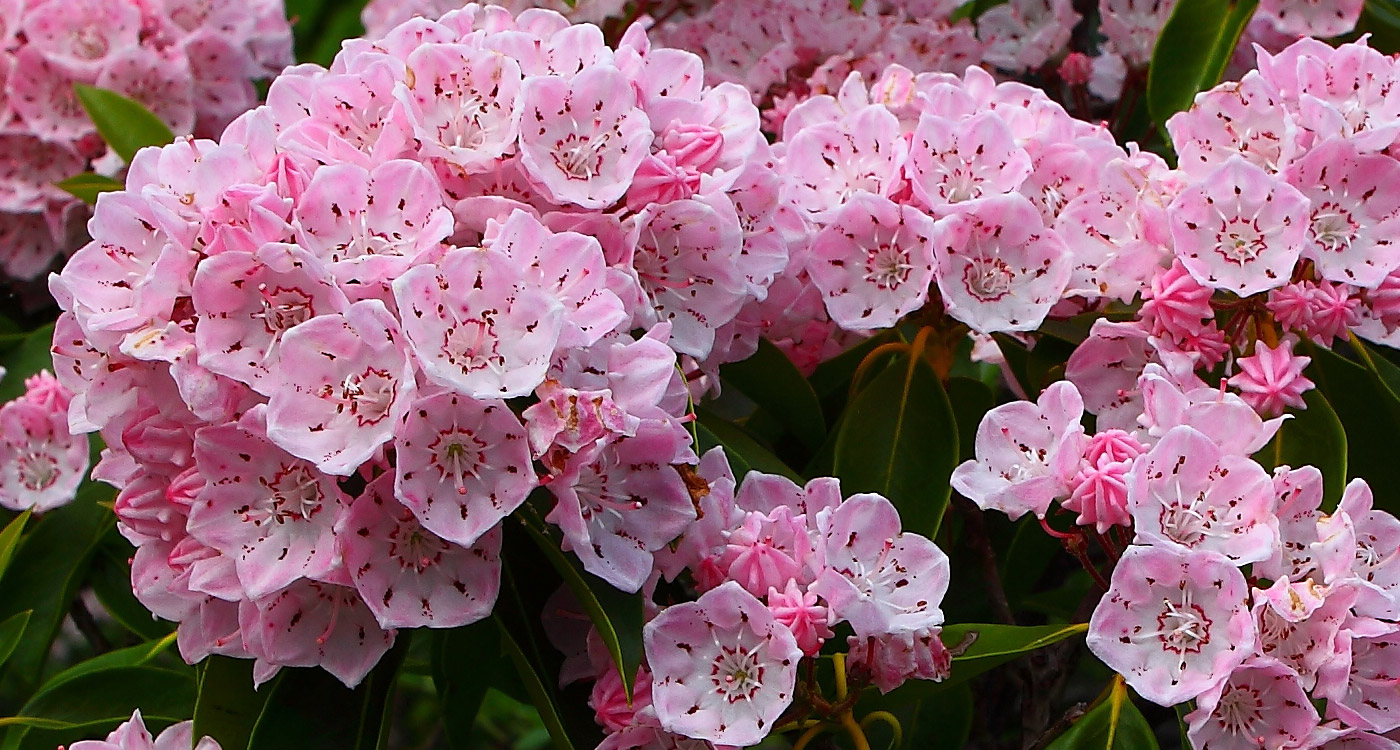
The most recognizable characteristic of the Mountain Laurel is its exquisite flowers. These typically bloom in late spring and early summer, usually from May through June, transforming woodlands and hillsides into a breathtaking spectacle of color. The flowers grow in clusters, or cymes, at the ends of branches. Each individual flower is about one to two inches in diameter and possesses a unique, almost architectural structure. They are typically a delicate pink, sometimes appearing almost white, with darker pink or maroon markings on the petals and prominent stamens. The shape is often described as a star or a shallow cup, with five lobes.
What makes the Mountain Laurel particularly fascinating botanically is its intricate pollination mechanism. The stamens are coiled back in pockets within the flower petals. When an insect, such as a bee or butterfly, lands on the flower to collect nectar, it disturbs the stamens, causing them to spring forward and forcefully deposit pollen onto the insect. This ingenious design ensures efficient pollination and adds another layer of wonder to this already beautiful plant.
Beyond its flowers, the Mountain Laurel boasts glossy, leathery, evergreen leaves that provide year-round visual interest. These leaves are typically arranged in whorls along the stems and can persist for several years, contributing to the plant’s hardiness and its ability to thrive even in challenging conditions. The shrub itself can grow quite large, often reaching heights of 10 to 20 feet, and can spread to form dense thickets, particularly in its preferred habitat.
Habitat and Growing Conditions
The Mountain Laurel thrives in a variety of environments, but it is most commonly found in well-drained, acidic soils. It prefers partial shade and is often found in the understory of deciduous forests, along the edges of woodlands, or on rocky slopes and hillsides. In Connecticut, these conditions are readily met, allowing the Mountain Laurel to flourish across much of the state. Its presence is a hallmark of many natural areas, from state parks and forests to private woodlands and gardens. The plant is remarkably adaptable and can tolerate a range of light conditions, from full sun (though it may flower less profusely) to deep shade. Its evergreen foliage also provides valuable shelter for wildlife during the colder months.
Historical and Cultural Significance in Connecticut
The designation of the Mountain Laurel as Connecticut’s state flower in 1907 was a deliberate act by the state legislature, underscoring its deep connection to the state’s natural landscape and its people. This choice reflects a broader appreciation for native flora and the desire to honor a plant that was, and remains, a ubiquitous and cherished part of the New England environment.
Reasons for its Selection
Several factors likely contributed to the Mountain Laurel’s selection. Its widespread distribution throughout Connecticut made it a familiar sight to most residents. Its hardy nature, thriving in varied conditions from the coastal plains to the more rugged inland terrain, symbolized the resilience of the state itself. Furthermore, the sheer beauty of its blooming season offered a natural spectacle that resonated with the aesthetic sensibilities of the time. The plant’s evergreen nature also lent it a quality of constancy and endurance.
The legislative act that officially recognized the Mountain Laurel as the state flower was House Joint Resolution No. 50, passed in 1907. This resolution formally enshrined the plant’s status, ensuring its representation in official state symbols and encouraging its preservation and appreciation.
Early Encounters and Indigenous Lore
While formal recognition came in the early 20th century, the Mountain Laurel has undoubtedly been a part of the landscape and human experience in the region for millennia. Indigenous peoples of North America, including the various tribes who inhabited the land that is now Connecticut, would have been intimately familiar with Kalmia latifolia. While specific lore directly tied to the Mountain Laurel by these groups is not extensively documented in readily available historical records, it is highly probable that the plant held medicinal or cultural significance. Many native plants were used for their healing properties, and their seasonal cycles were deeply integrated into spiritual beliefs and daily life. The enduring presence and striking beauty of the Mountain Laurel would have naturally made it a notable part of the natural world for these communities.
Mountain Laurel in Art and Literature
The aesthetic appeal of the Mountain Laurel has also inspired artists and writers throughout Connecticut’s history. Its distinctive blossoms and glossy foliage have been depicted in paintings, botanical illustrations, and literary works, often evoking themes of nature’s grandeur, seasonal change, and the pastoral beauty of the New England countryside. The plant’s presence in gardens and natural landscapes has been a recurring motif, contributing to the romantic and picturesque imagery associated with the region. Its iconic status as the state flower further solidifies its place in the cultural tapestry of Connecticut, appearing on state publications, souvenirs, and educational materials.
Exploring Mountain Laurel in Connecticut Today

Discovering the Mountain Laurel in its natural habitat is a rewarding experience for visitors and residents alike, offering a chance to connect with Connecticut’s natural heritage. The state boasts numerous locations where one can witness this magnificent bloom.
Prime Viewing Locations and State Parks
Several Connecticut state parks and forests are renowned for their abundant Mountain Laurel. As the blooming season approaches, these areas become prime destinations for nature enthusiasts.
-
Sleeping Giant State Park in Hamden and Mount Carmel is a popular spot. The park’s namesake “giant” topography, with its steep ravines and rocky outcrops, provides ideal conditions for Mountain Laurel, and hiking trails wind through areas where the shrub thrives. The summit offers panoramic views that, when combined with the blooming laurel, create a truly memorable vista.
-
Pachaug State Forest in the southeastern part of the state, spanning towns like Voluntown and Sterling, is one of the largest state forests and contains extensive areas of mixed hardwood and conifer forest, where Mountain Laurel flourishes in the understory. Exploring its many miles of trails can lead to unexpected and beautiful encounters with the blooming shrub.
-
Mount Riga State Park in Salisbury, in the northwestern corner of the state, offers rugged terrain and significant natural beauty. The higher elevations and acidic soils here are conducive to Mountain Laurel growth, and its blooms can be spectacular against the backdrop of the Berkshire Mountains.
-
Devil’s Hopyard State Park in East Haddam is another excellent location. Its namesake “hopyard” refers to unique geological formations, but the park also features dense woodlands that are home to thriving populations of Mountain Laurel. The park’s cascades and trails offer a picturesque setting for viewing the blooms.
When planning a visit, it’s advisable to check the Connecticut Department of Energy & Environmental Protection (DEEP) website for the most current information on trail conditions and recommended viewing times, as the peak bloom can vary slightly from year to year depending on weather patterns.
Conservation and Cultivation
The Mountain Laurel’s status as a beloved state symbol also extends to efforts in conservation and cultivation. While it is a wild plant, understanding its needs helps in its preservation. In gardening, Kalmia latifolia is a prized ornamental plant, appreciated for its showy flowers and evergreen foliage. It is often incorporated into native plant gardens, woodland gardens, and landscapes seeking a touch of natural elegance.
Horticulturists have developed numerous cultivars of Mountain Laurel, offering a range of flower colors, sizes, and growth habits. These cultivars can be found at nurseries throughout Connecticut and beyond. Successful cultivation typically requires acidic, well-drained soil, protection from harsh afternoon sun, and consistent moisture, especially when the plant is young.
Conservation efforts in Connecticut focus on protecting the natural habitats where Mountain Laurel grows in abundance. This includes maintaining forest health, preventing invasive species from outcompeting native plants, and managing land use to ensure that these ecologically valuable areas are preserved for future generations. The presence of healthy Mountain Laurel populations is often an indicator of a healthy forest ecosystem.
Beyond the Bloom: The Enduring Appeal of Connecticut’s State Flower
The Mountain Laurel is more than just a pretty flower; it is a symbol deeply embedded in the identity and natural heritage of Connecticut. Its story is one of botanical wonder, historical resonance, and ongoing appreciation for the natural world.
A Symbol of Natural Resilience and Beauty
The enduring appeal of the Mountain Laurel lies in its ability to evoke a sense of place and pride. For those living in or visiting Connecticut, the sight of its abundant blooms signals the arrival of summer, a vibrant display that graces the state’s natural landscapes. Its hardy evergreen nature represents resilience, a quality admired in both nature and human endeavor. The intricate details of its flowers and the glossy texture of its leaves speak to the subtle yet profound beauty that can be found in the natural world.
Experiencing Connecticut’s Natural Landscapes
The journey to find and appreciate the Mountain Laurel often leads individuals to explore Connecticut’s diverse and beautiful natural areas. Hiking through state parks, exploring quiet woodlands, or simply observing its presence along country roads provides an opportunity to engage with the state’s natural environment more deeply. This connection to nature is a vital aspect of understanding the appeal of places like Connecticut, fostering an appreciation for its conservation and the unique character it offers.

The Mountain Laurel’s Legacy
As Connecticut’s state flower, the Mountain Laurel serves as a constant reminder of the state’s rich botanical heritage and the importance of preserving its natural resources. Its legacy is woven into the fabric of the state, from its official symbols to its wild hillsides and manicured gardens. Whether admired in its natural habitat or cultivated for its ornamental beauty, the Mountain Laurel continues to capture the imagination and embody the spirit of Connecticut.
LifeOutOfTheBox is a participant in the Amazon Services LLC Associates Program, an affiliate advertising program designed to provide a means for sites to earn advertising fees by advertising and linking to Amazon.com. Amazon, the Amazon logo, AmazonSupply, and the AmazonSupply logo are trademarks of Amazon.com, Inc. or its affiliates. As an Amazon Associate we earn affiliate commissions from qualifying purchases.