
Connecticut, often lauded for its picturesque New England charm and rich historical tapestry, harbors a surprising diversity in its urban landscapes. While many envision quaint villages and colonial towns, the state also boasts dynamic cities that serve as hubs for commerce, culture, and community. Understanding the scale and significance of these urban centers is key to appreciating the full spectrum of what Connecticut has to offer. When considering “largest,” metrics such as population, land area, or economic output can be employed. However, for the purpose of understanding urban centers as living, breathing entities, population size typically takes precedence. By this measure, one city unequivocally stands out as the largest in Connecticut.
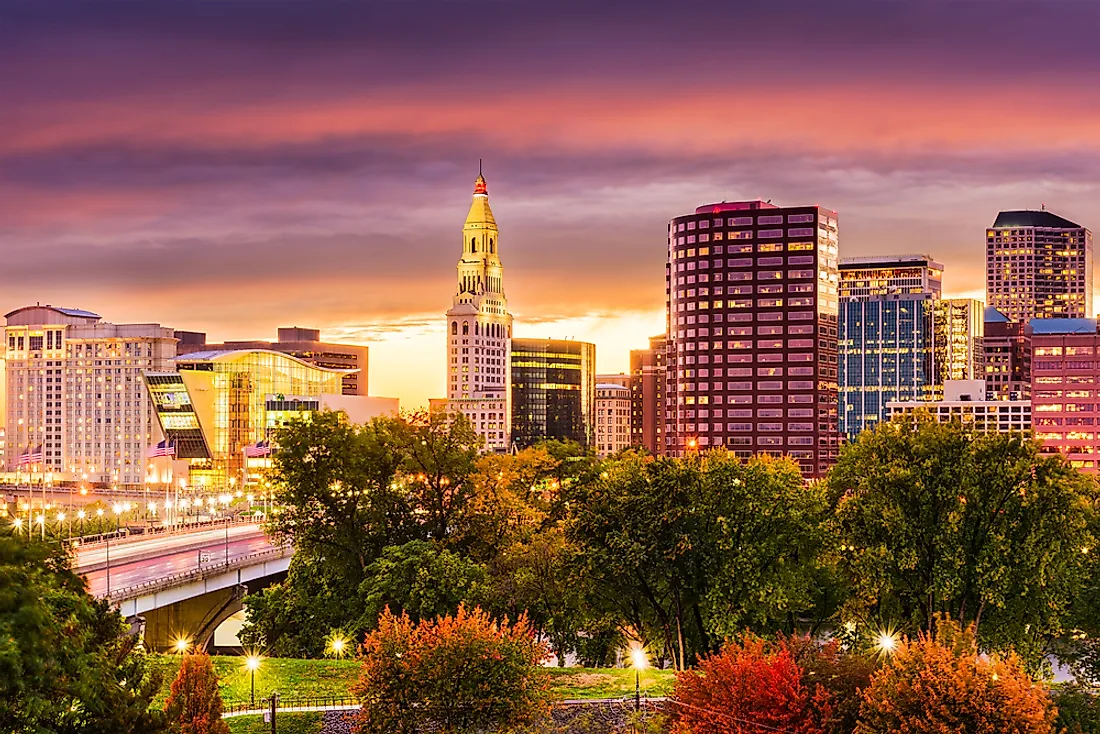
Bridgeport: The Population Powerhouse
Bridgeport, situated on the Long Island Sound, is the most populous city in Connecticut. With a vibrant and diverse population, it serves as a significant economic and cultural anchor for the southwestern part of the state. Its history is deeply intertwined with industrial growth and maritime trade, which shaped its development into the bustling metropolis it is today. The city’s strategic location, coupled with its robust infrastructure, has cemented its status not just as the largest in Connecticut, but also as a key player in the broader Northeastern corridor.
A Look at Bridgeport’s Demographics and Growth
The population of Bridgeport has consistently ranked highest among Connecticut municipalities for decades. This sustained growth is a testament to its economic opportunities, diverse communities, and its role as a residential center for those working in the surrounding metropolitan areas. Understanding the demographic makeup reveals a rich mosaic of ethnicities and cultures, contributing to the city’s unique character and dynamism. The influx of new residents, drawn by its affordability relative to other coastal cities and its burgeoning job market, continues to shape its evolving identity.
Economic Engine of the Region
Bridgeport’s economy has historically been driven by manufacturing and trade, but it has successfully transitioned to a more diversified model. Today, sectors such as healthcare, education, finance, and technology are significant contributors. The presence of major corporations and a strong small business ecosystem provides ample employment opportunities. Its proximity to New York City also positions it as a desirable location for commuters, further boosting its economic vitality. The city’s ongoing revitalization efforts, including downtown development projects and investments in infrastructure, signal a commitment to future growth and prosperity.
Landmarks and Attractions in Bridgeport
While population size defines its status as the largest city, Bridgeport also offers a compelling array of attractions and landmarks that appeal to both residents and visitors. These sites offer insights into its industrial past, its vibrant cultural scene, and its natural beauty.
The Barnum Museum
Named after the legendary showman P.T. Barnum, who served as the city’s mayor, the Barnum Museum is a treasure trove of local history and circuses memorabilia. It preserves the legacy of one of America‘s most famous impresarios and offers a fascinating glimpse into 19th-century life and entertainment. The museum houses artifacts, exhibits, and interactive displays that bring the magic of the circus and Barnum’s innovative spirit to life.
Seaside Park
This expansive urban park, stretching along the Long Island Sound, provides residents and visitors with a vital green space and recreational opportunities. Seaside Park features sandy beaches, playgrounds, walking paths, and sports facilities. It is a popular destination for summer activities, offering stunning waterfront views and a refreshing escape from the urban bustle. The park also hosts various community events and concerts throughout the year, further enhancing its role as a central gathering place.
The Housatonic Museum of Art
Located on the campus of Housatonic Community College, the Housatonic Museum of Art boasts an impressive permanent collection that spans centuries and continents. Its diverse holdings include European and American paintings, sculptures, decorative arts, and a notable collection of African art. The museum also serves an educational purpose, providing students and the wider community with access to world-class artistic experiences.
The Ballpark at Harbor Yard
Once home to the Bridgeport Bluefish minor league baseball team, this stadium has been a focal point for sports and entertainment in the city. While its primary use as a baseball venue has evolved, the stadium continues to be a site for various events, reflecting Bridgeport’s ongoing efforts to provide diverse recreational and cultural outlets for its residents.
Beyond Population: Other Measures of “Largest”

While Bridgeport holds the title for the largest city by population, it is worth acknowledging that other cities in Connecticut excel in different aspects, contributing to the state’s multifaceted character.
Hartford: The State Capital and Economic Hub
Hartford, the state capital, is another significant urban center in Connecticut. While its population is smaller than Bridgeport, Hartford plays a crucial role as the seat of government and a major hub for insurance, finance, and the arts. Its downtown area is characterized by impressive architecture and a rich history, making it a vital component of Connecticut’s identity.
Political and Administrative Center
As the capital, Hartford hosts the Connecticut General Assembly and various state agencies. This concentration of governmental functions makes it a center for political activity and policy-making, influencing the direction of the entire state.
Insurance Industry Capital
Hartford has long been recognized as the “Insurance Capital of the World.” This industry has been a cornerstone of its economy for over a century, with numerous major insurance companies headquartered in the city. This has fostered a highly skilled workforce and a robust financial sector.
Cultural Institutions
Hartford is home to esteemed cultural institutions, including the Wadsworth Atheneum Museum of Art, the oldest public art museum in the United States, and the Bushnell Center for the Performing Arts, a premier venue for theater, music, and dance. These institutions contribute significantly to the cultural vibrancy of the region.
New Haven: A Hub of Academia and Innovation
New Haven, renowned as the home of Yale University, is another prominent city in Connecticut. While it falls behind Bridgeport in population, its influence through its academic institutions, research facilities, and thriving culinary scene is undeniable.
The Prestige of Yale University
Yale University is a global leader in education and research, attracting students and scholars from around the world. Its presence profoundly impacts New Haven, infusing the city with intellectual energy, cultural programming, and economic activity. The university’s stunning Gothic architecture also contributes significantly to the city’s aesthetic appeal.
Culinary Delights
New Haven is famously known as the birthplace of the “New Haven-style” or “apizza” pizza. Restaurants like Frank Pepe Pizzeria Napoletana and Sally’s Apizza are legendary, drawing food enthusiasts from far and wide. This distinct culinary tradition is a significant draw for tourism and a point of local pride.
Research and Development
Beyond academia, New Haven is fostering a growing biotech and research sector, capitalizing on the intellectual capital generated by Yale and other institutions. This focus on innovation positions the city for future economic growth.

Conclusion: Bridgeport Leads the Pack
In summary, when the question of the largest city in Connecticut is posed, the answer, based on population metrics, is unequivocally Bridgeport. Its substantial population, diverse communities, and robust economy distinguish it as the state’s primary urban center. However, the narrative of Connecticut’s largest cities is not solely defined by size. Hartford and New Haven, while smaller in population, exert immense influence through their roles as the state capital, centers of higher education, and hubs of specialized industries. Each city contributes uniquely to the rich and varied tapestry of life in the Constitution State, offering distinct experiences and opportunities for residents and visitors alike.
LifeOutOfTheBox is a participant in the Amazon Services LLC Associates Program, an affiliate advertising program designed to provide a means for sites to earn advertising fees by advertising and linking to Amazon.com. Amazon, the Amazon logo, AmazonSupply, and the AmazonSupply logo are trademarks of Amazon.com, Inc. or its affiliates. As an Amazon Associate we earn affiliate commissions from qualifying purchases.