
The question of when Eversource rate increases will occur in Connecticut is a recurring concern for residents and businesses alike. These adjustments to utility costs can significantly impact household budgets and operational expenses, making proactive understanding crucial. While specific dates for future rate hikes are not always publicly announced far in advance, understanding the regulatory processes, historical patterns, and factors that influence these decisions can provide valuable insight. This article aims to demystify the mechanisms behind Eversource rate adjustments in Connecticut, offering clarity on when and why these changes might be implemented.
Understanding Utility Rate Adjustments in Connecticut
In Connecticut, utility rates, including those for electricity and natural gas provided by Eversource, are not set arbitrarily. They are carefully regulated by the Public Utilities Regulatory Authority (PURA). PURA’s role is to ensure that utility companies can recover their costs of providing safe and reliable service while also protecting consumers from excessive charges. This oversight involves a formal process for any proposed changes to rates, often referred to as rate cases.
The Rate Case Process
A rate case is a complex proceeding initiated by a utility company seeking to adjust its rates. Eversource, as a regulated entity, must file a detailed proposal with PURA outlining the reasons for the requested increase. This proposal typically includes:
- Justification for Costs: Utilities must demonstrate that their operating expenses, capital investments, and other costs are reasonable and necessary to provide service. This can include investments in infrastructure upgrades, new technologies, environmental compliance, and storm preparedness.
- Rate Design: The proposal will also specify how the new rates would be structured, affecting different customer classes (residential, commercial, industrial) in various ways.
- Public Input: Throughout the rate case process, PURA actively seeks public comment. This allows consumers, consumer advocacy groups, and other stakeholders to voice their concerns and provide input on the proposed changes. Public hearings are often held to facilitate this engagement.
- PURA Review and Decision: PURA then conducts an exhaustive review of the utility’s filing, considering all evidence presented, including testimony from the utility, consumer advocates, and other parties. After extensive deliberation, PURA issues a decision that either approves the proposed rates, denies them, or approves them with modifications.
This process, while designed to be thorough and fair, can take many months to complete, meaning that decisions on rate increases are often made with a future implementation date in mind.
Factors Influencing Rate Increase Proposals
Several key factors drive Eversource proposals for rate increases in Connecticut:
Infrastructure Investment and Modernization
Utilities are continuously investing in their infrastructure to maintain reliability, improve efficiency, and meet evolving regulatory and environmental standards. This includes upgrading aging power lines, substations, and natural gas pipelines. Projects might focus on enhancing grid resilience against severe weather events, such as those experienced in recent years, or integrating renewable energy sources. These substantial capital expenditures represent a significant cost for the utility, which it seeks to recover through customer rates.
Operational Expenses
The day-to-day costs of operating a utility are also subject to fluctuations. These can include the cost of fuel for power generation, labor costs, maintenance, and administrative expenses. Inflationary pressures on goods and services can also contribute to rising operational expenses, necessitating rate adjustments to cover these increases.
Regulatory Mandates and Environmental Compliance
Connecticut has ambitious environmental goals, including increasing renewable energy generation and reducing greenhouse gas emissions. Utilities are often mandated to undertake projects and adopt technologies to meet these targets. For example, investments in smart grid technology, electric vehicle charging infrastructure, and cleaner energy sources can be costly and are typically recovered through customer rates after PURA approval.
Storm Response and Recovery Costs
Major storms, such as hurricanes and nor’easters, can cause widespread damage to utility infrastructure. The cost of restoring power and gas service, repairing damaged equipment, and reinforcing the system against future storms can be substantial. Utilities often seek to recover these significant, and sometimes unexpected, expenses through rate filings.
Historical Trends and Future Outlook
Observing historical patterns in Eversource rate adjustments can offer some indication of what to expect. Rate cases are not typically annual events for major overhauls, but rather occur periodically, often every few years. However, there are also mechanisms for smaller, more frequent adjustments, such as:
Energy Clause Adjustments
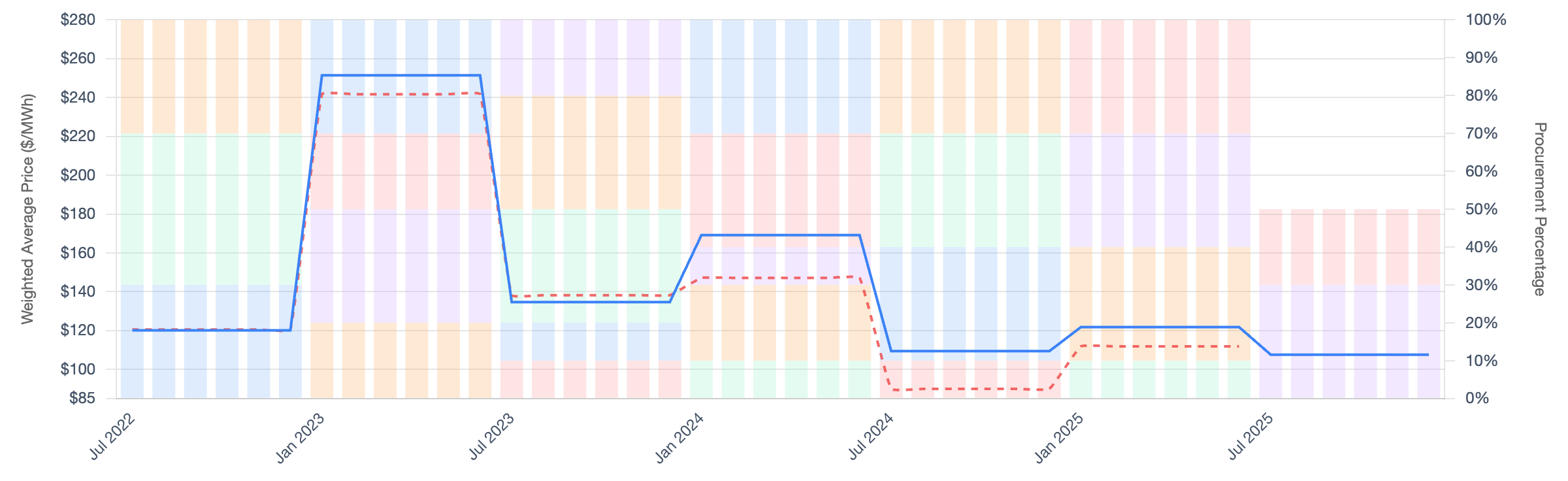
For the energy supply portion of bills (the cost of electricity or natural gas itself), utilities often have an “energy clause” or similar mechanism that allows for more frequent adjustments. These typically reflect the fluctuating market prices of fuel and purchased power. These adjustments are usually approved by PURA and are often more volatile, responding to real-time market conditions.

Deferred Costs and Rate Stabilization
Utilities may sometimes defer certain costs for recovery over future periods, especially if they are substantial or related to unforeseen events like major storm damage. When these deferred costs are included in a rate case, they can contribute to an overall rate increase. Conversely, if a utility has found operational efficiencies or if market conditions have been favorable, they might propose rate decreases or hold rates steady, though this is less common in recent years given the inflationary environment and infrastructure investment needs.
Anticipating Future Filings
While specific dates for future rate increases are not published in advance, consumers can typically anticipate that new rate cases will be filed when Eversource deems it necessary to recover significant investments, address rising operating costs, or meet new regulatory requirements. Staying informed through PURA’s public notices and Eversource’s official communications is the best way to track potential rate changes. The authority typically announces when a new rate case has been filed, initiating the public review period.
How Rate Increases Are Communicated to the Public
Transparency and public awareness are critical components of the rate adjustment process in Connecticut. When Eversource files for a rate increase, it initiates a formal communication protocol designed to inform customers and stakeholders.
Official Filings and Public Notices
The process begins with Eversource submitting its formal rate case application to PURA. PURA then makes these filings publicly available, often on its official website. The authority is also responsible for issuing public notices, which announce the initiation of the rate case, outline the proposed changes, and provide details on how the public can participate. These notices are typically published in newspapers, posted on PURA’s website, and sometimes distributed directly to customers by the utility.
Public Hearings and Comment Periods
A crucial part of the rate case process is the opportunity for public engagement. PURA will schedule public hearings, allowing individuals and organizations to present their views directly to the authority. These hearings provide a platform for consumers to ask questions, express concerns about the proposed increases, and highlight the potential financial burden on households and businesses. In addition to hearings, PURA will establish specific comment periods during which written submissions from the public are accepted and considered.
Impact on Customer Bills
Once PURA makes a final decision on the rate case, the approved changes are implemented. Eversource is then responsible for communicating the new rates to its customers. This typically occurs through direct mailings, bill inserts, and announcements on its website. The communications will detail the amount of the rate increase, the reasons for it as determined by PURA, and how it will be reflected on customer bills. For example, a residential customer might see a specific dollar amount increase per month, or a percentage change applied to their total bill.
Navigating Your Eversource Bill Amidst Rate Changes
Understanding how to interpret your Eversource bill and manage your energy consumption is essential, especially when facing potential rate increases. Proactive measures can help mitigate the financial impact.
Understanding Your Bill Components
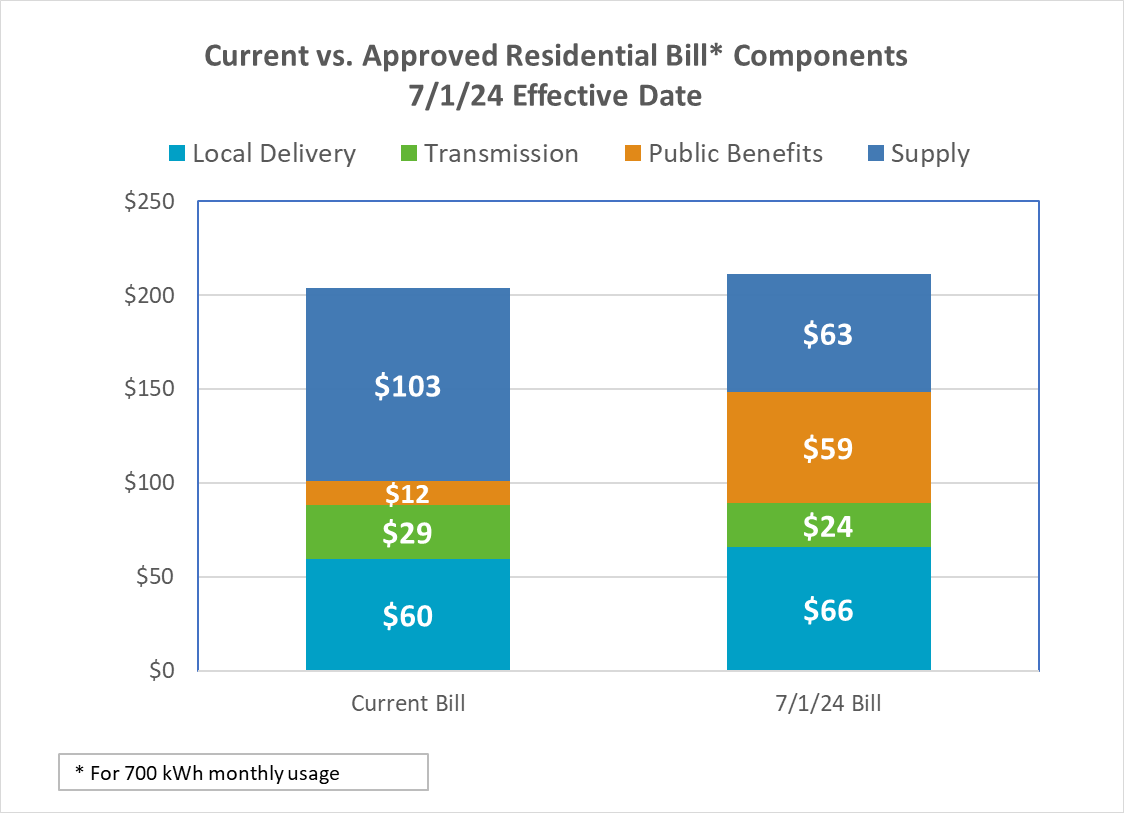
Your Eversource bill is typically broken down into several key components. The most significant ones affecting your total cost include:
- Supply Charges: This is the cost of the electricity or natural gas that Eversource purchases on your behalf from wholesale markets. These charges can fluctuate frequently based on market conditions and are often adjusted through the energy clause.
- Delivery Charges: These are the regulated charges that cover the costs of maintaining and operating the transmission and distribution system – the poles, wires, pipes, and substations that deliver energy to your home or business. This is the portion of your bill most directly affected by formal rate cases approved by PURA.
- Other Charges and Credits: This category can include items like regulatory compliance costs, energy efficiency program surcharges, or, in some cases, credits for renewable energy generation.
When a rate increase is approved by PURA and becomes effective, you will typically see an increase in the delivery charges. The supply charges, while subject to market volatility, are generally addressed through separate mechanisms and are not directly part of a traditional rate case.
Strategies for Managing Energy Costs
Given the potential for rate increases, adopting energy-efficient practices is more important than ever. Consider these strategies:
- Energy Audits: Conduct a home energy audit, either professionally or using DIY guides, to identify areas where your home is losing energy or where appliances are inefficient.
- Appliance Efficiency: When purchasing new appliances, look for the ENERGY STAR® label, which indicates superior energy efficiency.
- Thermostat Management: Use programmable thermostats to automatically adjust temperatures when you’re away or asleep. Even small adjustments can lead to significant savings.
- Lighting: Switch to LED bulbs, which use significantly less energy and last much longer than incandescent bulbs.
- Insulation and Sealing: Ensure your home is well-insulated, particularly in the attic, walls, and basement, and seal air leaks around windows, doors, and other openings.
- Behavioral Changes: Simple changes in habits, such as turning off lights and electronics when not in use, and taking shorter showers, can also contribute to reduced energy consumption.
- Eversource Energy Efficiency Programs: Eversource often offers various energy efficiency programs, rebates, and incentives for customers who make energy-saving upgrades. Checking their website for current offerings can provide opportunities for cost savings.
By staying informed about the regulatory process and actively managing your energy usage, you can better navigate the landscape of utility rate adjustments in Connecticut.
LifeOutOfTheBox is a participant in the Amazon Services LLC Associates Program, an affiliate advertising program designed to provide a means for sites to earn advertising fees by advertising and linking to Amazon.com. Amazon, the Amazon logo, AmazonSupply, and the AmazonSupply logo are trademarks of Amazon.com, Inc. or its affiliates. As an Amazon Associate we earn affiliate commissions from qualifying purchases.