
Navigating the complexities of state tax refunds can often feel like a quest for hidden treasure, especially when the anticipated funds are delayed. For residents of the Constitution State, understanding the process and potential reasons for a delayed Connecticut state tax refund is crucial. This guide aims to demystify the system, providing actionable steps and insights to help you track down your refund efficiently. Whether you’re planning a summer getaway to the Berkshire Mountains, a cozy winter escape to Mystic, or simply managing your household budget, knowing the status of your refund is paramount.
Understanding the Connecticut Tax Refund Process
The Connecticut Department of Revenue Services (DRS) is responsible for processing individual income tax returns and issuing refunds. Once you file your return, the DRS undertakes a verification process to ensure accuracy and compliance with state tax laws. This process can involve several stages, from initial data entry to potential audits or checks for outstanding liabilities.
Filing Your Return: The First Step
The timeline for receiving your refund begins with the submission of your tax return. For the 2023 tax year, the filing deadline was April 15, 2024. However, extensions are permissible, allowing individuals to file at a later date. It’s important to note that filing an extension to submit your return does not extend the deadline for paying any taxes owed.
Standard Refund Timelines
Under normal circumstances, the DRS aims to process and issue refunds within a reasonable timeframe. For electronically filed returns, the typical refund period is generally within three to four weeks. Paper-filed returns, however, take longer due to manual processing and can take eight to twelve weeks. These are estimates, and various factors can influence these timelines.
Factors Influencing Refund Delays
Several common issues can contribute to a delay in receiving your Connecticut state tax refund. Understanding these potential bottlenecks can help you anticipate and address them proactively.
Common Causes for Delays:
- Errors or Inconsistencies on the Tax Return: Simple mistakes, such as incorrect Social Security numbers, transposed digits in an address, or mathematical errors, can trigger manual review. Inconsistent information between your return and other documents submitted to the DRS can also lead to delays.
- Underreported Income or Unpaid Tax Liabilities: If the DRS identifies discrepancies in reported income or discovers outstanding tax debts from previous years, your refund may be held or applied to satisfy these obligations. This includes unpaid child support or other state debts.
- Claiming Certain Credits or Deductions: Some tax credits and deductions, particularly those that are newly introduced or complex, may require additional scrutiny to verify eligibility. This can extend the processing time.
- Amended Returns: If you need to correct an error on a previously filed return by submitting an amended return (Form CT-1040X), this process inherently takes longer. Amended returns are typically processed manually and can take up to 12 weeks or more from the date of filing.
- Identity Theft or Fraud Investigations: In rare cases, refunds may be delayed if the DRS suspects identity theft or fraudulent activity related to your return.
- High Volume of Returns: During peak tax season, the sheer volume of returns being processed can naturally lead to slightly longer waiting times, even for straightforward returns.
How to Track Your Connecticut State Tax Refund
Fortunately, the Connecticut Department of Revenue Services (DRS) offers tools to help you monitor the status of your refund. Being proactive is key to resolving any potential issues promptly.
The DRS Online Refund Status Tool
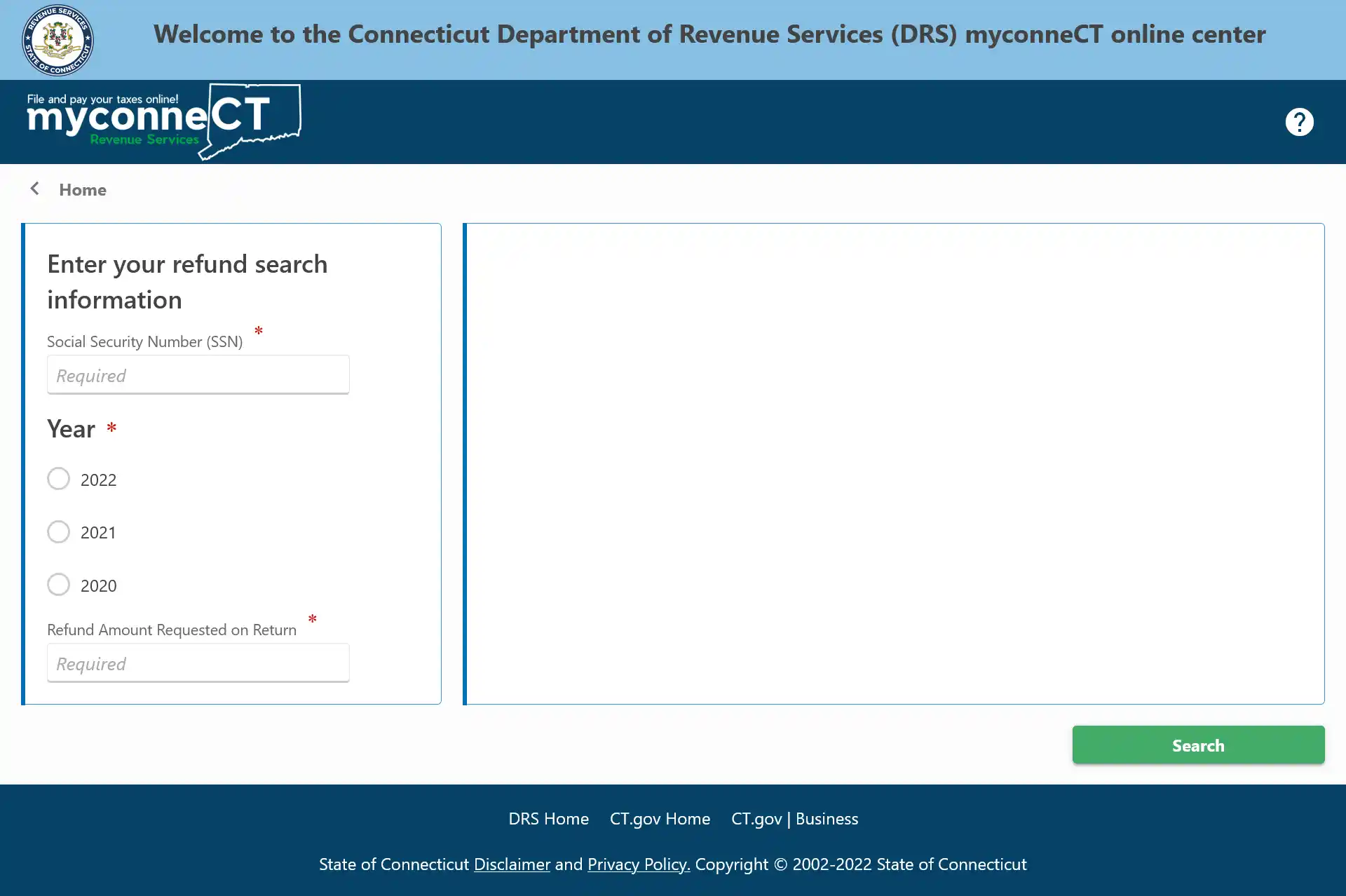
The most convenient way to check your refund status is through the DRS‘s online “Where’s My Refund?” tool.
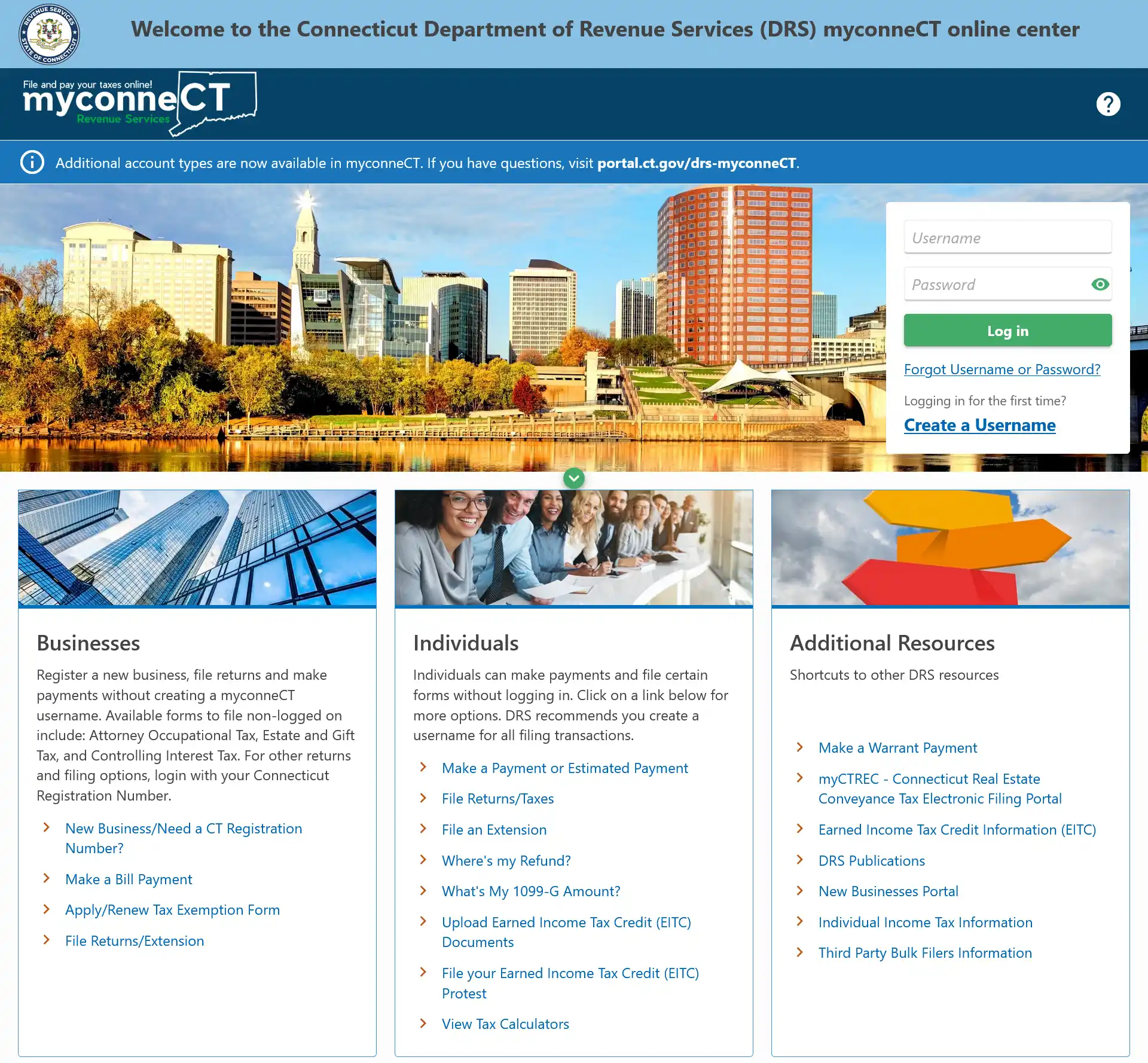
- Accessing the Tool: You can typically find this tool on the official Connecticut Department of Revenue Services website. It is usually prominently displayed in the “Individual Taxpayers” section or under “Taxpayer Services.”
- Information Required: To use the tool, you will generally need to provide specific information from your tax return, such as:
- Your Social Security Number (SSN)
- The exact amount of your expected refund
- Your filing status (e.g., Single, Married Filing Jointly)
- The tax year for which you are seeking a refund.
- Interpreting the Results: The tool will typically display one of the following statuses:
- Return Received: Your return has been successfully submitted and is being processed.
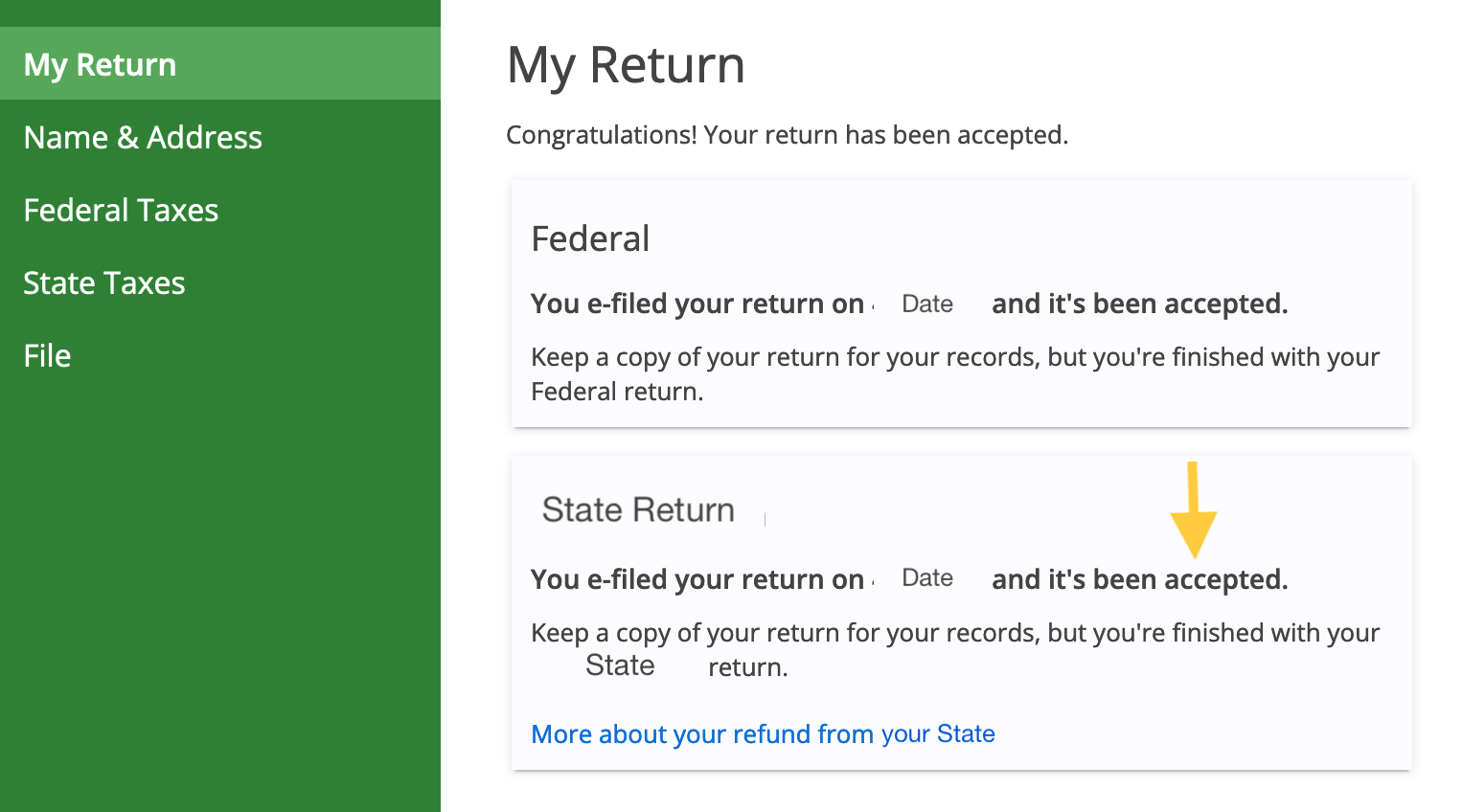
- Refund Approved: Your return has been processed, and your refund has been approved. It is now being prepared for issuance.
- Refund Sent: Your refund has been issued. The date of issuance and the method of delivery (e.g., direct deposit or paper check) will often be provided.
- Additional Information Needed: This status indicates that the DRS requires further information or clarification to process your refund. You will likely need to contact the DRS directly for more details.
Contacting the Connecticut Department of Revenue Services
If the online tool does not provide sufficient information, or if your refund is significantly delayed beyond the estimated timelines, contacting the DRS directly is the next step.
When to Contact the DRS:
- Beyond Standard Timelines: If it has been more than four weeks for an e-filed return or twelve weeks for a paper-filed return, and the online tool hasn’t updated, it’s time to reach out.
- Specific Instructions: If the online tool indicates that additional information is needed, contact the DRS immediately to understand what is required.
- Lost or Stolen Checks: If you believe your refund check was lost in the mail or stolen, you must report this to the DRS to initiate a trace and potential reissue.
How to Contact the DRS:
- Phone: The DRS has a taxpayer services line. Be prepared for potentially long wait times, especially during peak periods. Have your tax return, SSN, and expected refund amount readily available. The official phone number can be found on their website.
- Mail: For correspondence requiring written documentation, you can write to the DRS. Ensure you include all relevant identifying information and a clear explanation of your query. The mailing address for refund inquiries can also be found on their website.
- In-Person Assistance: While less common for simple refund status inquiries, the DRS may offer in-person assistance at their offices for more complex issues. Check their website for office locations and operating hours.
Preparing for a Smooth Refund Experience
Proactive preparation can significantly reduce the likelihood of experiencing delays with your Connecticut state tax refund. By taking a few key steps when filing your return, you can streamline the process.
E-filing Your Return
Electronic filing is the fastest and most accurate method for submitting your tax return.
- Speed: As mentioned, e-filed returns are typically processed much faster than paper returns, leading to quicker refunds.
- Accuracy: Tax software and professional tax preparers use systems that perform automatic calculations and checks, minimizing mathematical errors. This reduces the chances of your return being flagged for manual review due to simple mistakes.
- Direct Deposit: When you e-file, you have the option to have your refund directly deposited into your bank account. This is the most secure and fastest way to receive your refund, bypassing the postal service entirely.
Double-Checking Your Information
Before submitting your return, take the time to meticulously review all the information entered.
- Social Security Numbers: Ensure all SSNs for yourself, your spouse, and dependents are entered correctly.
- Names and Addresses: Verify that names and addresses match exactly what is on official documents.
- Bank Account Information: If opting for direct deposit, confirm that your bank account number and routing number are accurate. A single digit error here can cause significant delays or even lead to the refund being sent to the wrong account.
- Calculations: While software assists with this, a manual double-check of key figures, especially if you are filing without assistance, can catch errors.
Keeping Records
Maintain copies of your filed tax return and all supporting documentation. This is crucial for reference if you need to follow up with the DRS or if any discrepancies arise.
What to Do if Your Refund is Significantly Delayed
If you’ve followed the tracking steps, contacted the DRS, and your refund remains elusive, further action may be necessary.
Understanding State Tax Offset Programs
Connecticut, like many states, participates in offset programs that allow the DRS to intercept state tax refunds to satisfy outstanding debts. These debts can include:
- Child support arrears
- Unpaid state taxes from prior years
- Court-ordered restitution
- Certain other state and federal obligations
If your refund has been offset, the DRS will typically send you a notice explaining the reason for the offset and the amount that was applied to the debt. If you believe the offset is in error or have questions about the debt, you will need to contact the agency that initiated the offset.
When to Consider Professional Assistance
For most refund inquiries, the DRS resources are sufficient. However, in complex situations, such as:
- The refund is substantially delayed with no clear explanation.
- You believe your refund has been incorrectly offset.
- You are facing an audit or significant issue with the DRS.
Consulting a qualified tax professional, such as a Certified Public Accountant (CPA) or an Enrolled Agent (EA), can provide invaluable assistance. They have the expertise to navigate tax laws and communicate effectively with tax authorities on your behalf.
Conclusion
While the anticipation of a tax refund can be exciting, the process of receiving it can sometimes be a source of frustration. For Connecticut residents, understanding the timelines, potential causes for delay, and available tracking tools is the first step toward a smoother experience. By filing accurately, utilizing the DRS online tools, and knowing when and how to seek further assistance, you can effectively manage your Connecticut state tax refund and get back to planning your next adventure, whether it’s exploring the historic lighthouses along the coast or enjoying the vibrant arts scene in Hartford.
LifeOutOfTheBox is a participant in the Amazon Services LLC Associates Program, an affiliate advertising program designed to provide a means for sites to earn advertising fees by advertising and linking to Amazon.com. Amazon, the Amazon logo, AmazonSupply, and the AmazonSupply logo are trademarks of Amazon.com, Inc. or its affiliates. As an Amazon Associate we earn affiliate commissions from qualifying purchases.